Summary
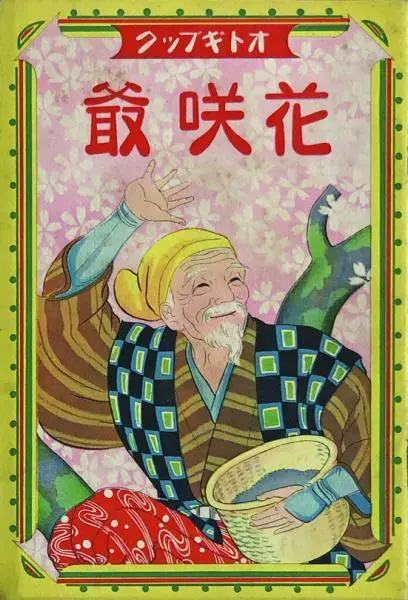
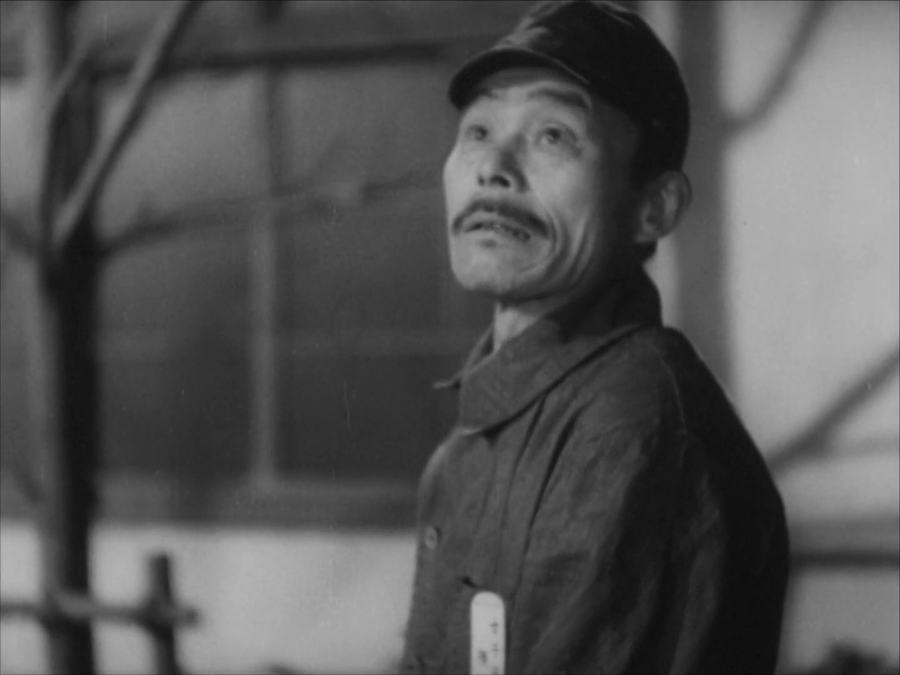
In an era where cinematic narratives often grappled with the stark realities of nascent industrialization and moral ambiguity, Teinosuke Kinugasa's 'Hanasaka Jijii' emerges as a profound, almost allegorical, exploration of intrinsic human benevolence pitted against the corrosive forces of avarice. The film meticulously unfurls the idyllic existence of an elderly couple, Grandfather Hanasaka (Unpei Yokoyama) and his wife (Misao Seki), whose lives are characterized by an unassuming grace and an almost spiritual connection to the natural world. Their quietude is profoundly disrupted, yet ultimately enriched, by the adoption of Shiro, a sagacious canine whose unerring instinct leads them to a cache of golden coins, a serendipitous boon that, rather than corrupting, amplifies their innate generosity. This newfound, modest prosperity, however, casts a long shadow, drawing the covetous gaze of their immediate neighbors – a couple personifying the basest human impulses. Their escalating envy culminates in a morally reprehensible act: the murder of Shiro, an event that serves as the narrative's tragic pivot. From this sorrow, a miraculous tree blossoms upon Shiro's grave, its wood, when ground to ash and scattered, possessing the power to rejuvenate withered flora into vibrant bloom. This act of restorative magic, a testament to the purity of the Hanasaka's spirit, is then grotesquely mimicked by their malicious counterparts, whose attempts to replicate the miracle yield only putrefaction and societal condemnation. Kinugasa masterfully orchestrates a visual poem on karma, where the virtuous are elevated to a state of almost mythical recognition by a benevolent feudal lord, while the corrupt are swiftly and justly relegated to ignominy, underscoring a timeless moral calculus through a prism of exquisite, if somber, visual storytelling.
Review Excerpt
"
The Enduring Resonance of 'Hanasaka Jijii': A Silent Symphony of Morality
In the annals of early Japanese cinema, certain works stand as towering testaments to the expressive power of the moving image, even in its nascent, silent form. Teinosuke Kinugasa's 'Hanasaka Jijii', or 'The Flower-Blooming Old Man', is undeniably one such masterpiece, a film that transcends its era to deliver a timeless fable of virtue, avarice, and cosmic retribution. While many films of the 1920s grap..."