DbcultAccessing Vault...
6.6/10
Senior Film Conservator
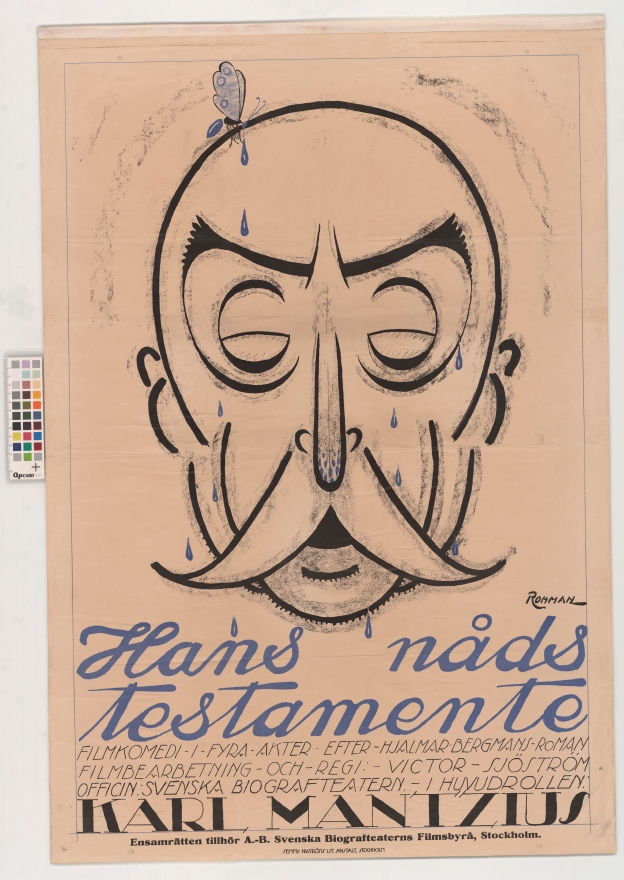
A definitive 6.6/10 rating for a film that redefined the boundaries of cult cinema. Hans nåds testamente remains a cornerstone of transgressive art.
Stepping back into the hallowed halls of silent cinema, one often finds oneself transported not merely to a bygone era of flickering images, but to a foundational period of cinematic storytelling. Among the giants of this epoch, Victor Sjöström stands tall, his filmography a testament to both artistic innovation and profound human insight. His 1919 masterpiece, Hans nåds testamente, or 'His Grace's Will,' is a prime example of this enduring power, a dramatic tapestry woven with threads of family, legacy, and the inescapable grip of human avarice. It's a film that, despite its age, speaks volumes about the timeless dilemmas that plague even the most aristocratic of households, proving that the human heart, with all its complexities, remains unchanged across centuries and technological advancements.
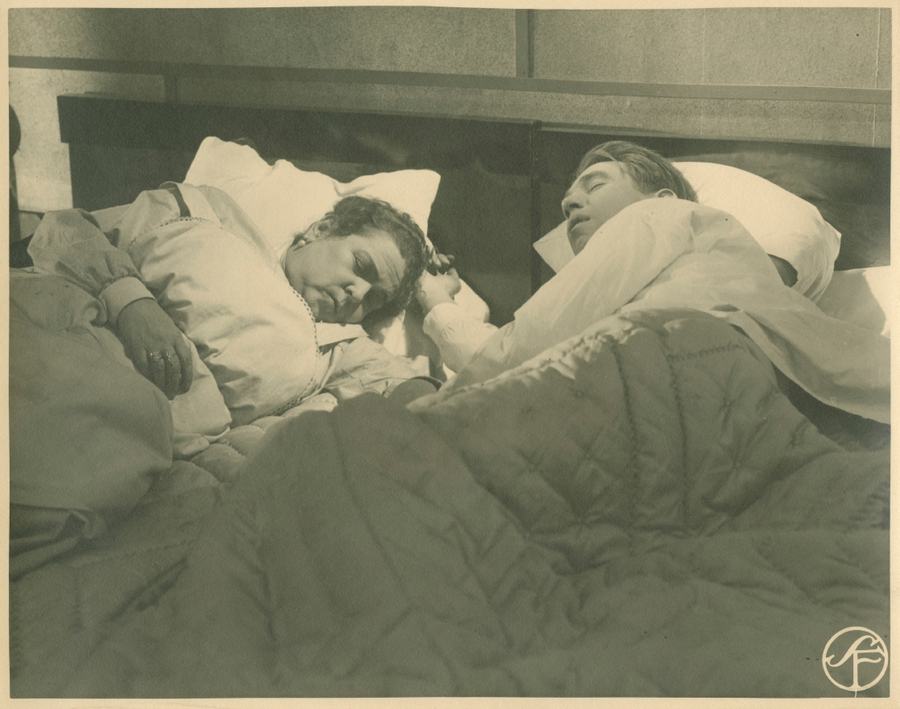
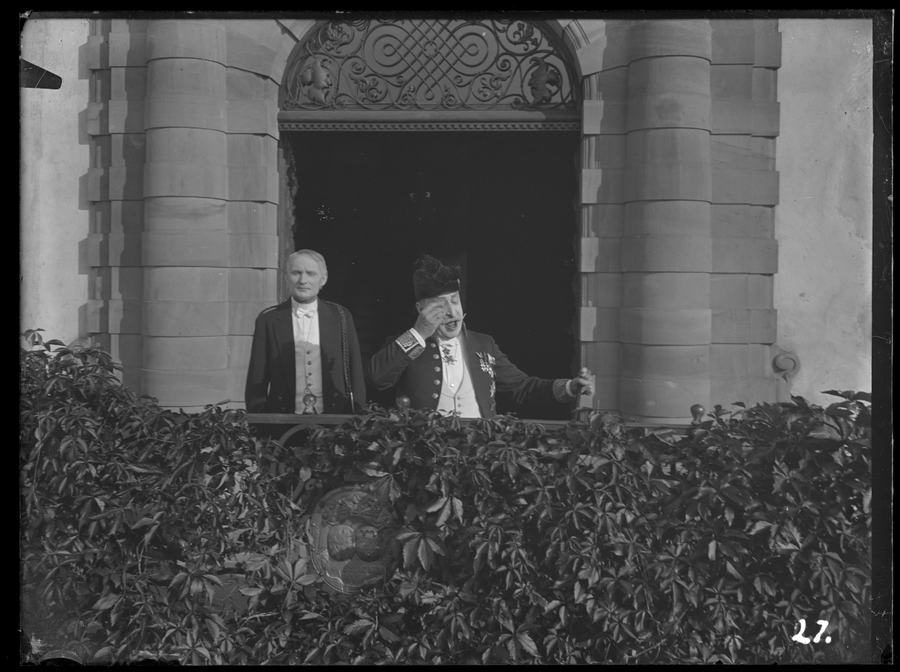
The premise of Hans nåds testamente is deceptively simple, yet it holds the dramatic potential of a Shakespearean tragedy. The Baron of Rogershus, portrayed with formidable gravitas by Karl Mantzius, reaches the venerable age of sixty-five. For many, such a milestone is a cause for pure celebration, a moment of reflection and joyous camaraderie. But for the Baron, it is an occasion imbued with a different, more calculating purpose. He has decided that this auspicious day will not only mark his birth but also the public unveiling of his last will and testament. This decision, seemingly straightforward, acts as the catalyst for a chain reaction of emotional turmoil, suspicion, and thinly veiled animosity among his assembled family. Sjöström, ever the master of psychological drama, understands that the mere suggestion of an inheritance can transform even the most polite gathering into a viper's nest of ambition and resentment. It immediately establishes a tension that permeates every subsequent frame, making the audience keenly aware that beneath the veneer of familial affection lies a swirling undercurrent of self-interest.
Victor Sjöström's directorial prowess in Hans nåds testamente is nothing short of exemplary. He possesses an uncanny ability to convey complex emotions and intricate relationships through visual storytelling, a skill paramount in the silent era. His camera is not merely an observer; it is an active participant, subtly guiding the viewer's eye, emphasizing a fleeting glance, a clenched fist, or the nervous shifting of weight that speaks volumes more than any intertitle could. The pacing is deliberate, allowing the psychological weight of the situation to slowly but surely build. Sjöström eschews melodrama for a more nuanced approach, preferring to let the characters' internal struggles manifest through their body language and facial expressions. This sophisticated direction creates an atmosphere of simmering tension, where every interaction feels loaded with unspoken desires and hidden agendas. One can draw parallels to the tight, contained drama of a stage play, yet Sjöström masterfully expands it beyond the proscenium arch, using cinematic techniques to enhance the claustrophobia of the family's shared predicament. His influence, even in this early work, foreshadows the depth and psychological realism that would define later European cinema.

The Baron's family, brought to life by a stellar ensemble cast, forms the beating heart of this drama. Each character is a distinct entity, contributing to the rich tapestry of familial discord. Wilma Malmlöf, Helge Kihlberg, Greta Almroth, and Sigurd Wallén, among others, embody the various shades of human response to the allure of wealth. There are the openly opportunistic, whose eyes betray their calculations; the subtly manipulative, who feign indifference while plotting their next move; and perhaps, a few genuinely affectionate souls caught in the crossfire of their relatives' machinations. Carl Browallius, Ernst Öberg, and Semmy Friedmann further populate this intricate world, each adding layers of complexity to the family dynamic. The beauty of silent acting, particularly in the hands of such capable performers, lies in its ability to communicate volumes without a single spoken word. A raised eyebrow, a downturned mouth, a nervous fidget – these are the tools through which their hopes, fears, and darkest desires are laid bare. Their performances are a masterclass in conveying subtext, making the audience keenly aware of the unspoken tensions that hum beneath the surface of polite society. This collective portrayal of human frailty and ambition is what elevates Hans nåds testamente beyond a mere plot exercise, transforming it into a poignant examination of the human condition.
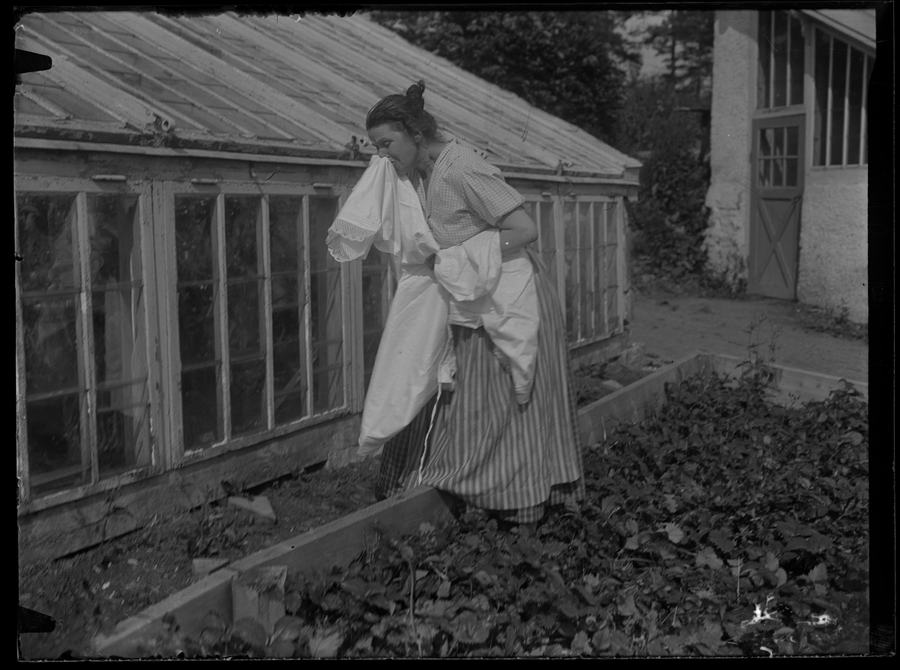
At its core, Hans nåds testamente is a profound exploration of legacy, mortality, and the corrosive power of avarice. The Baron's will is not just a legal document; it is a weapon, a final act of control from beyond the grave, designed to test and expose the true character of those he leaves behind. This theme of inheritance sparking conflict is a timeless narrative device, echoing through literary and cinematic history. We see similar dynamics at play in films like The Claim, where the lure of property and wealth drives characters to desperate measures, or even in the more personal jealousies ignited in The Green-Eyed Monster. Sjöström and Hjalmar Bergman, the writer, delve into the psychological ramifications of expectation, revealing how the mere anticipation of wealth can corrupt even the most seemingly virtuous individuals. The film questions the very nature of familial duty when pitted against self-interest, exposing the fragility of bonds that are often taken for granted. It's a stark reminder that while love and loyalty are often touted as cornerstones of family, greed can just as easily become the wrecking ball. The film also touches on societal norms of the era, where inherited wealth often dictated one's social standing and future prospects, adding another layer of pressure to the family's fraught gathering.
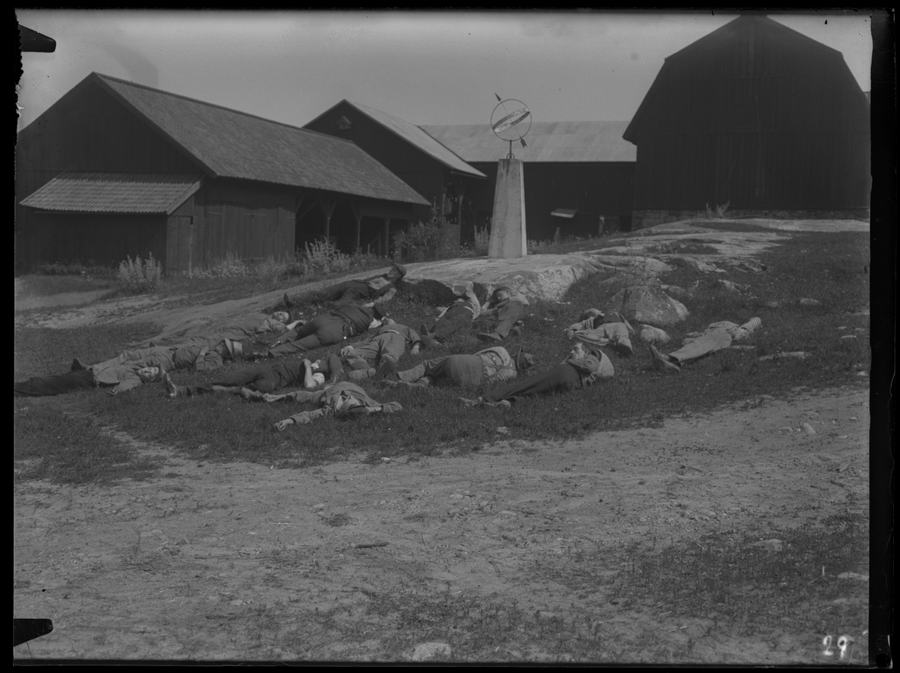
The performances in Hans nåds testamente are a masterclass in the nuanced art of silent acting. Without the benefit of spoken dialogue, actors like Karl Mantzius as the Baron, and the supporting cast including Ingeborg Strandin, Carl Borin, and Emil Fjellström, relied entirely on their physicality, facial expressions, and stage presence to convey complex emotional states. Every gesture is deliberate, every glance meaningful. The subtlety required to communicate jealousy, fear, hope, and resignation without uttering a single word is truly remarkable. Mantzius, in particular, commands the screen with a silent authority that makes the Baron's decisions feel weighty and impactful. The collective effort of Nils Aréhn, Josua Bengtson, Georg Blickingberg, Emil Bergendorff, and Augusta Lindberg creates a vibrant, believable ensemble, each reacting to the impending revelation in their own unique and compelling way. It's a testament to their skill that even a century later, their performances resonate with genuine human emotion, drawing the audience into their silent world of intrigue and anticipation. This film serves as a powerful reminder of the profound expressiveness achievable through non-verbal communication, a lesson that modern cinema, often reliant on dialogue, could do well to remember.
The strength of Hans nåds testamente is undeniably rooted in its source material. The screenplay, penned by Victor Sjöström himself, is an adaptation of a work by the esteemed Swedish author Hjalmar Bergman. Bergman was known for his keen psychological insights and often satirical portrayals of the Swedish bourgeoisie, making his work fertile ground for Sjöström's cinematic explorations of human nature. The synergy between writer and director here is palpable. Sjöström managed to translate Bergman's intricate characterizations and biting social commentary into a visual medium with remarkable fidelity, while also infusing it with his own distinctive directorial vision. This collaboration ensured that the film possessed not only a compelling plot but also a deeply resonant thematic core. The narrative's careful construction, the gradual unveiling of character motivations, and the ultimate dramatic climax all speak to the strength of Bergman's original storytelling, expertly reinterpreted for the silver screen. It's a prime example of how a strong literary foundation can elevate a film, providing it with a depth and richness that purely visual narratives sometimes lack.
During the late 1910s and early 1920s, Swedish cinema experienced a 'golden age,' producing films that rivaled, and in some cases surpassed, those from Hollywood and other European centers. Victor Sjöström was at the forefront of this movement, alongside his contemporary Mauritz Stiller. Hans nåds testamente stands as a shining example of the artistic and technical sophistication achieved during this period. It showcases the Swedish industry's ability to craft compelling narratives with strong character development and a visually evocative style, often leveraging the country's stunning natural landscapes (though less prominent in this more interior drama). The film's critical reception at the time cemented Sjöström's reputation as a master storyteller, paving the way for his eventual move to Hollywood. While other films of the era, such as The White Sister or An Odyssey of the North, garnered international attention, Hans nåds testamente holds its own as a powerful domestic drama that perfectly encapsulates the artistic ambitions of its time. It’s a crucial piece for anyone seeking to understand the evolution of cinematic language and the rich history of European filmmaking.
Even a century after its initial release, Hans nåds testamente retains its captivating power. Its themes of family conflict, the corrupting influence of wealth, and the ultimate reckoning with one's legacy are universal and timeless. Much like the enduring appeal of a story like Romeo and Juliet, which explores the destructive nature of familial feuds, this film delves into the often-uncomfortable truths about human relationships when put under extreme pressure. The film's exploration of moral dilemmas and character trials can also be seen in works like The Test of Womanhood, where individuals face profound ethical challenges. The meticulous direction of Sjöström, combined with the compelling performances of the cast including Sture Baude, Georg Ahl, Tyra Dörum, and Olof Ås, ensures that the film remains a potent piece of dramatic cinema. It's a work that speaks to the enduring human fascination with power, inheritance, and the hidden desires that lurk beneath polite society. Its legacy lies not just in its historical significance but in its continued ability to provoke thought and stir emotion, making it a compelling watch for contemporary audiences willing to engage with the artistry of the silent screen.
Hans nåds testamente is more than just a historical artifact; it is a vibrant, engaging piece of cinema that offers a penetrating look into the human psyche. Sjöström’s masterful direction, coupled with a brilliant ensemble cast and a compelling narrative derived from Hjalmar Bergman’s sharp observations, creates a film that transcends its silent origins. It is a testament to the power of non-verbal storytelling, proving that profound emotional impact can be achieved through subtle gestures, evocative cinematography, and deeply resonant themes. For aficionados of classic cinema, and indeed anyone interested in the enduring power of dramatic narrative, this film is an essential viewing experience. It’s a stark, yet beautifully crafted, reminder that the most potent dramas often unfold not on grand battlefields, but within the confines of a single family, where love and loyalty are constantly tested by the insidious lure of self-interest. A true gem of Swedish cinema, it continues to illuminate the timeless intricacies of the human heart.
IMDb —
1916
Community
Log in to comment.