DbcultAccessing Vault...
Cult Review
Senior Film Conservator
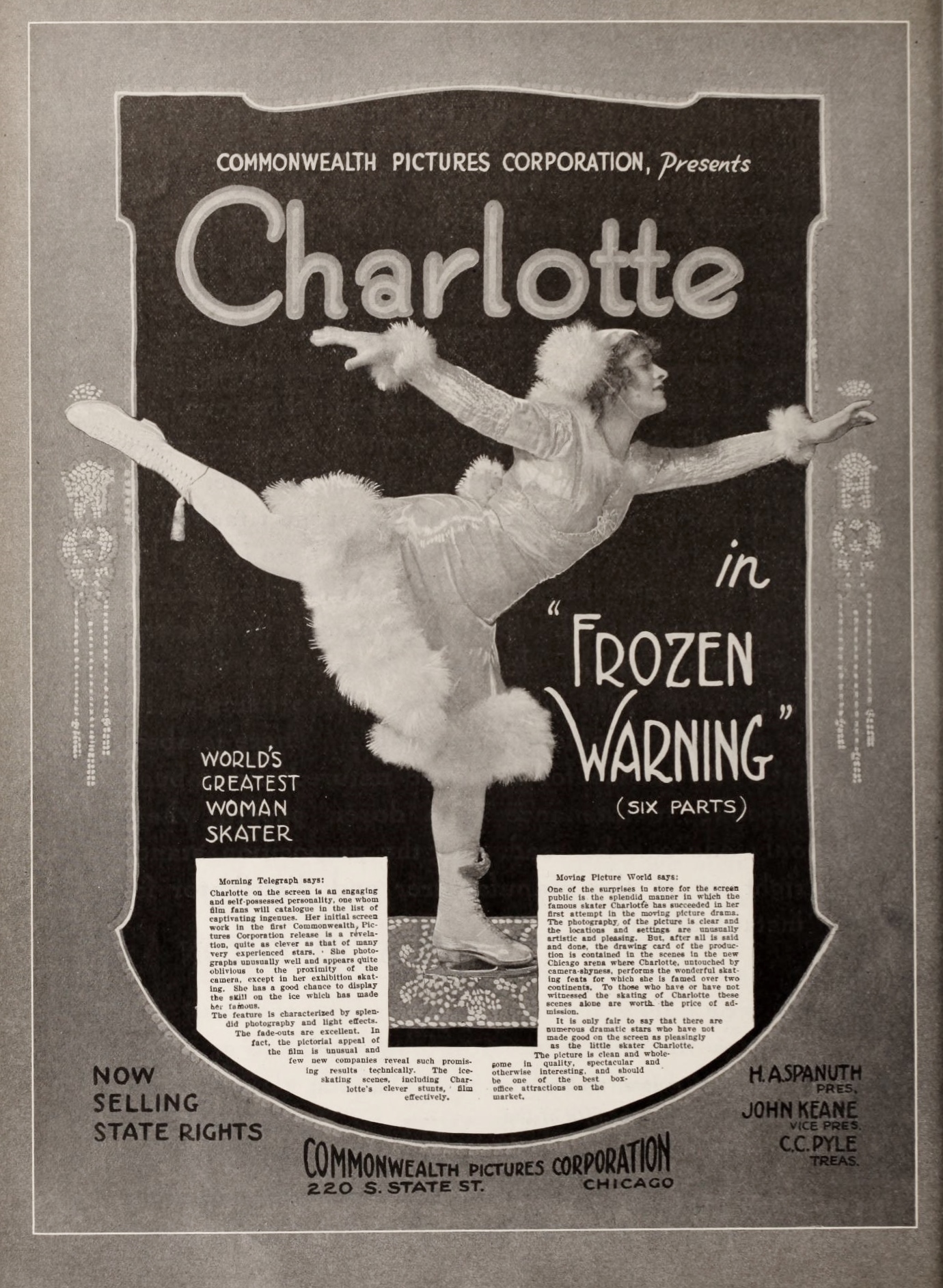
In the annals of early cinematic thrillers, The Frozen Warning stands as a compelling, albeit often overlooked, artifact of a bygone era. Penned by Robert Morton Lee, this silent-era espionage drama plunges viewers into a world where technological innovation becomes a dangerous prize, and the lines between national security and personal peril blur with alarming speed. It's a narrative that, despite its vintage, resonates with timeless themes of vigilance, betrayal, and the unexpected courage of ordinary individuals caught in extraordinary circumstances. The film masterfully constructs a labyrinthine plot, centering on a weapon of immense strategic importance and the shadowy figures who seek to exploit it, setting the stage for a tense, captivating watch that belies its age.
At the heart of this intricate web of intrigue is Lieutenant Vane, portrayed with earnest conviction by Cortland Van Deusen. Vane is a visionary, on the cusp of perfecting a revolutionary sub-sea gun – a device capable of reshaping naval warfare. This invention, however, is not destined for quiet development. It draws the avaricious gaze of Koral, a clandestine operative whose allegiances lie with a foreign government, brought to life with a suitable air of menace by Seymour Rose. Koral's machinations are precisely calibrated, a testament to the meticulous planning often depicted in the spy thrillers of the period, reminiscent of the intricate deceptions found in other early tales of international espionage. The narrative wastes no time in establishing the profound stakes involved; Vane's invention isn't just a piece of machinery, but a symbol of national prowess and vulnerability.
The initial stages of Koral's nefarious plot unfold with a quiet tension, building an atmosphere of impending doom that permeates the film. His objective is clear: to secure the weapon by any means necessary. This sets the stage for a classic cat-and-mouse game, though one where the mouse, in this case, is blissfully unaware of the hawk circling above. The film leverages this dramatic irony to great effect, allowing the audience to anticipate the danger long before the protagonist does. It's a technique that keeps viewers on the edge, constantly questioning when and how the inevitable confrontation will occur, and whether the hero will grasp the gravity of the situation before it's too late.
The true linchpin of the story, however, emerges not from the ranks of military brass or covert agents, but from the seemingly ordinary figure of Charlotte, played by Esther Lyon. Charlotte, through sheer happenstance, stumbles upon Koral's conspiracy. This pivotal moment, a chance overhearing, transforms her from a background character into the narrative's primary catalyst and most compelling force. Her immediate instinct is to warn Vane, an act of civic duty and burgeoning heroism. The scene at the skating-rink party, where she attempts to convey her urgent intelligence, is a masterclass in understated tension. Amidst the gaiety and superficiality of a social gathering, Charlotte's desperate whispers clash with Vane's blithe dismissal, an almost infuriating display of male complacency in the face of female intuition. His failure to heed her "frozen warning" serves as a stark reminder of the era's societal biases, where a woman's serious concerns might be easily brushed aside.
Charlotte's subsequent actions define her as a character of remarkable agency and resourcefulness. When her direct appeal fails, she doesn't retreat; instead, she takes matters into her own hands, demonstrating a proactive spirit that distinguishes her from many female characters of the time. Her decision to intercept Koral's communication with Fredericks, an accomplice aboard his yacht, is a stroke of audacious brilliance. The methodical dismantling of the antennae at Koral's secret wireless plant is executed with a quiet determination that speaks volumes about her resolve. This act of sabotage is not merely a plot device; it underscores Charlotte's evolving role from a passive observer to an active participant, a true hero who understands the gravity of the situation far better than the very man she is trying to protect. Her courage in the face of such danger is palpable, making her a character worthy of admiration and a precursor to the strong female leads that would later populate the thriller genre.
Charlotte's intervention triggers a chain reaction that meticulously unravels Koral's intricate scheme. Fredericks, played by Ralph Johnson, awaiting his instructions at sea, grows increasingly agitated by the silence. Believing Koral has failed him or encountered unforeseen difficulties, he makes the fateful decision to set sail prematurely. This unintended consequence of Charlotte's ingenuity highlights the delicate balance of espionage operations and how a single, well-placed act of defiance can throw an entire clandestine network into disarray. It's a testament to the script's clever construction that the very absence of communication becomes a powerful narrative force, driving the plot forward with an escalating sense of urgency.
The discovery of Fredericks' damaged wireless apparatus while at sea adds another layer of complexity and irony. His subsequent realization that his communication systems are compromised, rather than a mere failure on Koral's part, amplifies the sense of being outmaneuvered. This moment of dawning realization for Fredericks mirrors Vane's eventual awakening to the threat, creating a satisfying narrative parallel where both the hero and the accomplice are forced to confront the unforeseen consequences of their actions, or inactions. The film excels at portraying these small, yet significant, moments of revelation that propel the story towards its inevitable climax.
While Charlotte is busy thwarting communications, the inevitable occurs: Vane's sub-sea gun is stolen. This moment of realization for Vane is a brutal reckoning, a stark validation of Charlotte's earlier, ignored warnings. The loss of his prized invention serves as a potent symbol of his initial hubris and the price of underestimating a determined adversary. The dramatic weight of this theft is keenly felt, transforming Vane from a somewhat complacent inventor into a man galvanized by personal and national loss.
Charlotte, ever the strategist, doesn't disappear from the narrative after her act of sabotage. Instead, she issues a cryptic summons to Vane, directing him to the pier. This clandestine rendezvous point adds a touch of classic noir to the unfolding drama, a place where secrets are exchanged and fates are decided under the cover of night. It signifies Charlotte's continued involvement and her role in orchestrating the final act of the drama, transforming her into a genuine co-conspirator for justice. This sequence builds expertly on the previously established tension, leading the audience to anticipate a direct confrontation or a crucial exchange of information that will turn the tide.
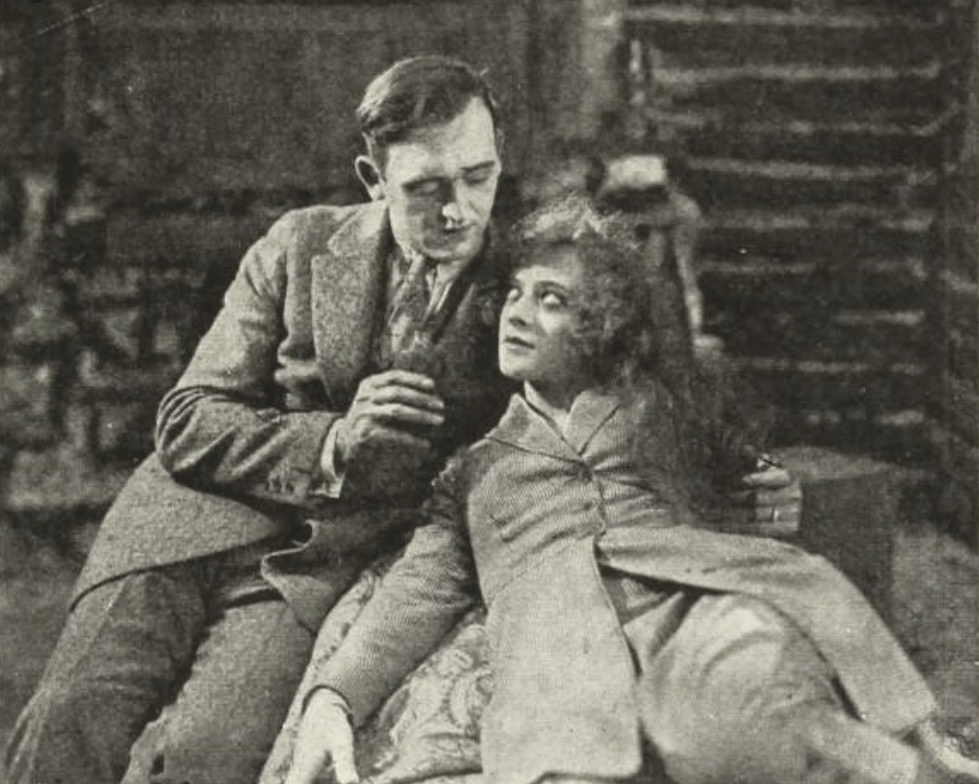
With the authorities now fully informed – presumably by Charlotte, Vane, or a combination of their efforts – the stage is set for the climax. Fredericks, returning to shore, sails directly into the waiting arms of the law. This capture is executed with a satisfying sense of poetic justice, the villain ensnared by the very circumstances he sought to manipulate. It's a swift and decisive end to his part in the conspiracy, underscoring the effectiveness of the coordinated efforts against the foreign agents. The film ensures that the audience feels the weight of this capture, a significant victory in the unfolding battle of wits.
Koral and his confederates, too, are rounded up, bringing the entire espionage ring to a conclusive halt. The final arrests provide a cathartic resolution to the mounting tension, affirming the triumph of good over malevolence. The narrative arc, from the initial threat of the stolen weapon to the eventual apprehension of the culprits, is meticulously crafted, offering a fulfilling sense of closure. The Frozen Warning, in its denouement, celebrates vigilance and the collective power of individuals and institutions working in concert to safeguard national interests.
Beyond its intricate plot, The Frozen Warning delves into several profound themes that lend it lasting resonance. The most prominent is arguably the theme of vigilance – the constant need to be aware of threats, both external and internal. Vane's initial nonchalance serves as a cautionary tale, while Charlotte's unwavering alertness becomes the narrative's moral compass. It's a timely message for any era, emphasizing the importance of heeding warnings, even when they come from unexpected sources. The film also explores the perilous nature of technological advancement when it falls into the wrong hands, a concern as relevant today as it was in the early 20th century. The sub-sea gun represents not just a weapon, but the dual-edged sword of progress.
The character of Charlotte, portrayed by Esther Lyon, is particularly noteworthy. She embodies a proto-feminist ideal, a woman who defies societal expectations of passivity to become the true hero of the story. Her intelligence, bravery, and self-reliance are refreshing, especially for a film of its period. She doesn't wait to be rescued; she actively participates in averting disaster. This portrayal offers a fascinating contrast to more conventional female roles seen in contemporary films, such as perhaps the more tragic or romanticized figures in La dame aux camélias or the emotionally driven characters in A Change of Heart. Charlotte's strength lies in her intellect and her capacity for decisive action, making her a compelling and enduring figure.
The film's direction, while typical of the silent era in its reliance on intertitles and expressive acting, effectively builds suspense through careful pacing and visual cues. The tension is palpable in scenes like the wireless sabotage, where Charlotte's quiet movements convey more urgency than any dialogue could. The use of close-ups to emphasize facial expressions and reactions, particularly in moments of realization or impending danger, is expertly handled. While lacking the kinetic energy of modern thrillers, The Frozen Warning demonstrates a shrewd understanding of how to generate suspense through narrative structure and character-driven stakes. One could draw parallels to the methodical tension found in other early thrillers like The Invisible Power, which also likely relied on narrative ingenuity to captivate audiences without spoken dialogue.
The cast, including Esther Lyon as Charlotte, Cortland Van Deusen as Vane, and Seymour Rose as Koral, delivers performances that are characteristic of the silent film era – often broad, yet conveying the necessary emotions and motivations with clarity. Lyon, in particular, carries much of the film's emotional weight and narrative drive, making Charlotte a memorable figure. Van Deusen transitions effectively from a confident inventor to a man humbled by his oversight, while Rose embodies the sinister undercurrent of international espionage with a chilling presence. The supporting cast, including Ralph Johnson as Fredericks, Charlotte Hayward, Seymour Rose, Gerald C. Kaehn, Charles Gardner, and Jack Meredith, all contribute to the film's overall fabric, creating a believable world of high stakes and covert operations.
Robert Morton Lee's screenplay is commendably tight, eschewing unnecessary subplots to focus squarely on the central conflict and its resolution. The progression of events feels organic, each action leading logically to the next, building momentum towards the satisfying climax. In an era where narrative coherence could sometimes be secondary to spectacle, Lee crafts a story that is both engaging and intellectually stimulating, inviting the audience to follow the intricate dance of espionage with keen interest. The film's ability to maintain suspense and deliver a cohesive, thrilling plot without spoken dialogue is a testament to the power of pure visual storytelling and well-structured writing.
In a broader context, The Frozen Warning serves as a fascinating precursor to the spy thrillers that would dominate later decades. It establishes many of the genre's enduring tropes: the brilliant but naive inventor, the resourceful civilian heroine, the shadowy foreign agent, and the race against time to prevent a catastrophic technological loss. While perhaps not as widely remembered as some of its contemporaries, its narrative sophistication and the strength of its lead female character make it a film deserving of greater recognition. It stands as a testament to the inventive spirit of early cinema, demonstrating how compelling stories could be told with limited technical means but boundless creativity.
Ultimately, The Frozen Warning is more than just a historical curiosity; it is a genuinely engaging spy drama that holds its own even today. Its intricate plot, driven by a courageous heroine and fraught with international peril, offers a captivating glimpse into the anxieties and aspirations of its time. For enthusiasts of silent cinema, classic thrillers, or simply well-told stories, this film is a rewarding discovery, a reminder of the foundational strengths upon which an entire genre was built. It beckons viewers to appreciate the quiet power of its narrative, the subtle brilliance of its execution, and the enduring relevance of its themes, proving that a warning, even if initially frozen by disbelief, can ultimately thaw into triumphant action.
IMDb 6.1
1917
Community
Log in to comment.