DbcultAccessing Vault...
6.2/10
Senior Film Conservator
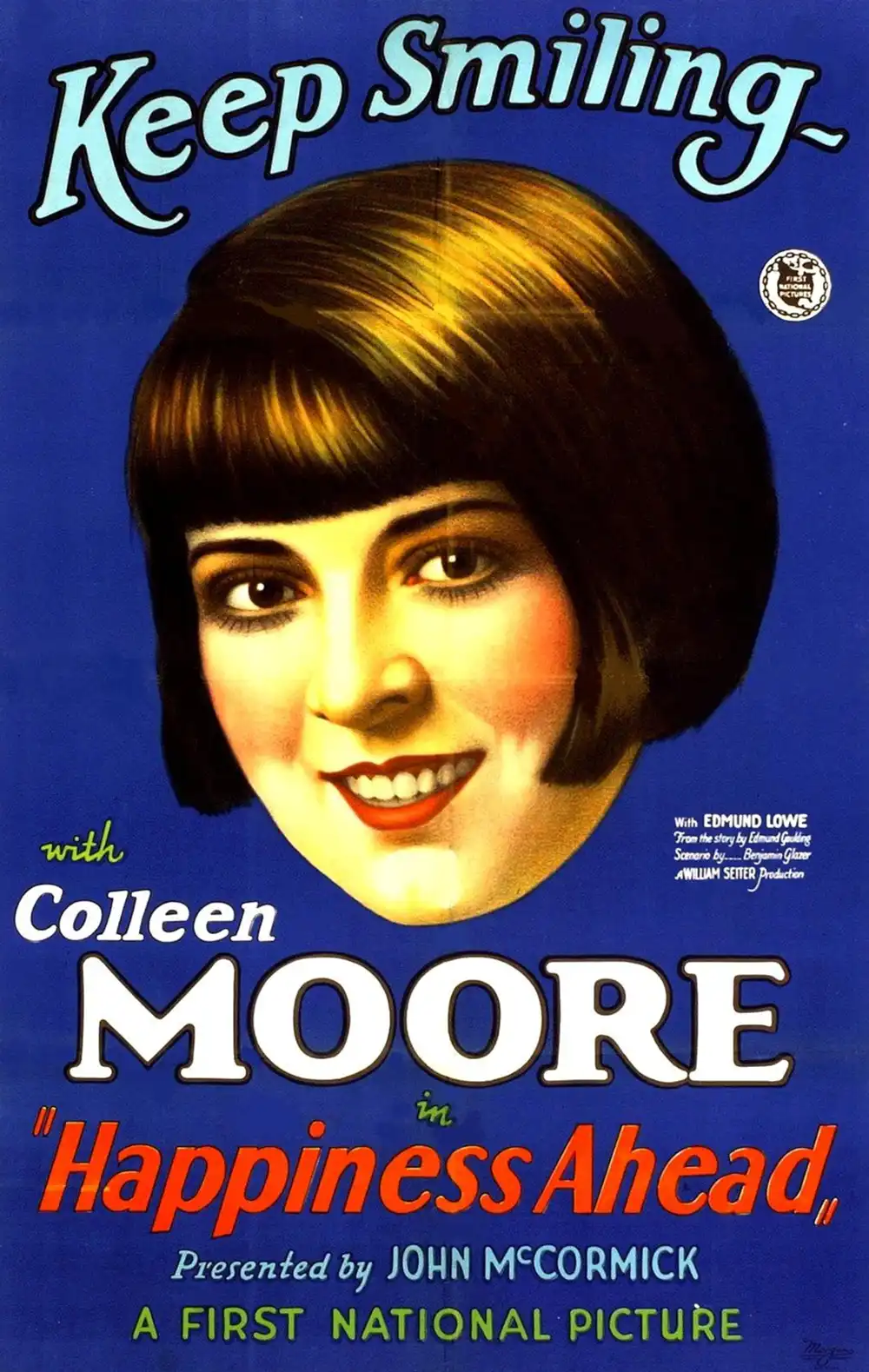
A definitive 6.2/10 rating for a film that redefined the boundaries of cult cinema. Happiness Ahead remains a cornerstone of transgressive art.
If you're after a loud, fast-paced drama, you can probably skip _Happiness Ahead_. But if you like your films quiet, with a gentle, almost **dreamy pace**, and enjoy seeing how stories unfolded in the late '20s, then yes, give this one a look. People who need constant plot twists or explosions will likely find themselves checking their watch. It’s for a very specific mood, maybe a rainy Sunday afternoon when you just want something *nice* on. 😌
The whole thing kicks off with Babe Stewart, a cardsharp, in a bit of a pickle. His partner, also his mistress Kay, played by Lilyan Tashman, is absolutely fuming. You feel her anger, but it's that sort of glamorous, old-Hollywood fury. Not quite real, but definitely *loud*.
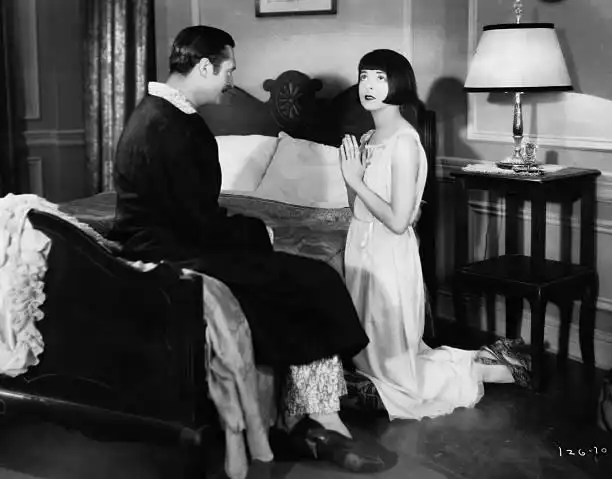
Babe, played by Edmund Lowe, just kind of slinks away from this mess. He heads upstate, to a quiet little town that feels miles away from the city's frantic energy. You get the sense he’s not so much _hiding_ as he is taking a long, inconvenient vacation. The scenery really sells that escape feeling, actually. Trees, simple storefronts, a slower rhythm.
It's there he bumps into Mary, played by Colleen Moore. She's the hardware store owner's daughter, and she's just **radiant** with this sort of honest, small-town charm. The contrast between her simple world and Babe's shady past is, well, pretty obvious, but it works.
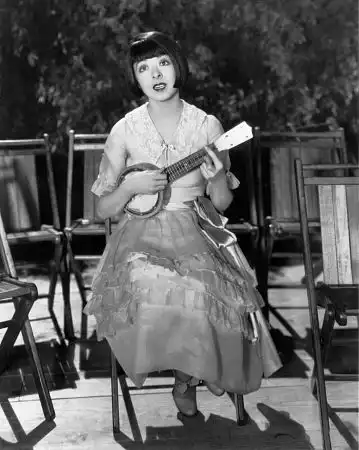
Their courtship is quick, as these things often are in older films. One minute they're meeting, the next they're sharing glances, and then suddenly, they're tying the knot. It almost feels like a montage, even when it isn't. You can almost feel the movie trying to convince you this moment matters, and sometimes it doesn't quite stick the landing for *why* they're so deeply in love so fast.
There's a scene in the hardware store where Mary is just tidying up, humming a bit. It’s so quiet, you can practically hear the dust motes dancing in the sunlight. Babe watches her, and in that moment, for him, it seems like everything else just fades away. Like, _really_ fades away.

After they marry, they head back to New York City. This is where things get a bit… complicated, or at least, the film *tries* to make them complicated. Babe's old life, naturally, isn't quite done with him. Kay is still around, lurking, and you just know she's going to stir up trouble.
The pacing, sometimes it just drifts. You get a few moments where a conversation lingers just a *bit* too long, or a character stares off into space, and you wonder if they forgot their lines. But then, that's part of its charm, I suppose. It feels less like a manufactured product and more like a captured moment.
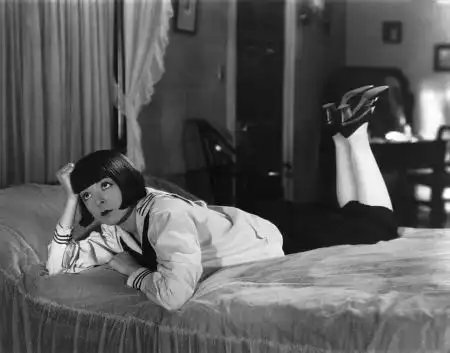
Colleen Moore has a way of making Mary feel genuinely innocent without being _dumb_. She carries this hopeful glow through the whole movie, even when things start to get a little rocky. Her performance is the real anchor, keeping you invested in this very simple premise.
Edmund Lowe, as Babe, plays the cardsharp with a sort of weary charm. He's not a bad guy, really, just a guy who made some questionable choices. He’s got this particular way of looking at Mary, like she's something fragile he's not quite sure he deserves. It's a nice touch. You can see the internal conflict, or at least, the attempt at it.
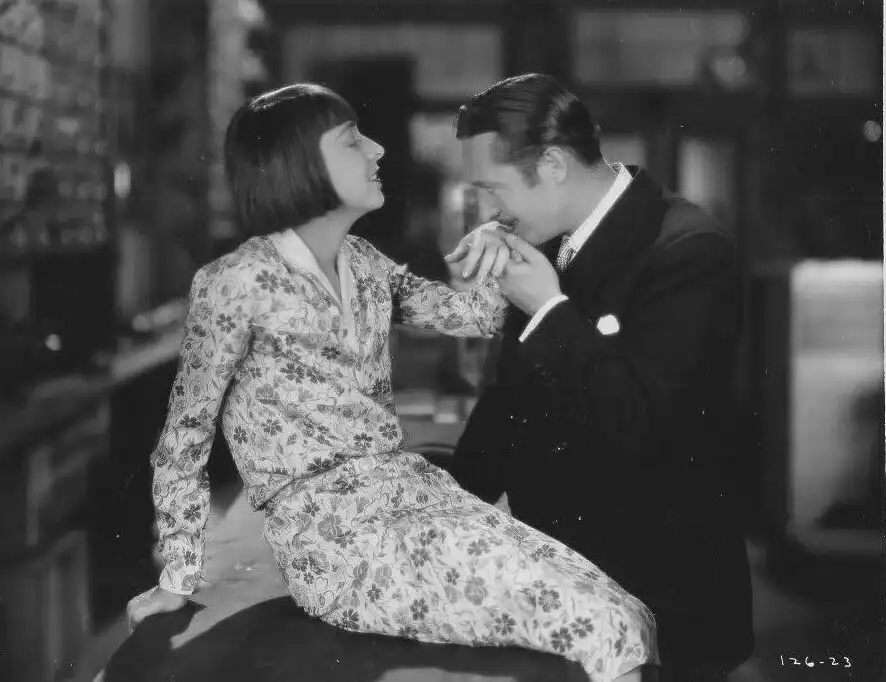
The film isn't trying to be deep. It's not trying to explore profound themes or challenge societal norms. It’s just telling a story about a guy trying to outrun his past and maybe find something better. And in that, it mostly succeeds. It doesn't _overthink_ itself, which is actually quite refreshing.
There's a moment when Babe is trying to set up a new life, and the camera just focuses on a stack of neatly arranged ties in his new apartment. It’s such a small detail, but it speaks volumes about his desire for order, for a fresh start. These little visual cues are what stay with you.
The dialogue is very much of its era. A little formal, a little melodramatic at times, but delivered with sincerity. You hear phrases that aren't common today, and it adds to the whole **time capsule** feel of the picture. Like when someone exclaims "For goodness sake!" 🧐
Ultimately, Happiness Ahead isn't a film you'd put on a 'must-see' list for everyone. But for those who appreciate the quiet earnestness of early talkies, and don't mind a story that unfolds at its own gentle pace, it offers a sweet, if predictable, journey. It’s a bit like finding an old, faded photograph – not spectacular, but it holds a certain warmth.
IMDb —
1925
Community
Log in to comment.