DbcultAccessing Vault...
Cult Review
Senior Film Conservator
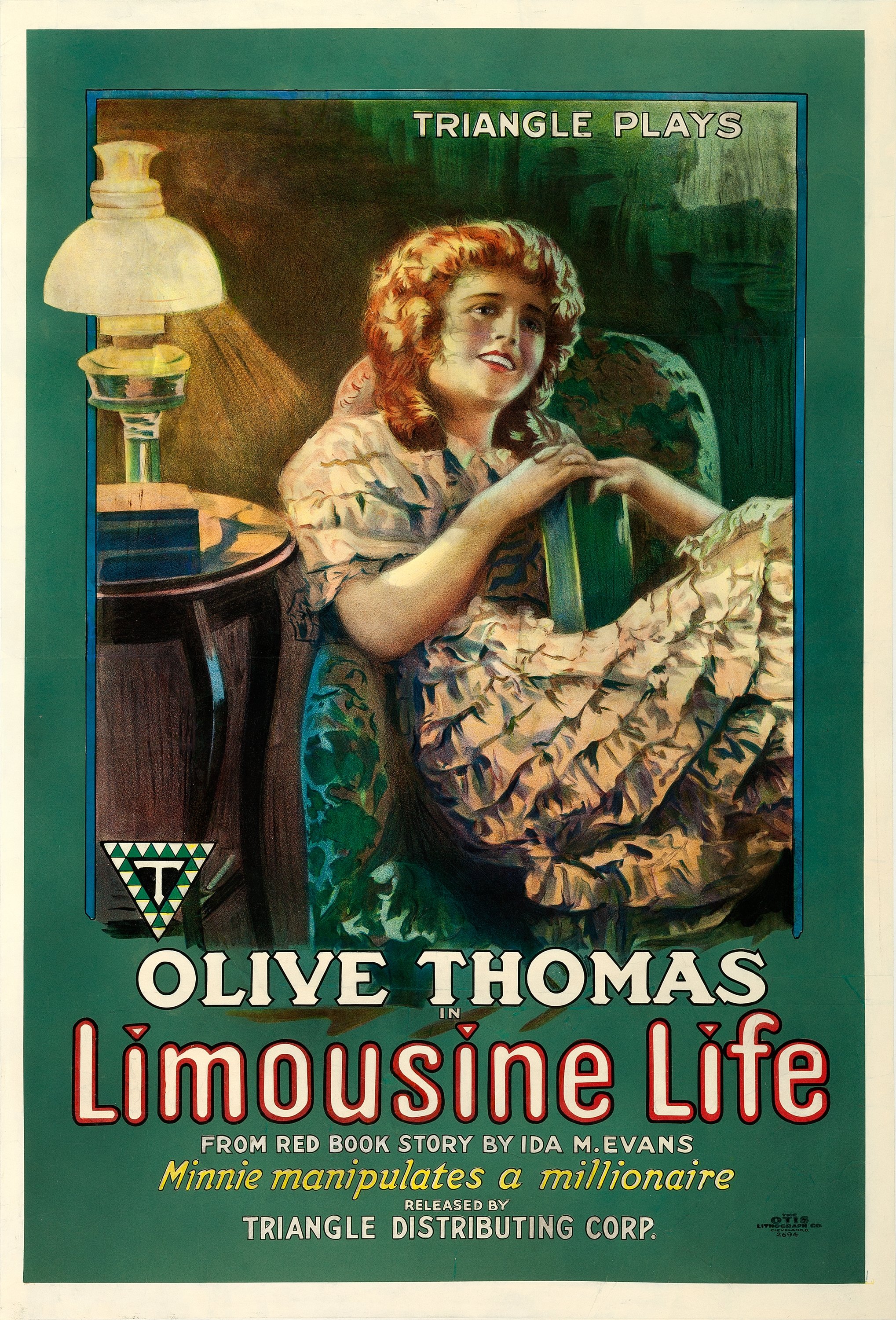
Limousine Life (1926) is a frothy concoction of slapstick and social critique that feels both archaic and oddly modern in its dissection of how charm can be weaponized in urban environments. Directed with a wink by Jack Cunningham and Ida M. Evans, the film positions itself as a cousin to Sweet Kitty Bellairs (1919), yet diverges with a sharper satirical edge. Virginia Foltz, as Éclat, radiates a kind of unassuming magnetism—her innocence is less a virtue than a blank canvas for the city’s graffiti of vice. The script leans into the era’s love for visual gags: a typist with a paper jam, a pie aimed at a smug banker, a puppet show parodying the protagonist’s misfortunes. These set pieces are not mere fillers but deliberate metaphors for the mechanical cruelty of modernity.
The film’s opening sequence is a tour de force of silent-era ingenuity. Éclat’s village is rendered in sepia-toned stillness—children chasing a goat, a blacksmith hammering a horseshoe—until the camera whirs into the city, its colors suddenly electric. The transition is jarring, a visual cue that the city is a carnival where the rides are rigged. Jules Friquet’s character, Marcel, is the quintessential urban predator, his gestures a mix of charm and calculation. His first interaction with Éclat—a handshake that turns into a handclasp—sets the tone: the city will flatter you to death.
What makes Limousine Life endure, despite its quaint aesthetic, is its subversive undercurrent. The film never vilifies the city; instead, it critiques the naivety of those who believe they can outwit it. Éclat’s transformation from a girl selling handkerchiefs to a cabaret singer in fishnets is less a moral downfall than an economic one. The writers, Cunningham and Evans, infuse the narrative with a proto-feminist lens: Éclat isn’t a victim but a participant in her reinvention. A scene where she negotiates her fees with a lecherous producer—waving a contract like a magic wand—is both hilarious and haunting. It’s a moment that would make Olive Thomas, who plays the producer’s conniving secretary, proud.
The supporting cast deserves a standing ovation. Lottie De Vaull, as Éclat’s long-suffering landlady, steals every scene with her deadpan reactions to the chaos. Her face when Éclat returns home with a suitcase full of moth-eaten gowns is a masterclass in underplayed emotion. Meanwhile, Lillian Langdon’s turn as a rival performer—a Carmen-like figure in fringed tights—is a reminder of how silent films used dancers to convey narrative. Her duet with Éclat in a nightclub scene is a silent ballet of one-upmanship, set to a syncopated score that mimics a heartbeat.
Technically, the film is a marvel of its time. The use of double exposures to depict Éclat’s fractured psyche during a pivotal party scene is ahead of its era. The color tinting—soft blues for memories, fiery oranges for danger—is applied with the precision of a painter. Even the intertitles, often dismissed as mere exposition, are poetic. One reads, “The city is a stage where the audience is the set,” a line that could serve as the film’s thesis.
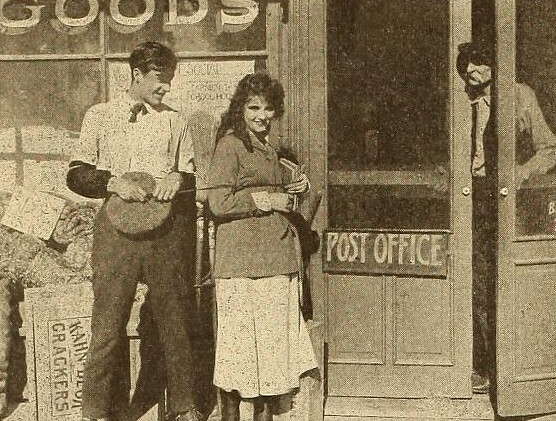
Limousine Life’s themes resonate with modern viewers. The film’s exploration of consumerism and identity mirrors the critiques found in later works like After Death (1925), though with a lighter touch. It’s a film that understands the city as both a character and a crucible. The climax, where Éclat outwits her manipulators with a well-timed pratfall, is a subversive punchline. She doesn’t reject the city but learns to navigate it on her terms. This nuanced take on assimilation and survival elevates Limousine Life from a mere comedy to a cultural artifact.
For cinephiles, the film’s value lies in its contradictions. It’s simultaneously a period piece and a timeless satire, a cautionary tale wrapped in mirth. The final scene—a close-up of Éclat smiling at her reflection, a gold tooth glinting—is a testament to the resilience of the human spirit. It’s a moment that invites comparison to the ending of Sold (1919), though Limousine Life ends on a note of triumph rather than tragedy.
If there’s a flaw, it’s that the film occasionally veers into the saccharine, particularly in subplots involving Alberta Lee’s idealistic social worker. Her scenes, while well-intentioned, feel like a detour from the main narrative. Yet, even these moments are executed with such charm that they’re easily forgiven.
In an age where streaming algorithms prioritize predictability, Limousine Life is a reminder of cinema’s radical potential. It’s a film that rewards repeat viewings, each time revealing new layers of wit and wisdom. For those curious about silent film’s satirical traditions, this is a must-watch. Just be prepared to laugh while contemplating the cost of urban survival.
For further reading, explore The Soul of a Child for another take on innocence lost, or Sweet Kitty Bellairs for a similar comedic tone.
IMDb 5.8
1921
Community
Log in to comment.