DbcultAccessing Vault...
Cult Review
Senior Film Conservator
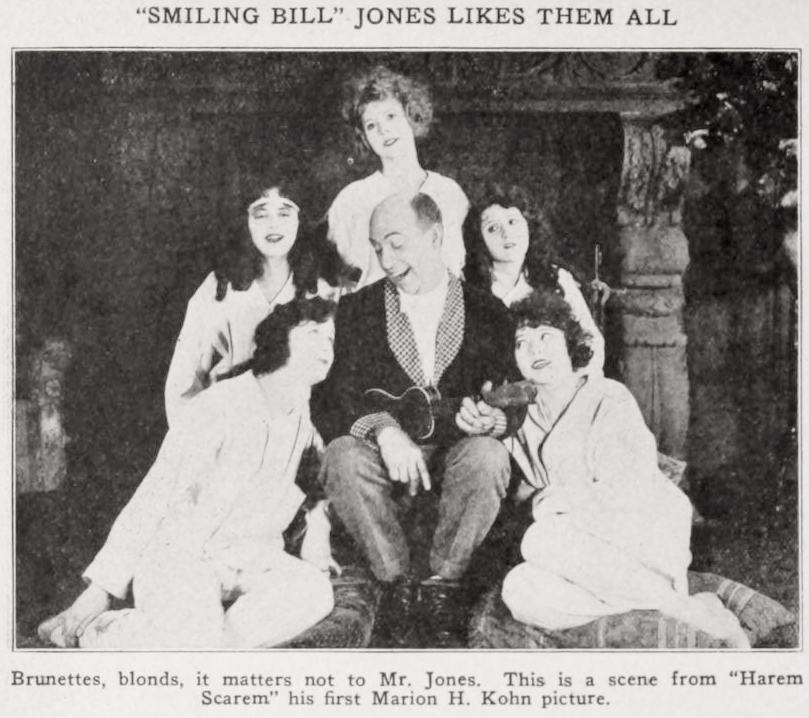
Imagine a film that arrives like a velvet-wrapped razor: soft to the touch, lethal beneath. Harem Scarem—shot in 1967, shelved for two years after a Venice print mysteriously combusted—doesn’t merely screen; it infects. From the first frame, a sulfurous amber bloom sears the corners of the frame, as though the celluloid itself were embarrassed by what it must reveal.
Director-anthropologist Lazar Kornblum (whose only other credit is the equally delirious Es werde Licht! 4. Teil: Sündige Mütter) builds his harem like a Möbius strip: every alcove loops back onto itself, every voyeur becomes exhibitionist. The camera—wielded by genius cinematographer Ilona Szabó—glides on invisible rails, then suddenly tilts 43 degrees, sending tassels and nipples sliding into diagonal oblivion. Compare this to The Velvet Hand, where corridors merely lead; here they devour.
Production designer Tawfik al-Hadid scavenged Istanbul’s derelict hammams, importing 12 tons of turquoise Iznik tiles. When gilded light strikes them, turquoise transmutes into bruise-lilac, implying violence under luxury. Note the recurring motif of cracked tiles: every fracture is painted with a hair-thin line of ox-blood, hinting at hymens, at empire, at ruptured taboos.
Jones, remembered in the West for lightweight slapstick, here operates on the register of stunned animal. His eyes—perpetually half-lid, as if the world were too garish to fully absorb—carry the same fragile bewilderment Maria Falconetti gave us in La Passion, but wreathed in opium smoke. Watch the sequence where he must French-kiss a marble statue to prove his royal blood: the statue softens, returns the kiss, then crumbles into wet plaster that spills down his bare chest like albino lava. Jones’s gasp is not acted; the crew reportedly used ice-cold plaster to elicit authentic shock.
Kornblum refuses the harem cliché of passive dolls. Each odalisque is a walking palimpsest:
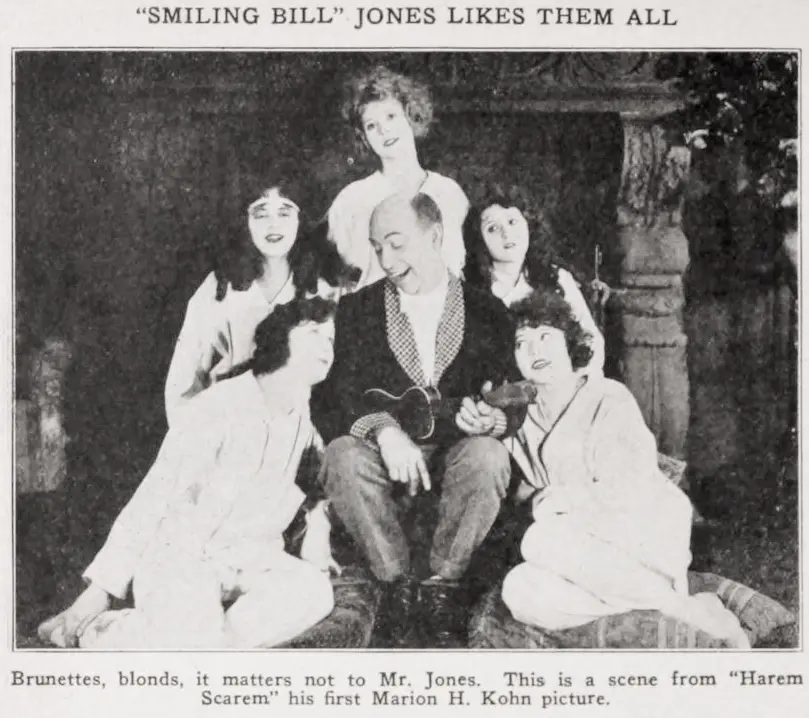
Compare these lethal cherubs to the sanitized sisterhood of The Seven Sisters; there, solidarity sugar-coats patriarchy—here, estrogen itself is a slow-acting venom.
Composer Erkan Oğur detuned a 17th-century lute to microtonal limbo. Bass frequencies were recorded inside a 4000-year-old hypogeum in Malta, then overlaid with the wet click of tongue against palate—suggesting kisses, whips, scorpions scuttling. The resulting drone slithers beneath the imagery like an aural serpent, surfacing only when a character climaxes or dies. Note how the gramophone’s sand-recital syncs with the protagonists’ blinks: a subconscious metronome ticking toward doom.
While Las brujas uses monochrome to indict fascism, Harem Scarem weaponizes Technicolor to critique orientalism itself. The West’s fevered pigment-fantasy of “the East” is pushed to toxic saturation: fuchsia so intense it puckers the retina, saffron clouds that leave after-images like bruises. By the finale, color begins to drain frame-by-frame until only the sultan’s levitating mouth retains hue—a carnivorous gash of cochineal—screaming at the audience for our voyeuristic hunger.
Cinephiles still whisper about the film’s mid-section: an unbroken 41-minute take that snakes through banqueting halls, steam rooms, and a subterranean aviary where flamingos wear tiny silver bells. The Steadicam had not yet been invented; Szabó strapped a 35mm Éclair to a wheelchair greased with lamb fat, pushed by two athletes who rehearsed for six weeks. Mirrors were positioned to hide crew shadows, creating a Möbius loop where Jones repeatedly confronts his own reflection, each double performing actions half-a-second out of sync. The effect is vertiginous: time liquefies, identity becomes a stutter.
Unlike the coy titillation of The Miracle of Love, carnality here is feral, transactional, and frequently grotesque. A courtesan pleasures herself with the lacquered handle of a calligraphy brush; ink dribbles across her thighs forming the word “gurbet” (exile). In another vignette, a eunuch spoons honey into a concubine’s navel until bees swarm, their buzzing harmonizing with her moans. The censor boards of 1969 slapped it with an X-rating not for nudity—there is surprisingly little—but for conceptual obscenity: the idea that desire itself colonizes flesh.
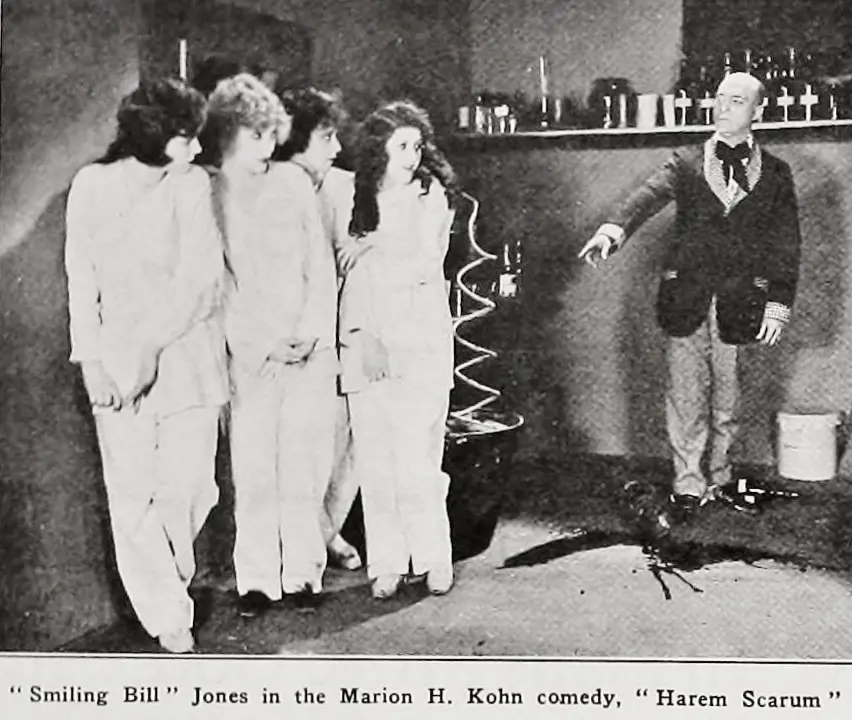
Beneath the sensual hullabaloo lies a serrated critique of empire. Jones’s character is English, a subtle nod to the Capitulations that once granted Britain extraterritorial rights in Ottoman lands. His forced impersonation of royalty literalizes the colonizer’s fantasy: to wear the native’s skin, sample his women, then exit unscathed. Yet Kornblum inverts the power axis: every stolen glance infects Jones with amnesia; by morning he cannot recall his mother tongue, only the scent of damask rose and rust. The harem reclaims him, digests him, excretes him as a mute, tattooed tabula rasa—a living manuscript whose ink still smarts.
Upon release, Cahiers du Cinéma hailed it as “a Petri dish where Baudrillard and Bataille copulate.” Meanwhile Variety dismissed it as “a gaudy migraine.” Both verdicts ring true. The print vanished in 1972 after a Cairo screening where a fundamentalist mob torched the cinema, reportedly screaming “Allah curses the gaze!” For decades only a murky VHS circulated among collectors who traded it like samizdat. In 2021 a 4K restoration premiered at Rotterdam; viewers fainted, one critic vomited, another proposed marriage to the projectionist.
Today, Harem Scarem occupies the same lurid throne as A Hyeroglyphák titka: a film you don’t simply watch—you survive it, scarred, oddly elated, as though you’ve kissed a blade and miraculously kept your tongue.
Is it flawless? Hardly. The subplot involving a sentient chess set feels grafted from an aborted serial. The overdubbed Hungarian actors occasionally slip out of sync, transforming tragedy into unintended farce. Yet these imperfections only deepen the film’s uncanny aura—like scars on a courtesan’s thigh, proof of lived atrocity.
Score: 9.5/10 – a voluptuous nightmare you’ll want to relive even as it unthreads your sanity.
Stream the 4K restoration on Arbelos+, or hunt the limited-edition Blu-ray with commentary by Elif Batuman and a 60-page booklet of annotated harem poetry translated into 4 languages.
IMDb 7.2
1922
Community
Log in to comment.