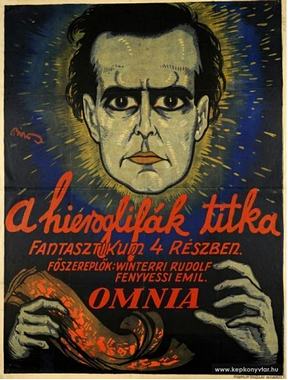
Spoiler-rich excavation below; enter with lantern and lockpick. There are films you watch, and then there are films that watch you back. A Hyeroglyphák titka belongs to the latter coven. Shot on orthochromatic stock so thin it might have been peeled from a moth wing, this Hungarian hallucination from 1918 has miracu...

Comparing the cinematic DNA and archive impact of two defining moments in cult history.
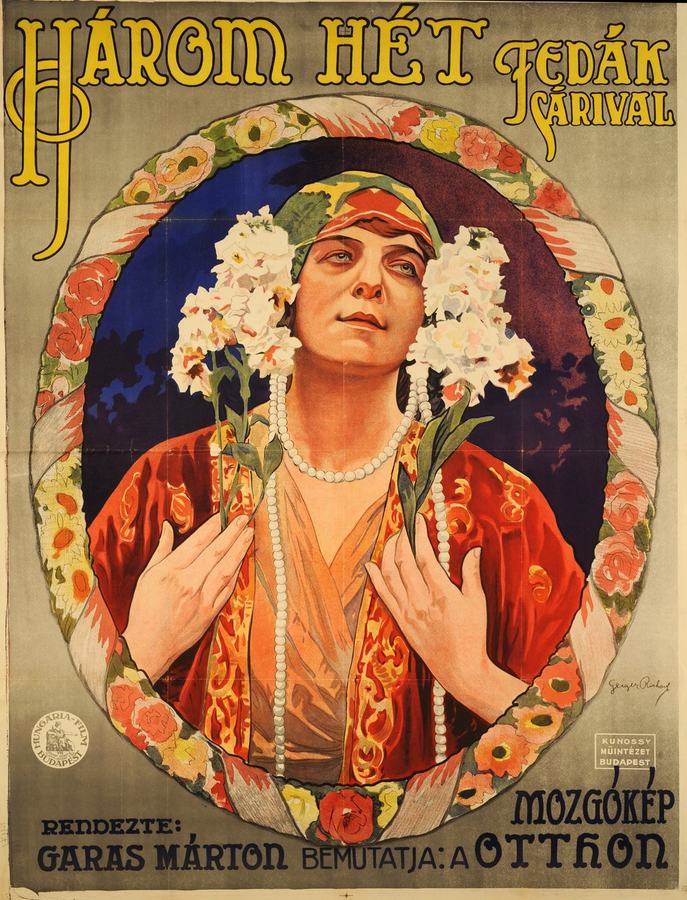
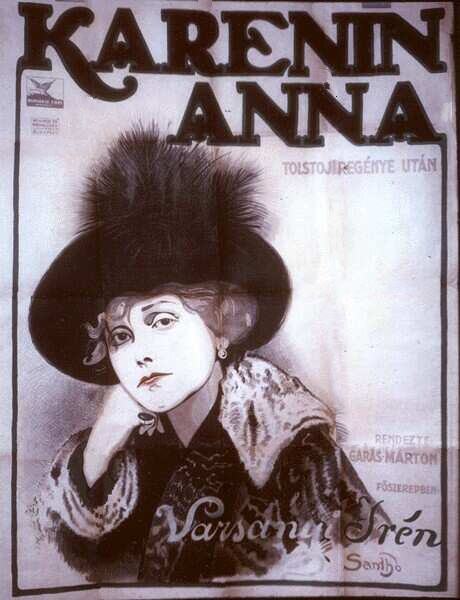
Márton Garas
Márton Garas
Community
Log in to comment.
" Spoiler-rich excavation below; enter with lantern and lockpick. There are films you watch, and then there are films that watch you back. A Hyeroglyphák titka belongs to the latter coven. Shot on orthochromatic stock so thin it might have been peeled from a moth wing, this Hungarian hallucination from 1918 has miraculously survived the twin crematoria of war and neglect, and it arrives like a black-market relic irradiated with forbidden magnetism. The City as Codex Director István Lázár—bare..."
Deep dive into the cult classic
Discover similar cinematic experiences
A Directorial Spotlight on Márton Garas