DbcultAccessing Vault...
6.3/10
Senior Film Conservator
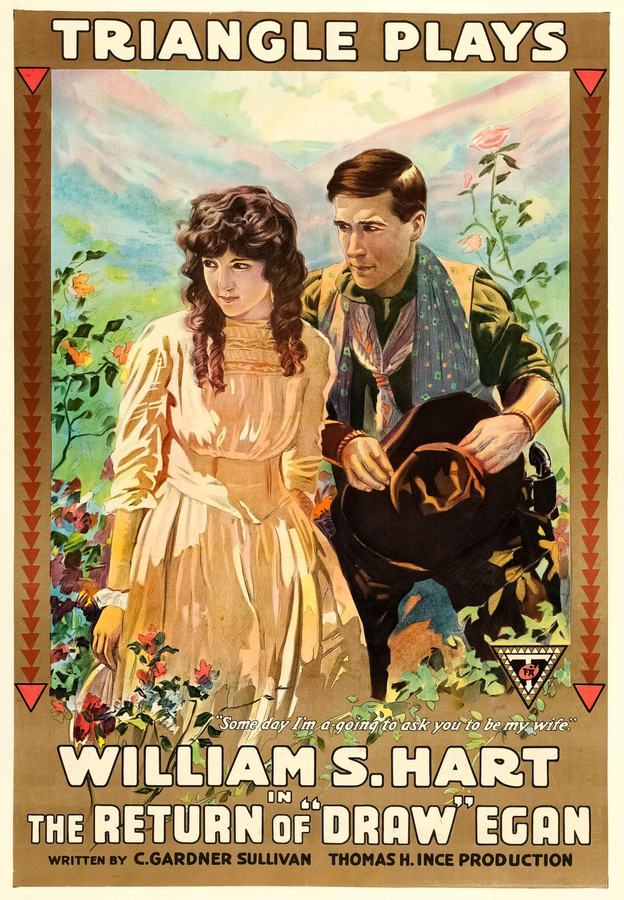
A definitive 6.3/10 rating for a film that redefined the boundaries of cult cinema. The Return of Draw Egan remains a cornerstone of transgressive art.
Ah, the silent era Western. There's a certain austere charm, a raw, unvarnished power to these early cinematic explorations of the American frontier that often gets overshadowed by the grander, more talkative epics that followed. But to overlook films like The Return of Draw Egan would be to miss a vital chapter in the genre's evolution, a profound and surprisingly nuanced character study cloaked in the rugged aesthetics of the Wild West. This isn't just a tale of good versus evil; it's a deep dive into the human capacity for transformation, the crushing weight of a sullied past, and the redemptive power of a genuine second chance.
At the heart of this compelling narrative stands William S. Hart, an icon whose very presence defined the 'good-badman' archetype long before it became a cinematic trope. Hart, as the eponymous "Draw" Egan, embodies a character teetering on the brink. We meet him not at the height of his villainy, but in its twilight, a man whose empire of lawlessness has crumbled, leaving him isolated and hunted. The opening scenes paint a desolate portrait: a solitary figure, haunted by a thousand-dollar bounty, seeking solace in the bottom of a glass. This isn't the romanticized bandit; this is a man at rock bottom, stripped of his power, facing an existential crisis. It’s a powerful setup, immediately inviting empathy rather than judgment, a testament to Hart’s ability to imbue even his most villainous roles with a profound sense of inner conflict.
The fortuitous encounter with Matt Buckton (J.H. Gilmour), a beacon of civic responsibility from the aptly named Yellow Dog, serves as the narrative's crucial turning point. Yellow Dog, a town metaphorically mirroring Egan's own moral wilderness, is overrun by the very lawlessness Egan once championed. Buckton, in his desperate search for a strong hand to rein in the chaos, observes Egan's almost effortless dispatch of a saloon bully. This moment, swift and decisive, devoid of grandstanding, speaks volumes. It's not the outlaw's reputation that impresses Buckton, but the quiet, undeniable efficiency of his actions. This observation leads to the audacious offer: shed the skin of Draw Egan and assume the identity of Sheriff William Blake. It's a proposition fraught with peril, a Faustian bargain with destiny, yet for Egan, it represents a glimmer of hope, a potential path to absolution. This transformation isn't just a plot device; it's the very soul of the film, echoing themes of personal renewal that resonate in other narratives of the era, much like the journey of self-discovery found in The Spirit of the Poppy, where characters grapple with internal demons to emerge transformed.
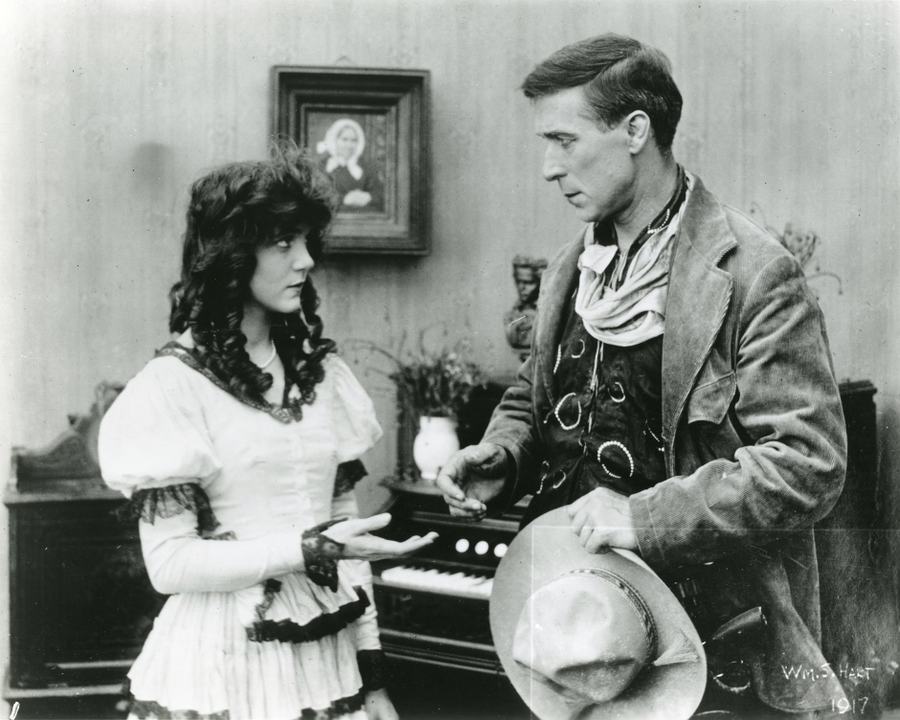
As William Blake, Egan embarks on the challenging task of civilizing Yellow Dog. Hart's portrayal here is masterful; his stoic demeanor, often mistaken for impassivity, belies a simmering intensity. He doesn't just enforce the law; he embodies it, a quiet force of nature that gradually, systematically, brings the town's unruly elements to heel. The transformation of Yellow Dog under Blake's steady leadership is palpable, a testament to the power of a single individual's commitment to justice. Respectable citizens, once cowering, begin to reclaim their streets, their voices. This period of peace, however, is fragile, built upon a foundation of secrecy and a carefully constructed lie. The film brilliantly explores the inherent tension between the desire for a new life and the inescapable shadow of one's former self.
The blossoming romance between William Blake and Myrtle Buckton (Margery Wilson) adds another layer of emotional complexity. Myrtle represents purity, hope, and the very future Egan yearns for. Her affection is a powerful anchor, a tangible reward for his efforts, making the impending threat to his new identity all the more devastating. It’s a classic Western trope, perhaps, but handled with a sincerity that elevates it beyond mere cliché. The quiet moments shared between them, conveyed through subtle glances and gestures – the language of silent film – speak volumes about the depth of their connection and the stakes involved in Blake’s precarious existence.
The arrival of Oregon Joe (Robert McKim), one of Egan's former gang members, shatters this fragile idyll. Joe is not merely an antagonist; he is the living embodiment of Egan's past, a malevolent mirror reflecting the life Egan desperately seeks to shed. Joe's blackmail is insidious, a slow poison that gradually erodes Blake's authority and peace of mind. Hart expertly conveys Blake's internal torment: his submission to Joe's insults, his inability to act, not out of cowardice, but out of a profound fear of losing everything he has built, everything he has become. This struggle mirrors the moral quandaries faced by protagonists in other films grappling with past sins, such as the characters navigating difficult choices in The Morals of Marcus, where societal expectations clash with personal codes.
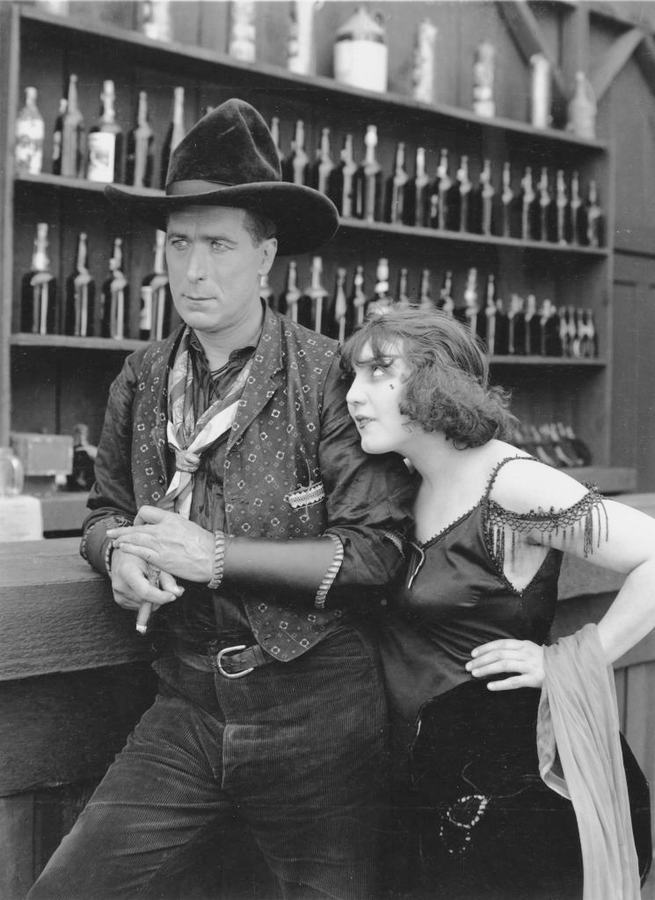
The film reaches its emotional crescendo when Yellow Dog, once again, descends into chaos, pushed to the brink by Oregon Joe and his newly emboldened toughs. The respectable citizens face expulsion, and Blake is forced to confront the ultimate decision. His 'manhood asserts itself,' as the plot summary eloquently states, signaling a pivotal shift. This is not merely about physical courage, but moral fortitude. In a moment of raw, vulnerable honesty, Blake confesses his past to the very community he has sworn to protect. It's a breathtaking act of self-immolation, an admission that risks everything, yet ultimately liberates him. This confession is the true 'return' of Draw Egan, not to his former life of crime, but to an authentic self, one that has reconciled with its past and chosen a path of integrity. It's a powerful moment of catharsis, both for the character and for the audience, reminiscent of the dramatic revelations and moral reckonings found in intense character dramas like Jealousy, where hidden truths come to light with profound consequences.
The subsequent confrontation is pure Hart: swift, uncompromising, and imbued with a sense of righteous fury. The ex-bandit, now fully unleashed as Sheriff William Blake, cleans house with a ferocity born of desperation and newfound moral clarity. Oregon Joe meets his 'just reward,' a satisfying conclusion for a villain who personified the protagonist's gravest fears. The action sequences, while typical of the era, are effective in conveying the stakes and Hart’s physical prowess. Yet, it's the emotional weight behind the violence that truly resonates, transforming what could be a simple shootout into a profound act of self-definition.
The resolution of The Return of Draw Egan is perhaps its most poignant and enduring aspect. Blake, having fulfilled his promise, surrenders, prepared to face the consequences of his past. But the citizens of Yellow Dog, witnessing his genuine transformation and heroic efforts, choose to extend a radical form of grace. The delegation, including Myrtle, greets him with the assurance that "Draw Egan has ceased to exist" and that "Yellow Dog only recognizes Sheriff William Blake." This isn't just forgiveness; it's a collective act of identity affirmation, a communal rewriting of history that allows a man to truly escape his past. It's a powerful statement on the nature of redemption, suggesting that true absolution comes not just from within, but from the acceptance and belief of one's community. This theme of societal acceptance and transformation, though perhaps in a more urban context, can also be observed in films like The Regeneration, where a protagonist seeks to break free from the shackles of their environment and past associations.
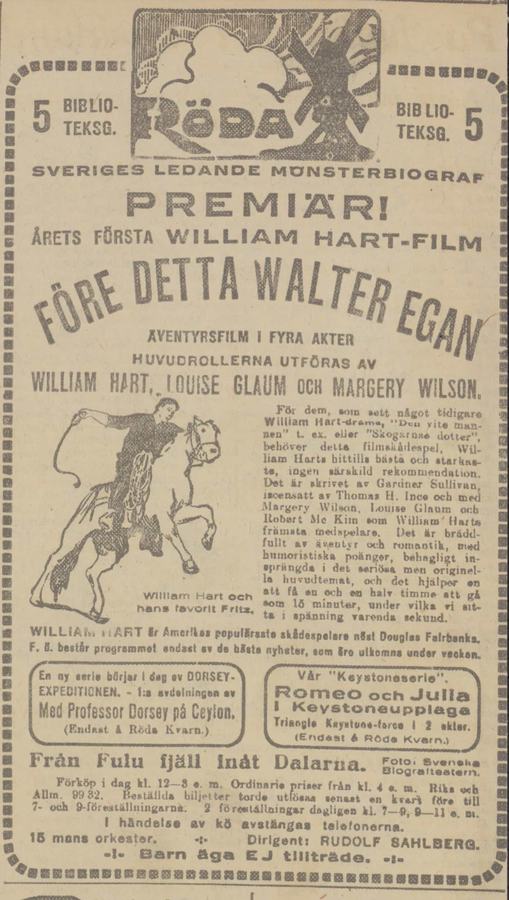
C. Gardner Sullivan's screenplay is remarkably sophisticated for its time, weaving a narrative that prioritizes character development and moral complexity over simplistic heroics. The pacing, typical of silent films, allows for moments of quiet contemplation, letting Hart's expressive face and body language convey the intricate emotional landscape of his character. Director William S. Hart (who also directed himself in many films, though the plot description here attributes writing to Sullivan) masterfully crafts a visual world that feels authentic and lived-in, capturing the stark beauty and harsh realities of the frontier. The supporting cast, including Florence La Badie, Aggie Herring, and Robert Vaughn, provide solid performances that anchor Hart's central tour-de-force.
In an era when Westerns were often synonymous with simplistic action and clear-cut heroes and villains, The Return of Draw Egan stands out for its moral depth. It challenges the audience to consider the possibility of redemption for even the most notorious figures, and the power of a community to offer true forgiveness. It's a film that asks profound questions about identity: can a man truly shed his past? Is a new name enough to forge a new self? The film's enduring answer is a resounding yes, but only through genuine effort, confession, and the grace of others. This theme of changing one's stripes, or the struggle against a perceived destiny, resonates with the quest for self-improvement or overcoming societal labels, much like a character's journey in The Quest, where personal growth is paramount.
Comparing it to other works of the period, one might find parallels in the narrative drive of adventure serials like Zigomar contre Nick Carter, in terms of sheer narrative momentum and the clash between forces of law and disorder, although Egan’s internal struggle adds a layer of complexity largely absent from such pulpier fare. Similarly, while not a Western, the dramatic stakes and choices faced by characters in historical epics like The Three Musketeers (1914), where honor and loyalty are tested, share a common thread of heroic action under duress. However, The Return of Draw Egan distinguishes itself by focusing its lens squarely on the psychological journey of its protagonist, elevating it beyond mere genre entertainment.
Ultimately, The Return of Draw Egan is more than just a historical curiosity; it's a timeless exploration of human nature, a testament to the enduring appeal of stories about second chances. William S. Hart, in one of his most iconic roles, delivers a performance that transcends the limitations of silent film, communicating a universe of emotion through his eyes and his deliberate actions. It's a powerful reminder that even in the most lawless corners of the world, the desire for decency and the hope for redemption can ignite a transformative fire. For anyone interested in the foundational myths of the American West, or simply a compelling human drama, this silent masterpiece remains an essential viewing experience, a beacon of moral storytelling from the dawn of cinema.
IMDb —
1927
Community
Log in to comment.