DbcultAccessing Vault...
6.4/10
Senior Film Conservator
A definitive 6.4/10 rating for a film that redefined the boundaries of cult cinema. Harmonies de Paris remains a cornerstone of transgressive art.
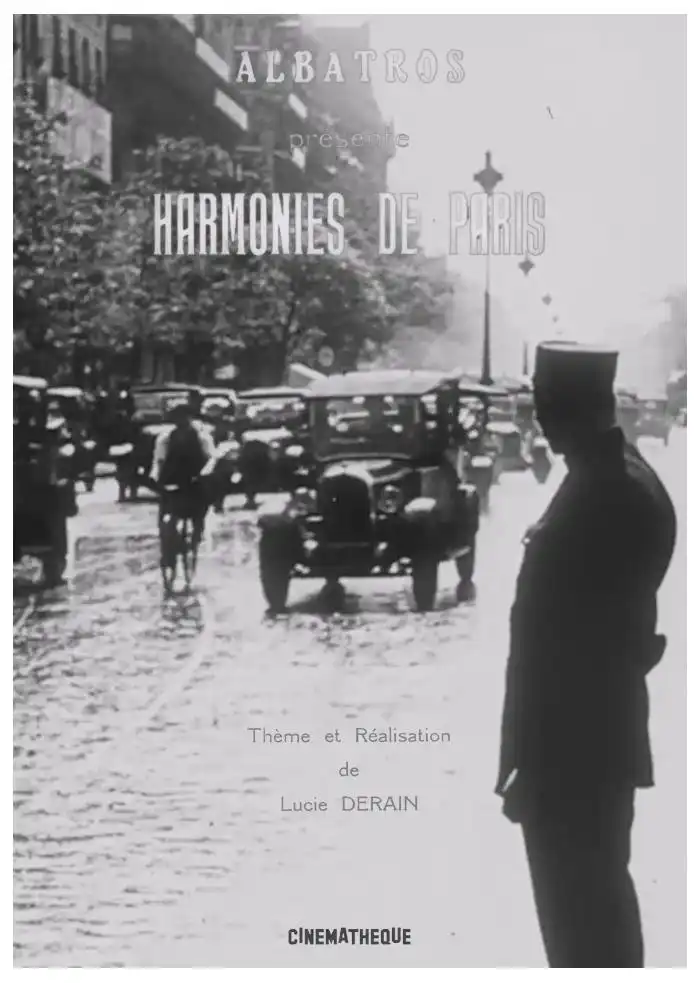
Alright, so you’re thinking about watching Harmonies de Paris. Is it worth your time today? If you've got a soft spot for really old movies, especially silent ones that just *show* you a place, then yeah. It’s a neat trip. People who love Paris, or just history buffs, will probably find it charming. But if you’re looking for a plot, or anything fast-paced, you’re gonna be bored stiff. Like, really bored.
It starts big, you know? Like, Notre Dame just sitting there, grand. Then the Arc de Triomphe. Very classic postcard stuff, but it's filmed with that old-timey feel. You can almost feel the chill in the air from nearly a hundred years ago. It’s cool how some things just don’t change, even if everything around them does.
The film sort of glides from one landmark to another. Les Invalides, then the Opera House. It’s not a frenetic pace, more like a slow stroll. You see the streets, some old cars puttering along. It’s less about information and more about just soaking it all in. The Louvre makes an appearance, looking pretty grand, maybe less mobbed then now, which is a nice thought.
The Metro section is actually pretty cool. You see the trains rumbling, the platforms. It’s a quick sequence, but it gives you a real feel for the city’s underground pulse. How people moved around. The light in those tunnels feels very... *of its time*.
Then we get to the Seine. This bit lingers a fair bit. Barges, lots of them. Unloading coal, it looks like. It’s honest, hardworking stuff. Maybe a little long, if I'm being honest. You get the idea after a couple of minutes, but it just keeps going. Still, it shows you a different side of Paris, the working heart, not just the tourist spots.
Lucie Derain, who made this, she really put her stamp on it. It feels like she’s showing *her* Paris. The city she knew. It’s a very personal sort of documentary, even without any talking. Just pure observation.
There are these quick flashes of other work too. People doing... well, just daily chores, I guess. It’s easy to overlook these tiny moments. A baker, maybe. A glimpse of someone just sweeping a street. They're quick, but they stick with you, the small gears turning in the big city machine.
And then, suddenly, night falls. Pigalle-Montmartre. Boom. Whole different vibe. Lights, shadows dancing. It feels a bit more mischievous, you know? A complete shift from the daytime scenes. Like the city just lets its hair down. It’s a nice way to end, with that burst of nighttime energy.
I remember one specific shot, just a quick pan across a cafe terrace at night. You can almost imagine the hushed conversations. Or maybe I’m just projecting. But it feels real. Not staged, just captured.
It’s not a perfect film. Some bits feel a bit clunky, the camera wobbles sometimes. But that’s what makes it feel so authentic, I think. It’s not trying to be slick. It’s just trying to show you something. Like someone just took notes with a camera.
So, yeah. If you’re looking for something calm, a little historical, and you appreciate a slow pace, give Harmonies de Paris a watch. It's a cool little visual poem. 🇫🇷✨
IMDb —
1920
Community
Log in to comment.