DbcultAccessing Vault...
4/10
Senior Film Conservator
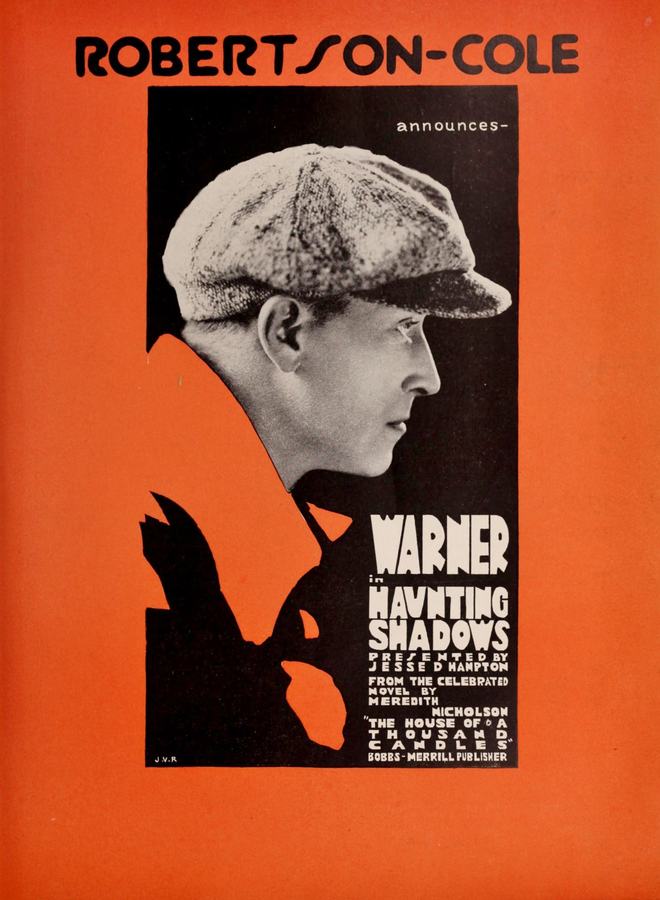
A definitive 4/10 rating for a film that redefined the boundaries of cult cinema. Haunting Shadows remains a cornerstone of transgressive art.
Ah, the allure of the old dark house! There's something inherently magnetic about a narrative spun around a grand, creaking edifice steeped in secrets and whispers of the spectral. 'Haunting Shadows,' a fascinating cinematic relic, fully embraces this trope, delivering a potent cocktail of mystery, romance, and a tantalizing dash of the uncanny. Far from being a mere genre exercise, this film crafts an intricate web of familial obligation, burgeoning affection, and a meticulously orchestrated deception that keeps the audience guessing until its final, satisfying reveal. It's a testament to the enduring power of well-structured storytelling, proving that even without the benefit of synchronized sound, a compelling plot and evocative performances can conjure a world of profound intrigue.
At its core, 'Haunting Shadows' is an exploration of human nature under duress, specifically the pressure exerted by a deceased patriarch's posthumous machinations. Young John Glenarm, portrayed with a commendable blend of skepticism and growing vulnerability by Edward Peil Sr., finds himself the unwitting pawn in his grandfather's elaborate game. The will, a document of formidable power, dictates that John must inhabit the family estate for an entire year. Should he falter, should the rumored hauntings or his own discomfort drive him away, the entire inheritance is to be forfeited to Marian Deveraux, a schoolteacher whose very presence introduces a layer of ethical complexity and romantic potential into the unfolding drama. This setup is masterful, immediately establishing high stakes and a clear conflict, but also hinting at the deeper currents flowing beneath the surface. It’s not just about money; it’s about a legacy, a test of character, and perhaps, a final lesson from beyond the grave.
The genius of the narrative, penned by Meredith M. Nicholson and Eugene B. Lewis, lies in its meticulous construction of suspense. From the moment John crosses the threshold of the Glenarm estate, the film begins to subtly, yet relentlessly, sow seeds of doubt and fear. The 'strange and unexplained events' aren't mere jump scares; they are psychological jabs, designed to unnerve and disorient. A door creaks open when no one is there, a shadow flickers in the periphery, a chilling draft sweeps through an otherwise still room. These are classic tropes, certainly, but executed here with an understated elegance that allows the audience's imagination to do much of the heavy lifting. The film understands that what we *don't* see can often be more terrifying than what we do.
Edward Peil Sr.'s portrayal of John is particularly compelling as he navigates this gauntlet. Initially dismissive, his face gradually registers the toll of the unexplained, shifting from wry amusement to genuine apprehension. It's a performance that relies heavily on subtle facial expressions and body language, a hallmark of silent cinema, and Peil Sr. delivers with aplomb. He manages to convey John's internal struggle—the battle between his rational mind and the unsettling reality of his surroundings—without a single spoken word. This internal conflict is crucial, as it grounds the more fantastical elements of the plot in a relatable human experience. We see him grappling with the very real possibility that his inheritance, and perhaps his sanity, is slipping away, all while a ticking clock looms over his head.
However, 'Haunting Shadows' is not merely a ghost story or a suspense thriller; it's also a surprisingly tender romance. The introduction of Marian Deveraux, played with captivating grace by Margaret Livingston, adds a vital emotional dimension. Marian is not just a rival for the inheritance; she embodies a different kind of wealth, one of integrity and genuine concern. As John finds himself increasingly beleaguered by the estate's 'hauntings,' his interactions with Marian become a source of solace and, eventually, profound affection. Their relationship develops organically, blossoming from initial wariness to a deep mutual respect and love. This romantic arc is beautifully integrated into the larger mystery, providing John with a powerful incentive to endure his year-long ordeal. It's no longer just about the money or proving his courage; it's about protecting a burgeoning love, a future with Marian. This emotional anchor elevates the film beyond mere genre fare, giving the audience a reason to invest deeply in John's plight beyond the superficial.
The dynamic between John and Marian is particularly effective because it introduces a moral dilemma. If John gives up, Marian inherits. But if John stays, he risks his sanity, yet secures his own future and, crucially, a future with her. This tension is palpable and brilliantly handled by the direction, which subtly emphasizes their growing bond through shared glances and moments of quiet intimacy. It’s a classic romantic trope, certainly, but executed with a sincerity that feels fresh and impactful. One might even draw a parallel to the emotional stakes present in films like Salvation Nell, where characters navigate difficult circumstances for love and redemption, though 'Haunting Shadows' wraps its romance in a shroud of mystery rather than social realism.
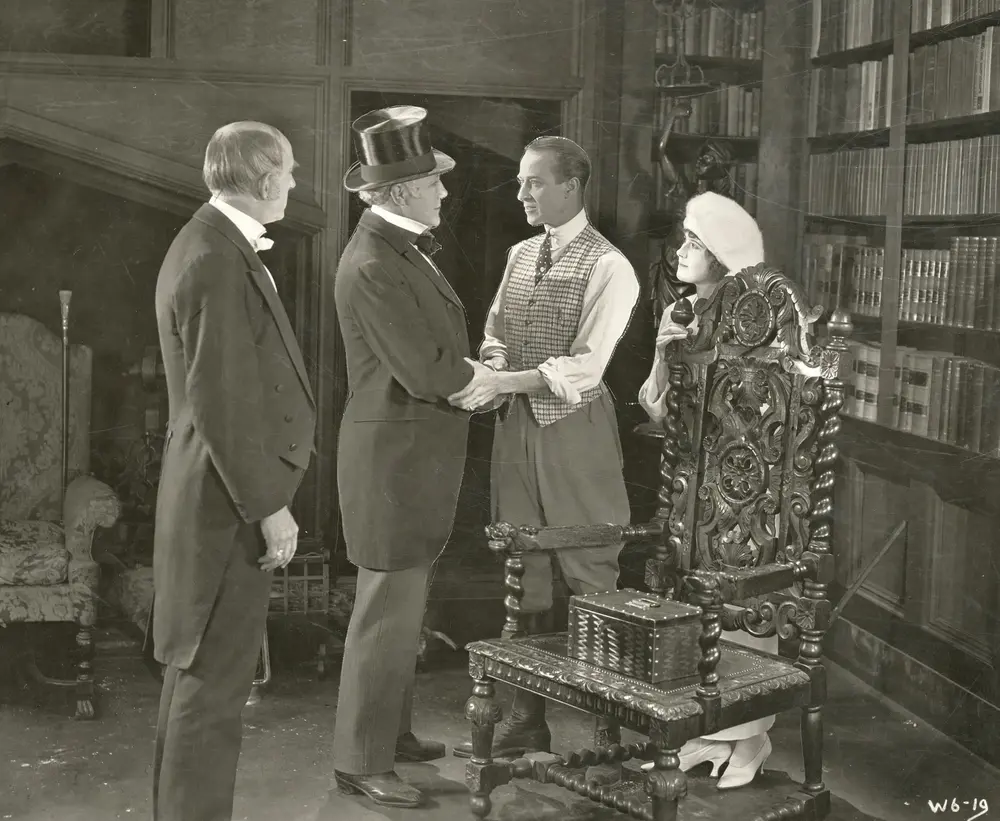
Beyond the central duo, the supporting cast provides essential texture to the narrative. H.B. Warner, a veteran of the screen, brings a gravitas to his role, subtly hinting at deeper complexities within the family's past. Florence Oberle, Harry Kendall, Frank Lanning, Charles K. French, Patricia Fox, and Charles Hill Mailes round out an ensemble that, despite the limitations of silent film, manages to create a vibrant and believable world. Each character, no matter how small, contributes to the overall atmosphere of suspicion and intrigue. The film’s ability to convey character motivation and emotional states through gesture, expression, and the judicious use of intertitles is a masterclass in early cinematic artistry.
The direction, while perhaps not attributed to a singular auteur in the modern sense for many early films, demonstrates a keen understanding of visual storytelling. The use of shadow and light, crucial for establishing mood in black and white cinema, is particularly effective. Dimly lit corridors, flickering candlelight, and the stark contrast between interior gloom and exterior daylight all contribute to the film’s palpable sense of unease. The pacing is deliberate, allowing the mystery to unfold gradually, building tension without resorting to cheap thrills. This measured approach allows the audience to fully immerse themselves in John's predicament and the eerie atmosphere of the estate. One could compare the deliberate, suspenseful build-up to the narrative structure found in films like One Hour, where time and confined spaces are used to heighten psychological tension.
The true genius of 'Haunting Shadows' lies in its final revelation. What appears to be a supernatural haunting is, in fact, a meticulously planned scheme, a testament to the grandfather's manipulative brilliance. The film deftly pivots from a tale of ghosts to a sophisticated psychological thriller, where human greed and cunning are far more terrifying than any phantom. This twist is not just a clever plot device; it's a thematic statement about the enduring power of human will, even from beyond the grave, and the lengths to which individuals will go to control others, or to secure an inheritance. The 'haunting' becomes a metaphor for the psychological burden placed upon John, a test designed to expose his character and determine his worthiness. It’s a narrative technique that prefigures many later thrillers, demonstrating that the human element, rather than the supernatural, often holds the most profound terror.
The film’s exploration of inheritance and its potential for manipulation resonates deeply. It's not just about who gets the money, but how the dead continue to exert influence over the living. This theme, while not unique, is handled with particular finesse here. The will isn't just a legal document; it's an active antagonist, shaping events and forcing characters into uncomfortable positions. This kind of external pressure, often from an unseen or distant force, can be seen in other dramas where characters grapple with forces beyond their immediate control, much like the societal pressures depicted in Motherhood, albeit with vastly different stakes.
For contemporary audiences, 'Haunting Shadows' might seem a quaint artifact, a product of a bygone cinematic era. However, to dismiss it as such would be to overlook its considerable merits. It's a film that understands the mechanics of suspense, the intricacies of character development, and the timeless appeal of a good mystery. Its blend of genres—part Gothic horror, part romantic drama, part psychological thriller—is surprisingly sophisticated for its time. It’s a foundational piece that demonstrates the early cinema’s capacity for complex narratives and nuanced emotional portrayals, without relying on dialogue.
The film serves as an excellent example of how effective storytelling can transcend technological limitations. The absence of spoken words forces a greater reliance on visual cues, exaggerated expressions, and the evocative power of atmosphere, all of which 'Haunting Shadows' employs with considerable skill. It's a reminder that the essence of cinema lies not just in what is heard, but what is seen and felt. When compared to other films of its period, like perhaps The Interloper, which also deals with external forces disrupting established lives, 'Haunting Shadows' distinguishes itself with its clever subversion of supernatural expectations, grounding its thrills in human machination.
In conclusion, 'Haunting Shadows' is more than just a historical curiosity; it's a vibrant, engaging piece of cinema that continues to resonate. It offers a compelling narrative, strong performances, and a masterful handling of suspense that rewards attentive viewing. It’s a film that subtly challenges our perceptions of reality, presenting a world where the most frightening specters are often those born of human avarice and deceit. If you have an appreciation for classic mystery, well-crafted plots, and the foundational artistry of silent film, 'Haunting Shadows' is an absolute must-watch. It's a testament to the fact that some stories, much like the shadows themselves, never truly fade away.
IMDb —
1928
Community
Log in to comment.