DbcultAccessing Vault...
6/10
Senior Film Conservator
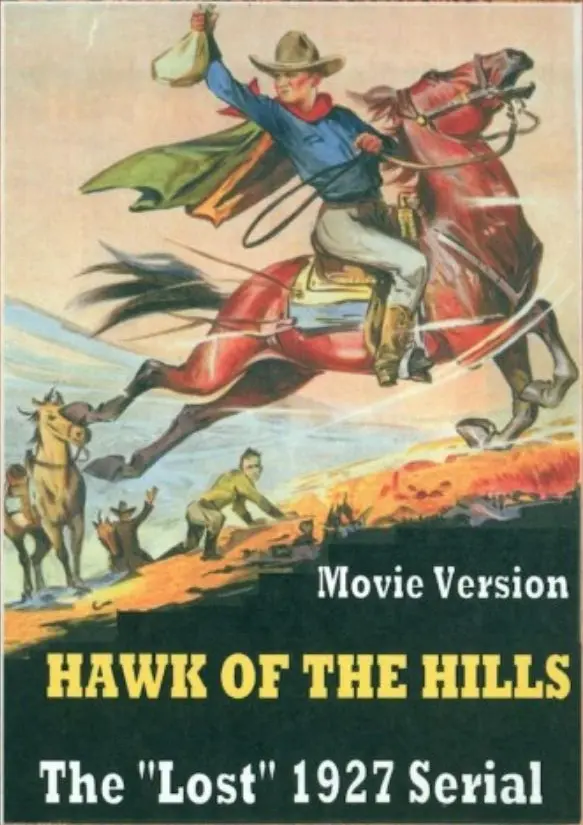
A definitive 6/10 rating for a film that redefined the boundaries of cult cinema. Hawk of the Hills remains a cornerstone of transgressive art.
Is 'Hawk of the Hills' a forgotten silent-era gem deserving of modern attention? Short answer: yes, but with significant caveats that demand a particular kind of cinematic palate.
This film is undeniably for devotees of early Westerns and historical film preservationists, offering a fascinating glimpse into genre conventions of the 1920s; it is decidedly NOT for viewers seeking nuanced character development, progressive themes, or fast-paced modern action.
This film works because of its relentless pacing, surprisingly effective stunt work, and the magnetic, if problematic, portrayal of its titular villain.
This film fails because its narrative relies heavily on racial stereotypes, a damsel-in-distress trope pushed to its absolute limits, and a general lack of character depth beyond basic archetypes.
You should watch it if you possess a keen interest in the evolution of the Western genre, appreciate the raw energy of silent-era serials, and are prepared to engage with a historical artifact critically.
'Hawk of the Hills,' a 1927 silent Western directed by George Arthur Gray, plunges its audience into a world of stark morality and constant danger. The narrative centers on Mary Selby, a young woman whose life takes a dramatic turn when her prospector father strikes gold in the treacherous Newhall valley.
This discovery, rather than ensuring their prosperity, immediately marks them as targets for 'The Hawk,' a notorious half-breed outlaw. The film wastes no time in establishing The Hawk as a formidable antagonist, whose very name evokes fear among the valley’s inhabitants.
Mary's subsequent kidnapping is merely the catalyst for a series of increasingly elaborate and life-threatening predicaments. The film, true to its serial roots, crafts a narrative where escape from one peril only leads directly into another.
The introduction of Laramie, a government agent, and his Shoshone allies, sets up the classic hero's journey. However, even with his intervention, Mary's ordeal is far from over, highlighting the film's commitment to sustained tension.
It’s a straightforward plot, certainly, but one executed with a surprising degree of kinetic energy that keeps the viewer invested in Mary’s seemingly endless struggle for survival.
In the realm of silent cinema, acting is a language of exaggerated gesture and potent facial expression. 'Hawk of the Hills' is a masterclass in this particular brand of performance, even if the characters themselves rarely transcend their archetypal molds.
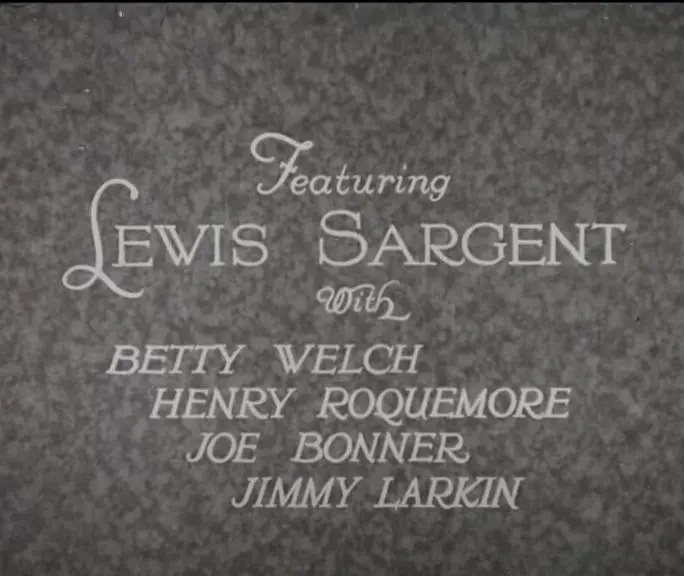
Evangeline Russell as Mary Selby embodies the quintessential 'damsel in distress.' Her performance is a continuous cycle of wide-eyed terror, desperate pleas, and fainting spells. While modern audiences might find her helplessness frustrating, Russell commits fully to the role, effectively conveying the sheer volume of fear and vulnerability the plot demands. There’s a particular scene where she’s tied to a horse, racing through rugged terrain, and her expressions are genuinely harrowing for the era.
The film's true standout, however, is Harry Semels as 'The Hawk.' Semels brings a chilling, almost hypnotic menace to the half-breed villain. His gestures are sharp, his gaze intense, and he manages to project a formidable presence that feels genuinely threatening. Semels doesn't just play a villain; he embodies the very concept of a predator. He is arguably the most compelling character in the film, overshadowing the bland hero with his sheer force of personality.
Walter Miller as Laramie, the government agent, provides the stoic, resolute counterpoint. Miller’s portrayal is one of quiet determination, his actions speaking louder than any intertitle could. He is the archetypal hero, brave and unwavering, but lacks the raw, captivating energy that Semels brings to The Hawk. His heroism is admirable, but his character feels less explored, existing primarily as the engine for Mary's eventual rescue.
The supporting cast, including the Shoshone allies and other prospectors, largely fulfill their roles as plot devices or background color. Their performances are competent, but it is the central trio that carries the emotional and narrative weight, such as it is.
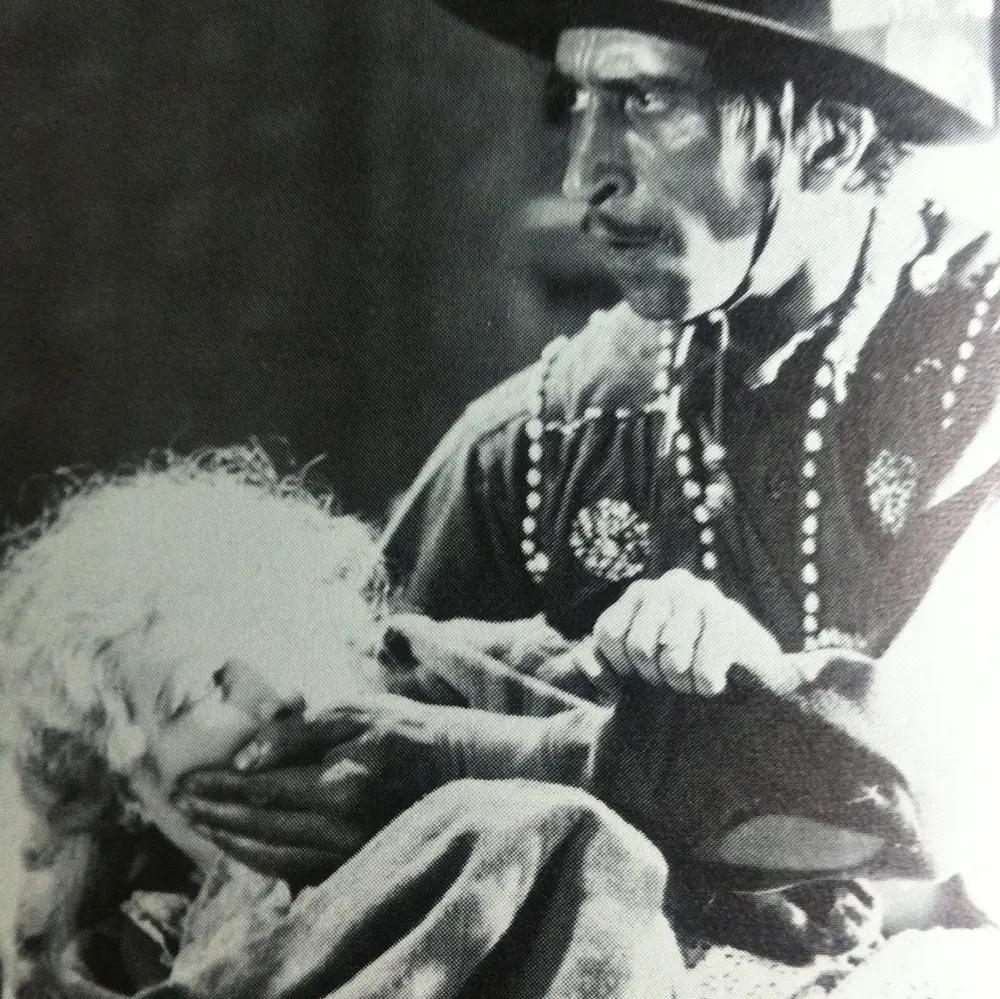
George Arthur Gray's direction in 'Hawk of the Hills' is characterized by its pragmatism and an evident understanding of how to maximize tension within the constraints of silent film. Gray prioritizes action and spectacle, creating a visually dynamic experience that belies its age.
The use of the Newhall, California, landscape is particularly effective. Gray leverages the rugged terrain for dramatic chases and perilous stunts. The wide-open vistas emphasize the isolation and vulnerability of the prospectors, while the rocky canyons become natural arenas for confrontation.
Gray's staging of the action sequences is commendable. Horse chases are frequent and often spectacular, featuring real stunts that would make modern audiences wince. The camera work, while not revolutionary, is functional and ensures the audience is always aware of the stakes. Close-ups are used sparingly but effectively to convey emotion, particularly during Mary's moments of extreme distress or The Hawk's menacing glares.
One unconventional observation is how Gray's relentless series of perils for Mary transforms her not into a resilient heroine, but almost into a macabre prop. She becomes a narrative device designed solely to string together action sequences rather than to evoke genuine empathy for her character arc. This choice, whether intentional or not, prioritizes spectacle over any deeper emotional resonance.
The director's skill lies in his ability to maintain momentum. He understands the rhythm of a silent serial, ensuring that each scene either escalates the danger or propels the rescue mission forward. The visual storytelling, supported by clear intertitles, is remarkably efficient.
'Hawk of the Hills' truly excels in its pacing. From the moment The Hawk is introduced, the film rarely pauses for breath. It's a relentless onslaught of kidnappings, escapes, pursuits, and near-death experiences. This breakneck speed is characteristic of the serials of the era, designed to keep audiences returning week after week.
The tone is overtly melodramatic, leaning heavily into classic adventure tropes. There's a clear distinction between good and evil, hero and villain, and the perils faced by Mary are often exaggerated for maximum impact. Yet, beneath this melodrama, there's a raw, visceral energy that prevents the film from feeling entirely campy.
The narrative structure, while not complex, is effective. Each peril serves as a mini-climax, ensuring that the audience is constantly on edge. For example, Mary might escape a burning cabin only to find herself plummeting down a ravine, or fleeing on horseback only to be caught in a trap. This constant escalation, while repetitive, is undeniably engaging.
The film's ability to sustain this level of tension for its runtime is a testament to its efficient storytelling and the commitment of its stunt performers. It's a film that understands its purpose: to thrill and entertain without much intellectual pretense.
It is impossible to discuss 'Hawk of the Hills' without acknowledging its significant flaws, particularly through a modern lens. The film is undeniably a product of its time, and as such, it carries the baggage of early 20th-century racial stereotypes.
The portrayal of 'The Hawk' as a 'half-breed' villain, embodying a supposed savagery derived from his mixed heritage, is deeply problematic. This trope, common in early Westerns, perpetuates harmful stereotypes about Indigenous peoples and mixed-race individuals. While Harry Semels' performance is compelling, the character's foundation is rooted in prejudice.
Similarly, the 'damsel in distress' trope, with Mary Selby as its prime example, is pushed to an extreme that can feel tiresome. Her character exists almost solely to be imperiled and rescued, with little agency or development of her own. This lack of depth for the female lead is a missed opportunity, especially given the sheer volume of harrowing experiences she endures.
While its action sequences are impressive for the era, 'Hawk of the Hills' ultimately prioritizes spectacle over any meaningful character development, a trade-off that feels more like a missed opportunity than a deliberate choice. The film's historical value is undeniable, offering insight into the prevailing cultural attitudes and filmmaking conventions of its period. However, viewers must approach it with a critical eye, prepared to separate its entertainment value from its problematic elements.
Comparing it to a contemporary like The Flame of the Yukon, which also features strong female characters in perilous settings, highlights how some films of the era attempted more complexity, whereas 'Hawk of the Hills' stuck rigidly to established, if flawed, conventions.
Hawk of the Hills is a fascinating, if flawed, relic of the silent era. It works. But it’s flawed. Its raw energy, impressive stunts, and a truly memorable villain elevate it above mere historical curiosity, making it a surprisingly engaging watch for the right audience. However, its deeply ingrained racial stereotypes and the relentless, almost comical, passivity of its heroine demand a critical viewing. For those willing to engage with a piece of cinematic history that reflects both the thrilling ingenuity and the regrettable prejudices of its time, 'Hawk of the Hills' offers a wild, untamed ride. It’s not a masterpiece, nor is it universally recommendable, but it is a vital entry for anyone tracing the lineage of the Western genre, a testament to the power of action over dialogue, and a stark reminder of how far cinema—and society—has evolved.
IMDb 6
1927
Community
Log in to comment.