DbcultAccessing Vault...
Cult Review
Senior Film Conservator
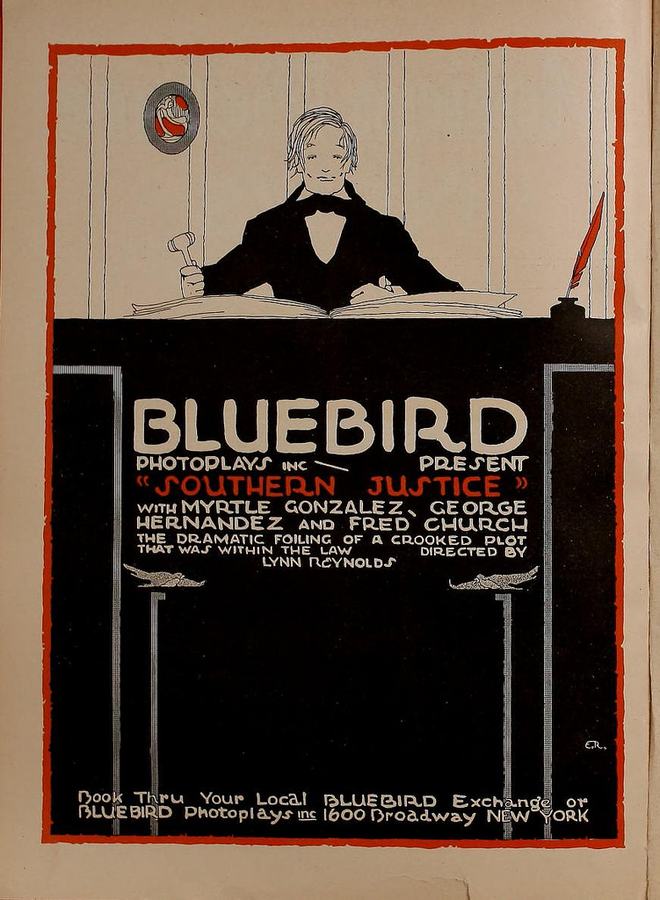
Stepping back into the nascent days of cinematic storytelling, one encounters a fascinating artifact like Southern Justice, a film that, despite its vintage, offers a surprisingly robust narrative framework and a compelling examination of community ethics. Released during a pivotal period for the burgeoning film industry, this picture, with its straightforward yet resonant themes, exemplifies the moral allegories often favored by early silent features. It's a testament to the power of simple storytelling, where the clash between innocence and avarice, local cohesion and external deception, forms the very bedrock of its dramatic tension. Far from being a mere historical curio, Southern Justice provides a valuable lens through which to view the foundational elements of character-driven conflict and the enduring appeal of a clear-cut victory for righteousness.
The narrative of Southern Justice unfurls in a tranquil Southern setting, where the youthful Daws Anthony, a boy of sixteen, is nurtured by a trio of venerable patriarchs: Judge Morgan, Roger Appleby, and Caleb Talbot. This initial tableau paints a picture of idyllic, almost pastoral harmony, a community bound by tradition and mutual care. This serene landscape is dramatically interrupted by the arrival of Ray Preston, a figure from the North, whose presence immediately introduces an element of disruption. Preston's initial maneuvers are relatively benign, involving the acquisition of property from Judge Morgan. However, his influence quickly extends beyond mere commerce, insinuating itself into the social fabric of the town by deliberately engineering the dissolution of the romance between Carolyn Dillon, a local belle, and Wallace Turner. This early act signals Preston's manipulative nature, establishing him not just as an outsider, but as a catalyst for discord.
The central deceit of the film hinges on the discovery of 'oil' on Preston's recently purchased land. This development, ostensibly a boon for the community, is quickly exploited by Preston, who, at the suggestion of Major Dillon, agrees to sell a half-interest in the property to the townsfolk for a considerable sum. The narrative here deftly taps into themes of economic opportunism and communal vulnerability. The townsfolk, lured by the promise of prosperity, are poised to become victims of a calculated swindle. It is Daws Anthony, the seemingly innocent and unassuming protagonist, who harbors a gnawing suspicion. His investigative foray, a solo quest for truth, forms the dramatic core of the film. Daws's eventual discovery—that Preston has meticulously faked the oil traces by 'oiling' the land—is the pivotal moment, transforming the story from one of economic promise to one of brazen fraud. The climax, with Preston facing the stark, visceral threat of tarring and feathering, is a visceral representation of frontier justice, a swift and uncompromising response to betrayal. His hurried departure, returning the ill-gotten gains, not only restores financial order but also symbolically mends the social fabric, allowing Carolyn and Turner's romance to resume its natural course. This arc, while simple, effectively demonstrates the power of truth and the resilience of a unified community against deceit.
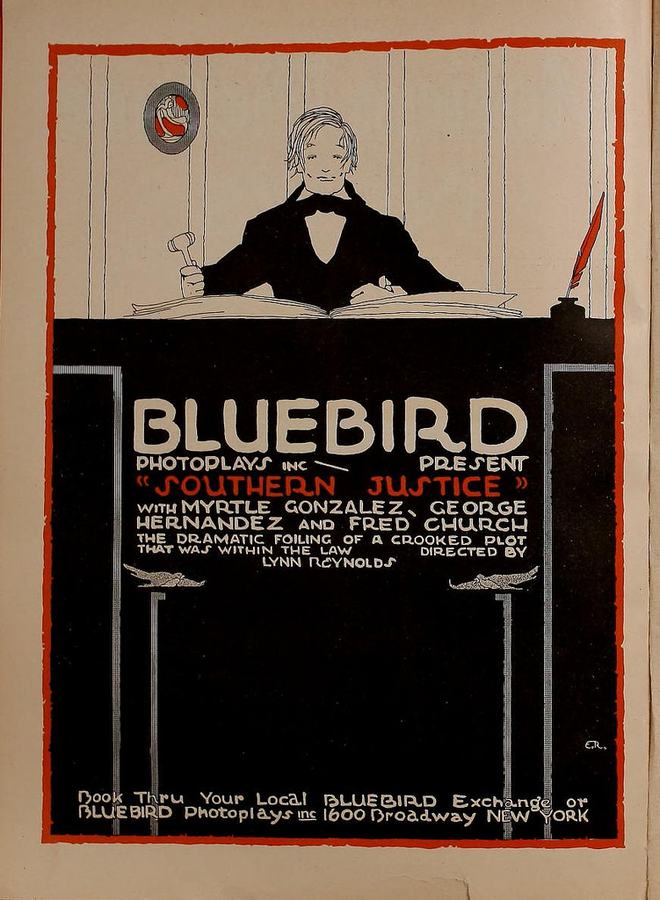
The ensemble of Southern Justice, while adhering to certain archetypal representations common in early cinema, nevertheless imbues its characters with enough distinctiveness to drive the moral thrust of the narrative. At its heart is Daws Anthony, portrayed with a quiet intensity by Maxfield Stanley. Daws is not merely a boy but a symbol of unspoiled intuition and nascent moral courage. His guardianship by Judge Morgan (Elwood Bredell), Roger Appleby (Fred Church), and Caleb Talbot (George Marsh) underscores his role as the community's innocent hope, a vessel for its collective conscience. These three elders represent the established order, the wisdom of the South, and their initial inability to see through Preston's machinations highlights the deceptive brilliance of the antagonist, making Daws's eventual unraveling of the plot all the more impactful. His journey from mere suspicion to decisive action is a classic heroic arc, albeit one scaled to the intimate proportions of a small-town drama. Stanley’s performance, within the conventions of silent film acting, likely conveyed this transition through subtle gestures and expressions, embodying the youthful spirit of inquiry.
Ray Preston, the Northerner and the film's antagonist, is a quintessential figure of external corruption. His character, likely played with a theatrical villainy typical of the era, embodies the fear of the unknown outsider, the slick operator whose urbanity masks a predatory intent. His actions—from breaking up a local romance to orchestrating a sophisticated land swindle—paint him as a multifaceted threat, capable of both social and economic disruption. The film leverages the prevailing regional tensions of the time, albeit in a simplified manner, casting the Northerner as the bringer of deceit, contrasting sharply with the presumed honesty of the Southern community. While the plot doesn't delve into deep psychological motivations, Preston serves as an effective foil, galvanizing the community and, particularly, Daws, into action. His eventual expulsion is not just a personal defeat but a symbolic cleansing, reaffirming the town's values.
The romantic subplot, featuring Carolyn Dillon (Myrtle Gonzalez) and Wallace Turner (Jack Curtis), provides the emotional stakes beyond the financial. Their fractured romance, a direct casualty of Preston's meddling, serves as a microcosm of the larger societal disruption. Gonzalez, a prominent actress of the era, would have brought a certain vivacity to Carolyn, making her plight relatable and her eventual reunion with Turner, after Preston's departure, a satisfying resolution. Major Dillon (George Hernandez), Carolyn's father, plays a crucial, if unwitting, role in Preston's scheme, suggesting the communal investment. His character underscores the vulnerability of even well-meaning community leaders to a cunning deception. The presence of Charles Hill Mailes and Jean Hersholt in the cast, even in roles not explicitly detailed in the synopsis, adds further weight, as both were prolific and respected actors of the silent era, capable of delivering nuanced performances even within the broad strokes of early cinematic storytelling. Each character, from the central figures to the periphery, contributes to a moral landscape where virtue is eventually rewarded and vice unequivocally punished.
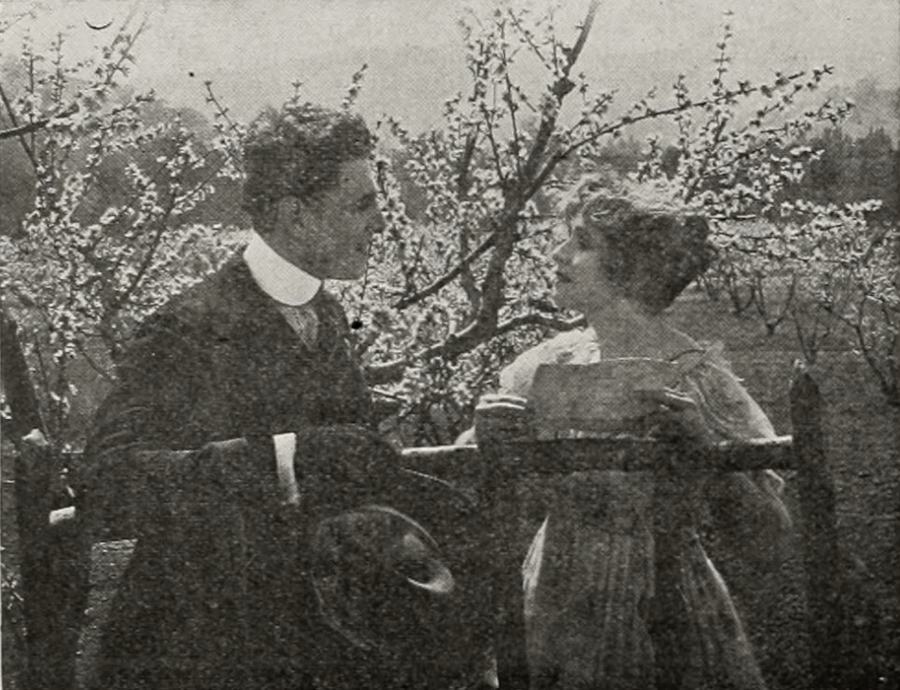
At its core, Southern Justice is a vivid exploration of several enduring themes that resonate far beyond its silent-era origins. The most prominent is, naturally, justice itself. The film posits a clear definition of right and wrong, where deception, particularly when it threatens the economic stability and social harmony of a community, demands a swift and unequivocal response. Preston's elaborate oil swindle is a classic example of economic exploitation, preying on the hopes and trust of the townsfolk. This theme of economic vulnerability was particularly potent in early 20th-century America, a period marked by rapid industrialization, land booms, and the rise of unscrupulous business practices. The film, therefore, acts as a cautionary tale, warning against the allure of quick riches and the dangers of unchecked opportunism.
The concept of community vigilance is another powerful undercurrent. While the elders initially fall prey to Preston's scheme, it is the collective spirit of the townsfolk, galvanized by Daws's discovery, that ultimately ensures justice. The threat of tarring and feathering, while barbaric by modern standards, represents the raw, unadulterated power of a unified community protecting its own, a form of extralegal justice when formal systems might be perceived as too slow or ineffective. This communal response underscores the importance of local solidarity and self-preservation in the face of external threats, a common trope in Westerns and other frontier narratives of the period. The restoration of Carolyn and Turner's romance at the film's conclusion is not merely a happy ending for the lovers; it symbolizes the complete restoration of order and harmony within the community, a return to its natural, untainted state after the disruption caused by the outsider.
Furthermore, the film subtly touches upon regional stereotypes, a persistent element in American storytelling. The 'Northerner' as the deceptive, profit-driven outsider contrasting with the 'Southerner' as the more trusting, community-oriented individual, is a trope that speaks to historical divisions and lingering resentments. While simplistic, it effectively establishes the moral dichotomy essential for the narrative. Daws's youthful insight, his ability to see through the facade where adults fail, highlights the theme of innocence perceiving truth more clearly than experienced, but perhaps jaded, wisdom. This motif grants the young protagonist a unique moral authority and positions him as the unlikely savior of his community. The film's resolution, where the swindler is banished and the community restored, reinforces a deeply conservative moral worldview, one where transgressions are met with swift, decisive retribution, and the social order is re-established with unwavering certainty. This moral clarity, while perhaps simplistic for contemporary tastes, was a hallmark of early cinema, providing audiences with unambiguous heroes and villains and clear ethical lessons.
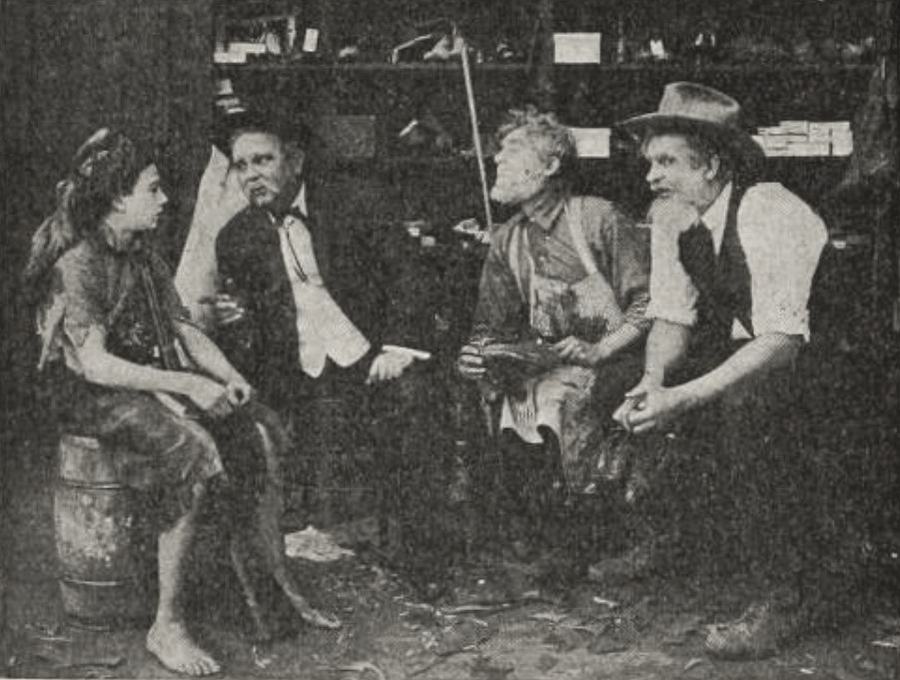
Analyzing Southern Justice through the lens of cinematic craft requires an understanding of the conventions and limitations of the silent era. Without synchronized sound, filmmakers relied heavily on visual storytelling, exaggerated pantomime, and expository intertitles to convey plot and emotion. The acting styles of Elwood Bredell, Myrtle Gonzalez, and Jean Hersholt, for instance, would have been characterized by broad gestures, distinct facial expressions, and often a more theatrical approach to emoting, designed to be clearly understood by an audience seated far from the screen. The director, whose identity is not provided in the prompt but whose vision would have been paramount, would have orchestrated these performances to maximize dramatic impact, often employing stark contrasts between good and evil.
Cinematography in this period was still evolving, but even basic techniques would have been employed to heighten the narrative. Establishing shots would set the scene of the Southern town, while medium shots would capture the interactions between characters. Close-ups, though less frequently used than in later decades, might have been deployed to emphasize Daws's suspicion or Preston's deceit. The pacing of the film, dictated by the rhythm of the intertitles and the flow of the visual narrative, would have been crucial in building suspense towards Daws's investigation and the eventual confrontation. The sequence involving the 'oiling' of the land, for example, would have required careful visual articulation to make Preston's deception clear to the audience without dialogue. The climax, with the threat of tarring and feathering, would have been a masterclass in visual tension, relying on the actors' physicality and the collective reaction of the townsfolk to convey the raw emotion of mob justice. Compared to the more complex narrative structures seen in films like Lucille Love: The Girl of Mystery, which often involved intricate serial plotting, Southern Justice likely favored a more linear, cause-and-effect progression, typical of feature films designed for a single viewing experience. The film's effectiveness would have rested on its ability to clearly communicate its moral message and entertain through compelling visual drama, a feat accomplished through the skillful deployment of silent film conventions.
While Southern Justice may not hold the same iconic status as some of its more renowned contemporaries, its significance lies in its reflection of prevalent storytelling trends and social anxieties of its era. Films of this period, such as The Marriage of Molly-O or Hinton's Double, often explored themes of moral rectitude, personal sacrifice, and the triumph of good over evil, albeit through different narrative lenses. Southern Justice fits squarely into this tradition, offering a clear, unambiguous moral lesson that would have resonated deeply with audiences seeking straightforward entertainment and ethical reinforcement. Its focus on a community's struggle against an external threat also echoes broader national narratives of the time, particularly the ongoing societal adjustments and regional identities in post-Civil War America.
The film serves as a valuable historical document, illustrating how early cinema engaged with notions of justice, property rights, and the perceived dangers of outsiders. The 'tar and feather' scene, for instance, is not just a dramatic climax but a snapshot of a particular form of vigilante justice that, while extreme, was part of the American frontier mythos. In this regard, it shares a thematic lineage with films that explored societal upheavals or moral quandaries, even if its execution is simpler than, say, the grander historical narratives found in something like Defense of Sevastopol from a few years prior, or the more intricate psychological dramas emerging from European cinema like Engelein or Marga, Lebensbild aus Künstlerkreisen. Its portrayal of Daws Anthony as the youthful, perceptive hero also speaks to a recurring motif in storytelling, where innocence and clear-sightedness ultimately prevail over cynical manipulation. This enduring archetype continues to captivate audiences, making Southern Justice, despite its age, a recognizable and relatable narrative. The film's place in the vast tapestry of silent cinema is that of a solid, genre-defining piece, contributing to the lexicon of American storytelling with its clear moral compass and engaging, if straightforward, dramatic arc. It showcases the foundational elements that would continue to define popular cinema for decades to come: a relatable conflict, identifiable heroes and villains, and a satisfying resolution that upholds societal values. Its simple power lies in its ability to tell a story that, at its heart, remains universally understood: the eternal struggle against deceit and the ultimate triumph of integrity within a community.
In an era when film was still discovering its voice, Southern Justice stands as a compelling example of effective early narrative cinema. It might lack the avant-garde experimentation of some European contemporaries or the epic scale of some American productions, but its strength lies in its unpretentious commitment to storytelling. It is a film that, through its simple yet potent narrative, offers a window into the moral sensibilities and cinematic techniques that laid the groundwork for the art form we know today. Viewing it, one is reminded of the fundamental human desires for fairness and truth, and the enduring satisfaction found in witnessing justice, however dramatically rendered, ultimately prevail.
IMDb —
1925
Community
Log in to comment.