DbcultAccessing Vault...
Cult Review
Senior Film Conservator
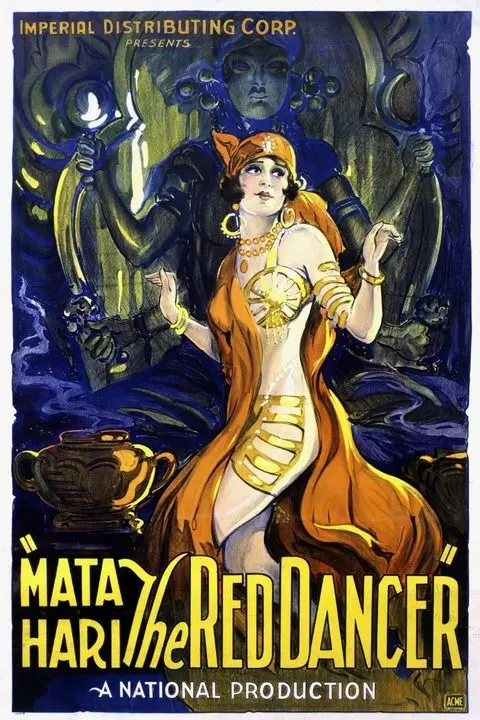
Should you invest your time in this silent relic today? Short answer: Yes, but only if you value atmospheric dread over historical precision.
Mata Hari: the Red Dancer is for the patient cinephile who enjoys the visual language of German Expressionism and the tragic arc of a fallen icon. It is certainly not for those who require the rapid-fire editing or the sanitized heroics of modern espionage blockbusters.
1) This film works because Magda Sonja delivers a performance of such interior intensity that it bridges the gap between the silent era and modern psychological acting.
2) This film fails because the middle section becomes excessively mired in bureaucratic proceduralism that slows the momentum established by the opening dance sequences.
3) You should watch it if you want to see the exact moment the 'femme fatale' archetype was codified in European cinema.
Yes, Mata Hari: the Red Dancer is worth watching because it provides a raw, unfiltered look at the paranoia of the First World War. Unlike later Hollywood adaptations, this 1927 version feels closer to the actual anxiety of the era. The visual compositions are striking, and the emotional payoff of the finale is genuinely devastating. It serves as a vital historical document and a compelling drama.
Magda Sonja does not just play Mata Hari; she inhabits her like a ghost haunting her own life. In the opening dance sequence, Feher uses lighting to emphasize the predatory nature of her audience. Sonja’s movements are fluid yet strangely mechanical, suggesting a woman who has turned her body into a tool for survival.
Compare this to the more theatrical performances found in The Mystic. While that film relies on grand gestures, Sonja works with her eyes. There is a specific moment during the interrogation where her face remains perfectly still, yet you can see the realization of her impending death wash over her. It is chilling.
It works. But it is deeply uncomfortable. The film doesn't ask you to like her, it asks you to witness her. This is a bold choice for 1927, a time when protagonists were usually clearly defined as heroes or villains.
The cinematography in this film is a character in its own right. The way shadows stretch across the prison walls in the final act creates a sense of inevitable doom. It lacks the polish of Frontier of the Stars, but it replaces that polish with a gritty, oppressive atmosphere.
Consider the scene where the officers discuss her fate. They are framed in harsh, high-contrast light, making them look like statues rather than men. This visual dehumanization mirrors the way the military treats Mata Hari herself—as a problem to be solved rather than a human being.
Feher’s direction is calculated. He uses wide shots to show her isolation in the courtroom, making her look small and insignificant against the backdrop of the state's power. It is a masterclass in visual storytelling that doesn't need a single line of dialogue to convey its message.
Leo Birinsky’s writing is surprisingly cynical for the period. He avoids the easy sentimentality found in films like Nearly Married. Instead, he focuses on the intersections of sex, power, and politics.
The dialogue—presented through intertitles—is punchy and direct. One title card reads, "I am not a spy; I am a woman who knows too much." This encapsulates the film's central thesis. The tragedy isn't that she was a double agent, but that she was a woman who dared to operate in a man's world of secrets.
However, Birinsky’s script does falter in the second act. The introduction of various minor officials, played by actors like Leo Connard and Eduard Rothauser, creates a confusing web of subplots. These moments feel less like a cohesive narrative and more like a series of vignettes, similar to the episodic nature of The Collegians.
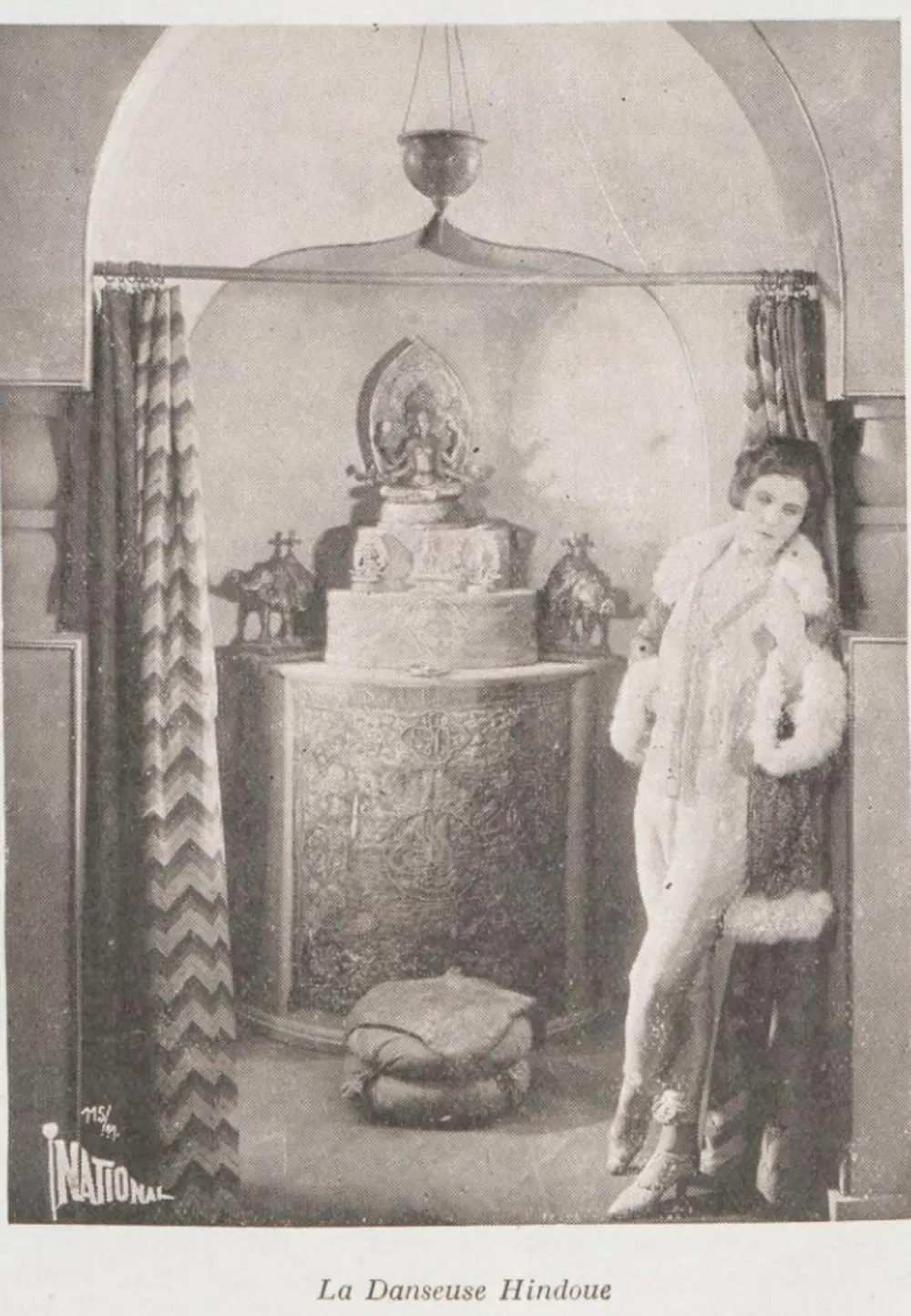
Fritz Kortner provides a formidable foil to Sonja. His presence is heavy and imposing. He represents the crushing weight of the law, and his scenes with Sonja are the highlights of the film. Their chemistry is built on a foundation of mutual suspicion and repressed desire.
The supporting cast, including Mathias Wieman and Hermann Wlach, fill out the world with a sense of weary realism. These are men who have seen too much war. Their performances are grounded, avoiding the over-the-top gesticulation that plagues many silent films of the era, such as Her Awful Fix.
Even Louis Brody, in a smaller role, manages to leave an impression. The film’s ability to make every character feel like they have a life off-screen is one of its greatest strengths. It creates a lived-in world that feels dangerous and unpredictable.
If I have one major grievance, it is the pacing. The film clocks in at a significant runtime for a silent feature, and there are moments where the tension dissipates. The transition from her life as a dancer to her life as a prisoner is handled with a jarring jump in time.
We see her at the height of her fame in one scene, and suddenly she is being led into a cell. While this reflects the suddenness of her real-life arrest, in a narrative sense, it feels like a missing chapter. It lacks the smooth transition found in Pretty Lady.
The film recovers in the final twenty minutes, which are some of the most harrowing in early cinema. The execution scene is handled with a cold, detached eye that makes it all the more powerful. There is no swelling music to tell you how to feel. There is only the silence of the firing squad.
It is an unpopular opinion, but I believe this 1927 version is superior to the 1931 Greta Garbo vehicle. While Garbo is an undisputed icon, her Mata Hari felt like a Hollywood creation—glamorous, tragic, and ultimately safe.
Magda Sonja’s version is much more dangerous. She feels like a woman who could actually ruin an empire. The 1927 film doesn't try to make her a saint. It allows her to be messy, manipulative, and terrified. This vulnerability makes her eventual fate far more impactful.
Furthermore, the ending of the 1927 film is not just a tragedy; it is a profound act of agency. As she faces the firing squad, she refuses a blindfold. It is a final, defiant act of looking the world in the eye. It hurts to watch. But it is necessary.
Pros:
Cons:
The real villain of the film isn't the German spy ring or even Mata Hari herself. The true antagonist is the bureaucratic machinery of the French military. Feher portrays the officers as cold, calculating men who are more concerned with their own reputations than with justice.
This is a radical subversion for a film made so soon after the war. It suggests that the "Red Dancer" was merely a convenient distraction for a public tired of slaughter. It makes the film feel incredibly relevant in our modern age of misinformation and political scapegoating.
"Mata Hari: the Red Dancer is a film that refuses to offer easy answers, choosing instead to dwell in the uncomfortable shadows of human nature."
Mata Hari: the Red Dancer is a demanding but deeply rewarding piece of cinema. It lacks the polish of later spy films like The Mysterious Mr. Tiller, but it makes up for it with sheer emotional honesty. It is a film about the cost of living a life on the edge, and the inevitable crash that follows.
While it is flawed in its pacing and occasionally cluttered in its narrative, the strength of its visual language and Magda Sonja’s performance ensure its place in the pantheon of great silent dramas. It is a mood piece, a tragedy, and a warning. Do not miss it if you have any interest in the history of the silver screen.
IMDb —
1917
Community
Log in to comment.