DbcultAccessing Vault...
Cult Review
Senior Film Conservator
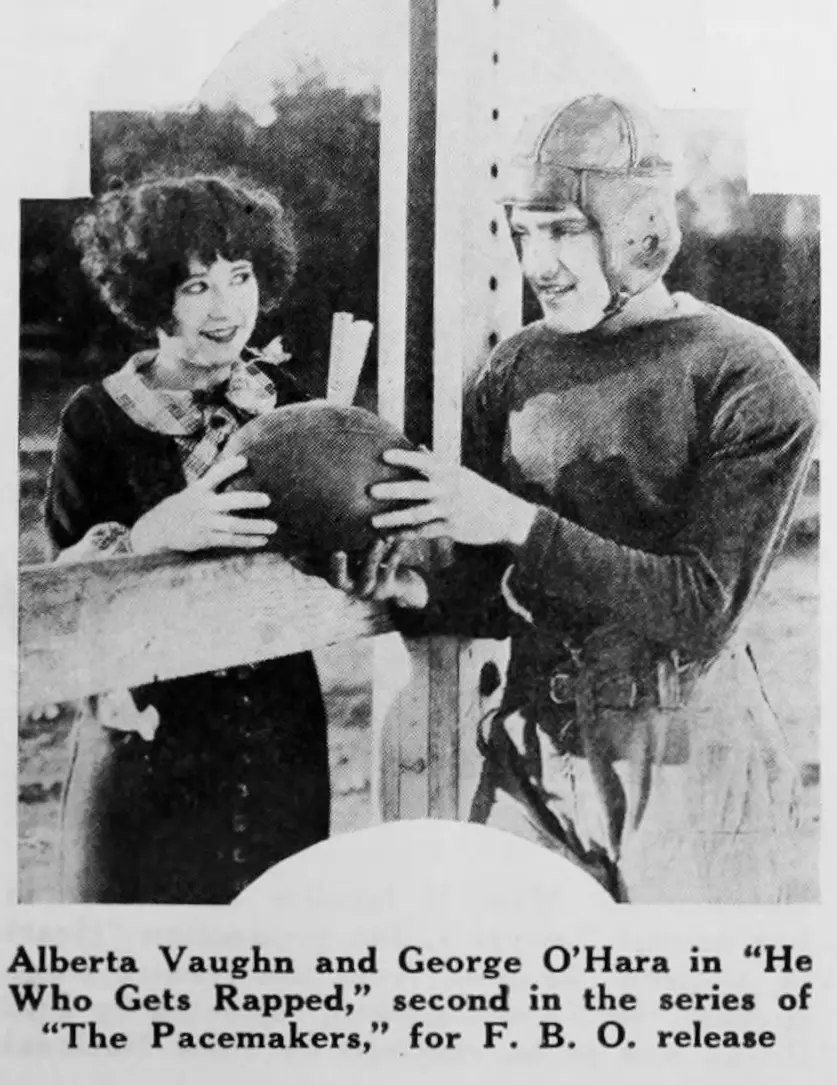
Is He Who Gets Rapped worth your time in the modern era? Short answer: only if you are a completionist for 1920s slapstick-sports hybrids; otherwise, it is a dated relic that lacks the punch of its contemporaries.
This film is for the silent cinema historian who wants to see how the 'underdog athlete' trope was codified. It is absolutely not for anyone seeking a nuanced exploration of sports psychology or modern pacing.
If you are looking for a quick burst of historical curiosity, yes. If you are looking for a cohesive narrative that challenges the viewer, no. It is a product of its time, designed for a quick laugh and a momentary thrill. It is basic. But it is fast.
1) This film works because the physical commitment of George O'Hara and Al Cooke elevates a paper-thin script into something visceral.
2) This film fails because the antagonist's motivations are cartoonishly thin, even for 1920.
3) You should watch it if you want to understand the DNA of the modern sports movie, specifically the 'cheating rival' archetype.
To understand He Who Gets Rapped, you have to understand H.C. Witwer. Witwer was the architect of the 'Fighting Blood' series, a collection of stories that blended the grit of the boxing ring with the aspirational energy of the American dream. This film carries that same DNA. It is not just about football; it is about the perceived moral superiority of the working-class hero over the deceptive elite.
The rivalry between Tom and Merton isn't just a personal spat. It represents a clash of values. Tom plays by the rules; Merton breaks them. This binary morality was the engine of 1920s entertainment. While films like The Scarecrow used physical space for surrealist comedy, He Who Gets Rapped uses it for a more grounded, albeit exaggerated, athletic drama.
George O'Hara brings a rugged, almost stoic presence to Tom. He isn't a comedian in the vein of Buster Keaton, but he understands the geometry of a scene. When he is on the field, his movements are deliberate. You can feel the weight of the era's heavy leather helmets and the lack of padding. It looks painful. It probably was.
On the other hand, Al Cooke provides the necessary friction. His Merton is a masterclass in the 'sneering villain' trope. There is a specific moment where Merton sabotages a piece of equipment—a small, subtle gesture that feels more menacing than any grand monologue. It is effective characterization through action, a lost art in modern blockbusters that rely on three-minute expository speeches.
Alberta Vaughn, unfortunately, is relegated to the 'prize' category. Like many films of this era, such as Any Woman, the female lead is more of a motivational milestone than a character. However, Vaughn’s expressive reactions provide the emotional stakes the film otherwise lacks. She sells the tension of the game better than the actual cinematography does.
The camera work in He Who Gets Rapped is surprisingly static, which is both a blessing and a curse. It lacks the fluid motion we see in later sports films, but it allows the viewer to appreciate the raw choreography of the game. There are no quick cuts to hide the fact that these actors are actually running into each other.
One specific scene involving a breakaway run captures the dust and the desperation of the field. The camera sits at waist height, making the players seem like giants. It is a primitive technique, but it creates a sense of scale. Compared to the more polished look of The Early Bird, this film feels unwashed and urgent. It doesn't care about being pretty; it cares about being felt.
At its core, the film is a 2-reeler that feels like it wants to be a feature. This leads to a somewhat lopsided middle section. The setup of the rivalry takes up too much real estate, leaving the actual football game to feel rushed. It’s a common flaw in short films from this period—the desire to establish a complex social hierarchy in under twenty minutes.
However, the lack of subplots is refreshing. There are no side-quests here. It is a straight line from the insult to the injury to the redemption. In a world of bloated three-hour epics, there is something to be said for a film that knows exactly what it is and gets out before it overstays its welcome. It is punchy. It is direct.
When placed alongside Torchy's Frame-Up, He Who Gets Rapped feels more grounded and less reliant on pure slapstick. While Torchy focuses on the absurdity of the situation, Tom's story focuses on the integrity of the individual. It is a more serious attempt at a sports narrative, even if it still dips its toes into the comedic pool.
Interestingly, the film shares some thematic DNA with Corruption, specifically the idea that the system (or the game) is being rigged by those in power. Merton isn't just a bad guy; he is a corrupting force. This elevates the film from a simple sports short to a minor social commentary, albeit one that is played for laughs.
He Who Gets Rapped is a fascinating, if flawed, snapshot of a bygone era. It doesn't reinvent the wheel, but it rolls it with significant enthusiasm. The rivalry is palpable, the action is bone-crunching, and the resolution is satisfyingly simple. It is not a 'masterpiece,' and it certainly isn't 'visually stunning' by modern standards, but it is an honest piece of filmmaking.
The film’s greatest strength is its lack of pretension. It knows it is a 20-minute distraction, and it performs that role with gusto. While it may not linger in your mind like a Keaton or Chaplin short, it provides a necessary link in the evolution of the sports genre. It is a win, but only by a narrow margin. Watch it for the history, stay for the grit, and forget it by tomorrow morning.
IMDb —
1929
Community
Log in to comment.