DbcultAccessing Vault...
Cult Review
Senior Film Conservator
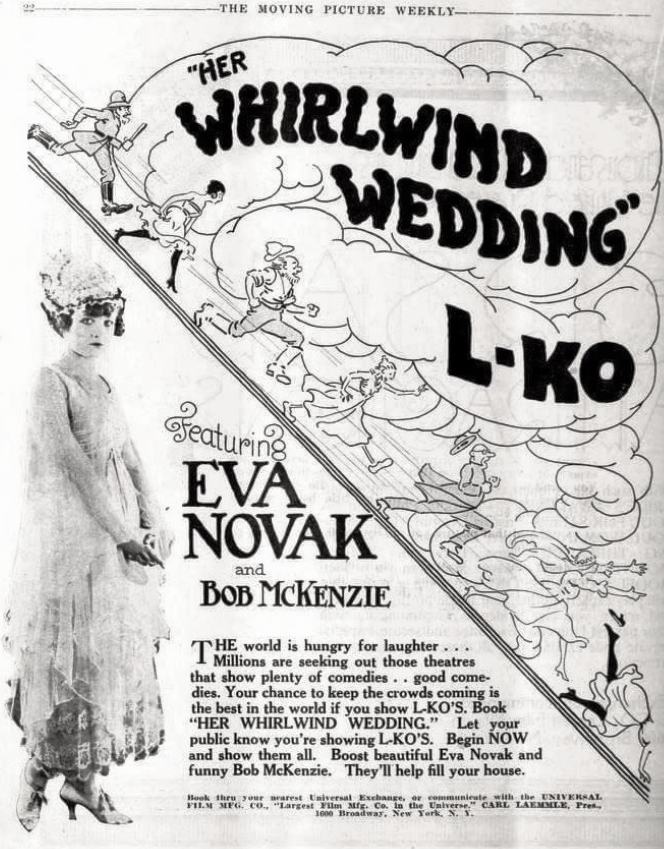
From the very first frame, Her Whirlwind Wedding plunges its audience into a delightful maelstrom of romantic intrigue and farcical mishap. This cinematic gem, a vibrant tapestry woven with threads of fervent desire and comedic timing, dares to ask: what happens when the most solemn of life's commitments becomes a stage for an elaborate, bewildering game of musical chairs? The premise, deceptively simple yet brilliantly executed, centers around a singular, audacious act: the repeated substitution of grooms at the very altar. It's a high-stakes gamble with hearts and reputations hanging precariously in the balance, transforming a sacred rite into a hilarious, breathless spectacle of mistaken identity.
The film, a testament to the enduring appeal of the romantic comedy of errors, masterfully navigates the treacherous waters of love triangles, societal expectations, and the sheer, unadulterated chaos that ensues when human passion clashes with convention. It's not merely a story of two men vying for the same woman; it's a profound, albeit humorous, exploration of perception, commitment, and the lengths to which individuals will go to secure their perceived destiny. The narrative refuses to settle for predictable beats, instead opting for a dynamic, almost improvisational rhythm that keeps viewers perpetually on edge, oscillating between gasps of disbelief and bursts of laughter.
At its heart, Her Whirlwind Wedding constructs a meticulously crafted edifice of absurdity. The central conceit—the repeated swapping of grooms—is handled with an almost surgical precision, ensuring that each switch feels both preposterous and, within the logic of the film's heightened reality, entirely plausible. The plot doesn't just present a single moment of confusion; it builds a cumulative effect, escalating the comedic tension with each successive exchange. We witness the initial, almost accidental, substitution, followed by more deliberate, desperate attempts to rectify or exploit the situation. This cyclical nature of the deception creates a dizzying momentum, drawing the audience deeper into the protagonist's bewildering predicament.
The genius lies in the film's ability to maintain a delicate balance: it's undeniably funny, yet it never entirely loses sight of the emotional stakes involved. The characters, despite their often-ludicrous actions, remain grounded in recognizable human desires—love, jealousy, ambition. The screenplay, though uncredited in our records, demonstrates a keen understanding of comedic timing and structural integrity, ensuring that the escalating chaos never descends into mere incoherence. Instead, it forms a coherent, if wildly improbable, chain of events that propels the story forward with relentless energy. One might even draw a parallel to the clever, character-driven antics found in a film like Bab's Diary, where a young woman's spirited efforts to navigate her world often lead to delightful complications, though Her Whirlwind Wedding amplifies the stakes to an almost existential level of matrimonial pandemonium.
The success of such a high-concept comedy hinges entirely on the strength and conviction of its performers, and Her Whirlwind Wedding is blessed with an ensemble that rises magnificently to the challenge. Eva Novak, as the beleaguered bride at the eye of this matrimonial storm, delivers a performance that is both captivating and endearing. Her portrayal captures the delicate balance of confusion, exasperation, and underlying affection, allowing the audience to empathize with her impossible situation even as they delight in the unfolding farce. Novak possesses a rare screen presence, communicating volumes with subtle shifts in expression, her eyes conveying the turmoil of a woman whose wedding day has become an unpredictable theatrical production.
Robert McKenzie, likely one of the two primary suitors, brings a robust energy to his role. His character, whether the initially intended groom or the determined rival, is imbued with a compelling blend of sincerity and desperation. McKenzie's physical comedy and expressive gestures are crucial in conveying the escalating frustration and strategic maneuvering required by the plot. He avoids caricaturing his role, instead presenting a character whose flawed humanity makes his absurd predicament all the more engaging. The audience feels his yearning, his indignation, and his moments of fleeting triumph.
Harry Lorraine, presumably the other central suitor, provides an excellent foil. Lorraine’s performance is marked by a certain suave cunning, contrasting effectively with McKenzie’s more overt expressions of emotion. His ability to convey sly calculation alongside genuine affection adds layers to the central conflict, making the choice facing Novak’s character all the more complex. The dynamic between McKenzie and Lorraine is the engine of the film’s comedic thrust, their rivalry a well-choreographed dance of ambition and thwarted plans.
The supporting cast, including Carolyne Wright, Chester Ryckman, and Porter Strong, contribute significantly to the film’s rich comedic tapestry. Wright, perhaps as a bewildered relative or a sharp-tongued observer, adds texture to the reactions of the wedding guests, mirroring the audience’s own incredulity. Ryckman and Strong, in their respective roles, provide additional layers of complication or comic relief, their reactions serving to amplify the central farce. Their collective efforts ensure that the world of the wedding feels populated and vibrant, reacting authentically (or comically inauthentically) to the unfolding madness. This ensemble work is vital, as it grounds the more outlandish elements of the plot in a believable social context, much like how a strong ensemble elevates the dramatic stakes in a film like Timothy Dobbs, That's Me, albeit with a comedic rather than dramatic lens.
Beyond its surface-level hilarity, Her Whirlwind Wedding offers surprisingly potent thematic explorations. It delves into the very nature of identity and perception: who are we truly, and how much of our identity is tied to the roles we play or are expected to play? The constant switching of grooms forces the audience, and indeed the bride herself, to question the superficiality of appearances versus the deeper essence of connection. Is love truly blind, or does it rely on a clear, unequivocal recognition of the beloved?
The film also shrewdly critiques societal pressures surrounding marriage. The wedding ceremony, typically a symbol of order and commitment, is here subverted into a symbol of chaos and uncertainty. It highlights the anxieties inherent in such a monumental decision, magnifying them to farcical proportions. The desperate attempts of the suitors to secure their place, and the bride's increasingly frantic efforts to discern the truth, speak to a universal fear of making the wrong choice, or of having that choice usurped by external forces.
Furthermore, the film subtly touches upon the power dynamics within relationships. Who truly holds the agency in a romantic pursuit? Is it the one being pursued, or the one doing the pursuing? The narrative, through its comedic lens, allows for a playful deconstruction of traditional gender roles and expectations, even if it ultimately adheres to certain genre conventions. The bride, while initially a passive recipient of the suitors' machinations, eventually asserts a degree of agency in navigating the bewildering situation, offering a glimpse into evolving portrayals of female characters in early cinema.
The directorial choices in Her Whirlwind Wedding are nothing short of inspired. Given the likely silent era context implied by the cast and genre, the film relies heavily on visual storytelling to convey its intricate plot and rapid-fire comedic beats. The staging of the wedding ceremony itself is a marvel of choreography, with characters moving in and out of frame with precision, creating a sense of controlled chaos. Close-ups are used effectively to capture the nuanced expressions of confusion, frustration, and fleeting triumph on the actors' faces, ensuring that the audience is always privy to the emotional undercurrents beneath the physical comedy.
The pacing is relentless, a true whirlwind as the title suggests. There's little room for languid moments; the narrative propels itself forward with an almost breathless urgency, mirroring the frantic efforts of the characters. This sustained energy is crucial for a farce, preventing any scene from overstaying its welcome and ensuring that the humor remains fresh and impactful. The editing, too, plays a pivotal role in accentuating the surprise of each swap and the rapid-fire reactions of the participants. It’s a testament to the filmmakers' understanding of how to exploit the unique capabilities of the medium to amplify comedic effect.
Her Whirlwind Wedding, despite its age, retains a remarkable freshness and vitality. Its core premise—the disruption of a solemn event by unexpected chaos—is a timeless comedic trope that continues to find echoes in modern cinema. The film's ability to extract genuine humor from a situation that, in reality, would be deeply traumatic, speaks to its skillful execution and the universal appeal of well-crafted farce. It’s a reminder that laughter often arises from our collective anxieties, and that cinema can provide a safe space to explore and defuse them.
The performances, particularly that of Eva Novak, are a masterclass in silent film acting, demonstrating how much emotion and narrative can be conveyed without spoken dialogue. Her subtle gestures and expressive eyes are a joy to behold, a testament to the artistry of an era often overlooked. Robert McKenzie and Harry Lorraine, too, deliver performances that are both physically demanding and emotionally resonant, creating a memorable rivalry that drives the entire comedic engine.
In an era where cinematic spectacle often relies on elaborate special effects, Her Whirlwind Wedding reminds us of the enduring power of a brilliant concept, well-drawn characters, and impeccable comedic timing. It stands as a delightful example of how early filmmakers were already pushing the boundaries of storytelling, exploring complex themes through the guise of lighthearted entertainment. It's a film that deserves to be rediscovered and celebrated, not just as a historical curiosity, but as a vibrant, genuinely funny piece of cinema that continues to charm and entertain. Its blend of romantic entanglement and farcical identity confusion makes it a compelling watch, reaffirming its place as a standout in the annals of early romantic comedy, a true predecessor to countless films that would later attempt to capture similar lightning in a bottle.
IMDb —
1924
Community
Log in to comment.