DbcultAccessing Vault...
Cult Review
Senior Film Conservator
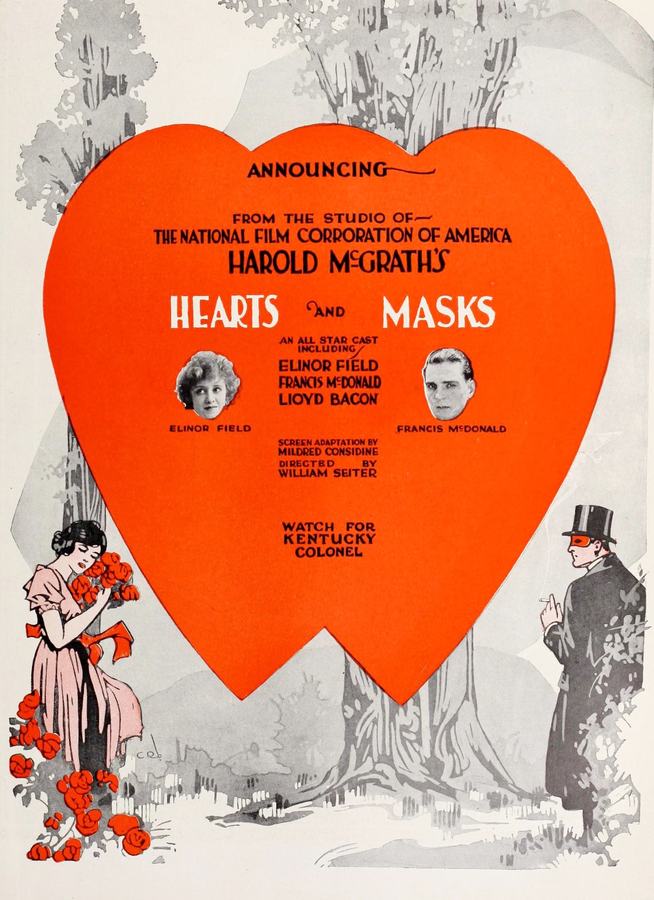
A century ago, when the camera still stammered and title cards flirted with calligraphic excess, Hearts and Masks slipped onto screens like a clandestine note passed in a stuffy classroom: folded, perfumed, and liable to detention. Viewed today, the 67-minute one-reeler—yes, shorter than most prestige-TV cold opens—detonates with such anarchic effervescence that one suspects the celluloid itself has been sneakily laced with absinthe.
The film cannily recycles Harold McGrath’s dime-novel scaffold, yet Mildred Considine’s scenario sandblasts away the patriarchal varnish until what gleams is a proto-feminist rom-com. Alice’s country estate is less a manor than a social laboratory: here, class is cosplay, gender a hat one doffs or dons, servitude a mere accent you can perfect between breakfast and elevenses. When she flips the cosmic hourglass—exiling the uncle, commandeering the staff—she stages a coup against heteronormative destiny itself.
Field, barely twenty during production, has the kinetic poise of a Koko the Clown doodle sprung from ink into three dimensions. Watch her vault onto a sideboard, eyes flickering with strategic glee: every muscle seems to consult a private boardroom before committing to the next hostile takeover of space. She is both Puck and CEO, and the performance predates the cerebral chic of early screen sleuths yet feels eerily modern—think Margot Robbie channeling Buster Keaton.
Lloyd Bacon’s Richard Comstock is less a love interest than a walking red herring in evening wear. The camera adores his aquiline profile, but Field’s Alice adores the chaos of misdirection even more. Their chemistry is a fencing match fought with badminton racquets—lightweight, ricocheting, deliberately unbloody. When she stuffs him into the cellar alongside pilfered Bordeaux, the gag is geopolitical: the male intellect, boxed and breathing alcoholic fumes, while the female id holds the key.
Francis McDonald’s burglar glides through ballrooms like an economic depression wearing cologne. He embodies the interwar suspicion that aristocracy itself is a shell corporation for larceny. The film refuses to pathologize him; instead, Dick is the necessary counter-spin to Alice’s upward mobility, a centripetal force ensuring that class, like energy, cannot be destroyed—only embezzled.
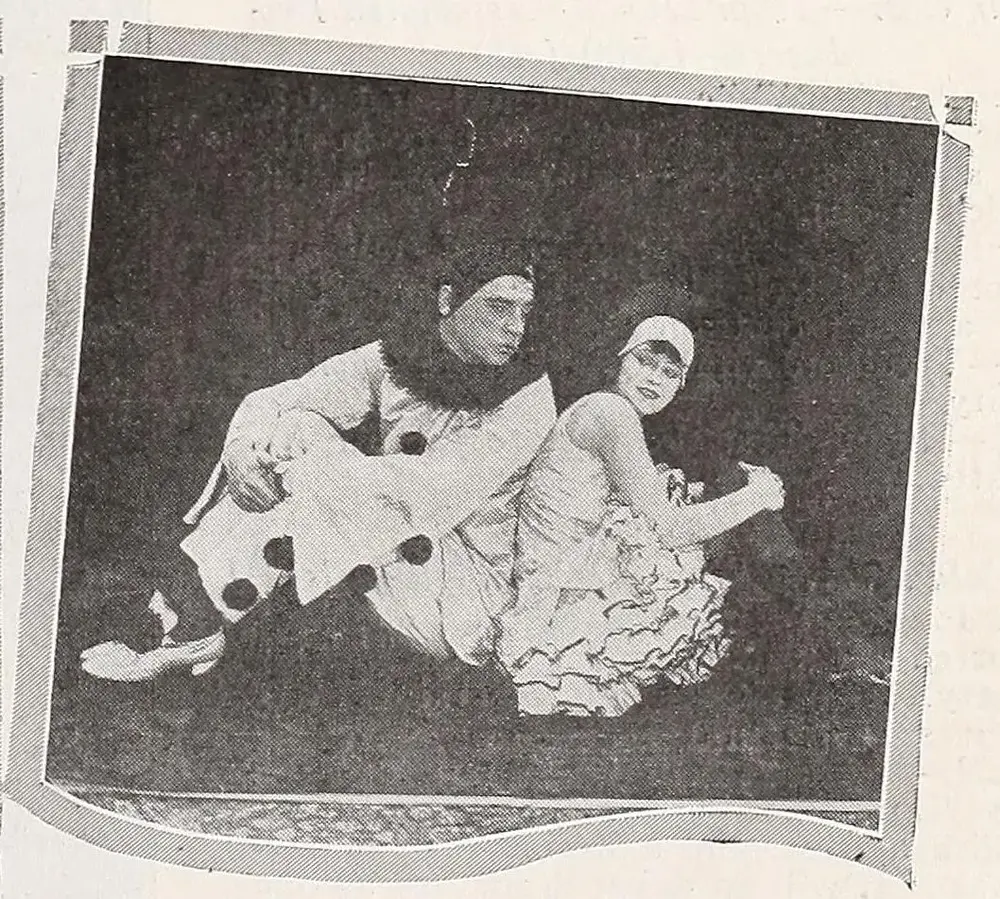
Cinematographer (uncredited, as was tragically habitual) bathes parlors in tenebrous amber, then ruptures the palette with ballroom whites so dazzling they verge on the ultraviolet. The palette—dark orange firelight, gilded candelabra, sea-blue nocturnes outside French windows—anticipates the German Expressionist love-affair with hue, yet does so in service of screwball levity rather than doom.
Alice’s maid drag is not mere plot hinge; it is the film’s thesis statement. In 1921, when the 19th Amendment was a toddler, seeing an heiress deglamorize herself into a housemaid registered as political vaudeville. The uncle’s apoplectic return—cane stabbing Aubusson rugs—reads like patriarchy’s last wheeze before fainting from apoplexy. Compare this to The Wolf Woman, where the heroine’s sexuality is weaponized for vengeance; Alice weaponizes labor, and the effect is both funnier and more subversive.
Director (again, that maddening anonymity) choreographs gags like a string quartet: pratfalls arrive pizzicato, chase scenes accelerate via accelerando, the cellar reveal lands with the sonorous thwack of a kettle-drum. Silent comedy often mistook speed for wit; Hearts and Masks trusts pause, the inhale before the pie strikes face. The result feels closer to Lubitsch than to Sennett, though it lacks the former’s continental gloss.
Fragments of the original nitrate remain missing—roughly seven minutes, per the Library of Congress’s 2021 cue-sheet synthesis. Rather than hobble the plot, these lacunae lend it an oneiric stutter; characters emerge from elision like figures stepping out of fog. Cinephiles may detect a kinship with The Chimes, where lost footage likewise mythologizes the surviving reel.
“She traded pearls for punchlines and a butler’s bow for a burglar’s kiss.”
Such title cards, hand-lettered with Art-Nouveau curlicues, deserve anthologizing. They crack wise, prefigure the screwball repartee of Hawks and Cukor, and—crucially—let Alice speak even when the patriarchal apparatus tries to hush her.
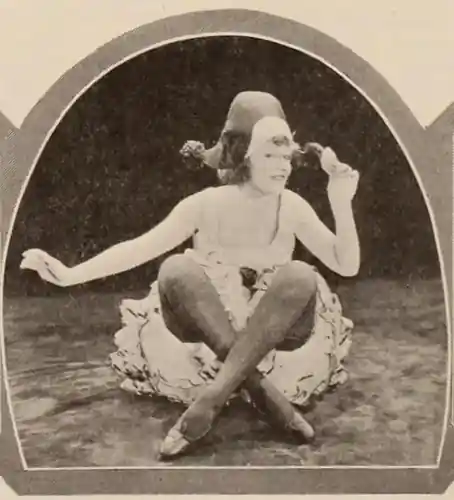
Contemporary reviewers lumped the picture alongside Harem Scarem’s orientalist froth, missing its sly emancipatory pulse. Modern scholars, notably Dr. L. L. Beaubien, recast it as a missing link between Arms and the Woman’s wartime gender flux and 1930s anarchic comedies. My own two-bit taxonomy: imagine The Midnight Trail’s Gothic shadows cross-pollinated with Tacks and Taxes’ fiscal absurdity—filtered through suffragette pugnacity.
Recent screenings at the Silent Film Society of Chicago paired the print with a live Balkan brass band—clarinets squealing like mischievous geese, tubas thumping like the uncle’s gouty foot. The incongruity was revelatory: the narrative’s class sabotage synced perfectly with proletarian horns. If you curate micro-festivals, steal this programming gambit.
Post-#MeToo, post-gig-economy, Alice’s antics read like a gig-worker manifesto: identity is hustle, costume is capital, and the manor’s pantry is fair game for requisition. The movie prefigures our era’s obsession with self-branding; Alice is the original avatar, slipping skins faster than Tinder swipes.
Act III’s expository sprint—culprits collared in under 90 seconds—feels like a studio note hammered in to pacify censorious fogeys. The racial caricature of a Sikh footman, though blink-and-miss, sours the champagne. Restoration teams should consider digital airbrushing or contextual pre-roll disclaimers.
Kino’s 2K restoration (out-of-print) surfaces on eBay for mortgage-level sums. A 720p rip circulates in the darker alcoves of the Internet, but contrast is wan, intertitles smudged. Your best bet: cinematheque revivals. If you reside in the hinterlands, lobby your local arthouse; programmers adore audience-supplied 35mm leads.
Hearts and Masks is a carbonated jest—effervescent, fleeting, yet capable of leaving the contemporary viewer pleasantly woozy. It neither moralizes nor panders; it pirouettes on the knife-edge between caprice and critique, between the manor house and the labor line. Seek it, stream it, project it on bedsheets if you must, but for heaven’s sake, do not let this giddy, gender-bending time-capsule drift further into the fog of amnesia.
—review © celluloidvagabond.blog

IMDb —
1930
Community
Log in to comment.