Summary
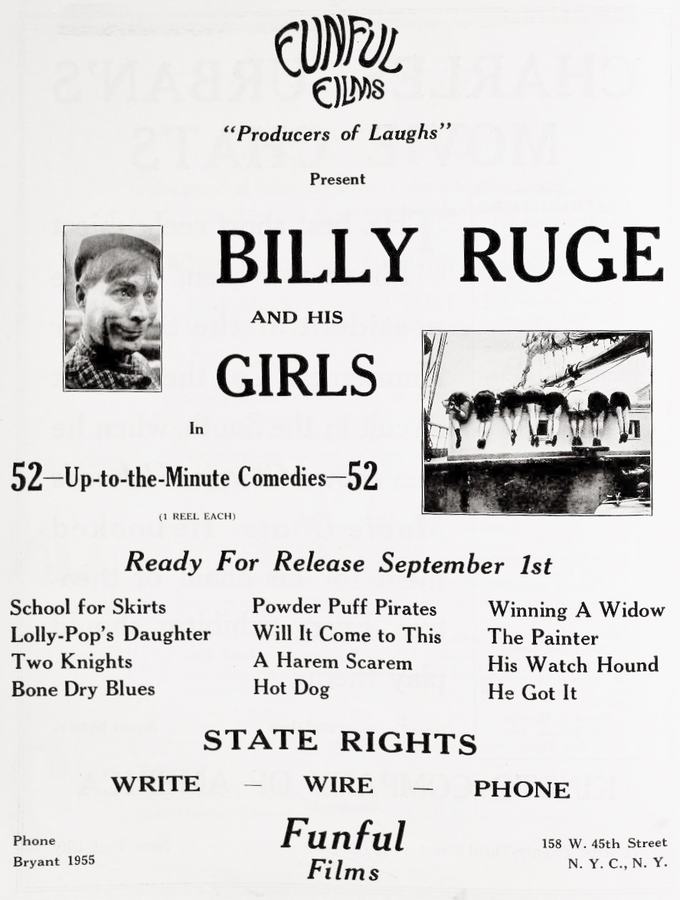
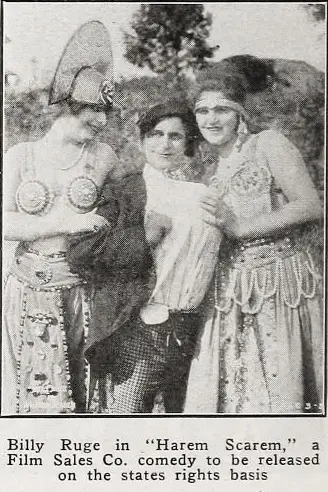
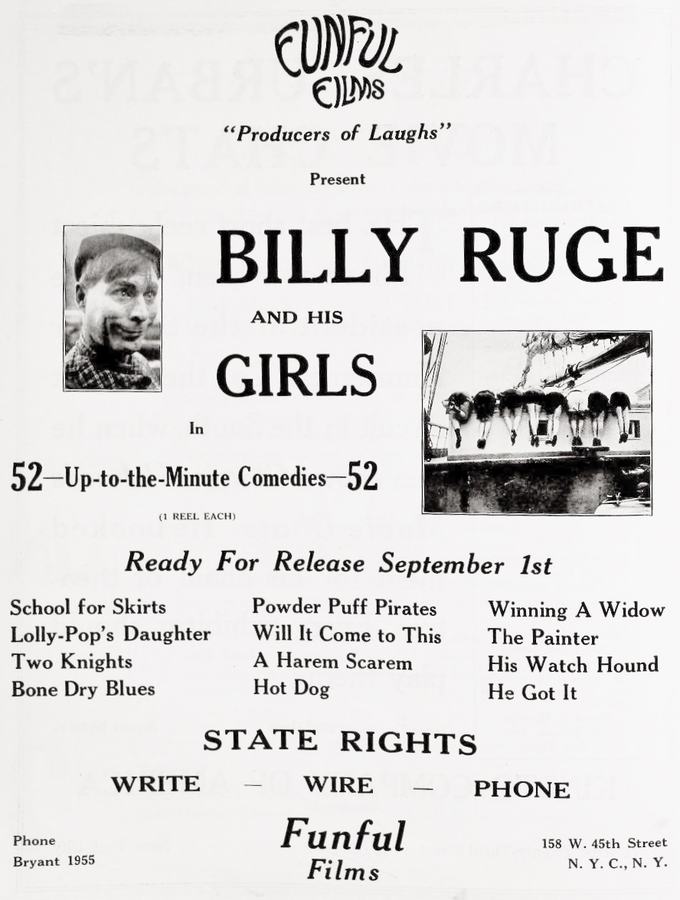
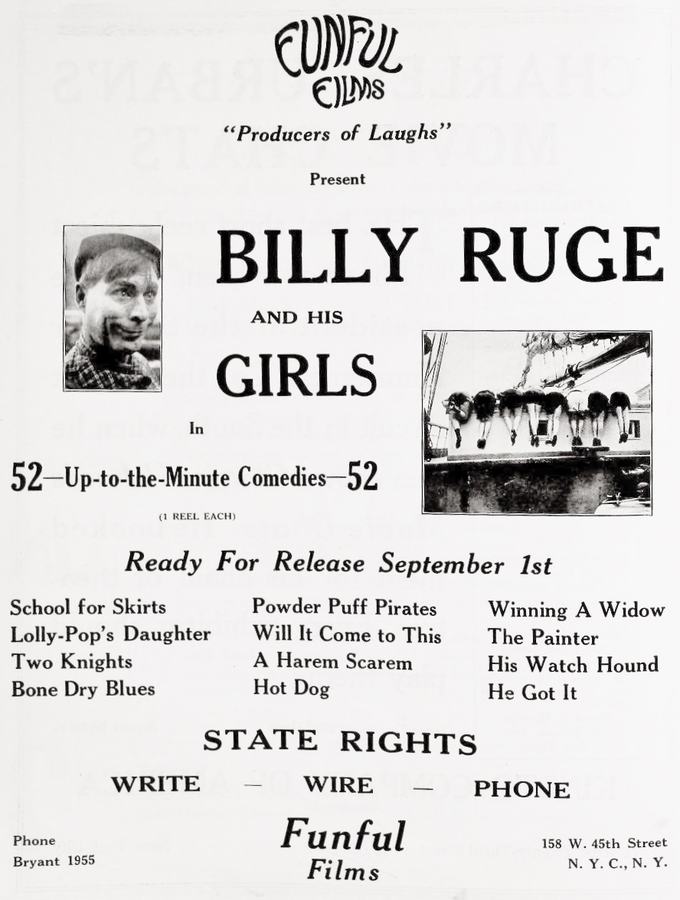
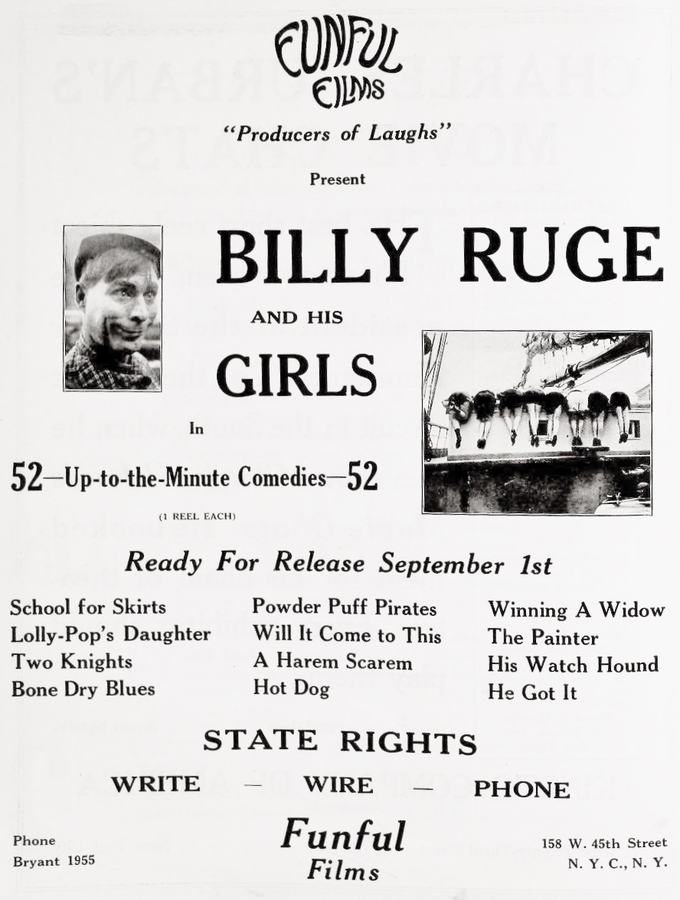
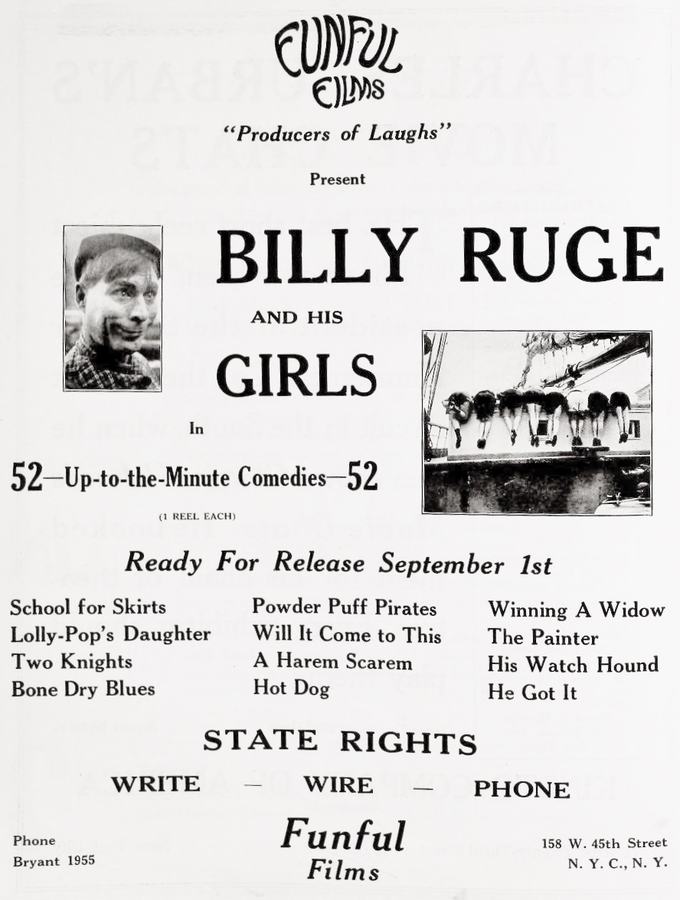
A kaleidoscope of celluloid delirium, Harem Scarem (1920) pirouettes on the knife-edge between slapstick anarchy and erotic daydream, flinging its grease-painted protagonist Billy Ruge into a labyrinth of gauzy curtains, tremulous odalisques, and malfunctioning trapdoors where every shimmy is a Freudian slip and every pratfall a political coup. The plot, if one dares tether this firecracker to narrative earth, concerns a hapless tailor mistaken for a sultan when a crate of harem silks parachutes onto his rooftop; within minutes he is swept through trapdoor souks, hallucinatory bathhouses, and mirror-mad seraglios where hourglass silhouettes multiply like libidinous math. Rival chamberlains, their eyes raccooned in kohl, swap wives, twins, and identities with the velocity of a cardsharp on amphetamines, while a chorus of veiled dancers wield tambourines like circular saws, slicing the soundtrack (mute though it may be) into ribbons of visual cymbal-crash. The film’s climax—a chase across minarets that melt into New York tenements—anticipates surrealist jump-cuts by a full decade, collapsing orientalist fantasy into immigrant anxiety so vertiginously that the screen itself appears to hyperventilate. When the tailor finally unmasks the ‘real’ sultan, he finds only his own reflection, warped by a funhouse mirror etched with the words: ‘Desire is a rented robe.’ Cut to blackout; the audience is left holding a hot coin that burns identity off every fingerprint.
Review Excerpt
"
Imagine, for a moment, that Harem Scarem is not a film but a fever you catch in a Turkish bathhouse somewhere between sleep and hangover. The projector clatters like a brass teakettle, and suddenly Billy Ruge—rubber-limbed, moon-faced, a Groucho mustache that looks as if it might crawl off his lip—vaults across the frame in a corset stolen from a harem guard. The gag lands before you can clock the anachronism; the corset is Renaissance, the fez Ottoman, the flapper fringe 1920s, all stitched ..."