DbcultAccessing Vault...
4.9/10
Senior Film Conservator
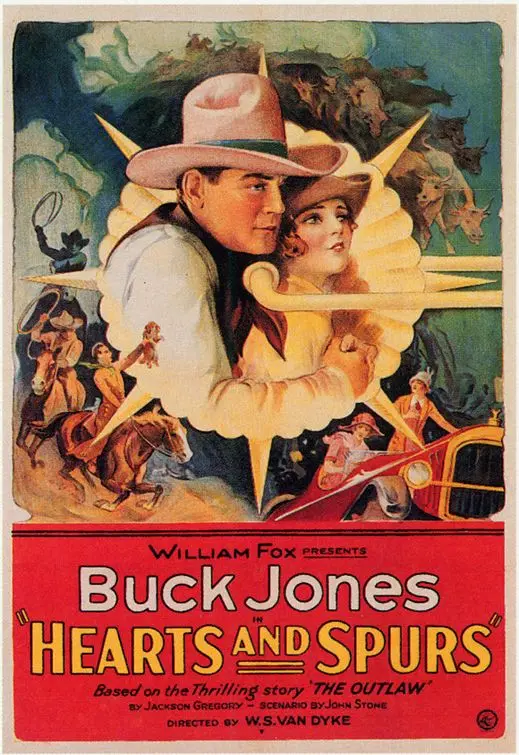
A definitive 4.9/10 rating for a film that redefined the boundaries of cult cinema. Hearts and Spurs remains a cornerstone of transgressive art.
The silent Western is often dismissed by contemporary audiences as a relic of simplistic morality and over-the-top gesticulation, yet Hearts and Spurs (1925) stands as a testament to the sophisticated visual storytelling that Fox Film Corporation championed during the mid-twenties. At its core, the film is a fascinating study of the collision between Eastern gentility and Western pragmatism, a theme that resonates through the dusty trails and jagged rock formations of its setting.
Buck Jones, portraying Hal Emory, delivers a performance that is remarkably restrained for the period. While his contemporaries might have leaned into the theatricality of the stage, Jones utilizes his physical presence to convey a sense of innate justice. There is a specific gravitas to his movements—the way he sits in the saddle, the economy of his gestures—that suggests a man who has been shaped by the elements rather than the salon. Unlike the protagonists in The Lucky Devil, who often rely on the novelty of speed and modern machinery, Jones’s Emory is a throwback to a more elemental form of heroism. He is the silent guardian, a precursor to the archetypal loners that would later populate the films of John Ford and Howard Hawks.
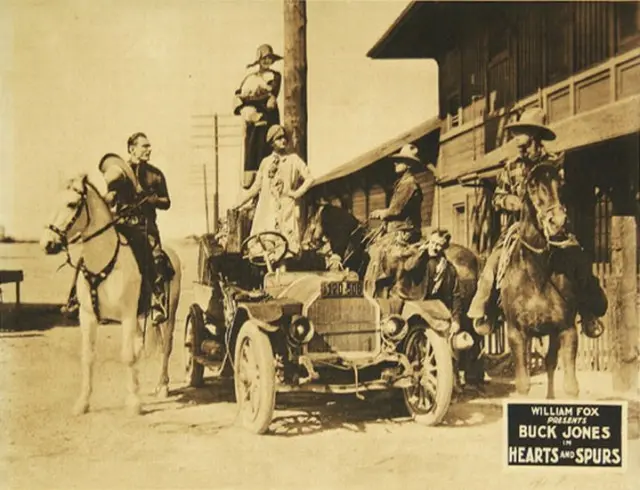
For the modern cinephile, the primary draw of Hearts and Spurs is undoubtedly the presence of a young Carole Lombard, then billed simply as Carol. Though she had appeared in minor roles previously, her turn as Sybil Estabrook showcases the luminous screen presence that would eventually make her the queen of screwball comedy. Even in this dramatic, somewhat formulaic role, her eyes possess a communicative power that transcends the lack of dialogue. She isn't merely a damsel in distress; there is a burgeoning intelligence in her portrayal. When compared to the female leads in American Maid, Lombard brings a contemporary freshness to the screen that feels decades ahead of its time.
The screenplay, penned by Jackson Gregory and John Stone, utilizes the trope of the 'wayward brother' to great effect. Oscar Estabrook (Freeman Wood) serves as the perfect foil to Hal Emory. Oscar represents the failure of the 'civilized' world to adapt to the rigors of the frontier. His descent into gambling and eventual criminality under the thumb of Victor Dufresne (William B. Davidson) provides the necessary friction for the plot to ignite. The stagecoach robbery is not just a crime; it is a symbolic rupture of the social order. When Hal Emory decides to take the blame for Oscar’s actions, the film shifts from a standard Western into a melodrama of high stakes. This theme of self-sacrifice for the sake of a loved one's reputation is a recurring motif in silent cinema, often seen in works like La Destinée de Jean Morénas, where the weight of one man's choice defines the destiny of many.
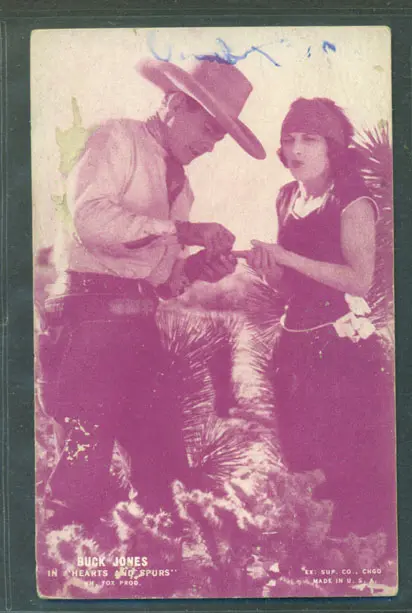
The cinematography in Hearts and Spurs is surprisingly dynamic. The landslide sequence, in particular, is a marvel of 1920s practical effects and location scouting. The sheer scale of the falling debris creates a visceral sense of peril that CGI struggles to replicate today. It is during these moments that the film truly breathes, escaping the confines of the studio to embrace the rugged beauty of the landscape. The contrast between the dark, shadowy interiors of the card rooms—where Dufresne weaves his webs—and the blindingly bright exteriors of the plains mirrors the internal struggle between Oscar’s corruption and Hal’s purity. This visual dualism is a hallmark of the era’s best productions, similar to the atmospheric tension found in Pagan Passions.
William B. Davidson portrays Dufresne with a oily, sophisticated menace. He is not the typical brawling outlaw; he is a manipulator, a man who uses the rules of the game to destroy those weaker than himself. His interactions with Oscar are laced with a predatory subtext that makes the eventual retribution all the more satisfying. The climax, where Dufresne is eventually dispatched by the very terrain he tried to exploit (dying under falling rocks), provides a sense of cosmic justice that was essential for the audiences of 1925. This 'death by nature' serves as a reminder that in the West, the land is the ultimate arbiter of morality, a concept explored with varying degrees of success in films like Tempest Cody Turns the Tables.
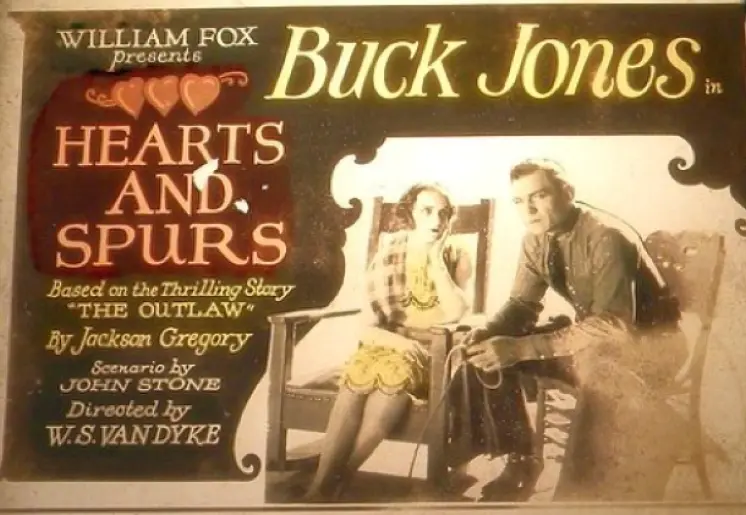
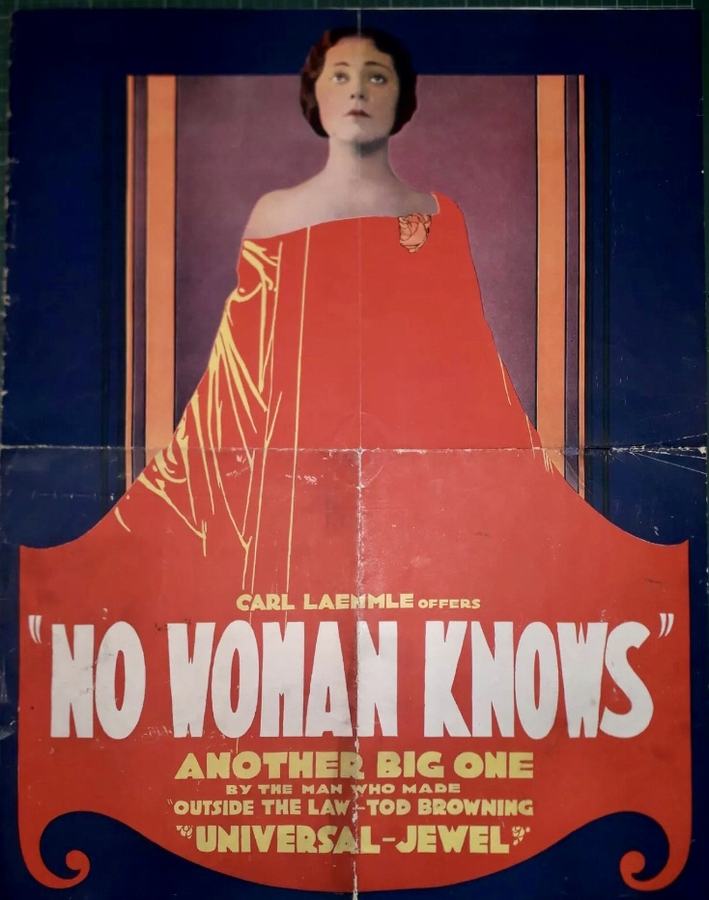
What distinguishes Hearts and Spurs from the assembly-line Westerns of the time is its commitment to character interiority. While the intertitles are sparse, the actors’ ability to convey complex emotional states—shame, longing, betrayal—is paramount. Lucien Littlefield and Jean La Motte provide supporting performances that flesh out the world, making the plains feel inhabited by real people with real histories, rather than mere caricatures. This depth of world-building is reminiscent of the detailed social tapestries found in No Woman Knows, albeit in a vastly different setting.
When viewing this film alongside Bag Filmens Kulisser, one notices the difference between the European approach to narrative structure and the more direct, action-oriented American style. Hearts and Spurs doesn't concern itself with meta-commentary; it is a sincere, earnest exploration of the Western myth. It shares more DNA with The Gypsy Trail in its focus on the romanticized 'outsider' who operates by a personal code of honor that transcends written law. The film also avoids the whimsicality of An Amateur Devil, opting instead for a gritty realism that anchors its more melodramatic flourishes.
The resolution of the film, where Oscar 'settles his account with the law,' is a crucial narrative beat. It refuses to let the character off the hook entirely, suggesting that while Hal’s sacrifice was noble, true redemption requires personal accountability. This nuance is often lost in later Westerns that prioritize the hero’s gunplay over the secondary characters’ growth. The union of Hal and Sybil at the film’s conclusion feels earned, a reward for their shared trauma and mutual recognition of each other’s worth.
In the grand scheme of cinematic history, Hearts and Spurs may not have the epic scale of The Battle of Jutland, but it possesses a rugged intimacy that is equally compelling. It is a film about the spaces between people—the gaps created by class, the bridges built by bravery, and the inevitable collisions of fate. For those looking to understand the evolution of the Western genre, or for those simply wishing to see a Hollywood icon like Lombard in her formative years, this film is an essential piece of the puzzle. It reminds us that even in the silent era, the heart’s cry for justice and love was heard loud and clear through the flickering shadows of the silver screen.
Reviewer's Note: The restoration of this film is vital for preserving the legacy of the Fox Film Corporation's output during the 1920s, a period of immense creative fertility and technical experimentation that paved the way for the Golden Age of Hollywood.
IMDb 5.2
1936
Community
Log in to comment.