DbcultAccessing Vault...
6.5/10
Senior Film Conservator
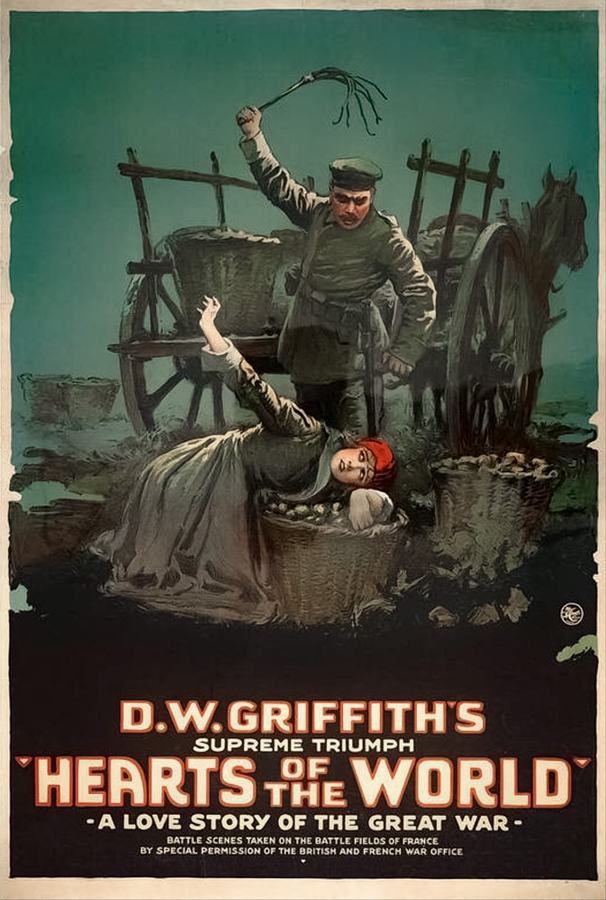
A definitive 6.5/10 rating for a film that redefined the boundaries of cult cinema. Hearts of the World remains a cornerstone of transgressive art.
Stepping back into the cinematic landscape of 1918, D.W. Griffith's Hearts of the World emerges not merely as a film, but as a monumental historical artifact, a vivid, often harrowing, portrayal of the Great War through the lens of human experience. Released while the conflict still raged, this ambitious epic was more than just entertainment; it was a potent piece of pro-Allied propaganda, crafted with Griffith’s signature blend of grand melodrama and groundbreaking realism. Far from a dry historical document, the film plunges the viewer into the idyllic pre-war existence of a quaint French village, only to shatter that pastoral serenity with the brutal advent of the German invasion. It’s a narrative that, despite its century-old vintage, still resonates with a visceral power, a testament to the enduring impact of war on individual lives and collective psyches. Griffith, a titan of early cinema, marshals an impressive ensemble, including the luminous Lillian Gish and the vivacious Dorothy Gish, alongside a young Noël Coward and an uncredited Erich von Stroheim, to weave a tapestry of love, loss, courage, and despair against the backdrop of humanity's most devastating conflict to date. The film stands as a critical benchmark in the evolution of storytelling on screen, pushing boundaries of scale, emotional intensity, and narrative complexity that few had dared to approach.
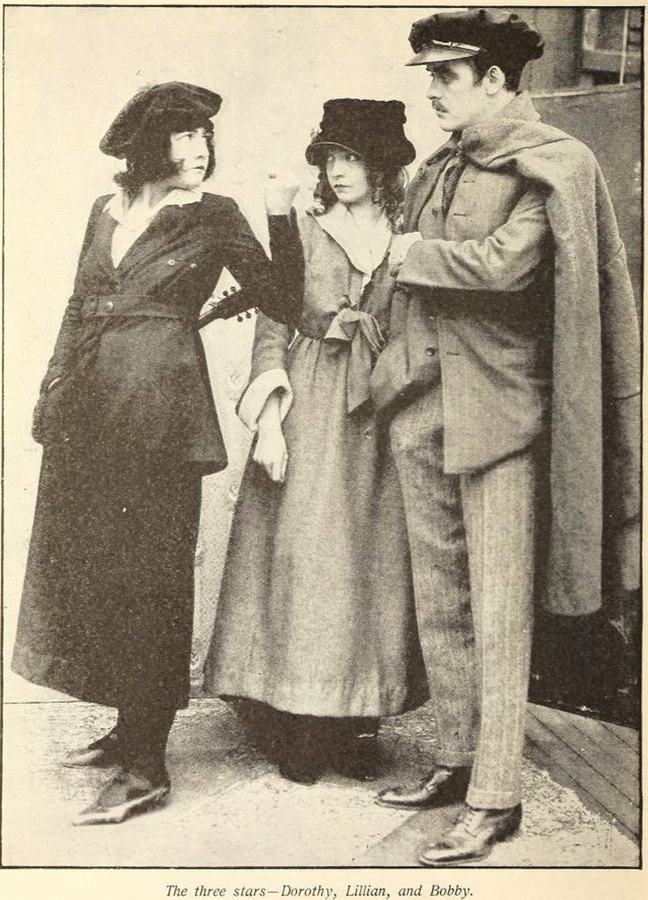
At its core, Hearts of the World is a tragic romance, a poignant tale of two young souls, Marie (Lillian Gish), an American orphan living with her aunt and uncle in France, and the Boy (Robert Harron), a simple, good-hearted villager. Their courtship unfolds with a charming, almost naive innocence, painting a picture of a world on the cusp of profound change, blissfully unaware of the cataclysm about to descend. The early scenes are bathed in a golden glow, evoking a sentimental nostalgia for a lost era, a common theme in many films of the period, including those with similar pastoral beginnings like The Seventh Noon. However, this tranquility is violently disrupted as the German war machine rolls through, shattering homes, lives, and the very fabric of the community. The Boy is swept into the conscription effort, leaving Marie to face the horrors of occupation. Her family, including her younger sister (Dorothy Gish), and the broader village population, portrayed by a diverse cast including Adolph Lestina, George Nichols, George Fawcett, and Louise Emmons, endure starvation, brutality, and the constant threat of violence. The film meticulously details the psychological and physical toll of war, moving beyond mere battle scenes to depict the insidious degradation of daily life under hostile rule. Marie's journey becomes one of desperate survival and an unwavering quest to find her beloved, a testament to the human spirit's capacity for hope even in the bleakest circumstances. The contrast between the initial idyllic scenes and the later desolation is stark, a powerful cinematic statement on war's destructive power.
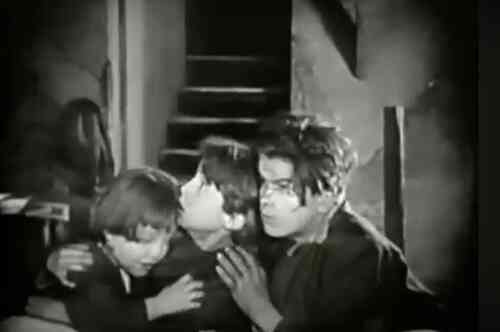
D.W. Griffith, already a master of cinematic spectacle and narrative innovation, brought all his considerable talents to bear on Hearts of the World. His direction is a fascinating blend of the overtly melodramatic, characteristic of silent cinema, and a striving for gritty realism, particularly in his depiction of the trenches and the ravaged French countryside. The film’s propaganda elements are undeniable; the German soldiers are frequently portrayed with a cartoonish villainy, exemplified by the menacing presence of an uncredited Erich von Stroheim as a German officer. This portrayal, while perhaps simplistic by modern standards, served a clear purpose in rallying Allied sentiment during wartime. Yet, even amidst these broad strokes, Griffith's genius for visual storytelling shines through. He employs groundbreaking techniques in editing, particularly cross-cutting between the lovers' separate ordeals, to heighten suspense and emotional impact. The scale of the production is immense, featuring real battle footage interspersed with meticulously staged sequences, lending an authenticity that was rare for its time. The use of close-ups, a technique Griffith pioneered, allows for an intimate connection with the characters' emotional states, drawing the audience deeper into their suffering and resilience. While some might critique the film's heavy-handed sentimentality or its stark moral binaries, it's crucial to view it within its historical context. Griffith was not merely telling a story; he was creating a powerful cultural artifact intended to influence public opinion and galvanize support for the war effort, much like other persuasive narratives of the era such as Mothers of Men, which explored societal roles and responsibilities during times of crisis. His ability to craft such an expansive and emotionally resonant narrative, despite the limitations of silent film technology, underscores his unparalleled vision and enduring influence on the medium.
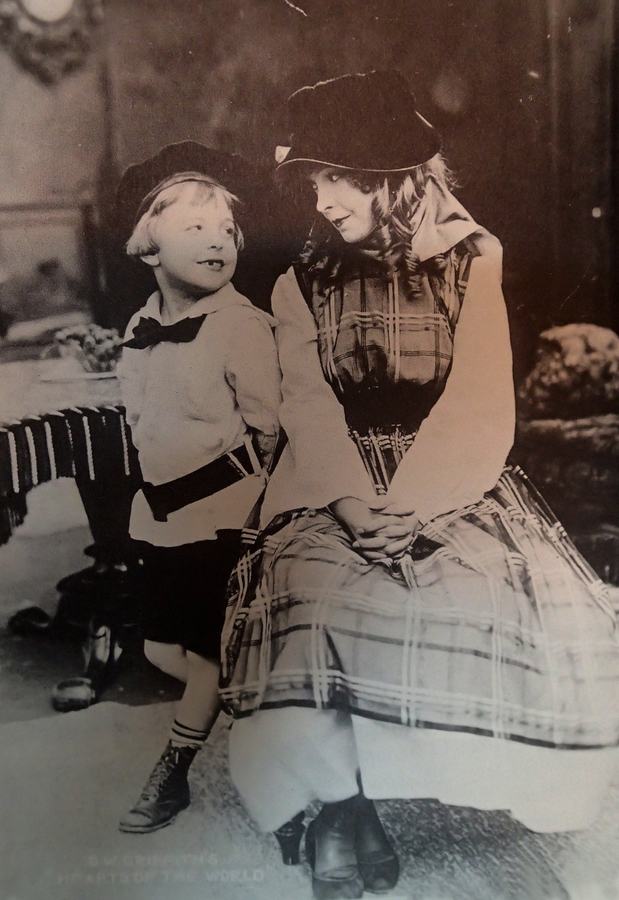
The performances in Hearts of the World are, in many instances, nothing short of remarkable, anchoring Griffith's ambitious vision with profound human emotion. Lillian Gish, as Marie, delivers a performance of astonishing depth and vulnerability. Her expressive face, a canvas for every nuance of fear, hope, and despair, carries much of the film’s emotional weight. She embodies the innocent victim transformed by war, yet never losing her inner strength. Her sister, Dorothy Gish, provides a spirited, often comedic, counterpoint, injecting moments of much-needed levity amidst the grim realities. Her character's resilience and youthful defiance are particularly memorable. Robert Harron, as the Boy, portrays a convincing everyman, his journey from village sweetheart to battle-hardened soldier forming a crucial arc. The film also boasts an intriguing array of supporting players, many of whom would go on to significant careers or were already established figures. A very young Noël Coward makes an early, albeit brief, appearance as a village idler, offering a glimpse of the future theatrical legend. Erich von Stroheim, though uncredited, is chillingly effective as a German officer, his sneering villainy perfectly suiting the film’s propaganda aims. Other notable cast members like Marion Emmons, Mary Gish, Mary Harron, Ben Alexander, L. Lowry, Kate Bruce, Yvette Duvoisin, Fay Holderness, Francis Marion, Robert Anderson, Mae Clarke, Bettie Mae Clarke, Valerie Germonprez, Herbert Sutch, Jack Cosgrave, Elizabeth Asquith, Josephine Crowell, Mary Hay, Anna Mae Walthall, Eugene Pouyet, and George Siegmann, collectively contribute to the rich tapestry of village life and wartime struggle. Their collective efforts, under Griffith’s meticulous guidance, ensure that the characters, despite the often broad strokes of silent film acting, feel authentically human, their plights genuinely moving. The film's success in portraying such a wide spectrum of human experience owes much to the collective talent assembled, transforming potentially one-dimensional roles into compelling figures of a war-torn world.
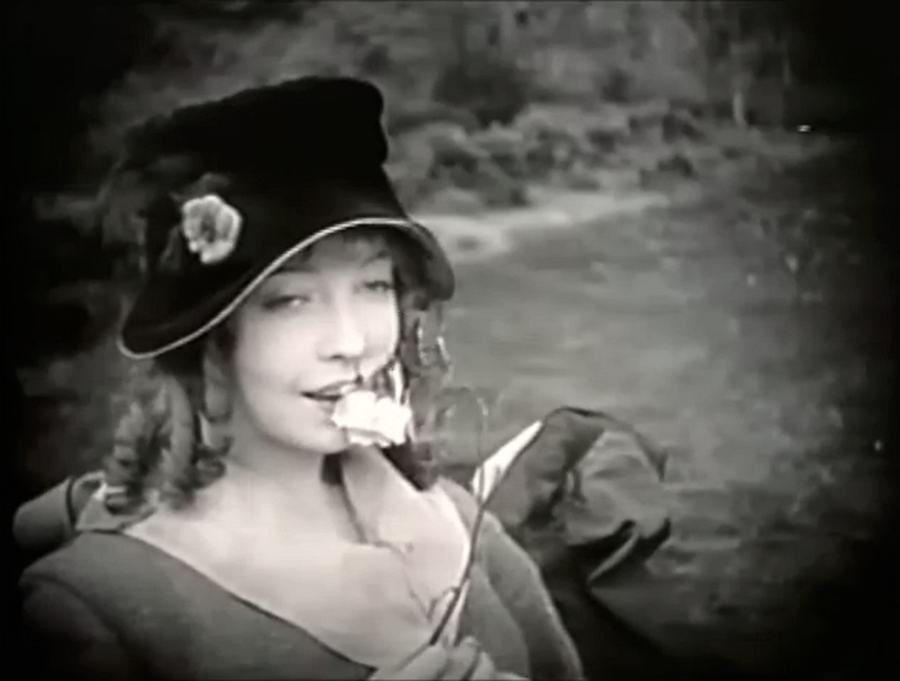
Beyond its romantic core and propaganda agenda, Hearts of the World delves into profound themes that transcend its immediate historical context. It is a powerful meditation on the nature of sacrifice, not just on the battlefield but in the daily lives of civilians. The villagers’ struggle for food, dignity, and survival under occupation highlights a different kind of heroism, one born of quiet endurance. The film vividly portrays the obliteration of innocence, both individual and collective, as the war irrevocably alters the landscape and the human spirit. The transformation of the idyllic French village into a ravaged wasteland serves as a potent visual metaphor for the broader destruction wrought by war. Griffith doesn't shy away from depicting the brutality of conflict, showing the dead and wounded, the bombed-out buildings, and the psychological trauma inflicted upon survivors. While it is a product of its time, and its portrayal of the enemy might seem simplistic to a modern audience, the film’s underlying message about the universal suffering caused by war remains impactful. It speaks to the resilience of the human spirit, the enduring power of love and family bonds in the face of unimaginable adversity. This resilience, the flicker of hope in the darkest hours, is a theme that echoes through countless war narratives, from contemporary dramas to earlier works like Destiny's Toy, which also explored the struggle against overwhelming odds. The film, in its own grand, often operatic, manner, captures the indelible scars that conflict leaves on individuals and nations, a testament to the fact that while battles may end, their echoes reverberate for generations.
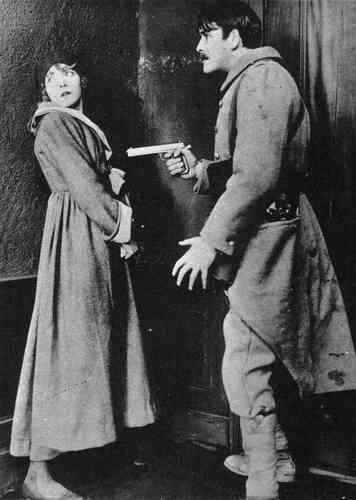
Hearts of the World, like much of D.W. Griffith's oeuvre, occupies a complex but undeniably crucial place in cinematic history. As a piece of wartime propaganda, it served its immediate purpose with considerable force, shaping public perception and support for the Allied cause. Yet, its significance extends far beyond its political utility. It further cemented Griffith's reputation as a master storyteller and an innovator, showcasing his continued development of cinematic grammar – from sophisticated editing techniques to the nuanced use of close-ups and long shots. The film's grand scale and its ambition to capture the sweeping narrative of a global conflict on screen set a new benchmark for epic filmmaking. While some of its melodramatic flourishes and simplified characterizations might seem dated today, they were integral to the storytelling conventions of its era. Its influence can be seen in subsequent war films, and indeed, in the very language of cinema itself. The sheer audacity of Griffith to take his cameras into the war zone, or at least to recreate it with such painstaking detail, was unprecedented. It was a film that resonated deeply with audiences of its time, offering both a reflection of their anxieties and a rallying cry for their resolve. Even today, watching Hearts of the World offers more than just a glimpse into a historical event; it provides a window into the artistic and social sensibilities of a bygone era. It reminds us of the power of cinema not only to entertain but to inform, to persuade, and to bear witness to the defining moments of human history. For anyone interested in the foundational works of cinema, or the cultural impact of World War I, this film remains an essential, if at times challenging, viewing experience, a powerful testament to the enduring vision of one of cinema's true pioneers. Its raw emotionality, despite a century of technological and narrative advancements in film, still manages to pierce through, affirming the timeless human struggle for peace amidst the chaos of conflict, much like the profound explorations of the human condition found in films such as The Unknown or Humanity, which similarly grappled with societal pressures and personal crises. Griffith's work here, imperfect as it may be by modern standards, represents a pivotal moment in the art form's journey towards its full expressive potential.
IMDb 6.2
1931
Community
Log in to comment.