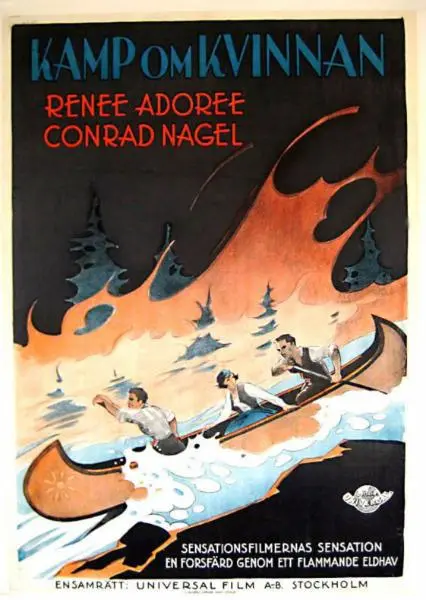
Is 'Heaven on Earth' worth watching today? Short answer: yes, but with a significant caveat. This 1927 silent romance is a fascinating historical artifact, perfect for those deeply invested in early cinema's evolving narrative forms and the magnetic star power of Renée Adorée, yet it will likely test the patience of casual viewers accustomed to modern pacing.
It's a film for cinephiles, historians, and anyone who appreciates the foundational storytelling techniques of the silent era. It is emphatically not for those seeking a quick, easily digestible narrative or high-octane spectacle. You need to meet this film on its own terms, and if you do, it offers genuine rewards.
This film works because of its surprisingly strong central performances, particularly from Renée Adorée, and its thematic ambition to explore personal freedom against societal strictures.
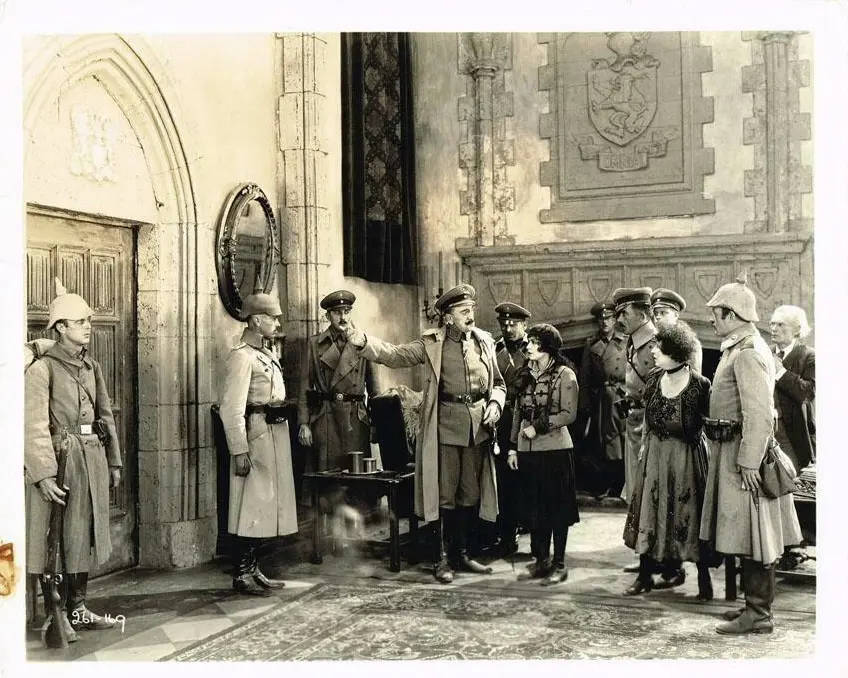
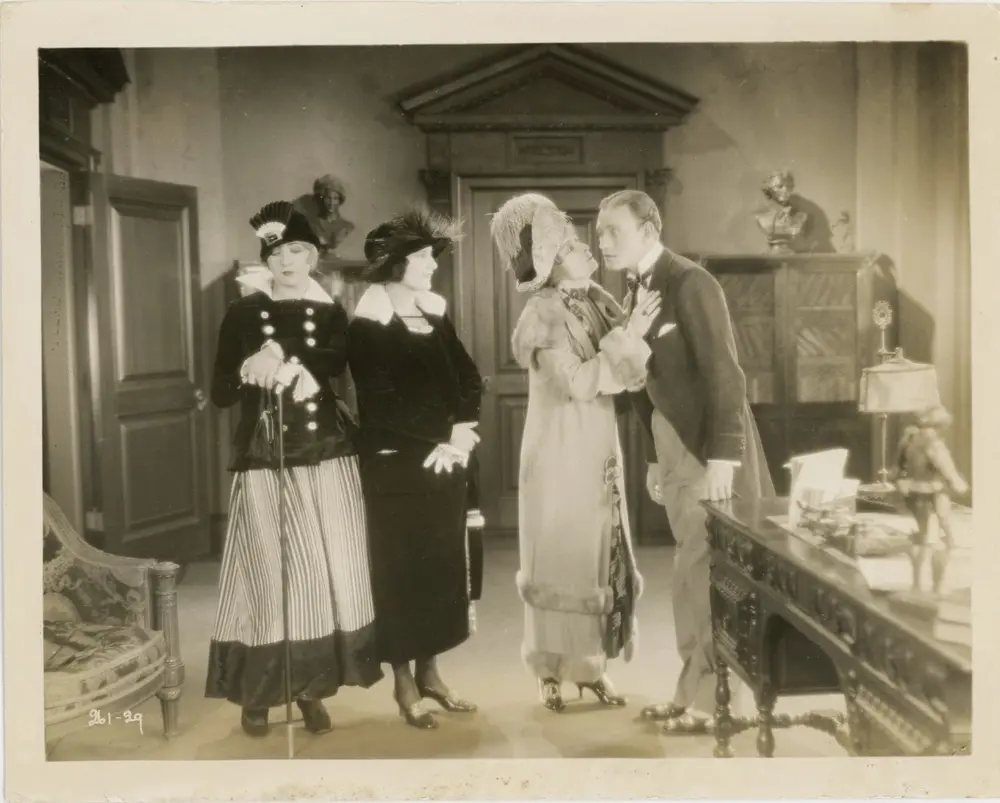
Scene from Heaven on Earth
Cinematic perspective: Exploring the visual vocabulary of Heaven on Earth (1927) through its definitive frames.
This film fails because of its occasionally languid pacing, which can feel indulgent, and a subplot involving war that, while dramatically convenient, lacks the emotional resonance of its core romance.
You should watch it if you appreciate the artistry of silent era acting, romantic dramas with a touch of social commentary, or are keen to witness the early development of cinematic narrative.
A Rebellion of the Heart: Unpacking the Narrative
'Heaven on Earth' is, at its core, a story of liberation. Edmond Durand, portrayed by Conrad Nagel, is introduced as a young man suffocated by circumstance. His aunt, played with an imposing sternness by Marcia Manon, embodies the rigid, industrial future laid out for him: a life tied to the silk mill. This isn't just a career; it's a destiny imposed, a soul-crushing obligation that speaks to the anxieties of a rapidly industrializing world.
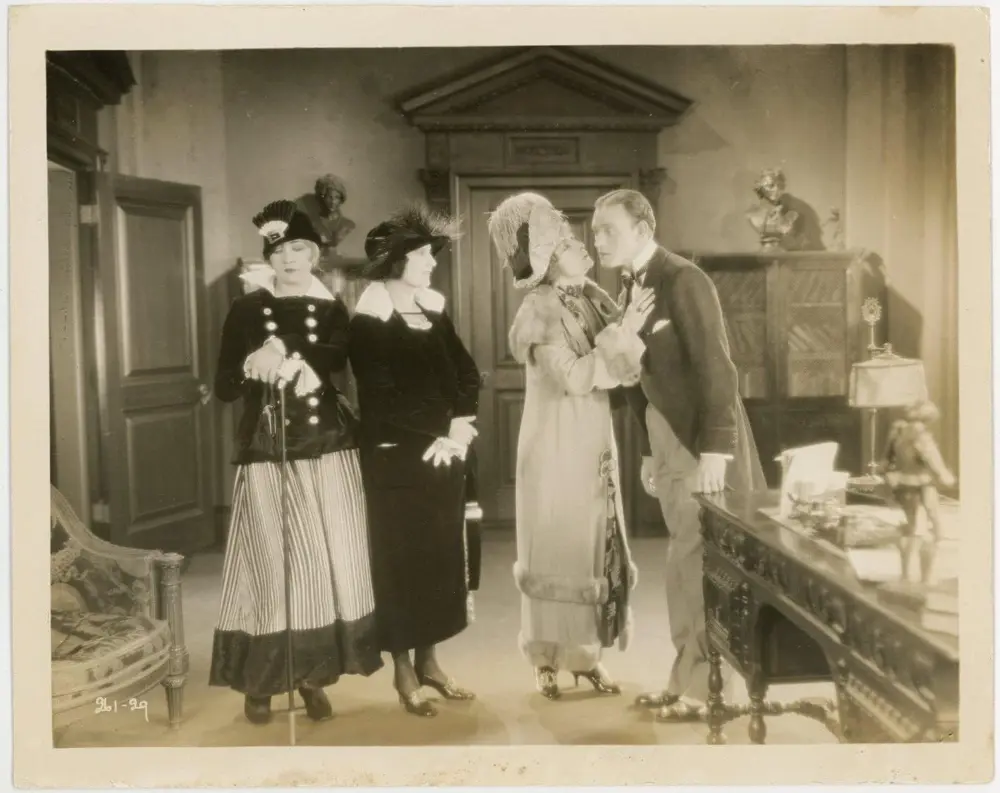
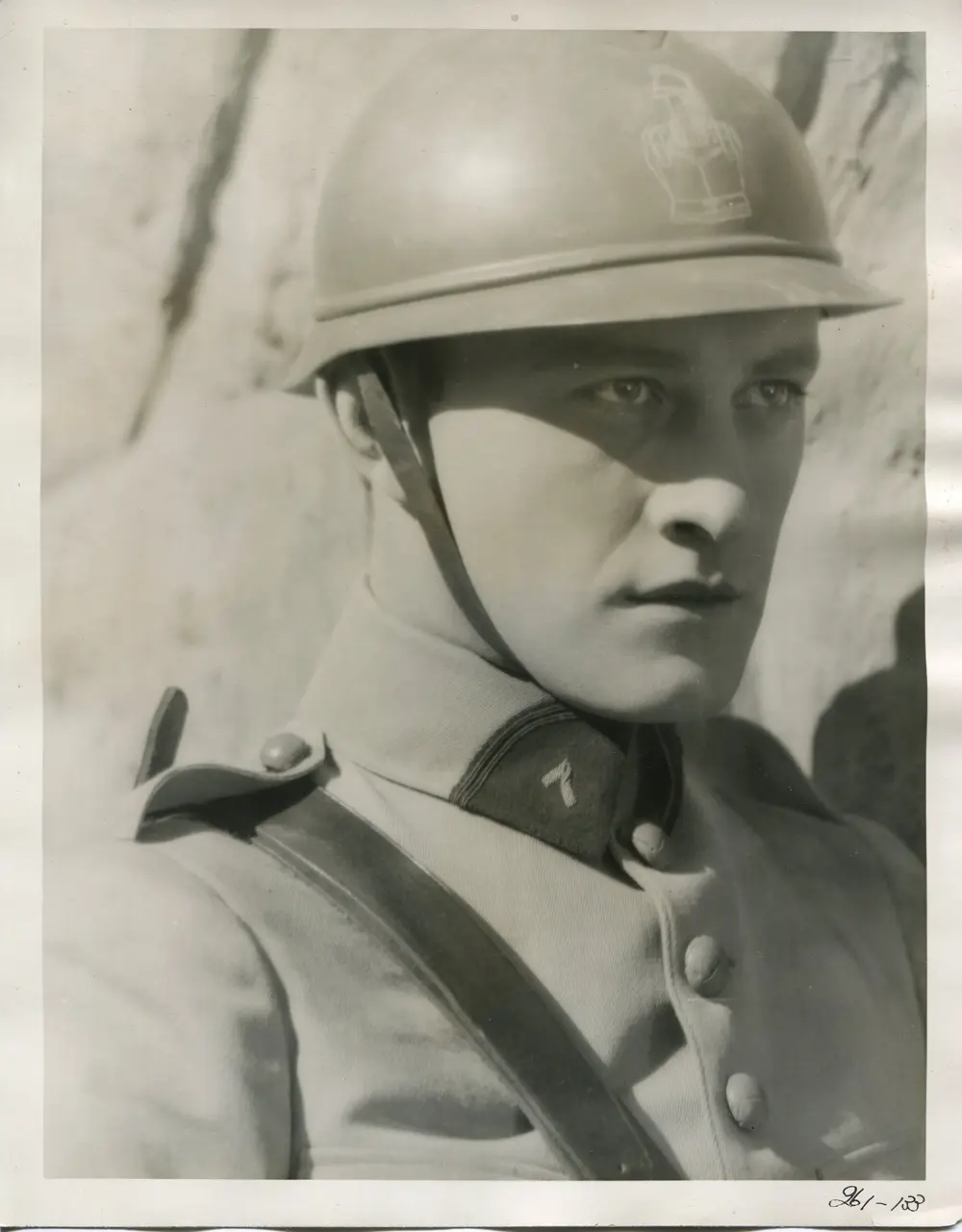
Scene from Heaven on Earth
Cinematic perspective: Exploring the visual vocabulary of Heaven on Earth (1927) through its definitive frames.
His escape, therefore, is not merely a youthful indiscretion but a profound act of self-definition. When he encounters Marcelle, the Gypsy girl played by Renée Adorée, it’s less a chance meeting and more a collision of two opposing philosophies. Marcelle represents the untamed, the free, the spontaneous. Her very presence is an antidote to the mill’s mechanical rhythm and his aunt’s autocratic grip.
The film then shifts into a romantic odyssey, as Edmond and Marcelle roam the French countryside with a Gypsy caravan. This section is where the film truly breathes, visually contrasting the open fields and communal life with the earlier, claustrophobic settings. It’s a deliberate choice by director Emmett J. Flynn, emphasizing the visual language over dialogue, a hallmark of powerful silent storytelling.
However, the narrative isn't without its contrivances. The inadvertent separation of the lovers feels less like an organic development and more like a necessary plot device to inject conflict. Similarly, the outbreak of war serves as a convenient backdrop for their eventual reunion, rather than deeply integrating into their personal struggles. It works. But it’s flawed.
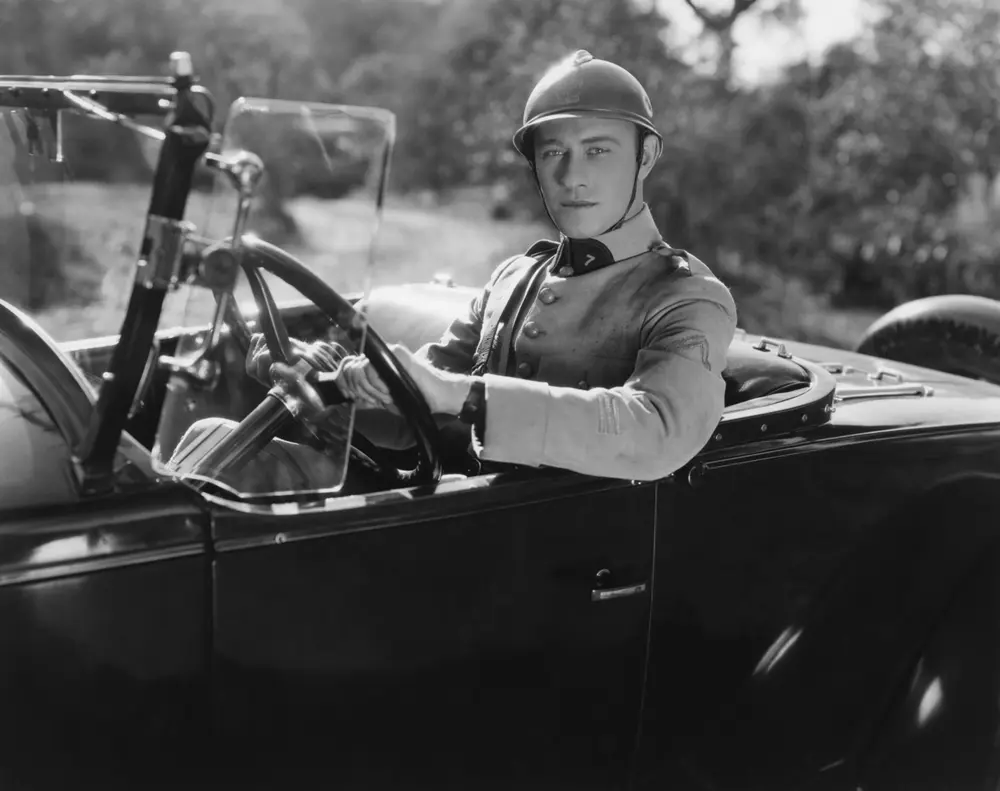
Scene from Heaven on Earth
Cinematic perspective: Exploring the visual vocabulary of Heaven on Earth (1927) through its definitive frames.
Despite these narrative machinations, the film’s central theme—the pursuit of happiness and authenticity over societal pressure—remains potent. It’s a timeless struggle, and 'Heaven on Earth' captures it with a sincerity that transcends its era. This thematic courage is arguably its strongest suit, making it resonate beyond mere historical curiosity.
The Silent Stars: Performances that Speak Volumes
The success of any silent film hinges entirely on its cast's ability to convey emotion and intent without spoken words. 'Heaven on Earth' largely succeeds thanks to its leads. Conrad Nagel, as Edmond, delivers a performance that matures subtly throughout the film. Initially, his portrayal of the stifled, conflicted youth is effective, using wide, searching eyes and a somewhat hesitant posture to convey his character's internal struggle.
His transformation into a man finding freedom is palpable, though perhaps a touch too swift in some sequences. There's a particular scene where he sheds his tailored clothes for simpler attire, a visual metaphor that Nagel executes with convincing earnestness, even if the transition feels slightly abrupt.
Scene from Heaven on Earth
Cinematic perspective: Exploring the visual vocabulary of Heaven on Earth (1927) through its definitive frames.
But it is Renée Adorée who truly lights up the screen. Her Marcelle is vivacious, impulsive, and utterly captivating. Adorée, known for her spirited roles, brings a naturalism to the Gypsy character that avoids most of the era's common melodramatic excesses. Her smile, her gestures, even the way she moves, all convey a profound sense of liberty and joy. When she dances, for instance, there's an uninhibited quality that feels genuinely infectious, a stark contrast to the rigid world Edmond leaves behind.
Her chemistry with Nagel is undeniable, lending credibility to their whirlwind romance. You believe their love, even when the plot mechanics strain credulity. Marcia Manon, as the aunt, is appropriately formidable, a granite-faced embodiment of authority. While her character is somewhat one-dimensional, Manon ensures she is a memorable antagonist, a force of nature against which Edmond's rebellion feels genuinely daring.
One might argue that Adorée's performance, while celebrated, sometimes verges on caricature rather than free spirit. There are moments where her exuberance feels pushed, a common trap in silent cinema where broad strokes were often necessary to communicate emotion. However, these instances are few and far between, and her overall impact is overwhelmingly positive, cementing her as the film's undeniable highlight. Her work here, even compared to her role in Rose of the World, showcases a particular talent for embodying resilient, independent women.
Scene from Heaven on Earth
Cinematic perspective: Exploring the visual vocabulary of Heaven on Earth (1927) through its definitive frames.
Visual Poetry and Pacing: A Critic's Eye
The cinematography in 'Heaven on Earth' is serviceable, often beautiful, but rarely groundbreaking. There are moments of genuine visual poetry, particularly in the scenes depicting the Gypsy caravan traversing the countryside. The wide shots of open roads and rolling hills effectively convey the sense of freedom and expanse that Edmond craves, a stark visual counterpoint to the cramped, oppressive interiors of the mill.
However, the film's pacing is its most significant hurdle for modern viewers. Silent films often operated on a different rhythm, allowing scenes to linger, expressions to develop, and intertitles to fully convey exposition. While this can be meditative and immersive, 'Heaven on Earth' occasionally suffers from sequences that feel drawn out, particularly in the early stages of Edmond's discontent and the initial romantic bliss.
The editing, while competent, doesn't always provide the briskness that could have elevated certain scenes. For instance, the transition from their carefree life to their separation during wartime feels less like an inevitable turn of fate and more like a sudden jolt, highlighting a slight unevenness in the film's narrative momentum. This unevenness is a common characteristic of films from this era, but it's particularly noticeable here when contrasted with the vibrant performances.
The tone generally remains consistent, leaning into romantic drama, but there are fleeting moments of levity and genuine emotion. The film's use of light and shadow, while not as expressionistic as some German contemporaries, effectively establishes mood. The dusty, sun-drenched roads contrast effectively with the more somber, formal settings, visually reinforcing the film's central conflict. One surprising observation is how subtly the film embeds a critique of rigid social structures, using the visual disparity between the industrial and natural worlds to speak volumes without a single intertitle dedicated to the idea.
Is 'Heaven on Earth' Worth Watching Today?
Yes, 'Heaven on Earth' holds significant value for specific audiences. It is a compelling example of silent era romantic drama. Its themes of rebellion against convention and the pursuit of personal happiness remain relevant. The performances, especially Renée Adorée's, are often captivating. However, its pacing demands patience. If you appreciate historical cinema and character-driven stories, you will find it rewarding. If you prefer modern storytelling conventions, you might struggle. It's a film that requires a certain mindset to fully appreciate.
Pros and Cons
Pros:
Renée Adorée's captivating and spirited performance.
Strong thematic core of personal freedom vs. societal expectation.
Engaging chemistry between the lead actors.
Beautifully shot countryside sequences that evoke a sense of liberation.
Offers a fascinating glimpse into silent era narrative techniques and star power.
Cons:
Pacing can be slow and deliberate, testing modern viewers' patience.
Some narrative contrivances, particularly the separation and reunion during wartime, feel less organic.
Secondary characters, while effective, are largely underdeveloped.
The resolution, while happy, is somewhat predictable.
Visuals, while good, are rarely exceptional enough to overcome pacing issues.
Key Takeaways
Best for: Silent film scholars, classic romance enthusiasts, and those interested in early cinematic explorations of rebellion and freedom.
Not for: Viewers seeking fast-paced action, complex modern narratives, or a purely lighthearted, unchallenging viewing experience.
Standout element: Renée Adorée's magnetic and vibrant portrayal of Marcelle, which elevates the film beyond a simple romance.
Biggest flaw: Inconsistent pacing and a reliance on narrative conveniences that occasionally disrupt the emotional flow.
Verdict
'Heaven on Earth' is more than just a relic; it’s a vibrant, if imperfect, testament to the enduring power of silent cinema. Its strengths lie firmly in the performances of its leads, particularly Renée Adorée, who infuses her character with an irresistible spirit. The film's thematic exploration of freedom versus constraint, a timeless struggle, gives it a resonance that still holds today. While its narrative predictability and deliberate pacing might deter some, those willing to immerse themselves in its particular rhythm will find a charming, heartfelt romance with moments of genuine beauty.
It’s not a film that reinvented the wheel, nor does it possess the profound artistic ambition of a F.W. Murnau or a Fritz Lang feature. Instead, it offers a solid, emotionally engaging story, told with the earnestness and dramatic flair characteristic of its era. For fans of silent film, it's a worthwhile journey. For others, it's an accessible entry point into understanding the narrative conventions and star appeal that defined Hollywood almost a century ago. It's a sweet, earnest film, deserving of its place in the annals of romantic drama, even if it occasionally asks for a little extra patience from its audience.