DbcultAccessing Vault...
6/10
Senior Film Conservator
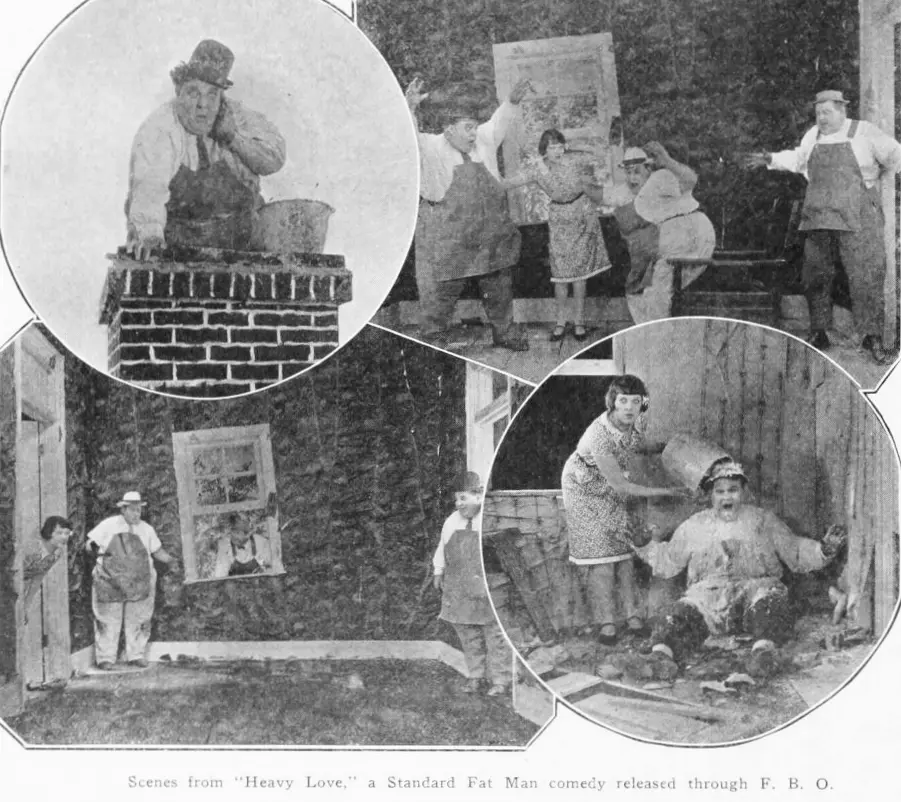
A definitive 6/10 rating for a film that redefined the boundaries of cult cinema. Heavy Love remains a cornerstone of transgressive art.
Short answer: No, but it's a fascinating relic of early American cinema that offers insights into both the genre and the societal norms of the 1920s.
Heavy Love is a silent film from 1926, directed by Edward LeSaint and starring Frank Alexander, 'Kewpie' Ross, Hilliard Karr, and Lois Boyd. The film follows a trio of overweight and incompetent carpenters hired by a young woman to build her dream house. Their bumbling attempts at construction lead to a series of comedic misadventures that skewer both the notion of competence and the social expectations of the time.
This film works because it masterfully blends physical comedy with social commentary, offering a unique perspective on the comedy of errors genre. However, it fails because its humor often relies on outdated stereotypes, making it less appealing to modern audiences. You should watch it if you're interested in exploring the intersection of comedy and social critique in early American cinema.
The performances in Heavy Love are a mixed bag. Frank Alexander, 'Kewpie' Ross, and Hilliard Karr deliver the physical comedy with gusto, their exaggerated movements and facial expressions adding to the film's humor. However, their characters are often reduced to one-dimensional stereotypes, which can be off-putting. Lois Boyd, as the young woman who hires the carpenters, brings a certain charm and grace to her role, providing a welcome contrast to the bumbling men around her.
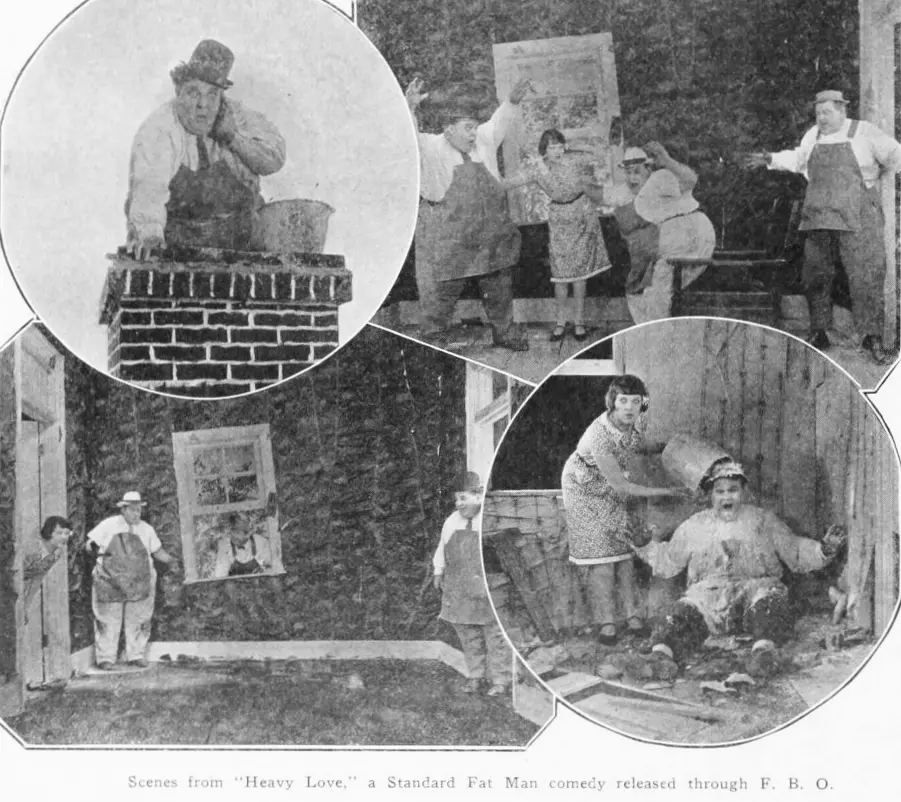
Edward LeSaint's direction is simple yet effective. The film's pacing is brisk, allowing for a steady stream of comedic beats without feeling rushed. The cinematography is straightforward, focusing on the physical humor of the characters and their interactions with the setting. While there are no groundbreaking visual techniques, the film does a good job of using the available technology to enhance the comedic moments.
The pacing of Heavy Love is well-balanced, with a good mix of extended comedic sequences and brief character moments. The tone shifts seamlessly from slapstick humor to moments of pathos, particularly when the carpenters face the consequences of their actions. This tonal range adds depth to the film, making it more than just a series of physical gags.
Heavy Love can be compared to films like Hintertreppe and Circus Days, which also explore the comedy of errors and physical humor. However, it differs from these films in its social commentary, which is more pronounced and pointed in Heavy Love.
While Heavy Love may not be the most innovative or groundbreaking film, it is still worth watching for its unique take on the comedy of errors genre and its social commentary. It offers a fascinating glimpse into the early days of American cinema and provides a platform for exploring themes of competence and societal expectations.
Heavy Love is a fascinating relic of early American cinema. While it may not be the most innovative film, its unique blend of physical comedy and social commentary makes it an essential watch for those interested in exploring the intersection of comedy and social critique in early American cinema. However, it may not be for everyone, particularly those who find outdated stereotypes offensive. Nonetheless, it offers a valuable window into the world of silent film and the societal norms of the 1920s.
IMDb —
1918
Community
Log in to comment.