DbcultAccessing Vault...
6.8/10
Senior Film Conservator
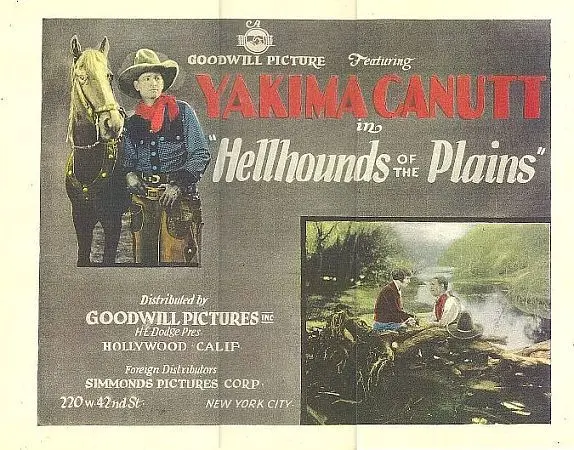
A definitive 6.8/10 rating for a film that redefined the boundaries of cult cinema. Hell Hounds of the Plains remains a cornerstone of transgressive art.
Is Hell Hounds of the Plains worth watching today? Short answer: yes, but with significant caveats that demand a particular kind of viewer. This film is an absolute must-see for ardent silent film enthusiasts, Western genre historians, and those fascinated by early cinematic stunt work, but it will likely prove a challenging, perhaps even frustrating, experience for casual viewers accustomed to modern pacing and narrative conventions.
Released in an era where the Western was rapidly defining itself, Jacques Jaccard's Hell Hounds of the Plains stands as a curious artifact. It's a film that, despite its age, grapples with themes of justice, loyalty, and the corrosive nature of hidden truths. While it might not possess the polished narrative or emotional depth of later classics, its raw energy and historical significance are undeniable.
This film works because of its raw energy and the surprisingly complex moral dilemma at its core, particularly for a silent Western of its time.
This film fails because its narrative economy often sacrifices character depth and emotional resonance for plot mechanics, leaving some of the emotional beats feeling underdeveloped.
You should watch it if you appreciate the foundational elements of the Western, silent film acting, and a story that doesn't shy away from dark family secrets, even if they are conveyed with early cinematic bluntness.
The narrative of Hell Hounds of the Plains is, at its heart, a stark tale of frontier justice complicated by devastating personal stakes. We are introduced to a community plagued by horse rustlers, the titular 'Hell Hounds,' whose activities are more than mere banditry; they represent a breakdown of order in a harsh landscape.
The murder of the local Sheriff acts as the catalyst, propelling Deputy Yak (Cliff Lyons, though largely attributed to Yakima Canutt due to his stunt work and later recognition) into a relentless pursuit. This isn't just a simple manhunt; it's a moral crucible. Yak’s personal life collides with his duty when John Lawson, a respected figure, ties Yak’s marriage to his daughter to the apprehension of the Sheriff’s killer.
What elevates this seemingly straightforward Western premise is the dramatic irony: the audience knows Lawson’s own son is the murderer. This twist introduces a layer of tragic inevitability, forcing the characters toward a confrontation where duty and love are on an inescapable collision course. The film, through its silent narrative, explores the heavy burden of secrets and the devastating consequences of filial loyalty overriding moral rectitude.
It’s a surprisingly dark premise for a film of its era, hinting at a more complex understanding of good and evil than many of its contemporaries. The 'Hell Hounds' become less about the gang itself and more about the internal 'hell' that consumes the family harboring a murderer.
In silent cinema, acting was often a theatrical performance, reliant on exaggerated gestures and facial expressions to convey emotion. Cliff Lyons, credited as Deputy Yak, embodies the stoic Western hero with a physical presence that speaks volumes. His determination is etched into his posture, his resolve clear in his unwavering gaze, even if the nuance of inner turmoil is largely absent by modern standards.
However, the true star of the physical performance, and indeed the film's most enduring legacy, is the uncredited (or later credited) work of Yakima Canutt. Canutt, a legendary stuntman and later a second-unit director, likely performed many of the film's most daring sequences. His contribution to the physicality of the Western hero, visible in the horse chases and falls, is a blueprint for generations of action stars.
Neva Gerber, as Lawson's daughter, provides the romantic interest, her character serving primarily as the emotional anchor for Yak's quest. Her performance, while adequate for the demands of the plot, doesn't allow for significant exploration of her character's internal conflict regarding her father's demand or her brother's actions.
Roy Bassett's portrayal of John Lawson, the patriarch unwittingly protecting a killer, is perhaps the most tragic figure. His blind insistence on justice, unaware of the horror within his own family, creates a poignant, if understated, sense of dramatic irony. The son, played by Jack Woods, is largely a functional villain, his motivations and internal struggles conveyed through broad strokes rather than subtle acting.
Jacques Jaccard’s direction is competent, focusing on clear storytelling and efficient action. He understands the visual language of the Western, prioritizing movement and grand landscapes. While not breaking new ground stylistically, Jaccard effectively stages the chases and confrontations that define the genre, making the most of the available resources and the undeniable talents of his stunt team.
One could argue that Canutt's influence here, even if largely behind the scenes of the action, is more impactful than many of the credited performances. It's a testament to the power of pure, unadulterated stunt work to carry a narrative, a fascinating insight into the evolution of cinematic action.
The cinematography of Hell Hounds of the Plains is functional, yet often evocative of the vast, untamed American West. Shots often prioritize clarity of action and the scale of the environment. We see expansive vistas of the plains, dusty trails, and the rugged terrain that defined the frontier. These shots, while not always artistic masterpieces, ground the narrative in a tangible, if romanticized, reality.
Early silent films relied heavily on visual storytelling to compensate for the lack of dialogue. Intertitles are used to convey crucial plot points, character thoughts, and dialogue, acting as the narrative glue. This method demands a different kind of engagement from the audience, one that balances visual interpretation with textual information.
The pacing of the film, typical of many silent Westerns, alternates between brisk action sequences and more deliberate exposition conveyed through intertitles. Modern viewers might find this rhythm jarring. The film moves quickly through key plot developments, sometimes at the expense of lingering on emotional beats or character reactions.
There's a raw authenticity to the outdoor sequences, captured with natural light, that gives the film a documentary-like quality at times. The dust kicked up by galloping horses feels real. The sun beating down on the riders is palpable. This aesthetic provides a strong sense of place, a key ingredient for any successful Western.
My unconventional observation: the film’s almost detached approach to the Sheriff's murder, focusing more on the subsequent chase and the familial secret, highlights how early Westerns often prioritized the adventure and moral quest over the raw emotional impact of a single violent act. The murder is a plot device, not a moment of profound grief that the audience is invited to share deeply.
Yes, Hell Hounds of the Plains is worth watching, but with a clear understanding of its place in cinematic history. It's not a film that will resonate with everyone, especially those seeking a polished, emotionally complex modern narrative. However, for those interested in the genesis of the Western genre, the evolution of stunt work (particularly with figures like Yakima Canutt), and the unique storytelling conventions of the silent era, it offers significant value.
It serves as an important document of early filmmaking, showcasing how compelling narratives could be crafted without sound. The film provides a window into the thematic concerns and technical limitations of its time. It’s a foundational piece. But it demands patience.
Hell Hounds of the Plains is more than just a relic; it's a vibrant, if imperfect, piece of cinematic history that showcases the foundational elements of the Western genre. While it might not possess the narrative sophistication of later films like The Untamed, its raw energy and the sheer audacity of its stunt work make it a compelling watch for the right audience.
It’s a film that demands you meet it on its own terms, appreciating its historical context and the pioneering spirit that went into its creation. The stunts impress. The story, while potent in premise, sometimes struggles to deliver the emotional punch it promises. Ultimately, it’s a valuable journey back to the roots of American cinema, offering both insight and entertainment, provided you have a taste for the silent era's unique charm.
IMDb —
1913
Community
Log in to comment.