DbcultAccessing Vault...
Cult Review
Senior Film Conservator
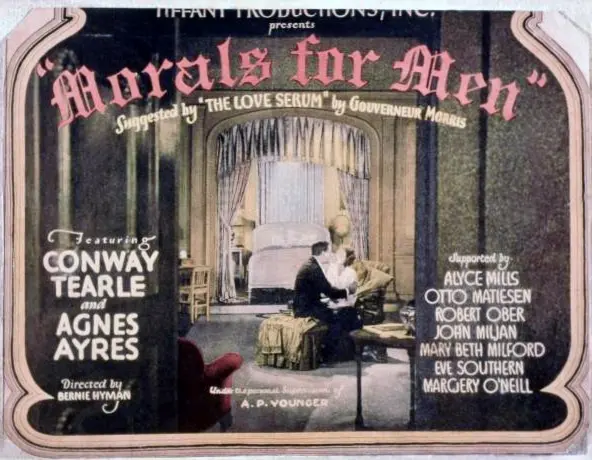
Set in the early 20th century, 'Morals for Men' is a poignant exploration of a civil engineer, Joe Strickland, who finds himself embroiled in a series of morally fraught situations, all of which test his character and the very foundations of his being. As the plot unfolds, we are drawn into a web of deceit, love, and redemption, each layer adding depth and complexity to the narrative.
Joe Strickland, played by Otto Matieson, is a character whose journey begins in a place of disillusionment. He has fallen from grace, living off Bessie Hayes (Alyce Mills), a bootlegger he once considered a friend. This relationship, however, is fraught with complications as Bessie believes Joe is attempting to steal their savings, and they decide to part ways. Bessie, in her own right, opens a manicuring establishment and marries Harvey Larkin, a wealthy man, only to find herself neglected as Harvey becomes engrossed in the company of others.
The plot takes a dramatic turn when Joe saves a society girl, Marion Winslow (Agnes Ayres), from drowning. This act of heroism leads to his reform and subsequent marriage to Marion. However, the happiness seems short-lived as Bessie is blackmailed by Frank Bowman, a former Confederate (Robert Ober), and turns to Joe for help. This introduces a new layer of complexity, as Marion, feeling threatened, becomes jealous and threatens divorce. The situation escalates as Harvey, the husband of Bessie, casts her out when she confesses her past. It is in this intricate web of relationships that the true depth of Joe’s character is tested.
Bessie, played by Marjery O’Neill, finds herself in a precarious position, both morally and socially. She attempts to reconcile Joe and Marion, but in doing so, she realizes that her past actions, no matter how well-intentioned, will forever follow her. This realization leads to a tragic end, as Bessie, unable to bear the weight of her past, commits suicide. The film's conclusion is a poignant reflection on the cyclical nature of human error and the struggle for redemption.
Director Joe Strickland, a clever play on the protagonist's name, weaves a narrative that is both intricate and emotionally resonant. The film's pacing is deliberate, allowing the audience to fully immerse themselves in the characters' struggles and triumphs. The cinematography, by Charles Rosher, captures the essence of the 1920s with a stark, realistic quality that enhances the film's authenticity.
The cast delivers nuanced performances that add depth to their characters. Otto Matieson as Joe Strickland is particularly compelling, portraying a man torn between his past and his desire for redemption. Alyce Mills as Bessie Hayes brings a complexity to the role, making her a multi-dimensional character whose decisions are rooted in a deep sense of morality and survival. Agnes Ayres as Marion Winslow adds a layer of sophistication and vulnerability, making her character's jealousy and insecurity palpable.
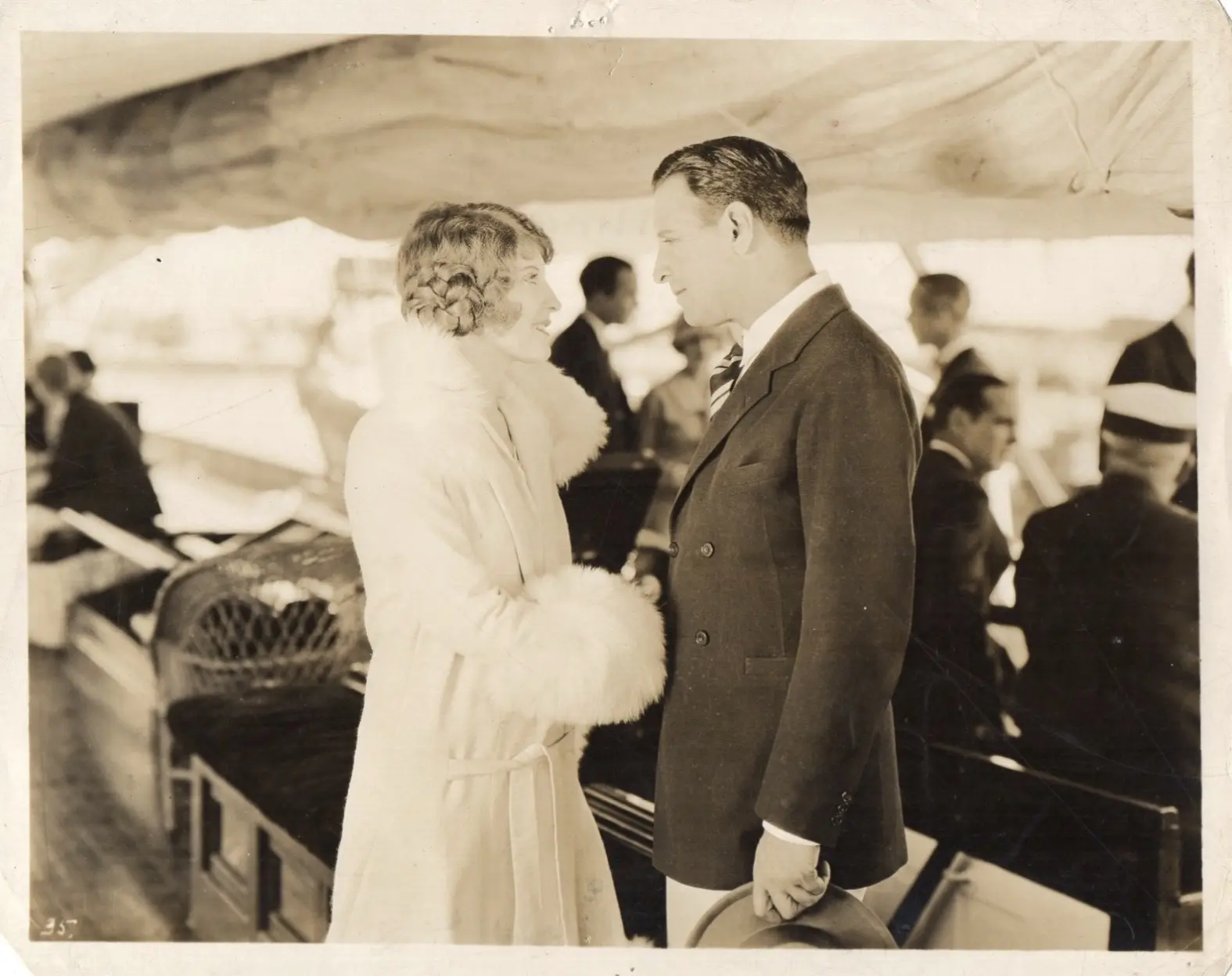
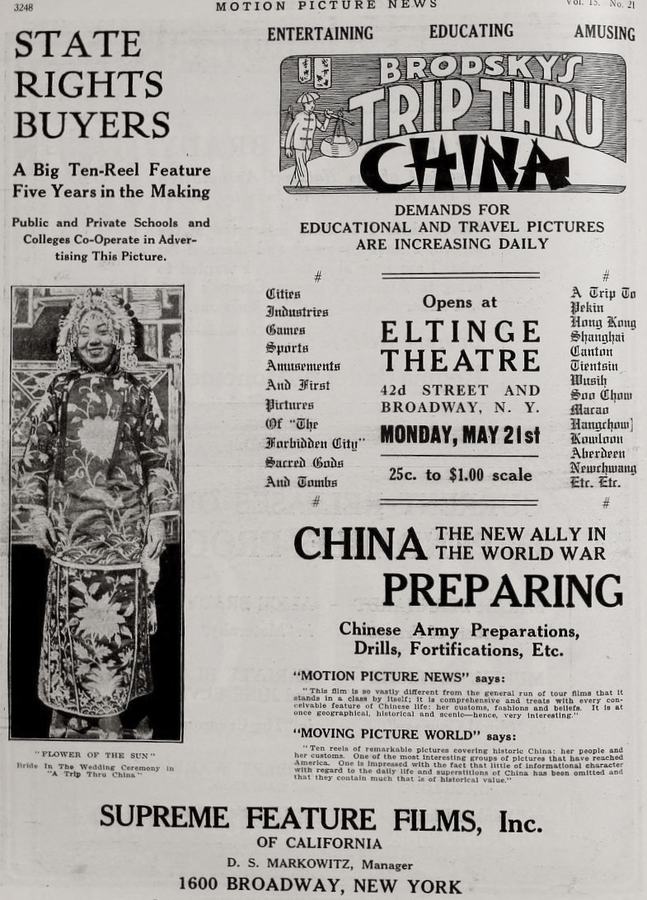
Comparatively, 'West Meets East' (1927) and 'Strike' (1925) offer a stark contrast in their approach to social issues. While 'West Meets East' explores the clash between Eastern and Western cultures, 'Strike' delves into the struggles of workers during a labor dispute. Both films, like 'Morals for Men', tackle the themes of morality and social justice, but 'Morals for Men' does so with a more personal and intimate lens.
The film's exploration of moral dilemmas and social judgments is reminiscent of other films such as 'Fantomas: The Mysterious Finger Print' (1913) and 'Cleaning Up!!?' (1921). In 'Fantomas', the protagonist's descent into villainy is a continuous struggle against societal norms, much like Joe Strickland's journey in 'Morals for Men'. 'Cleaning Up!!?' also explores themes of redemption and societal reintegration, albeit in a more comedic and light-hearted manner.
The emotional weight of 'Morals for Men' is a testament to its enduring relevance. The film's exploration of forgiveness and the cyclical nature of human error resonates with contemporary audiences, offering a poignant reflection on the complexities of moral decision-making. Its nuanced portrayal of human character, combined with a compelling narrative, makes it a must-watch for those interested in classic drama.
The film's exploration of moral dilemmas and social judgments is a powerful commentary on the human condition. It challenges viewers to reflect on their own moral compass and the societal pressures that influence our decisions. 'Morals for Men' is not just a film; it is a mirror held up to society, reflecting the intricate web of human relationships and the ongoing struggle for redemption.
As the credits roll, 'Morals for Men' leaves a lasting impact, a testament to the enduring power of storytelling to explore the complexities of human morality and the unyielding quest for forgiveness. This film is a masterpiece of early cinema, a work that continues to resonate with audiences and filmmakers alike, offering a timeless exploration of the human spirit and the moral struggles that define our lives.
For those interested in delving deeper into the world of early 20th-century cinema, 'Morals for Men' is a film that should not be missed. It is a compelling narrative that offers a rich, nuanced exploration of human character and moral dilemmas. Whether you are a film enthusiast or simply someone interested in the power of storytelling, 'Morals for Men' is a film that will stay with you long after the credits have ended.
IMDb —
1927
Community
Log in to comment.