DbcultAccessing Vault...
5.8/10
Senior Film Conservator
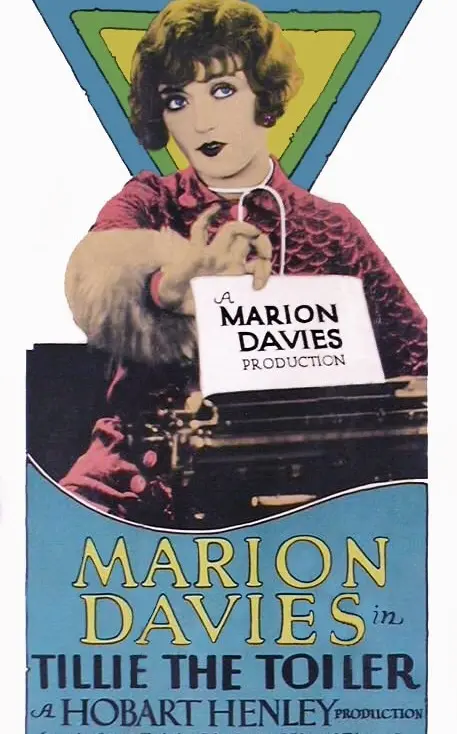
A definitive 5.8/10 rating for a film that redefined the boundaries of cult cinema. Tillie the Toiler remains a cornerstone of transgressive art.
Is Tillie the Toiler a hidden gem of the silent era that demands your attention today? Short answer: Only if you are a devotee of Marion Davies or a student of 1920s social satire; otherwise, it is a pleasant but ultimately lightweight diversion. This film is specifically for those who appreciate physical comedy and the historical evolution of the 'working girl' trope in cinema. It is certainly not for viewers who require narrative complexity or a plot that moves beyond the predictable beats of a Sunday morning comic strip.
1) This film works because Marion Davies possesses an undeniable, kinetic energy that elevates a standard 'dumb blonde' archetype into something far more charismatic and relatable.
2) This film fails because the narrative structure is episodic and thin, relying too heavily on the audience's existing familiarity with the comic strip source material rather than building its own internal logic.
3) You should watch it if you want to see a prime example of how 1920s Hollywood marketed female independence while simultaneously tethering it to the necessity of a 'good marriage.'

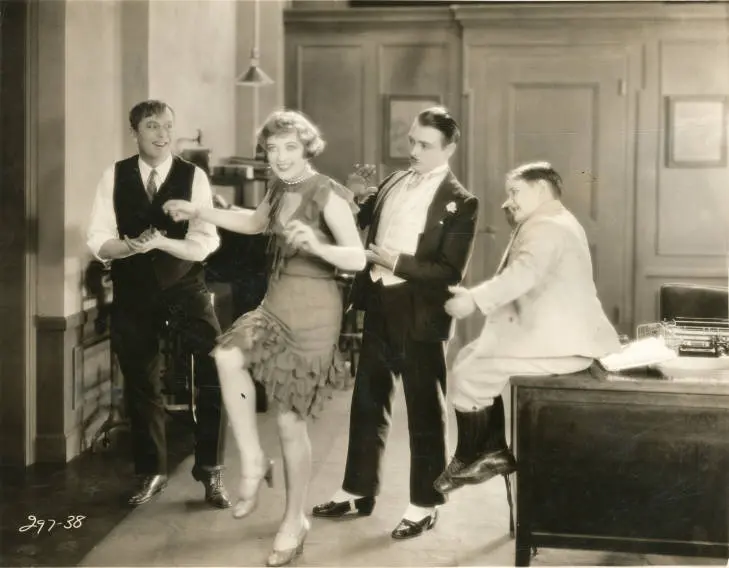
Marion Davies is often unfairly remembered more for her relationship with William Randolph Hearst than for her actual talent. In Tillie the Toiler, she proves she was a formidable comedic force. Her timing is impeccable. Watch the scene where she first enters the office; her gait and the way she handles her shorthand pad aren't just character choices—they are a masterclass in physical characterization. She doesn't just play Tillie; she inhabits the frantic, aspirational spirit of the era.
The film relies on Davies to bridge the gap between the 'beautiful but dumb' label and the reality of a woman navigating a man's world. While the script by Ralph Spence and Agnes Christine Johnston often plays into the stereotype for laughs, Davies adds a layer of knowingness. There is a specific moment when she looks at Pennington Fish—played with a stiff, appropriately boring grace by George K. Arthur—where you can see the gears turning. She isn't just a passive object of desire; she is a tactician of her own life.
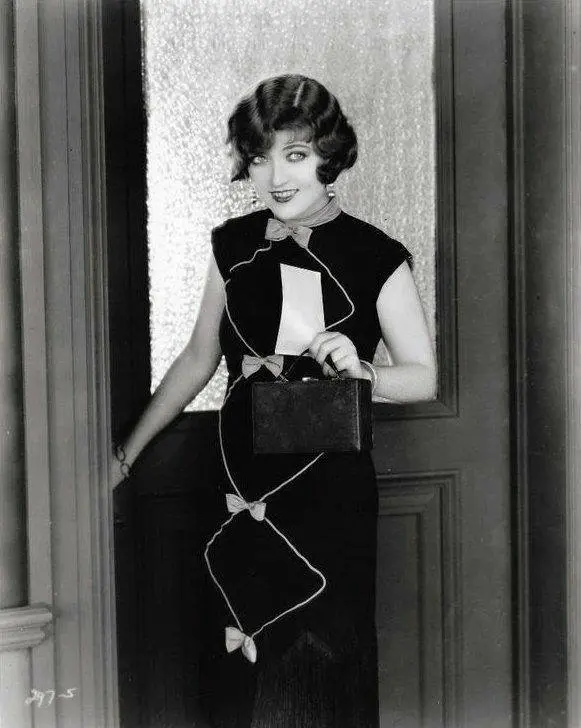
The theme of social climbing was a staple of the 1920s, and Tillie the Toiler handles it with more levity than contemporaries like The Exiles. While other films of the period focused on the tragedy of displacement, Tillie treats the leap from the typewriter to the mansion as a series of comedic hurdles. It shares a certain DNA with Dodging a Million, where the absurdity of wealth is used as a backdrop for character growth.
However, unlike the more slapstick-heavy In Society, Tillie remains grounded in the reality of the office. The set design of the stenography pool is claustrophobic and grey, which makes the eventual transition to the Fish estate feel like a technicolor dream in a black-and-white world. The cinematography captures this contrast effectively, using sharp lighting in the office scenes to emphasize the drudgery and softer, more diffused light for the romantic subplots.
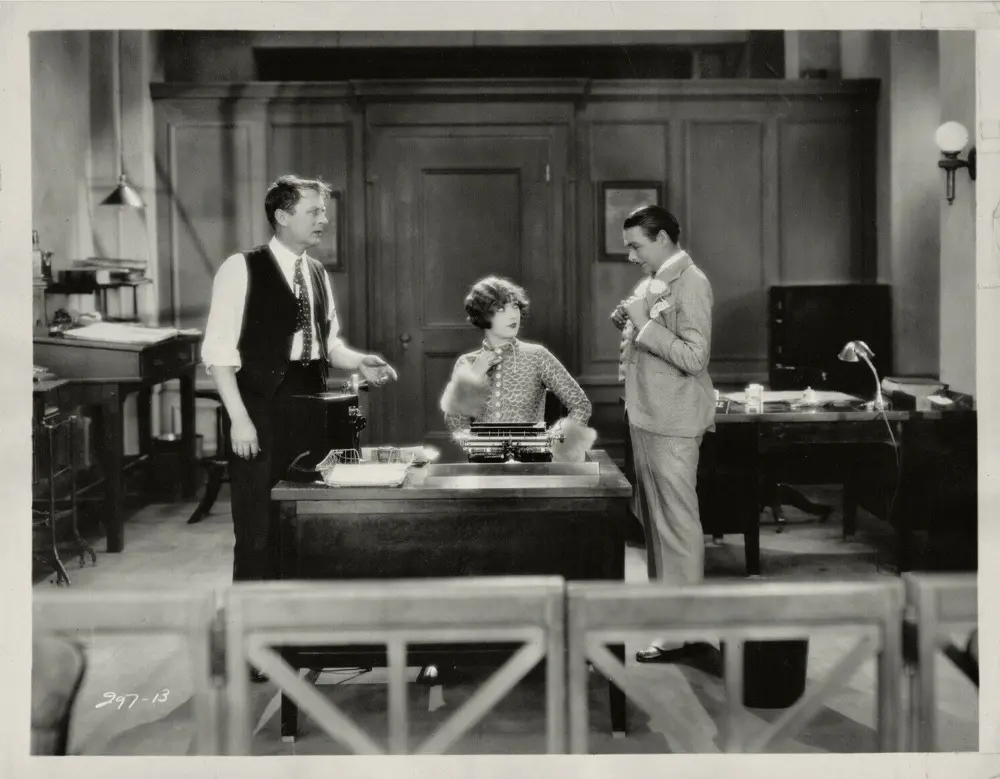
The romantic triangle is the weakest part of the film, primarily because Pennington Fish is written as such a caricature. It is difficult to believe Tillie would even consider him, even for her mother's sake. Matt Moore’s Mac is the emotional heart of the film. His performance is understated, providing a necessary foil to Davies’ high-energy antics. Their chemistry is quiet but effective, particularly in the lunchroom scenes where the dialogue cards are kept to a minimum, allowing their expressions to carry the narrative weight.
This dynamic is far more successful than the forced conflict found in Too Many Wives, where the stakes feel manufactured. In Tillie, the stakes are economic. The pressure Tillie feels to marry 'up' is a genuine reflection of the limited options for women in 1927. It’s a cynical reality wrapped in a sugary comedic coating.
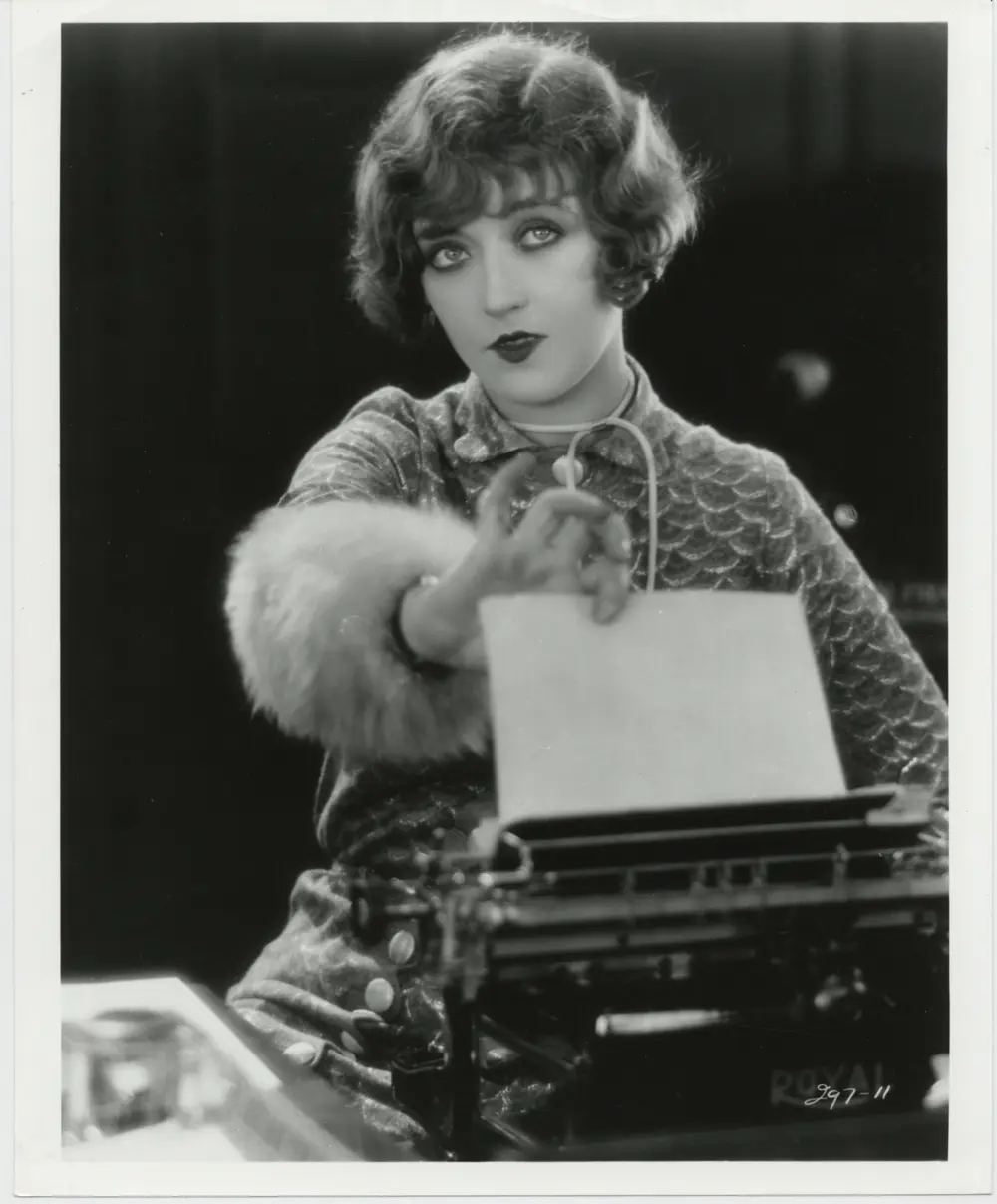
The film’s pacing is somewhat erratic. The first half moves with a brisk, almost frantic energy, mirroring the bustle of a city office. However, the second act slows down significantly as the plot moves toward the inevitable wedding. The transition from office comedy to high-society farce isn't as seamless as one might hope. It feels like two different short films stitched together by a common lead actress.
There are moments where the tone shifts into melodrama, particularly concerning Tillie’s mother. These scenes feel out of place compared to the witty banter of the office staff. It’s a flaw common in films of this era, much like the tonal inconsistencies seen in Her Temporary Husband. Despite this, the film manages to recover in the final reel, delivering a satisfying, if somewhat safe, conclusion.
Question: Does Tillie the Toiler offer more than just historical curiosity?
Yes. While the plot is dated, the central performance by Marion Davies remains genuinely funny. The film provides a fascinating look at 1920s office culture and the social pressures of the time. It is a light, breezy watch that rewards those who appreciate the nuances of silent film acting. It is not a profound cinematic experience, but it is an entertaining one.
Pros:
Cons:
Tillie the Toiler is a charming, albeit minor, entry in the silent comedy canon. It succeeds primarily as a vehicle for Marion Davies, who proves once again that she was one of the era's most gifted comediennes. The film doesn't aim for greatness; it aims for a chuckle and a sense of relatability for the thousands of 'Tillies' who were working in offices across America in 1927. It works. But it’s flawed. If you go in expecting a deep social critique, you’ll be disappointed. If you go in expecting a stylish, energetic comedy with a fantastic lead, you’ll find exactly what you’re looking for. It’s a relic, but a shiny one.
IMDb 6.7
1919
Community
Log in to comment.