DbcultAccessing Vault...
Cult Review
Senior Film Conservator
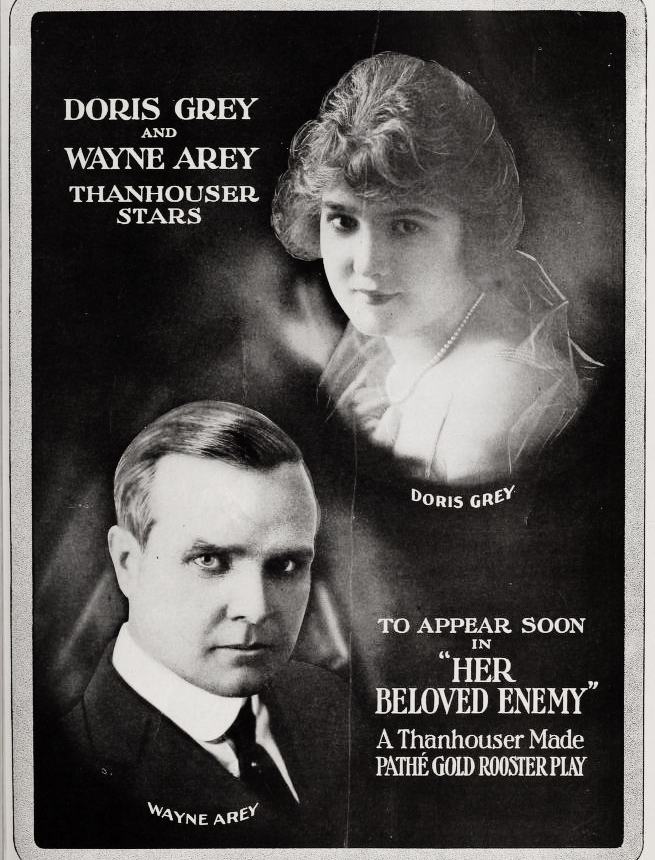
Ah, the silent era! A time when emotions were writ large across the screen, where melodrama reigned supreme, and the flicker of celluloid held audiences spellbound with tales of love, loss, and often, profound moral quandaries. Among the myriad forgotten gems lies Her Beloved Enemy, a 1917 drama that, while perhaps not as widely celebrated as some of its contemporaries, offers a compelling narrative rich with intrigue, romance, and a surprisingly nuanced exploration of duty versus desire. It's a film that, even today, prompts a thoughtful re-evaluation of the genre's capabilities, proving that early cinema was far from simplistic.
The story introduces us to Sylvia Leigh, portrayed with an endearing blend of innocence and burgeoning resolve by Gladys Leslie. Her formative years are spent in the cloistered environment of a boarding school, her only link to her father being a hazy childhood memory of a distinguished gentleman and a steady stream of letters bearing exotic foreign postmarks. These missives, always citing 'important business' as the reason for his prolonged absence, paint a picture of a man of consequence, a figure to be admired and anticipated. This prolonged separation, this idealized distance, sets the stage for a dramatic and disorienting reunion. When her father finally materializes, it is not the grand, imposing figure of her imagination, but a shattered man, his spirit visibly eroded, his mind seemingly ensnared by some ineffable shadow from the past. This stark contrast between expectation and reality immediately introduces a layer of tragic pathos, reminiscent of the disillusionment found in narratives like The Lifted Veil, where hidden truths often disfigure idealized perceptions. The film masterfully uses this initial setup to cultivate a sense of mystery and foreboding, hinting at a deep-seated trauma that will soon become Sylvia's burden.
The true catalyst for the plot unfolds during a seemingly innocuous motor ride in the park. A sudden, violent outburst from her father—a revolver drawn, aimed at a passing automobile, accompanied by the chilling declaration, "That man wrecked my life!"—shatters Sylvia's world. Though he collapses before he can pull the trigger, and the target car speeds away before Sylvia can glimpse its occupant, the incident indelibly marks her. Her father, gravely ill from the exertion and emotional distress, lies on his deathbed, his final breaths laden with a solemn injunction: Sylvia must vow to 'run to earth' the man responsible for his ruination. This deathbed promise, a common trope in melodramas of the era, is imbued with a particular weight here, as Sylvia is given no clues, no name, only a burning mandate for vengeance. It's a classic setup for a quest, albeit one shrouded in profound ambiguity, forcing our protagonist into an active role that transcends the typical damsel-in-distress archetype.
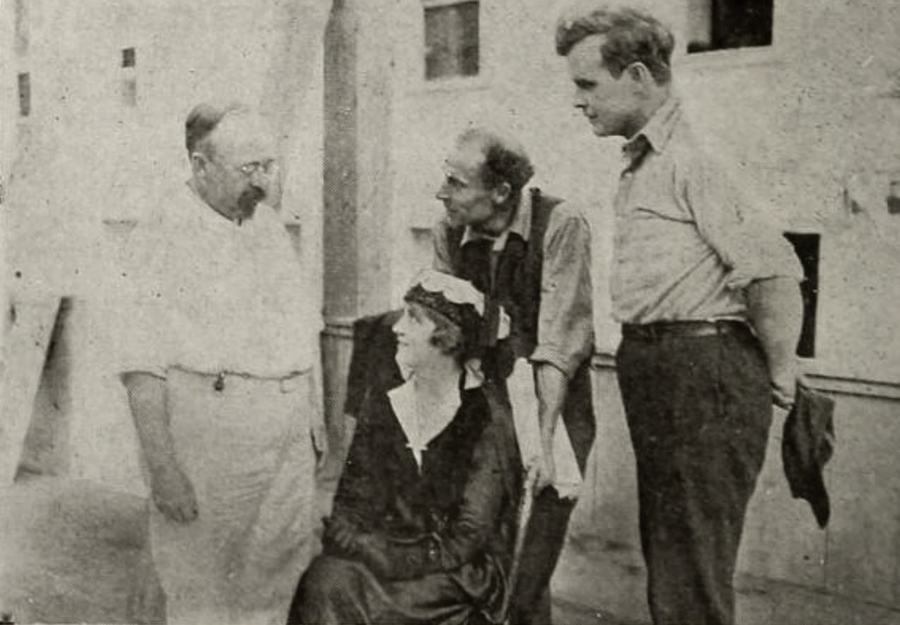
Sylvia’s initial attempts to fulfill her sacred vow are, predictably, fraught with peril. With no concrete leads, she resorts to a newspaper advertisement, a desperate measure that, rather than yielding answers, ensnares her in a dangerous trap. This moment of vulnerability and misjudgment is swiftly resolved by the timely intervention of a 'roughly-clad young man,' a mysterious figure who emerges from the shadows to rescue her. This initial encounter is brief but potent, planting the seeds of intrigue and perhaps, an unconscious attraction. The film, through such carefully orchestrated scenes, demonstrates a keen understanding of narrative pacing, building suspense and introducing key players with a touch of theatrical flair.
Weeks later, the threads of fate weave tighter. Sylvia is astonished to find her anonymous rescuer reappearing at a society dance hosted by a friend. This time, he is transformed: clad in impeccable evening wear, radiating an air of effortless sophistication, and perfectly at ease within the elite circles of society. Wayne Arey, in this role, navigates the duality with commendable grace, embodying both the rugged rescuer and the polished gentleman. This dramatic shift in his persona immediately raises questions, echoing the thematic concerns of identity and hidden lives explored in films like Masks and Faces or even the more modern The Adventures of a Madcap where appearances are often deceptive. The juxtaposition is deliberate, designed to heighten the impending revelation and deepen Sylvia's emotional investment. The blossoming affection between them, though nascent, is palpable, setting the stage for the inevitable, heartbreaking collision of love and duty.
The 'blow' arrives with the force of a cinematic thunderclap. An unforeseen incident, meticulously orchestrated by the plot, reveals the devastating truth: this charismatic, enigmatic man, the one who saved her and now holds a burgeoning place in her heart, is none other than the very individual her father swore had ruined his life. This revelation is the dramatic fulcrum of the entire narrative, forcing Sylvia into an agonizing moral dilemma. The raw power of this moment, delivered without a single spoken word, relies entirely on Gladys Leslie’s expressive performance and the audience’s emotional investment in her plight. It’s a classic tragic irony, where the object of revenge becomes the object of affection, a theme that resonates through countless tales of forbidden love and conflicting loyalties.
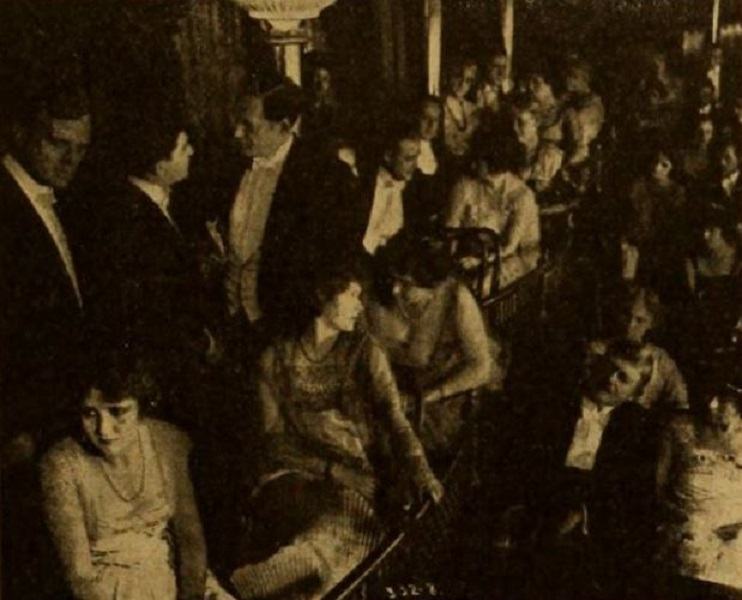
Driven by the weight of her deathbed promise, Sylvia, in a fit of desperate resolve, shadows him, eventually catching him in a 'compromising position.' The film doesn't delve into the specifics of this situation, leaving it to the audience's imagination, but its implication is clear enough to justify her next drastic step: she takes him captive and summons the police. This act, born of a perceived betrayal and an unshakeable sense of duty, is a testament to the strength of her conviction. Yet, even as the wheels of justice begin to turn, a profound internal conflict erupts. The realization that she still loves him, that her heart defies the dictates of her oath, rushes over her with overwhelming force. This emotional maelstrom is further complicated by the nagging suspicion that her father's true secret remains elusive, an unresolved mystery that gnaws at the edges of her certainty. This adds another layer of complexity, preventing the narrative from becoming a simplistic revenge tale. It elevates the story to a more profound exploration of personal truth and the often-blurry lines between right and wrong. The tension is palpable, a silent scream of a soul torn between two irreconcilable paths.
The climax of Her Beloved Enemy is a masterclass in silent film suspense and emotional crescendo. With the police knocking at the door, Sylvia faces her ultimate test. Her heart, ultimately, triumphs over her inherited duty. She confesses her enduring love and urges him to escape, a desperate plea born of profound affection and a burgeoning understanding that vengeance might not be the answer. This moment is designed to elicit maximum empathy for Sylvia, showcasing her growth from a dutiful daughter to a woman capable of independent moral choice. It’s a powerful affirmation of love’s redemptive power, a recurring motif in cinema, often seen in romantic dramas where characters must choose between societal expectations and personal happiness. Think of the intense emotional stakes in films like Mistress Nell, where personal desires clash with external pressures.
But the narrative, ever adept at subverting expectations, delivers a final, remarkable twist. Instead of fleeing, her 'beloved enemy' simply smiles, a gesture that immediately signals a deeper, untold truth. He calmly opens the door to the officers, who greet him with an unexpected familiarity. This sequence is a stroke of genius, completely upending the audience's assumptions and redefining the entire conflict. What follows are 'remarkable disclosures' that, according to the plot synopsis, bring "happiness to her troubled heart." While the specifics are left tantalizingly vague in the summary, the implication is clear: the man was not the villain Sylvia believed him to be, or at least, not in the way her father perceived. Perhaps he was a law enforcement agent, working undercover, or involved in a complex operation that inadvertently crossed paths with her father's life, leading to a tragic misunderstanding. This kind of revelatory twist, where a character's true identity or purpose is unveiled, can be incredibly satisfying, providing a sense of narrative closure while also prompting reflection on the dangers of hasty judgment. It transforms the revenge plot into a story of mistaken identity and ultimate redemption, similar in spirit to the intricate deceptions found in The Man Who Stood Still where hidden motives drive the plot.

Her Beloved Enemy, with its intricate plot, emotional depth, and unexpected turns, stands as a testament to the storytelling prowess of the silent film era. It navigates complex themes of filial duty, the nature of justice, the corrosive power of misunderstanding, and the redemptive force of love. The performances, particularly from Gladys Leslie as Sylvia, are crucial in conveying the emotional weight of the narrative without spoken dialogue. Her expressive face and body language must carry the burden of her internal struggle, a skill that defined the great actors of this period. The film's ability to maintain suspense and deliver a satisfying, albeit surprising, resolution speaks volumes about the craftsmanship of Philip Lonergan and Lloyd Lonergan's screenplay.
The film's exploration of inherited trauma and the quest for atonement, even when misguided, offers a timeless resonance. Sylvia's journey from a naive girl bound by a promise to a woman making her own moral choices is a compelling arc. The final twist, while resolving the immediate conflict, also subtly critiques the very notion of blind revenge, suggesting that the truth is often far more complex and nuanced than initial perceptions allow. It reminds us that appearances can be deceiving, and that true villainy or heroism often lies beneath the surface, much like the intricate moral landscape of Den Vanærede. In an age dominated by special effects and rapid-fire dialogue, revisiting films like Her Beloved Enemy is a powerful reminder of the enduring art of visual storytelling, where a glance, a gesture, or a tear could convey volumes. It's a film that deserves to be rediscovered, not just as a historical artifact, but as a compelling piece of dramatic cinema that continues to resonate with its universal themes of love, loyalty, and the pursuit of truth.
The narrative structure, moving from a mysterious past to a present-day quest, and culminating in a revelatory twist, showcases a sophisticated understanding of dramatic tension. The film doesn't just present a story; it unravels it, layer by painstaking layer, much like the slow burn of a classic mystery. This kind of intricate plotting, where every element contributes to the final reveal, is a hallmark of well-crafted cinema, regardless of the era. The emotional journey of Sylvia, from her initial grief and resolute determination to her eventual crisis of conscience and the ultimate triumph of love, is the heart of the film. It's a journey that viewers, then and now, can connect with, making Her Beloved Enemy more than just a historical curiosity but a vibrant, engaging piece of cinematic art.
In an era when many films were lost to the ravages of time and neglect, the survival of a film like Her Beloved Enemy is a gift. It allows us a window into the narrative sensibilities of a bygone era, showcasing how filmmakers tackled universal human emotions and dilemmas with the tools available to them. It’s a powerful reminder that the essence of compelling storytelling transcends technological limitations. The subtle intricacies of character development, the slow reveal of plot points, and the reliance on visual cues to convey deep emotional states are all elements that modern cinema can still learn from. This film, much like The Black Sheep of the Family, reminds us that family secrets and their impact on individuals are timeless narrative drivers. For anyone with an appreciation for the foundational works of cinema, or simply a love for a good old-fashioned melodrama with a twist, Her Beloved Enemy offers a rewarding and thought-provoking experience. It’s a film that, despite its age, still possesses the power to engage, surprise, and ultimately, move its audience.
IMDb 7
1927
Community
Log in to comment.