DbcultAccessing Vault...
Cult Review
Senior Film Conservator
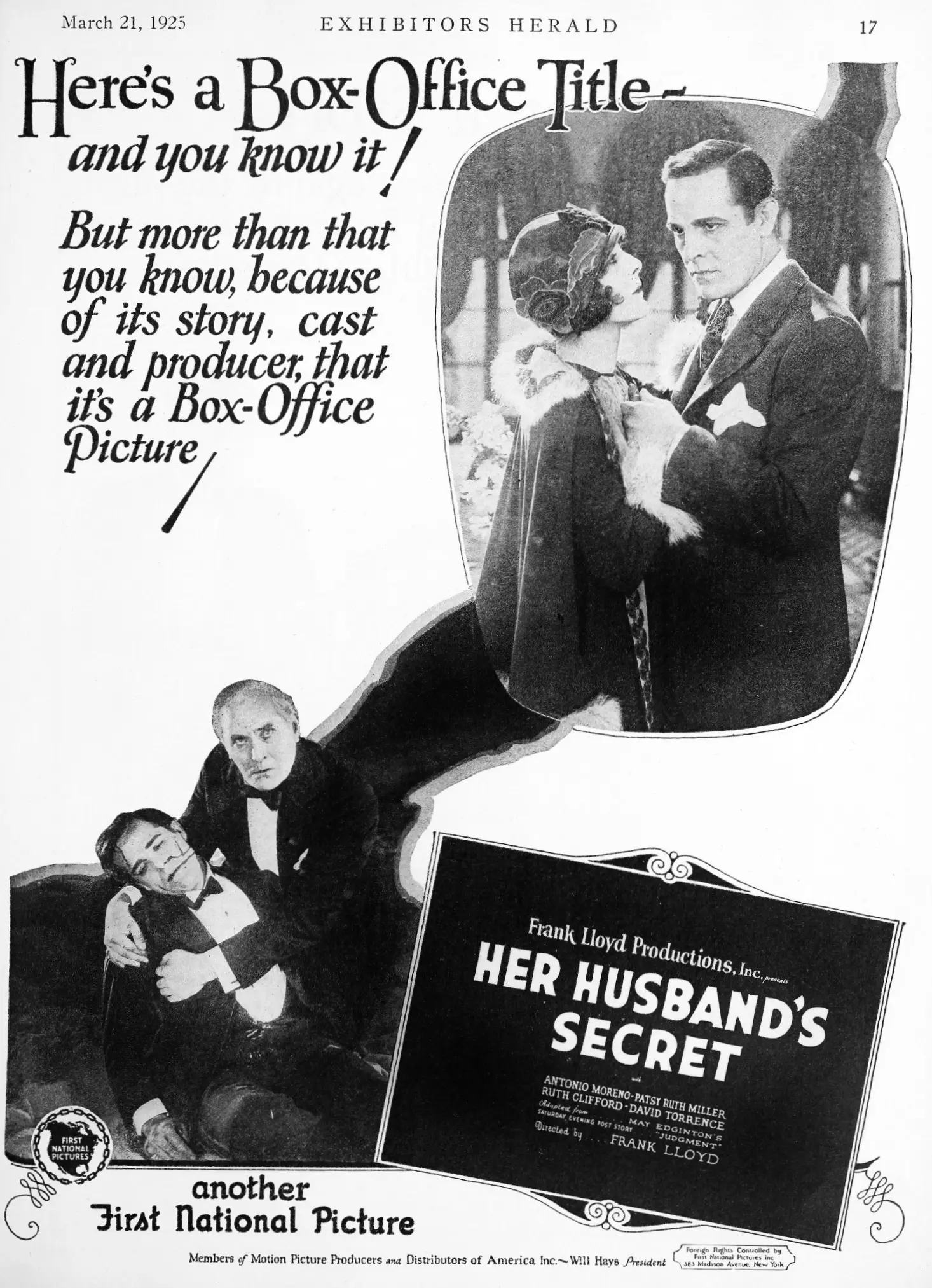
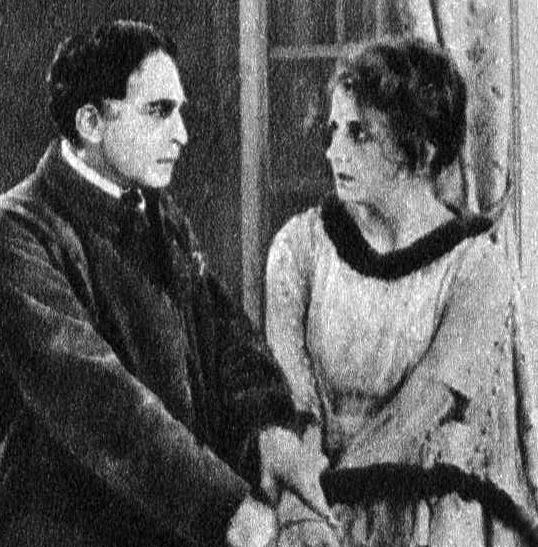
The film opens with the idyllic setting of a young couple's life, David Torrence and Fred Warren, navigating the early stages of their marriage. Their world, however, is not as idyllic as it appears, for it is intertwined with the complex and often sordid histories of their parents. These parents, played by Frances Teague and Walter McGrail, are figures of both admiration and caution, their past actions shadowing the present in unpredictable ways.
At the heart of the narrative lies the delicate dance between the couple's present and the echoes of their parents' past. David, portrayed with an endearing vulnerability by David Torrence, and Fred, played with a mixture of strength and naivety by Fred Warren, find their lives being shaped by the decisions made by the older generation. The film masterfully juxtaposes the youthful optimism of the couple with the weight of the past, creating a narrative that is both poignant and deeply engaging.
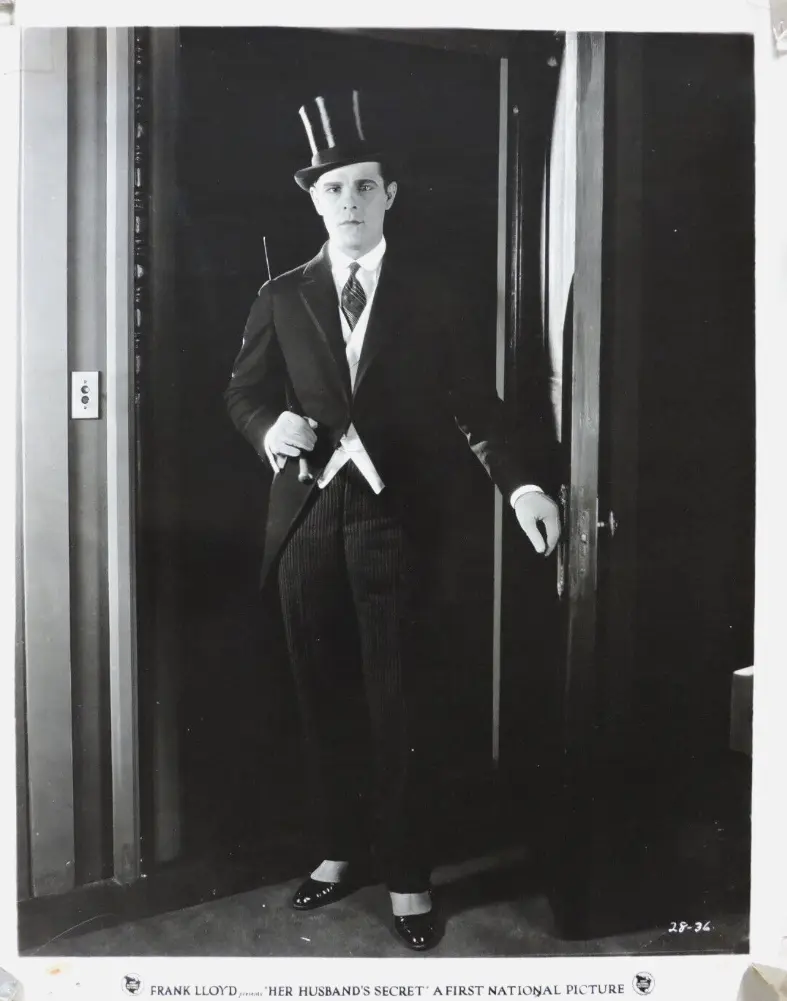
The supporting cast, including Patsy Ruth Miller, Frank Coffyn, and Frankie Darro, brings depth and nuance to the story. Their performances are a testament to the film's ability to capture the subtle intricacies of human relationships. The chemistry between the actors is palpable, adding layers to the narrative that make the story feel lived-in and real.
The writing, by J.G. Hawks, Frank Lloyd, and May Edginton, is a marvel of its time. The dialogue is sharp and intelligent, never shying away from the complexities of human emotion. The plot, while intricate, is intricately crafted to ensure that every element contributes to the overarching theme of familial impact on personal destinies. The pacing is deliberate, allowing the audience to fully immerse themselves in the world of the film.
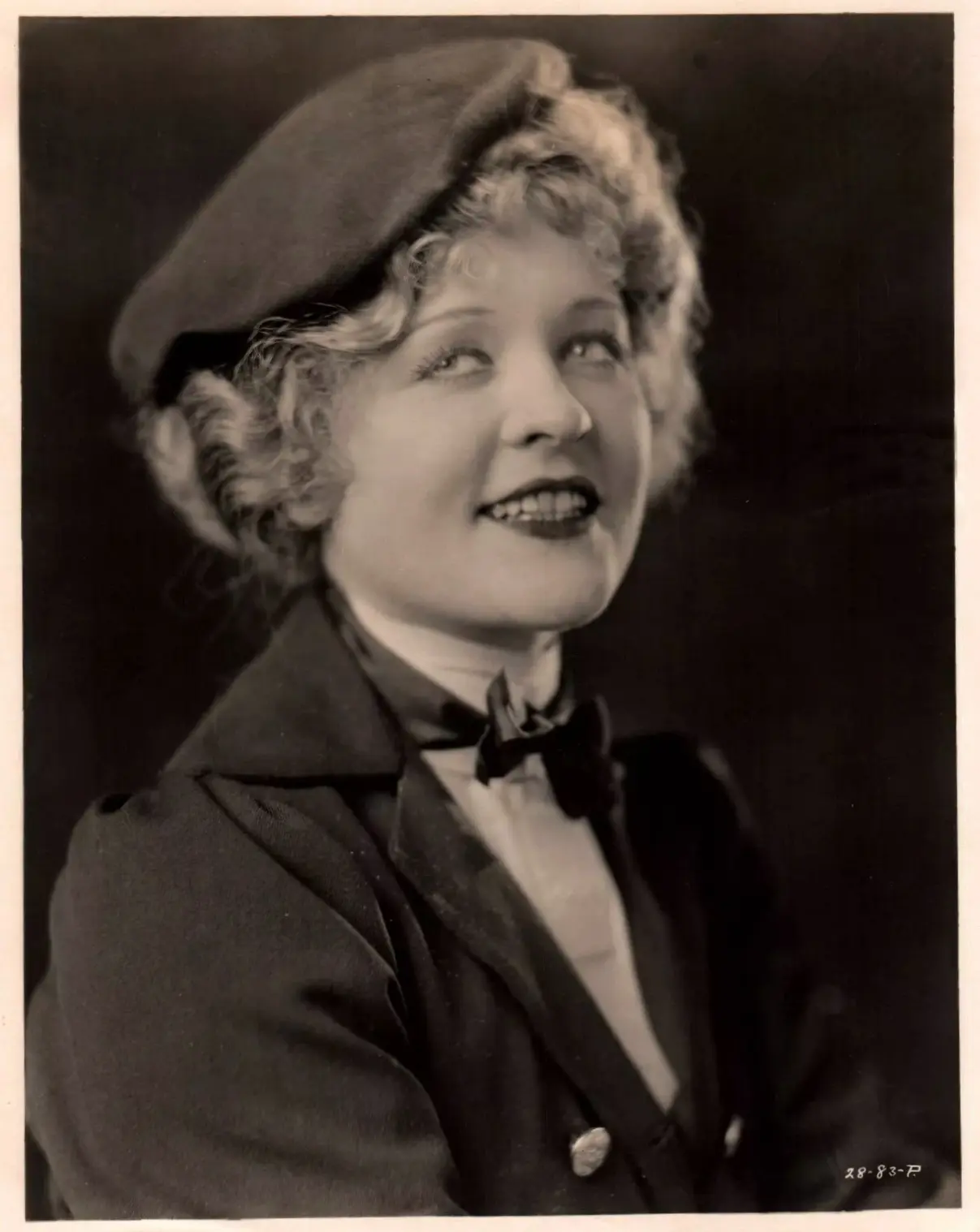
Technically, the film is a standout. The cinematography captures the essence of the characters and their surroundings, from the cozy interiors of the couple's home to the stark contrast of the older generation's more somber settings. The score, while not overtly prominent, adds a layer of emotional resonance to the narrative, enhancing the film's ability to convey the weight of the characters' experiences.
Comparatively, 'Her Husband's Secret' stands out among its contemporaries, such as 'No Parking' and 'Le marchand de plaisirs.' Its focus on character development and the intricacies of familial relationships sets it apart from more action-oriented films. It shares thematic elements with 'Lady Godiva' and 'The Face at the Window,' but delves deeper into the psychological and emotional underpinnings of its characters.
For those interested in delving further into the genre, films like 'The Fly Ball,' 'The Boer War,' and 'The Challenge of the Law' offer a rich tapestry of storytelling and character development that complements 'Her Husband's Secret.' These films, while perhaps less known, share a similar commitment to exploring the nuances of human relationships and the impact of the past on the present.
'Her Husband's Secret' is a film that rewards close attention and multiple viewings. Its complexity and depth ensure that it stands the test of time, offering insights into the enduring nature of familial bonds and the profound impact of the past on the future. It is a must-watch for anyone interested in the intersection of personal and familial narratives, a genre that continues to captivate audiences with its ability to explore the human condition in all its complexity.
IMDb 6.7
1924
Community
Log in to comment.