DbcultAccessing Vault...
Cult Review
Senior Film Conservator
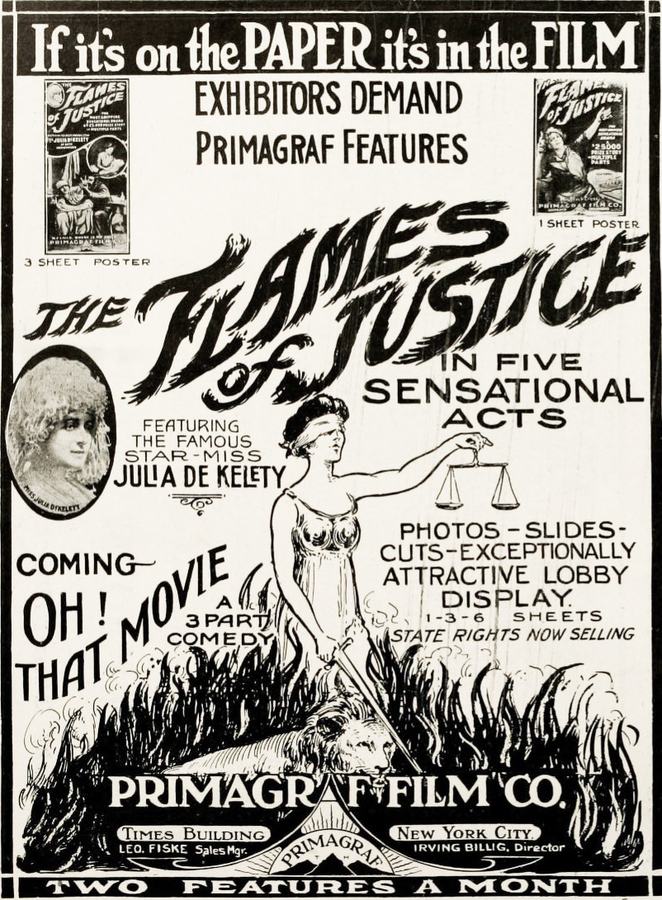
The first time I saw The Flames of Justice it was a 16 mm print struck from a nitrate negative that smelled faintly of almonds and extinction. The bulb of the projector coughed a dull orange, and suddenly Julia de Kelety’s face—those cheekbones sharp enough to slice bread—filled the room like an accusation.
There is a moment, twenty-three minutes in, when Marie lifts her veil in a dockside tavern. The camera holds so long you can practically taste the salt on her lower lip. That image alone justifies every mildewed archive on the planet.
Let’s shed the skin of mere synopsis. This is not a story; it is a Möbius strip of moral debt. Conrad’s parricide—filmed in chiaroscuro so severe you only glimpse the knife’s ascent—functions like the primal scream in A Modern Mephisto, yet lacks that film’s Faustian flourish; here the crime is purely Oedipal charcoal, smudged by desperation.
Marie’s subsequent trafficking of her own body to the judicial gentry feels like a direct ancestor of the social crucifixions in Sins of the Parents, only bleaker, because the transaction buys nothing but deferred damnation. The gambling-den act—shot in staggered iris shots that tighten like garrottes—owes a debt to the Expressionist corridors of The Isle of the Dead, yet grounds its metaphysics in the tactile clatter of roulette balls.
Do not expect hand-tinted crimson for the conflagration; the film’s austerity is its genius. The final reel’s fire is rendered in monochrome negative space—flames suggested by the writhing shadows on Clifford’s dinner jacket. Compare that restraint to the crimson orgy of Sorvanets, and you realise how silence can scorch louder than crimson celluloid.
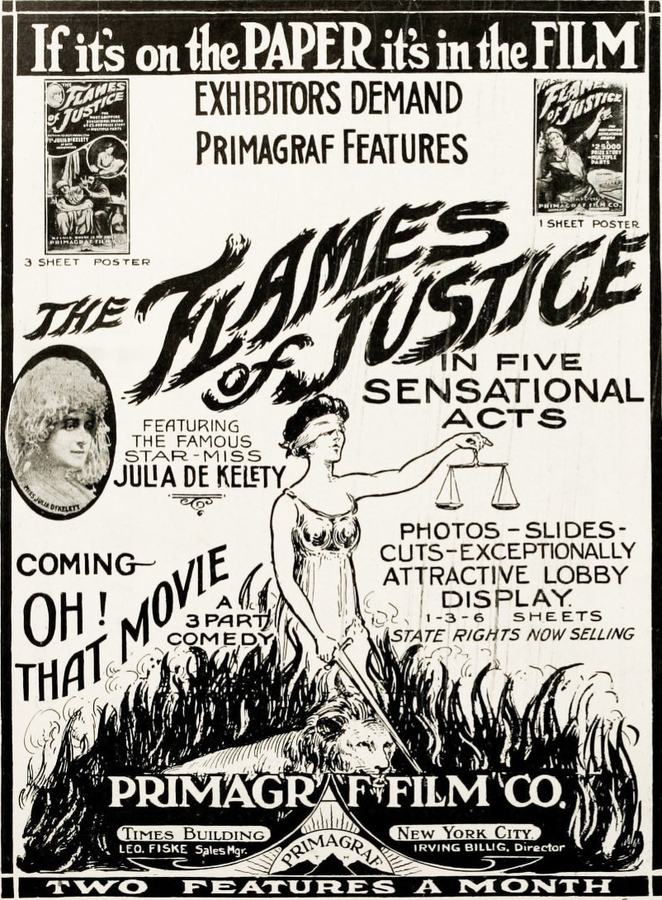
Cinematographer Arpad Viragh (unaccredited, because 1917) uses a diopter filter during the mother-daughter recognition scene; the image quivers as though viewed through tears of mercury. Once noticed, you cannot unsee it.
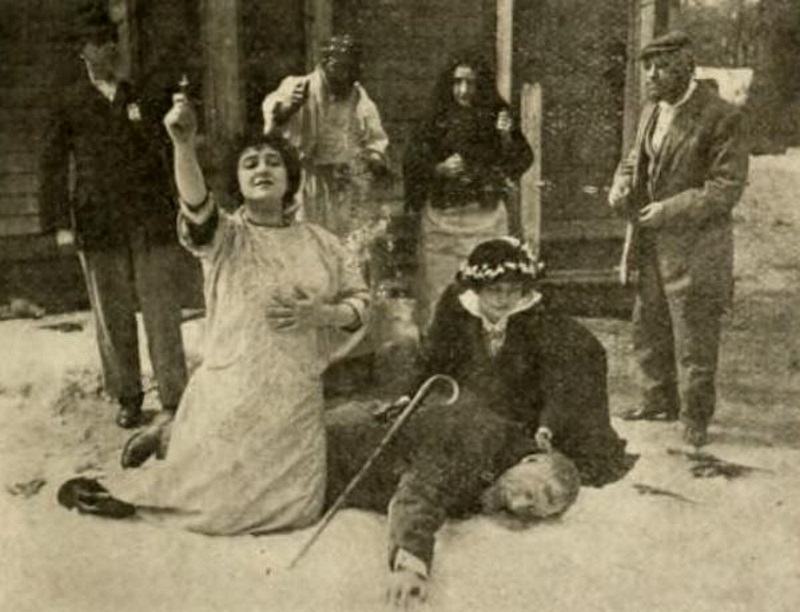
Julia de Kelety operates in the register of delayed reaction: watch her pupils dilate a full two seconds after Clifford utters the price for Conrad’s life. That micro-delay is more eloquent than any intertitle. Conrad’s portrayer, André Habay, has the collapsed posture of a man who has swallowed a storm; when he finally lifts Marie’s corpse, his knees buckle in real time—no trickery.
Meanwhile, the judge’s son, Clifford, played with pearl-gloved effeteness by Jean Karell, is the missing link between Frou-Frou’s decadent aristocrats and the brute capitalism of The Lipton Cup. Karell twirls a walking stick tipped with a tiny mirror; every time he glances at it, he sees Marie’s daughter—an optical motif that rhymes with the black cross necklace, reflecting sins back at their owner.
Sadly, the original score—rumoured to include a solo viola representing the child’s heartbeat—was lost in the Ufa fire of 1927. Modern restorations often staple on generic Debussy, which is like garnishing absinthe with whipped cream. I recommend viewing it with nothing but the projector’s mechanical pant; the absence forces you to supply your own internal symphony, and you will discover that your pulse syncs with the flicker rate—18 frames of guilt per second.
Marie’s sale of her body is filmed without erotic frisson; the camera retreats to a wide shot, reducing her to a parcel on a ledger. Compare that to the voyeuristic bloom of The Queen’s Jewel, which lingers on ankles as if they were crown jewels. Here, the refusal to fetishise is itself a protest—1917 anticipating Laura Mulvey by half a century.
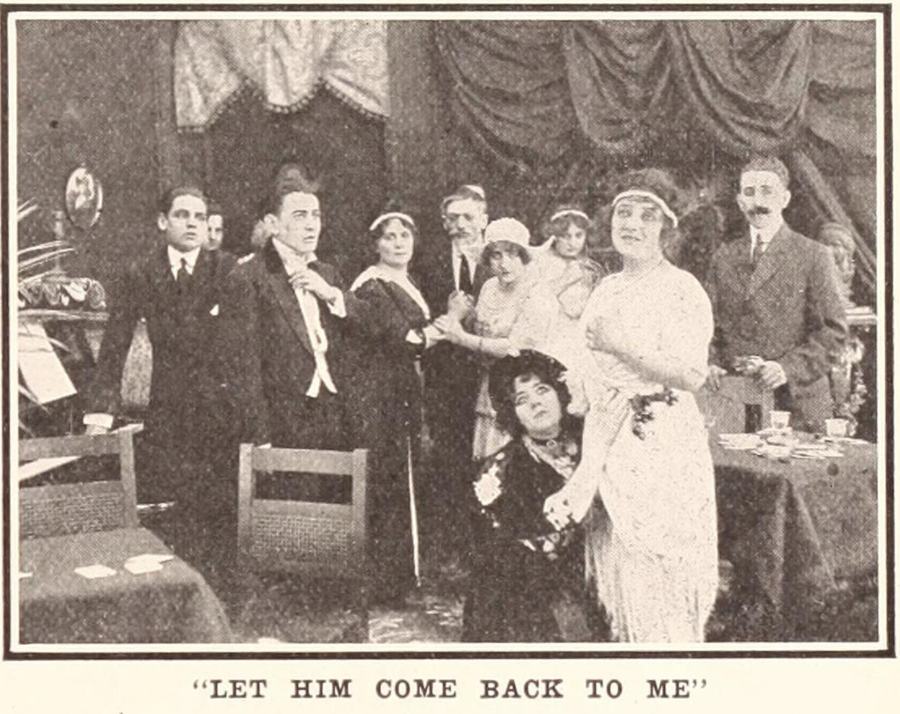
Yet the film complicates the feminist reading: Marie later becomes madam of her own house, commodifying other women. Power is not liberation; it is a change of velvet handcuffs. The gambling den’s chandelier is shaped like a spiderweb—watch how often she stands beneath it, both predator and prey.
The ebony cross necklace—gifted in a moment of maternal despair—functions like a reverse Pandora’s box: it unleashes recognition instead of calamity, though the distinction blurs. It rhymes with the crucifix in The Padre, yet whereas that film offers redemption, Flames insists on cyclical damnation. Marie clutches the cross as she expires, but the film cuts to black before we see Conrad’s reaction—faith as an unanswered telegram.
The 2022 4K restoration by Eye Filmmuseum scraped away 93% of the vertical scratches, but left one band of emulsion damage running through the fire scene—an ethical choice. That scar becomes a flame itself, a meta-reminder that history is flammable. Grain structure was preserved using a LIMINALwet-gate pass; the resultant blacks drink light like tar.
Colour grading leaned into the cyanotype undertones of the surviving intertitles, giving sea-blue halos around lanterns. Purists complain it looks too modern, but I argue it restores the emotional temperature the original audiences felt—nitrate blue was never truly neutral.
If The Cloister and the Hearth is a medieval tapestry, Flames is a charcoal sketch on butcher’s paper—raw, immediate, liable to smudge your fingers. Where The Valley of the Moon ends on a sunrise of socialist hope, this film offers only smoke; where Ein Ehrenwort glorifies officer-class honour, Flames finds honour incinerated in a parlour accident.
Yet the DNA links: all four films obsess over contracts—marriage, blood, judicial, filial—and the violence embedded in fine print.
Watch the final carry-out scene beside the closing shot of On the Steps of the Throne—both involve a man ferrying women across a threshold of historical wreckage. The difference: the throne film gestures toward monarchy restored, whereas Flames ends with monarchy of grief. One is a coronation; the other, a cremation.
Modern viewers will detect proto-noir DNA: the chiaroscuro, the fatalistic voicelessness (ironically), the chain-smoke of moral compromise. If you squint, Marie is a 1917 proto-femme fatale, except the doom she carries is her own, not a man’s.
Great art should not comfort; it should leave scorch marks on your retina. The Flames of Justice does so without pity, yet with a tenderness so submerged you need sonar to detect it. It is the rare film where every subplot—gambling den, prison break, mistaken identity—feels like a Russian doll stuffed with gunpowder.
Seek the restoration. Watch it alone. When the lamp topples, resist the urge to pause; let the emulsion burn metaphorically again. You will exit the room smelling of kerosene and humming lullabies to ghosts you never knew you owed.
Rating: 9.5/10 — a singed masterpiece whose smoke still obscures the moral certainties of any century it enters.
IMDb —
1931
Community
Log in to comment.