DbcultAccessing Vault...
6.5/10
Senior Film Conservator
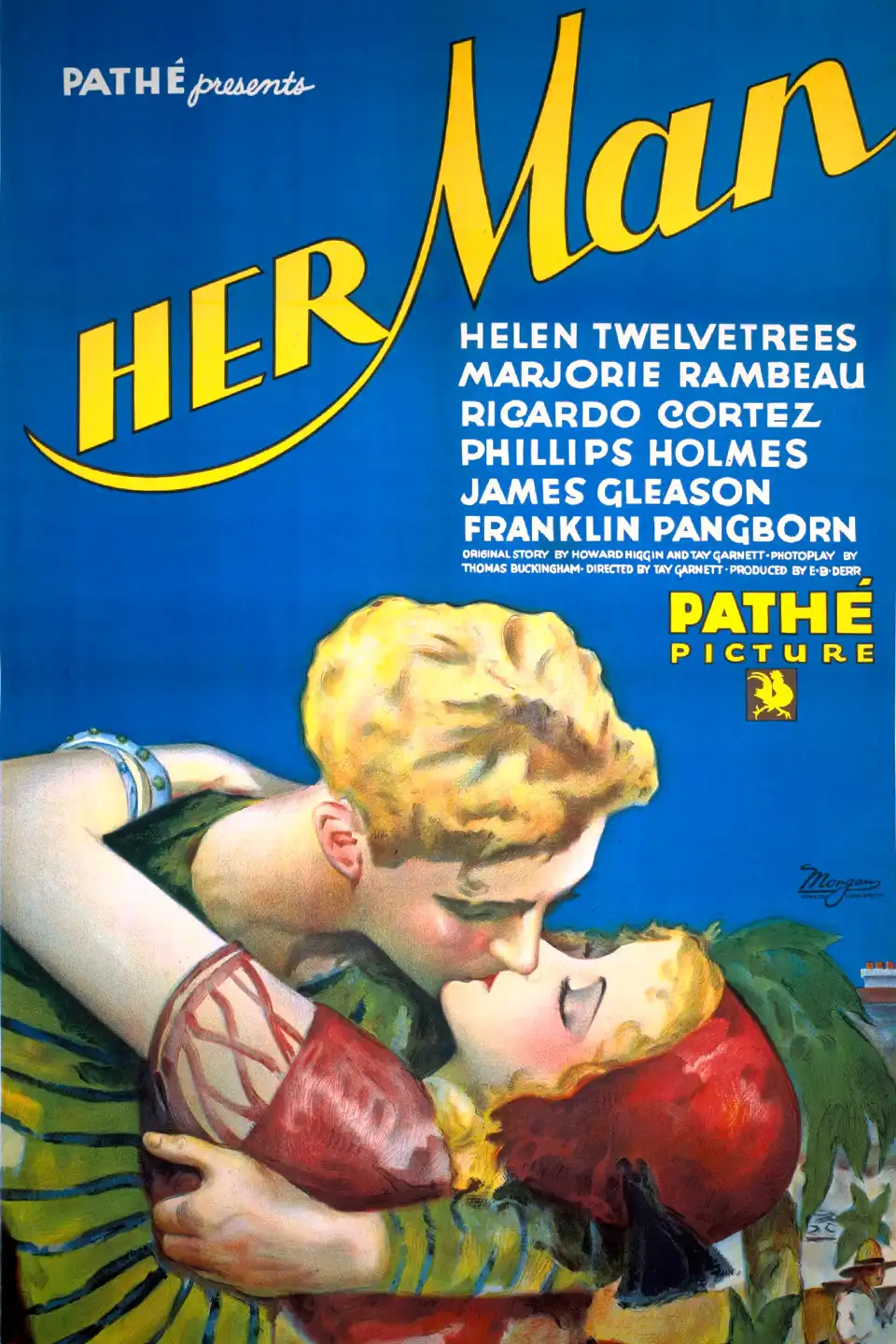
A definitive 6.5/10 rating for a film that redefined the boundaries of cult cinema. Her Man remains a cornerstone of transgressive art.
Alright, so Her Man, from way back in 1930, is definitely one for the curious. If you’re into early sound films, especially that gritty pre-Code stuff where characters actually had some edge, then yeah, give it a look. It’s a fascinating snapshot of how movies were finding their voice, literally. But if you're expecting modern pacing or subtle performances, you’ll probably find it a bit… much. Those folks who just want their films crisp and silent, they might find the early sound a bit jarring. For me, though, it’s got a certain charm. ✨
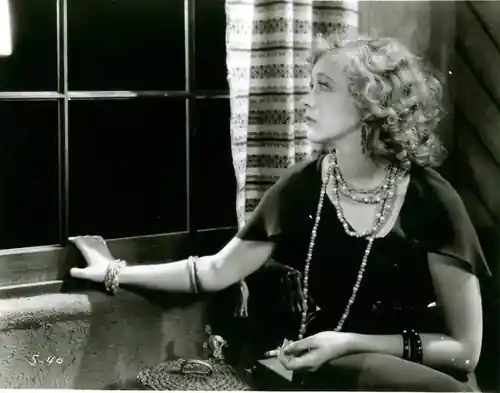
The whole thing is set in this lively, kinda seedy Havana bar. You can almost smell the stale smoke and cheap perfume. Our main character, Helen, played by Helen Twelvetrees, is a singer there. She’s got this weary look in her eyes, even when she’s smiling. She's 'protected' by this guy, Frankie, who’s just a real piece of work. Ricardo Cortez plays him with such a slimy, possessive energy. You know the type, all smiles but ready to snap. He just *oozes* bad news.
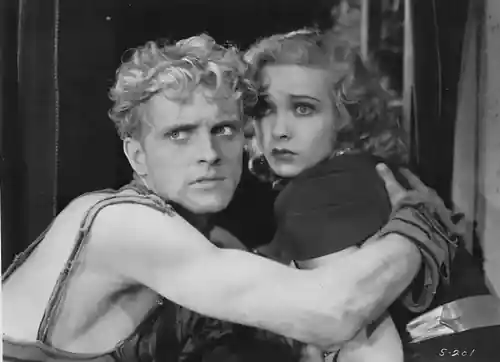
Then this sailor, Dan (Phillips Holmes), wanders in. He’s young, innocent, and totally smitten. He sees something in Helen beyond the bar girl facade, and it's clear she's aching for that. Their scenes together are where the film really breathes. You feel her desperation for a way out, even if she doesn't say it straight out. The way she looks at him sometimes, it’s just heartbreaking. Like she's looking at a dream she can’t quite grasp.
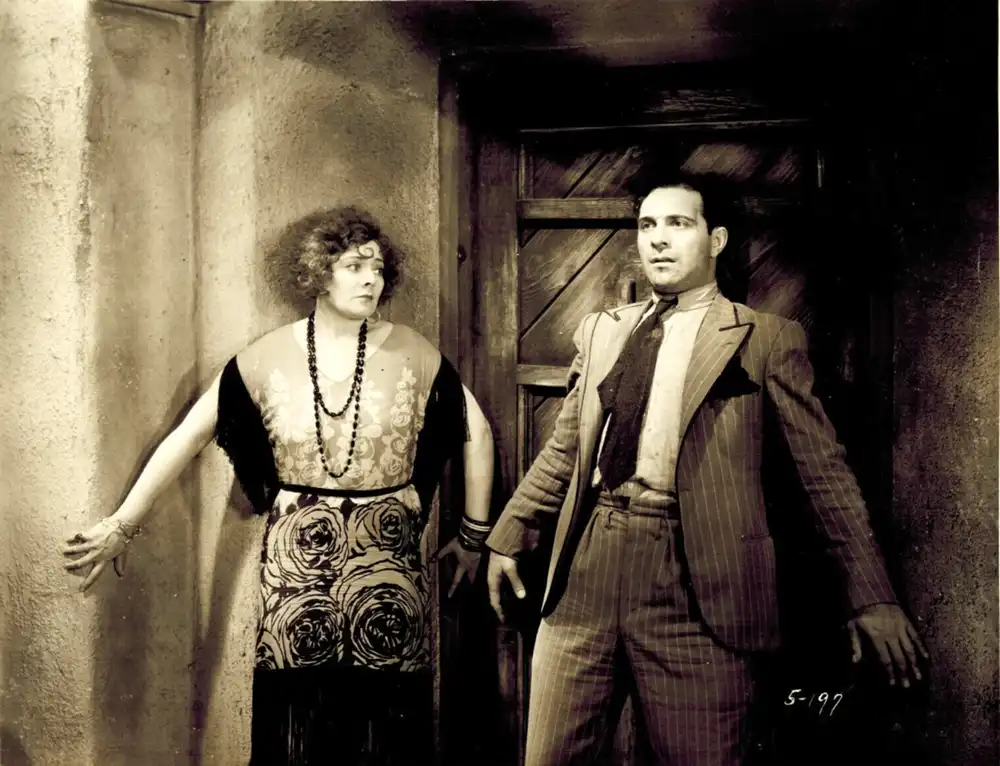
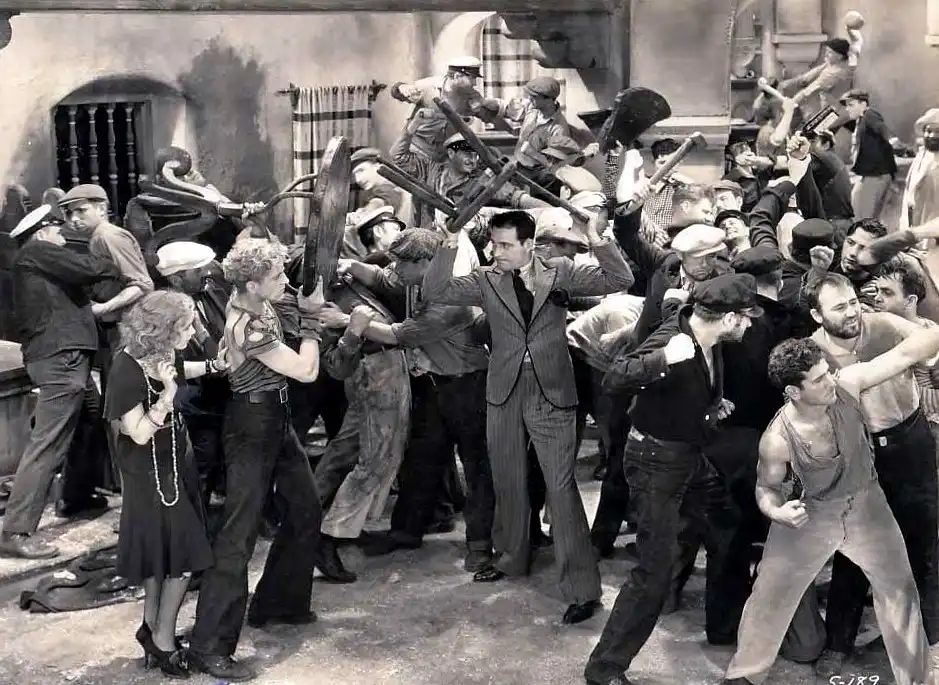
The pacing here is pretty wild. Sometimes it feels like things are moving at a snail's pace, then suddenly a scene just jumps to the next thing. It’s a definite characteristic of early talkies, like they hadn't quite figured out how to make all the parts connect smoothly yet. There’s a moment where Frankie’s gang gets into a brawl, and it feels a bit chaotic, almost like the camera didn’t know where to look. They’re still figuring out blocking, I guess. 🎬
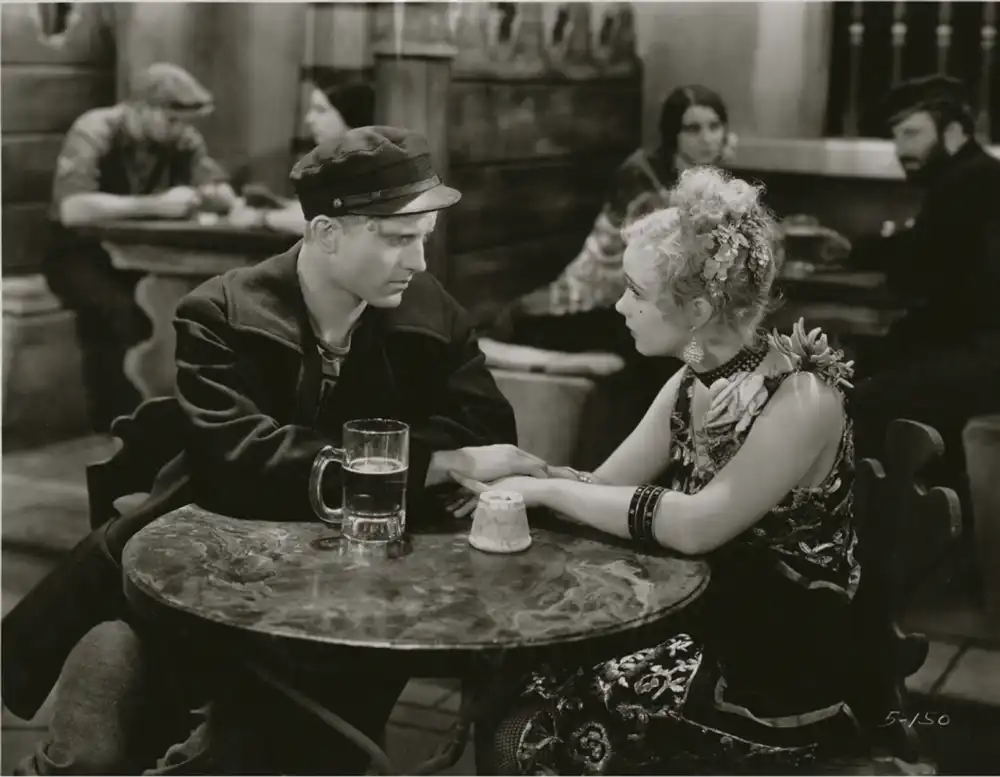
Twelvetrees is really the standout. She has this incredible ability to convey so much with just a glance. Her performance feels raw, not overly theatrical like some actors from this era. When she sings 'My Man' in the bar, you really feel the weight of her situation. It’s not just a song; it’s her whole life right there on stage. She doesn’t overdo it, which is quite refreshing for 1930.
And the dialogue? Oh, it's snappy. Very much of its time, with slang that pops and crackles. Some of the lines Frankie delivers are just *so* good for showing his character, like when he snarls something under his breath about her belonging to him. It’s not subtle, but it works for the kind of melodrama they're going for.
There's also this whole side bit with Thelma Todd as a competing bar girl, Annie. She’s not in it a ton, but she brings this fun, sassy energy. Her expressions are just perfect, always a little bit knowing, a little bit jealous. It's a nice splash of color in the background, even if her part is small. The Naughty Flirt actress, she's always got that spark.
What struck me was how *unapologetic* the film is about its themes. It's pre-Code, alright. Helen's life as a 'bar girl' isn't sugarcoated, and the possessiveness of Frankie is just out there. It’s not trying to teach a moral lesson in the way later films would. It just shows you a slice of life, however messy it might be. That’s something I appreciate about these older films, their frankness.
One scene near the end, where Helen has to make a choice, it’s so intense. The camera just stays on her face, and you can see all the emotions swirling around. Fear, longing, resignation. It’s a powerful moment, even with the slightly stiff acting style of some of the supporting cast around her. It really hinges on her, and she totally delivers. The silence in that moment is quite loud.
It’s not a perfect movie, not by a long shot. Some of the sound mixing is a little wonky, and occasionally the background noise feels like it’s fighting the dialogue. But for what it is—a melodrama from the very early days of sound—it’s surprisingly compelling. It’s a raw, emotional ride, really leaning into the theatrical origins but also showing glimpses of where cinema was headed. You finish watching it and you’re just left thinking about Helen and her tough break. 💔
IMDb 6
1935
Community
Log in to comment.