DbcultAccessing Vault...
Cult Review
Senior Film Conservator
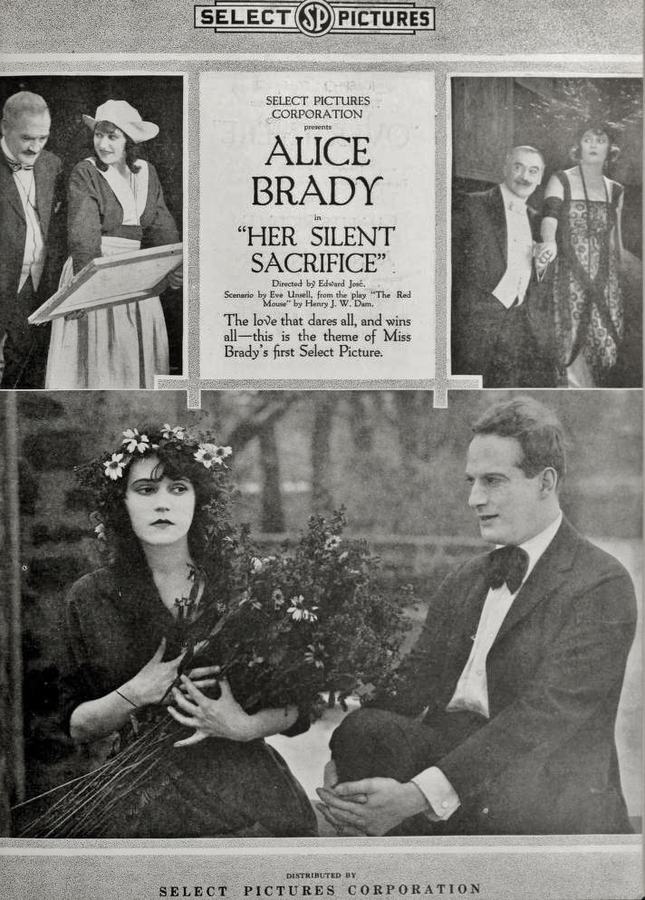
The very title, Her Silent Sacrifice, whispers of grand, melodramatic gestures and the profound, often unacknowledged, burdens shouldered by women in pursuit of love or a perceived greater good. This cinematic narrative, penned by the insightful Eve Unsell and Henry J.W. Dam, plunges us into a world where artistic ambition clashes with stark economic realities, and where the purity of affection is tested by the corrupting influence of power and wealth. It’s a tale that resonates with the timeless struggle between idealism and pragmatism, played out against the picturesque yet ultimately unforgiving backdrop of Savenay, France.
Our story unfolds around Arlette, portrayed with a compelling blend of innocence and quiet fortitude by Alice Brady, whose existence is intertwined with the humble inn she helps her grandfather, Chaupin, manage. Her life, though simple, possesses a certain pastoral grace, until the arrival of Richard Vale. An American artist, adrift and impoverished, Vale embodies the romantic ideal of the starving genius. Henry Clive, as Richard, captures the fervent, almost desperate, energy of a man on the precipice of either greatness or utter destitution. He is a dreamer, his canvases barren of success but teeming with unspoken potential. Savenay, for him, is a sanctuary for sketching, a place where he hopes to capture a fleeting muse. He finds that muse, and much more, in Arlette.
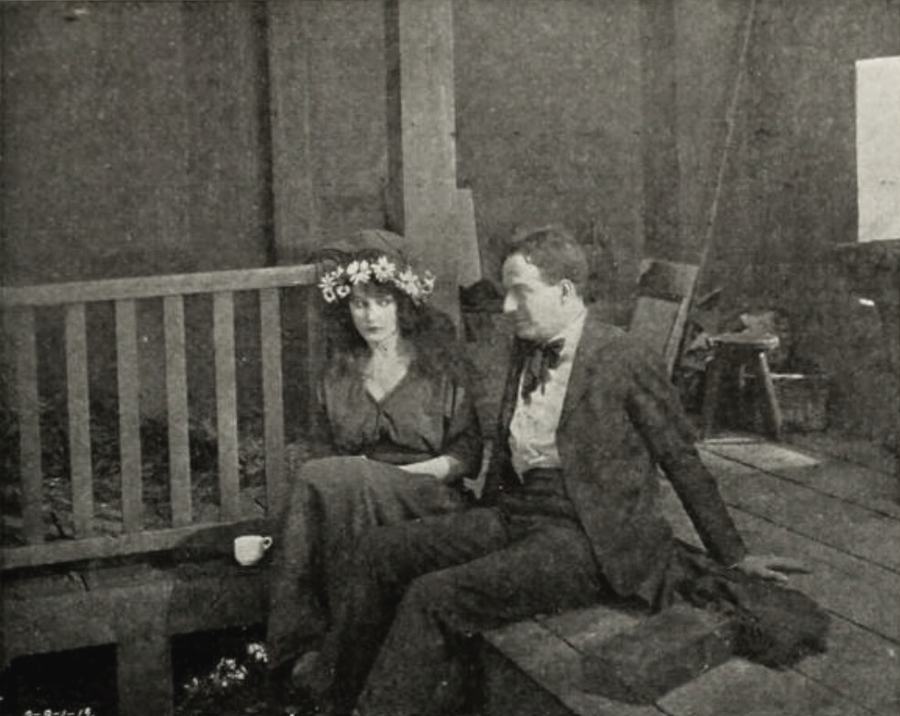
The initial encounters between Richard and Arlette are imbued with a tender, almost hesitant charm. He sees her beauty, a raw, unadorned elegance that speaks to his artistic soul. He induces her to pose, a request that, in its simplicity, opens a floodgate of emotion for Arlette. As she sits for him, observing his intense focus, his passion, and his quiet struggle against hunger, a deep, abiding love takes root within her. It is a love born not of grand declarations, but of shared vulnerability and silent admiration. Arlette's devotion to Richard is painted with strokes of selflessness, a stark contrast to the transactional nature of the world that is soon to engulf them. This burgeoning affection, however, remains largely unacknowledged by Richard, whose artistic singular-mindedness keeps him oblivious to the depths of her feelings, a narrative device that amplifies the impending tragedy.
The film excels at establishing this delicate emotional landscape before introducing the serpent into the Eden. The quiet desperation of Richard's artistic life, the gnawing hunger that threatens to extinguish his creative spark, sets the stage for the dramatic intervention that defines the film's core conflict. It’s a classic setup, reminiscent of many narratives where artistic purity is pitted against worldly compromise, though here, the sacrifice is exacted not from the artist directly, but from the one who loves him most.
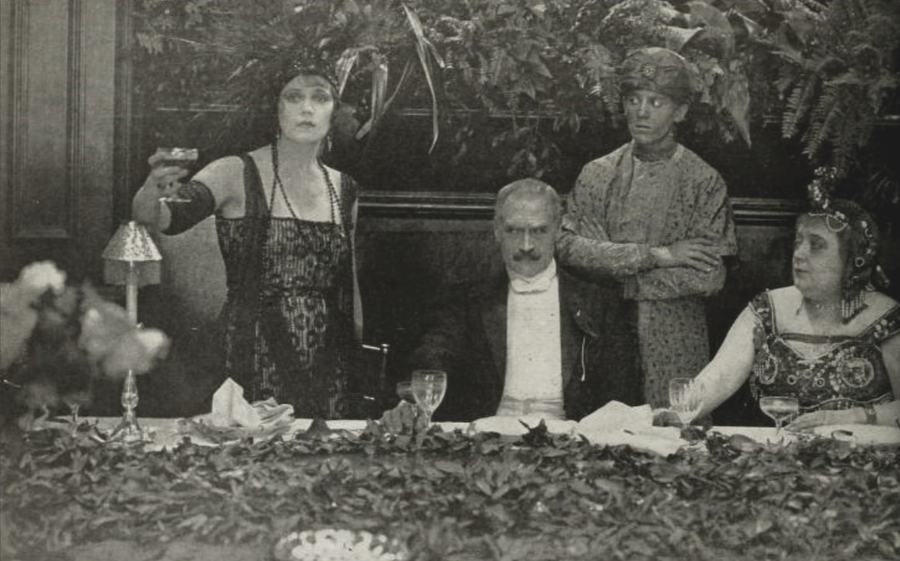
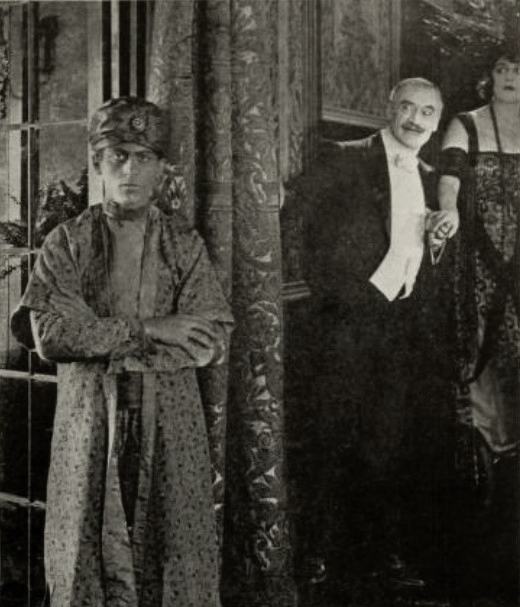
Enter Prince Boissard, embodied by R. Payton Gib, a character crafted from the darkest corners of libertine aristocracy. He is the antithesis of Richard – wealthy, powerful, and utterly devoid of genuine artistic appreciation beyond its capacity to serve his own hedonistic desires. Boissard's arrival in Savenay is not for inspiration, but for gratification. His gaze, unlike Richard's, is not one of artistic admiration but of covetous lust, settling on Arlette with chilling possessiveness. The air thickens with an unspoken menace as Boissard, a connoisseur of both art and human vulnerability, quickly discerns the unspoken bond between Arlette and the struggling artist. He sees not love, but leverage.
The proposal he extends is nothing short of diabolical: he will become Richard's patron, funding his education in the hallowed art schools of Italy, lifting him from the brink of starvation to the pinnacle of artistic opportunity. The price? Arlette herself, demanded as his mistress. This pivotal moment, the heart of the film's conflict, thrusts Arlette into an agonizing moral crucible. Her choice is stark: her purity versus Richard's future. The film's strength lies in its portrayal of Arlette’s silent agony, her internal struggle conveyed through subtle gestures and the weight of her decision. She accepts, a monumental act of self-immolation, believing her sacrifice to be the only path to secure the man she loves a life beyond poverty and obscurity. It is a decision that echoes the tragic nobility found in tales like Monna Vanna, where women are forced to make impossible choices for love or honor, often with devastating personal cost.
The narrative then leaps forward a year, a span of time during which Richard flourishes. Under Boissard’s patronage, he transforms from a struggling provincial artist into a celebrated figure, his name now synonymous with artistic triumph. Henry Clive portrays this evolved Richard with an air of newfound confidence and sophistication, a stark contrast to his earlier impecunious state. Yet, this success is built upon a foundation of unseen sorrow, a silent bargain struck by another. Richard, oblivious to the true cost, returns to Savenay, a conquering hero, his heart perhaps still holding a fondness for Arlette, but his mind consumed by his art and newfound fame. The irony is palpable; his brilliance shines, but it casts a long shadow over the woman who enabled it.
This period of separation and Richard's subsequent success highlights a critical theme: the ethical implications of patronage and the often-unseen sacrifices that underpin artistic achievement. It forces us to question whether the pursuit of art, no matter how noble, can justify such a profound moral compromise. The film subtly critiques a society where wealth grants absolute power, allowing figures like Boissard to exploit vulnerability with impunity. This exploitation of a naive woman by a powerful man for his own gratification finds parallels in the darker corners of classic cinema, reminiscent of the insidious manipulations seen in films such as The Folly of Desire, where moral corruption is often the driving force behind the plot.
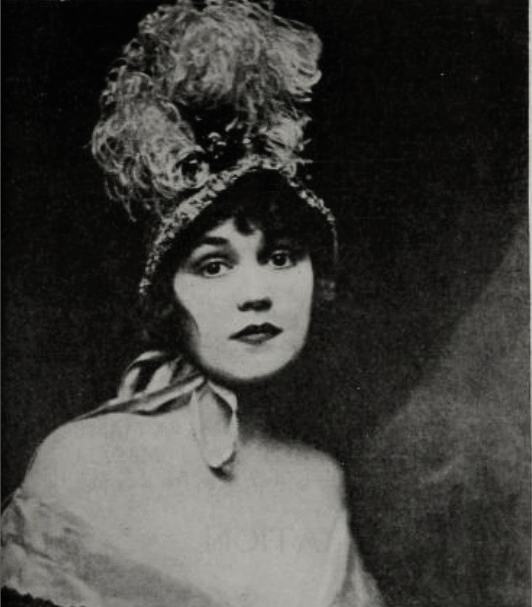
The inevitable reckoning arrives. Boissard, having fulfilled his end of the bargain – at least in terms of Richard's career – now demands his payment from Arlette. The scene is heavy with dread, as Arlette, true to her word, prepares to honor her agonizing debt. Her quiet dignity in the face of such a horrific fate is heartbreaking, a testament to Alice Brady's nuanced performance. She makes Arlette's sacrifice believable and deeply moving. The audience is left to grapple with the profound injustice of her situation, the weight of a promise made under duress, and the moral bankruptcy of the man demanding its fulfillment.
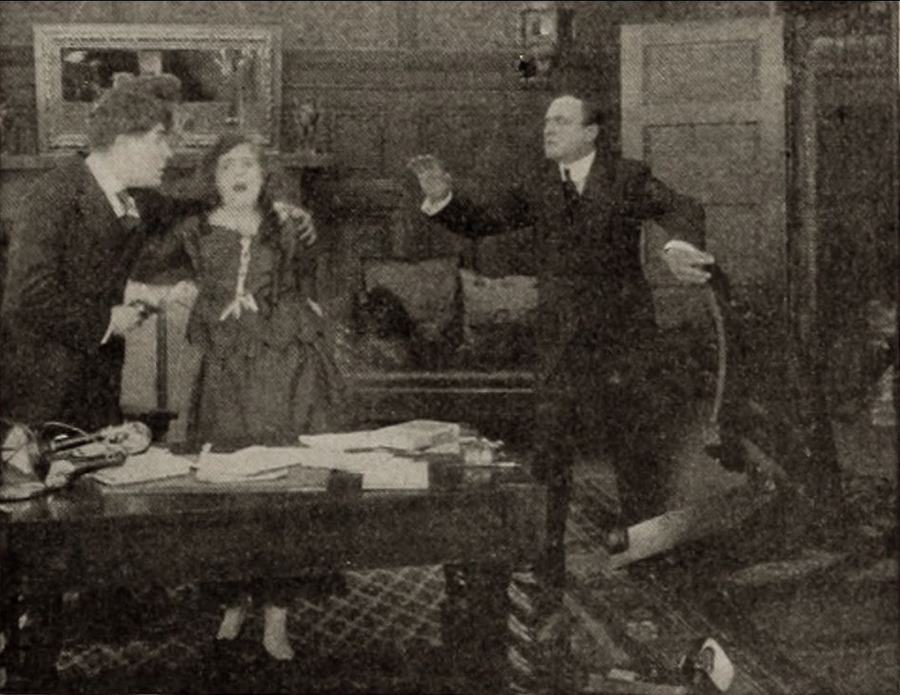
However, salvation comes from an unexpected quarter. Sarthe, Boissard's servant, played by Edmund Pardo, has been a silent observer throughout this unfolding tragedy. His devotion to Arlette, perhaps born of witnessing her quiet suffering and innate goodness, culminates in a decisive, violent act. He stabs his master, Boissard, a sudden, shocking intervention that frees Arlette from her terrible predicament. This deus ex machina moment, while perhaps convenient, serves to deliver justice where the legal or social systems would fail. It’s a dramatic, almost operatic, conclusion to the immediate threat, ensuring that the villain receives his just desserts, albeit by illicit means. This type of sudden, violent resolution for a predatory figure is a common trope in melodramas, providing a cathartic release for both characters and audience, similar to the dramatic finales in films where the oppressed find an unexpected champion.
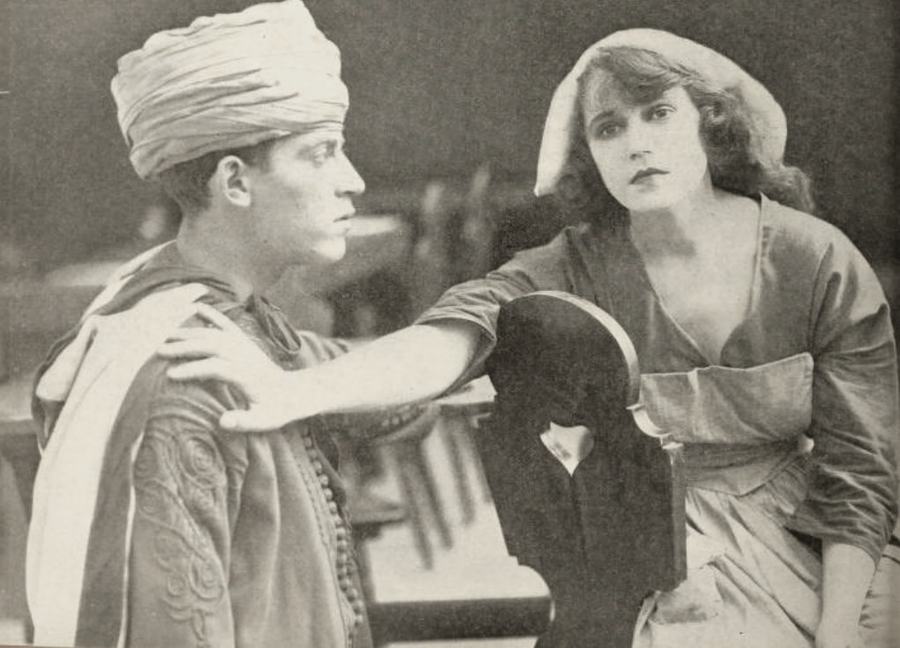
Her Silent Sacrifice delves deep into the multifaceted nature of love. Arlette’s love is pure, selfless, and ultimately sacrificial. It stands in stark contrast to Boissard's possessive, transactional desire. Richard's love, or perhaps his affection, is more ambiguous, overshadowed by his artistic ambition. The film poses a vital question: can true love flourish when it is born of such a dark bargain? The silent nature of Arlette's sacrifice is particularly poignant; she undertakes this immense burden without fanfare, without even Richard's knowledge, amplifying her profound devotion.
The film also critically examines the world of art and patronage. Richard's talent is undeniable, but his ascent is not solely due to his genius; it is facilitated by a morally compromised benefactor. This raises uncomfortable questions about the integrity of art itself when its creation is funded by exploitation. Is the art still pure if its foundation is tainted? The narrative suggests a complex answer, where the art might transcend its origins, but the human cost remains indelible. This interplay between art, finance, and morality is a recurring theme in cinema, often explored in a more nuanced fashion in later works, but presented here with a clear, if stark, moral compass.
Class dynamics are also subtly, yet powerfully, at play. Arlette, from the working class, is vulnerable to the whims of the aristocratic Boissard. Richard, though an American, is initially an outsider, an artist of no means, making him susceptible to Boissard's offer. The film underscores how economic disparities can create situations ripe for exploitation, where the powerful can dictate terms to the powerless. The intervention of Sarthe, a servant, in the final act, is significant; it is a rebellion from within the system, a turning of the tables by one of the oppressed against his oppressor.
Alice Brady's portrayal of Arlette is the emotional anchor of the film. Her ability to convey profound sorrow, unwavering resolve, and a quiet, dignified suffering without excessive histrionics is commendable. She makes Arlette's sacrifice believable and deeply moving. Henry Clive, as Richard, effectively navigates the journey from struggling artist to celebrated master, though his character’s unawareness of Arlette's plight adds a layer of tragic irony to his success. R. Payton Gib, as Prince Boissard, embodies the villain with a chilling blend of aristocratic charm and sinister intent, making him a truly loathsome antagonist.
The direction, though not explicitly detailed in the synopsis, must have skillfully orchestrated these performances and the unfolding drama to maintain tension and emotional resonance. The film, a product of its time, uses the conventions of melodrama to explore themes that remain perennially relevant. The question of what one is willing to sacrifice for love, for art, or for another's future, remains a potent query. Her Silent Sacrifice, with its stark moral landscape and its poignant depiction of a woman's unwavering devotion, leaves a lasting impression, prompting reflection on the hidden costs of ambition and the true meaning of selflessness. It reminds us that often, the most profound acts of love are performed in silence, their true weight known only to the one who bears the burden.
In its exploration of moral compromise, the film subtly critiques the societal structures that enable such exploitation. While the ending provides a form of poetic justice, it doesn't entirely erase the trauma endured by Arlette. Her liberation allows her to marry the artist, but the scars of her silent bargain surely linger. The film, therefore, is not merely a romance or a melodrama; it is a commentary on power, vulnerability, and the enduring strength of the human spirit in the face of profound adversity. It’s a testament to the power of cinema to capture complex human emotions and ethical dilemmas, even within the confines of a seemingly straightforward plot. The enduring appeal of such narratives lies in their ability to tap into universal human experiences – love, betrayal, hope, and redemption – making Her Silent Sacrifice a compelling, if emotionally taxing, viewing experience that resonates long after the credits roll.
IMDb —
1916
Community
Log in to comment.