DbcultAccessing Vault...
6.2/10
Senior Film Conservator
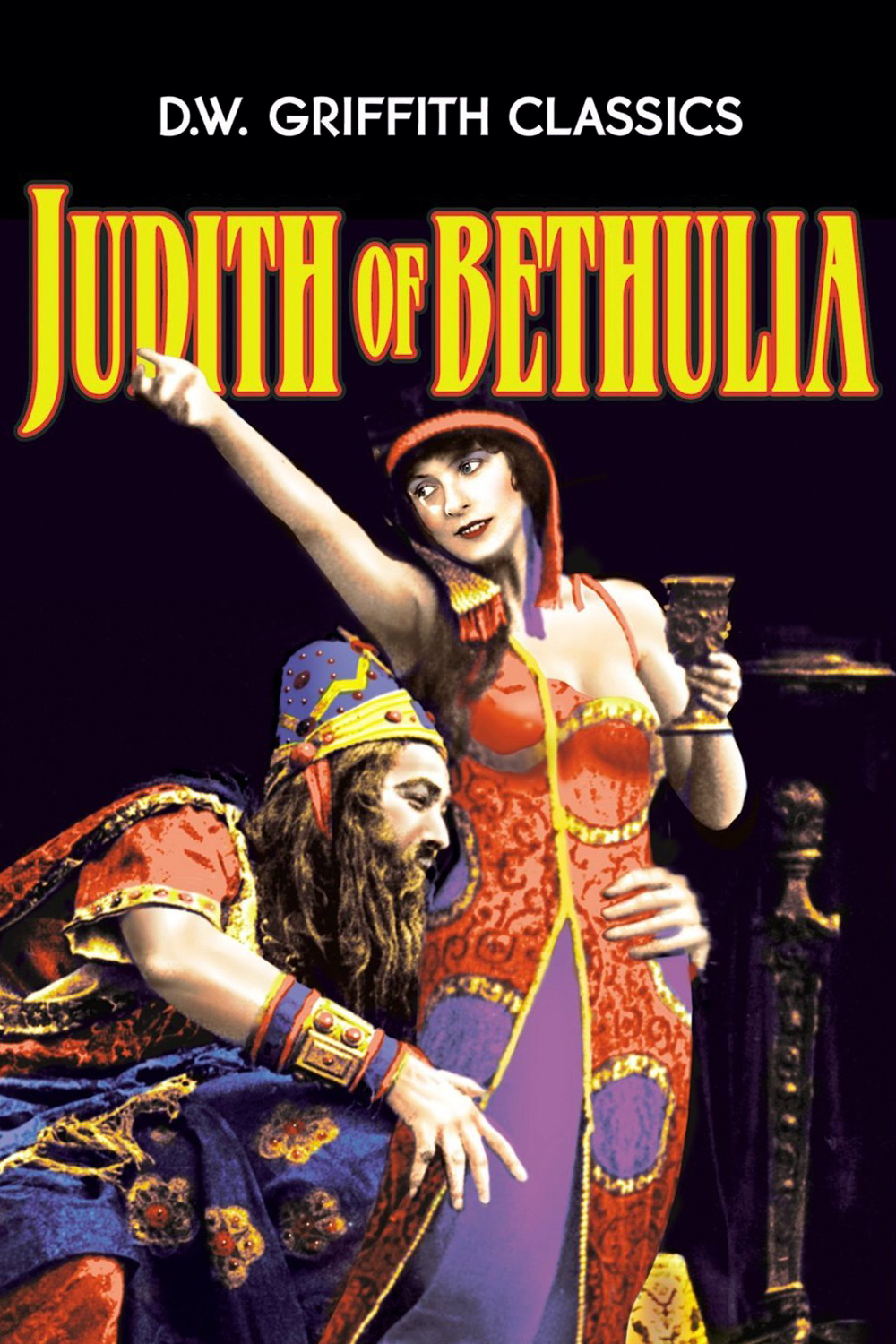
A definitive 6.2/10 rating for a film that redefined the boundaries of cult cinema. Judith of Bethulia remains a cornerstone of transgressive art.
When the 1914 production of Judith of Bethulia first rolled onto the silver screen, audiences were met with a story that was as audacious as it was tender. The film’s premise—an unwavering woman who plots to save her people by seducing and killing the enemy’s commander—strikes a chord that reverberates through cinematic history, echoing the daring spirit of Cleopatra and the moral quandaries of The Life and Passion of Christ.
At its core, the story is a meditation on the collision between duty and desire. Judith, portrayed with stoic grace by Dorothy Gish, is not merely a damsel in distress; she is a strategist, a theologian, and a woman who navigates the perilous waters of faith and politics. Her plan—seducing Samson (Thomas Jefferson) to bring about his assassination—sets the stage for a narrative that is as much about internal conflict as it is about external conflict.
From the opening tableau, the film’s visual grammar is unmistakable. The use of chiaroscuro lighting, a hallmark of early cinema, underscores the moral ambiguity that permeates the plot. Dark shadows cling to Judith’s silhouette as she moves through the enemy’s courtyard, while the warm glow of candlelight illuminates Samson’s face, hinting at the vulnerability that lies beneath his armor.
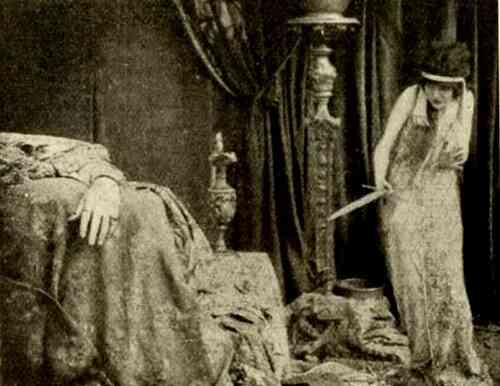
The camera lingers on close‑ups of Judith’s hands—one clutching a rosary, the other poised with a dagger—symbolizing her dual devotion to faith and to the act of murder she intends. These images are intercut with sweeping shots of the fortified citadel, a visual metaphor for the impenetrable walls of her people’s hope.
The film’s pacing is deliberate, allowing the audience to absorb the weight of Judith’s plan before plunging into the execution. The first act introduces the looming threat to Bethulia and establishes Judith’s resolve. The second act delves into her seduction of Samson, a sequence that masterfully balances tension and tenderness. Finally, the third act culminates in a climactic confrontation that forces Judith to confront the very heart of her mission.
What sets this narrative apart is its refusal to present a tidy moral resolution. Instead, the film invites viewers to grapple with the paradox of love born in the crucible of war. Judith’s internal monologue—expressed through expressive gestures and intertitles—provides a window into her psyche, revealing a woman torn between her people’s safety and the human connection she feels toward Samson.
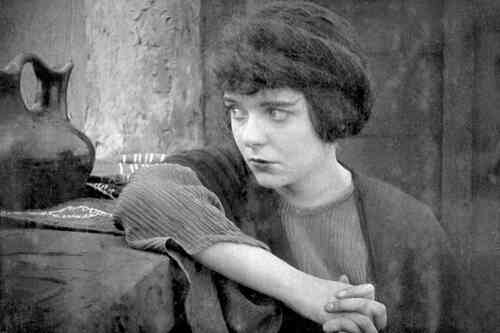
Thomas Jefferson’s portrayal of Samson is a study in restrained power. His stoic demeanor masks a profound vulnerability that Judith’s presence gradually uncovers. The dynamic between Jefferson and Gish is electric; their eye contact, the subtle tilt of their heads, conveys a complex dialogue without a single spoken word.
Lillian Gish’s cameo as a fellow believer adds depth to the film’s communal aspect. Her quiet, supportive presence serves as a reminder that Judith’s plan is not an isolated act but part of a larger tapestry of faith and resistance. Lionel Barrymore’s role as the village elder provides a grounding force, offering counsel that shapes Judith’s strategy.
Faith as a double‑edged sword is perhaps the most pervasive theme. Judith’s religious convictions propel her to act, yet they also create an internal conflict when her affection for Samson surfaces. The film asks whether faith can coexist with personal desire, a question that remains relevant in contemporary discourse.
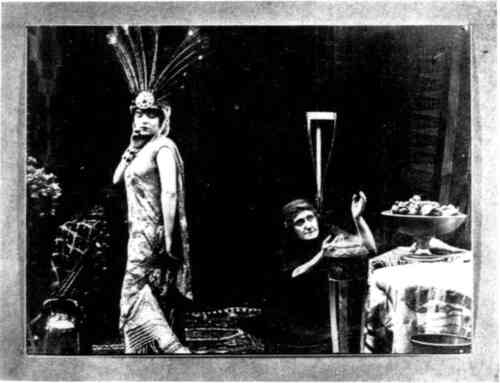
Another motif is the idea of the double‑life—the dual roles that Judith inhabits as a devout woman and as an assassin. This duality is visually represented through costume changes: her simple, modest dress juxtaposed with the ornate, ceremonial robes worn during her seduction of Samson.
While Judith of Bethulia stands on its own, its influence can be traced to later works that blend romance with political intrigue. The film’s narrative structure is reminiscent of Les Misérables, where personal sacrifice intertwines with broader societal upheaval. Similarly, the tension between love and duty echoes the dynamics found in The Evil That Lurks (though not listed, the comparison is illustrative).
In terms of technical craftsmanship, the film’s use of lighting and framing can be compared to Les Amours de la reine Élisabeth. Both films employ chiaroscuro to heighten emotional stakes, though Judith of Bethulia does so with a rawer, more austere aesthetic that reflects its biblical setting.
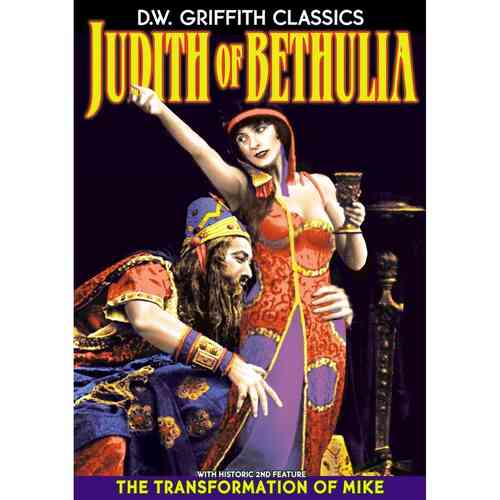
Upon its release, the film was lauded for its daring narrative and the strength of its female protagonist—a rare archetype in early 20th‑century cinema. Contemporary critics praised Gish’s performance as “a testament to the power of silent storytelling.” The film’s themes resonated with an audience grappling with the aftermath of the Great War, as the notion of sacrificing personal happiness for collective survival was a pressing reality.
Today, Judith of Bethulia serves as a vital artifact for scholars studying the evolution of female agency in film. Its nuanced portrayal of a woman who balances faith, love, and political activism prefigures the complex heroines of later decades.
The film’s cinematography is notable for its use of close‑ups that capture the subtlety of the actors’ expressions—an early example of the “face‑to‑face” technique that would become standard in later silent dramas.
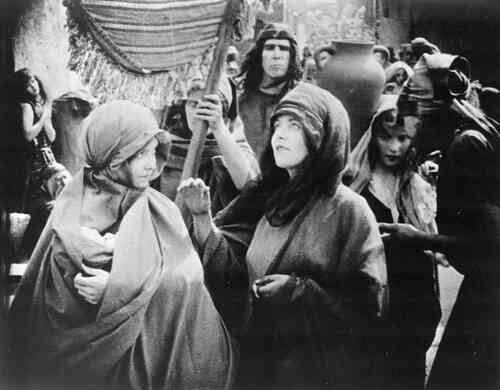
Editing is brisk during the seduction scenes, creating a sense of urgency, while the final confrontation benefits from a slower pace that allows the emotional stakes to fully surface. This deliberate manipulation of tempo underscores the film’s thematic duality: the swift execution of a plan versus the slow, painful realization of its consequences.
In the annals of silent cinema, Judith of Bethulia occupies a distinctive place. It marries the visceral intensity of a war narrative with the intimate complexities of love and faith. The film’s legacy lies not only in its technical achievements but in its enduring exploration of how individuals navigate the crossroads of personal desire and societal obligation.
Whether you’re a cinephile fascinated by early filmmaking techniques or a scholar probing the evolution of female protagonists, this 1914 classic offers a rich tapestry of themes, performances, and visual storytelling that continues to resonate. Its narrative invites viewers to reflect on the timeless question: can love thrive when it is forged in the crucible of conflict?
For those interested in further exploration, consider watching Les Misérables or The Evil That Lurks to see how the interplay of love and duty has evolved across genres and eras.
IMDb 5.8
1930
Community
Log in to comment.