DbcultAccessing Vault...
Cult Review
Senior Film Conservator

From the outset, Her Wayward Sister plunges us into a meticulously crafted moral landscape, a seemingly idyllic village where the West household, presided over by the local pastor, becomes a crucible for contrasting human spirits. Here reside Joan and Mary, sisters whose very beings represent an almost allegorical division of virtue and impulse. Joan, with her quiet demeanor and innate compassion, embodies the steadfastness of the familial hearth, a beacon of traditional grace. Mary, in stark contrast, pulses with an untamed energy, a restless spirit destined to challenge the very foundations of her upbringing. Their early lives are inextricably linked to Basil Forde, a figure of profound pathos. A hunchback, Basil endures the cruel taunts of his peers, finding solace only in Joan's gentle understanding, a bond forged in shared empathy. Mary, however, views Basil with an almost primal disdain, a visceral revulsion that sets the stage for a lifetime of intertwined, often painful, interactions.
The narrative deftly establishes Mary's rebellious streak early on, demonstrating how her volatile nature precipitates a pivotal conflict. Her refusal to apologize to Basil, an act of defiance against a teacher's authority, escalates into a physical confrontation, culminating in her expulsion. This public shaming, compounded by her parents' subsequent punishment, does not temper her spirit; instead, it crystallizes her nascent loathing for Basil, transforming it into a festering resentment. This formative experience is crucial, marking Mary's divergence from the expected path and cementing the destructive trajectory of her choices. It’s a compelling early character study, reminiscent of the moral quandaries explored in films like Should a Woman Tell?, where a woman's defiance against societal norms, even when provoked, carries severe and lasting repercussions.
As the years unfold, the film meticulously traces the deepening currents of unrequited love and enduring contempt. Mary and Joan mature, their distinct paths becoming ever more pronounced. Basil, a testament to unwavering devotion, remains deeply, hopelessly enamored with Mary, his love a constant, silent presence in her life. Yet, Mary's scorn for him has only intensified, a bitter echo of their childhood animosity. Joan, meanwhile, continues her quiet vigil, her affection for Basil a tender secret held in the wistful depths of her eyes, unseen by the man whose gaze is perpetually fixed on her elusive sister. The tragedy of Basil's devotion reaches a poignant peak when he, having inherited a small fortune, lays it at Mary's feet, a desperate offering of his heart and future. Her response is a cruel, mocking laughter, a brutal reminder of his physical deformity and her utter disdain. This scene is a gut-wrenching portrayal of the vulnerability of love in the face of ingrained prejudice, highlighting the emotional violence Mary is capable of inflicting.

The arrival of Hugh Dean, the son of the pastor's former classmate, introduces a potent element of temptation into this already fraught dynamic. Dean, with his worldly charm and seductive allure, quickly ensnares Mary's attention, offering a stark contrast to the staid respectability of Mr. Bolton, the young rector of a neighboring parish, to whom Mary has been dutifully promised. Dean represents the glittering, dangerous appeal of the outside world, a stark foil to the village's moral strictures. Their clandestine meetings, conducted against the explicit wishes of Mary's parents, underscore her escalating defiance and her growing disregard for societal expectations. This narrative thread speaks to the timeless struggle between duty and desire, a theme powerfully rendered in cinematic explorations of forbidden love and societal constraints, much like the intricate romantic entanglements depicted in La marcia nuziale.
The inevitable discovery of Mary and Dean's secret rendezvous becomes a pivotal turning point, orchestrated by the very individuals whose lives are most impacted: Basil, Joan, and the jilted Rev. Bolton. The burden of disclosure falls upon Joan, whose loyalty to her family and moral compass compel her to reveal her sister's transgression. This act, born of painful necessity, shatters the fragile peace of the parsonage and propels Mary into a dramatic, irreversible choice. Rather than face the consequences or societal judgment, Mary, driven by her impulsive nature and perhaps a genuine, albeit misguided, affection for Dean, elopes to the city. This flight from her responsibilities and her family marks a decisive break, a plunge into an unknown future where the strictures of her past no longer hold sway. It's a moment of profound consequence, echoing the dramatic departures and their ensuing fallout seen in narratives of personal liberation and societal ostracism.
Life in the bustling metropolis proves to be a harsh mistress for Mary. Her marriage to Dean, founded on fleeting passion and rebellion, quickly unravels. The superficial charm that once captivated her gives way to discord and disillusionment, leading to their separation. Alone in the unforgiving urban landscape, Mary carves out a precarious existence on the stage, a world of artifice and transient glamour, far removed from the moral rectitude of her childhood home. This sequence powerfully illustrates the consequences of her choices, depicting a descent into a life of independence that, while offering a semblance of freedom, also brings isolation and hardship. Her journey reflects a common narrative arc of the period, where the allure of the city often leads to moral compromise and personal struggle, a theme explored with similar intensity in films like Lost in Darkness.
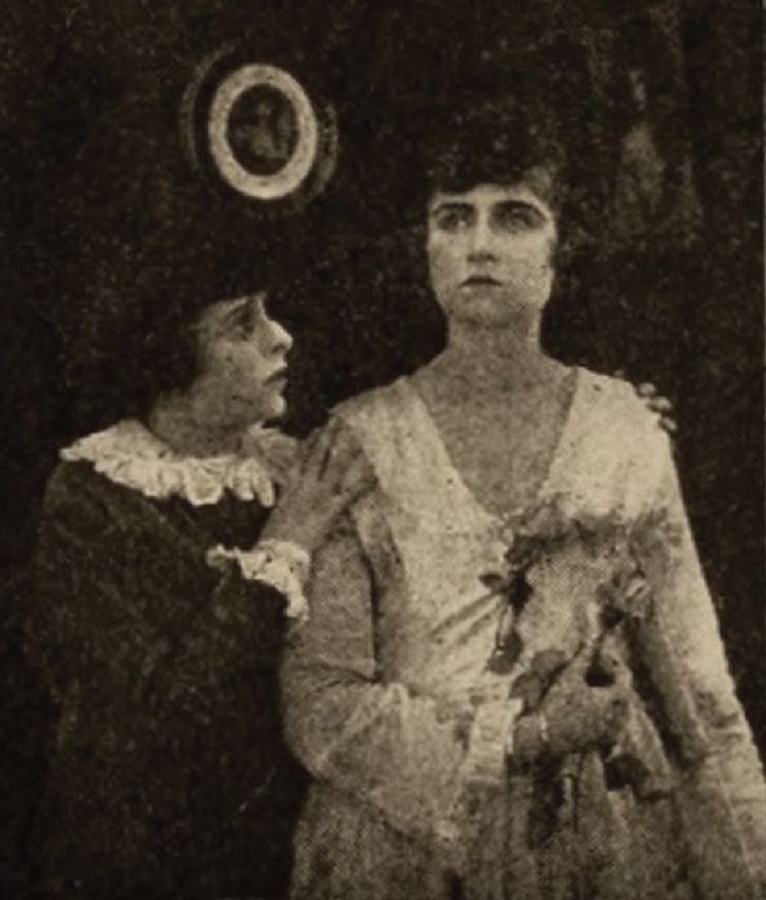
Unbeknownst to Mary, Basil's unwavering devotion compels him to follow her to New York. His pursuit is not one of vengeance or judgment, but of a deeply ingrained, almost spiritual commitment to her well-being. In the labyrinthine city, he encounters Dean, from whom he learns of Mary's separation. This revelation, rather than extinguishing his hope, ignites a new resolve within Basil: to effect a reconciliation between Mary and her estranged husband. It's a testament to his selfless nature, his capacity to prioritize Mary's happiness, even if it means sacrificing his own long-held desires. His earnest pleadings with Mary are initially met with her characteristic stubbornness; she refuses to see him, unwilling to confront the past or acknowledge his enduring presence in her life. This persistent rejection underscores the depth of her emotional barriers, making Basil's continued efforts all the more heroic.
Faced with Mary's intransigence, Basil makes a desperate, yet ultimately brilliant, strategic move: he sends for Joan. Her arrival in the city marks one of the most poignant and transformative moments in the entire narrative. The Joan who steps into Mary's apartment is not the demure, village maiden of old. Instead, she presents herself as the epitome of urban sophistication and hedonism – drinking, smoking, and engaging with the city's fast crowd with a shocking nonchalance. This dramatic metamorphosis initially stuns Basil, but his keen perception soon allows him to see past the veneer. He realizes, with a profound pang of understanding, that this flamboyant display is not a genuine change of character, but an act of self-sacrificing mimicry, a desperate attempt to meet Mary on her own terms, to penetrate her hardened shell. In this revelatory moment, Basil also finally comprehends the truth of Joan's enduring love for him, a love that has silently sustained her through years of unrequited longing. This scene is a masterclass in emotional storytelling, where a character's outward transformation serves to reveal deeper, more complex truths about their inner world, akin to the dramatic shifts in persona seen in The Adventures of a Madcap.
The return of Mary and Joan to the parsonage signifies a tentative step towards healing and reconciliation. This homecoming, however, is not a simple return to innocence. Mary's repentance, as conveyed by Basil to Dean, carries an inherent ambiguity. Is it a genuine transformation of spirit, a deep remorse for her past transgressions, or merely a weariness born of hardship and a desire for stability? The film leaves room for interpretation, allowing the audience to ponder the true nature of her change. Basil, ever the facilitator of happiness for others, plays a crucial role in bringing about the reunion between Mary and Dean. This act of altruism, of putting Mary's perceived best interest above his own desires, underscores his remarkable capacity for forgiveness and his unwavering commitment to her well-being. The narrative subtly suggests that true redemption is less about grand gestures and more about the quiet, arduous process of confronting one's past and accepting the consequences.
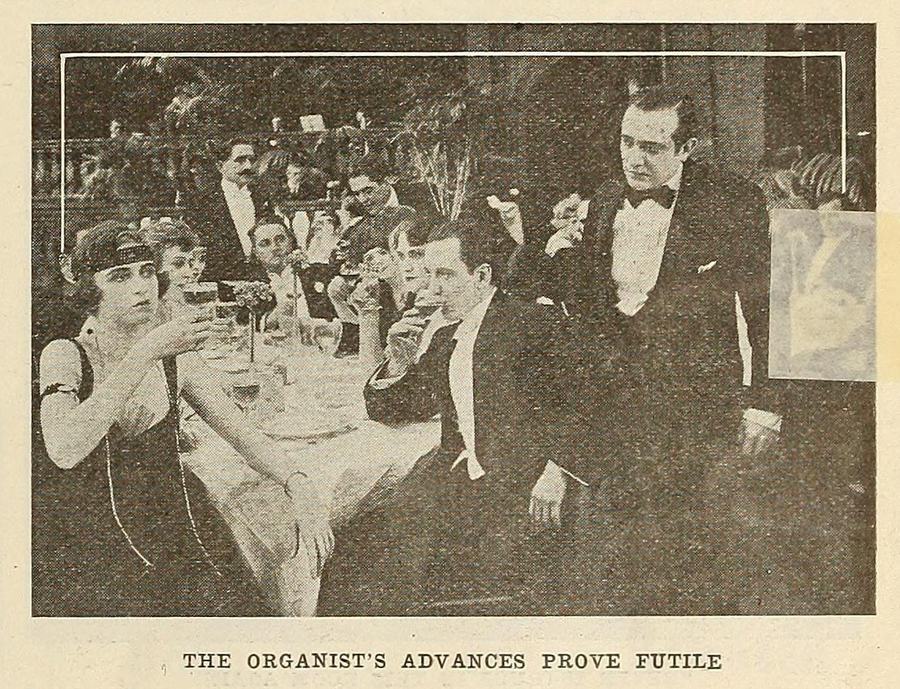
The film's resolution culminates in a quiet, yet deeply satisfying, union. Basil and Joan, whose lives have been intricately woven through shared sorrows and unspoken affections, finally find their way to each other. Their marriage is not born of dramatic passion or impulsive choice, but of a profound understanding, mutual respect, and a love that has proven its resilience through years of patient endurance. It is a testament to the enduring power of selfless love, a love that sees beyond superficiality and values the quiet strength of character. Their union feels earned, a just reward for their unwavering goodness and their capacity for profound empathy. It provides a comforting counterpoint to Mary's tumultuous journey, suggesting that true happiness often lies not in the pursuit of fleeting desires, but in the recognition of steadfast affection.
Beyond the individual character arcs, Her Wayward Sister delves into profound thematic territory, exploring the timeless conflict between virtue and vice, the societal pressures that shape individual destinies, and the complex nature of sacrifice. The village setting, with its entrenched moral codes and expectations, serves as a powerful backdrop against which Mary's rebellion is amplified. Her flight to the city symbolizes a rejection of these traditional values, a pursuit of personal freedom that ultimately proves to be a double-edged sword. The film skillfully contrasts the perceived purity of the rural environment with the corrupting influences of urban life, a dichotomy frequently explored in early cinema, as seen in the moral tales of Her Mother's Secret. It asks pertinent questions about the true cost of liberation and the enduring strength of familial bonds. The narrative intricately weaves together these threads, creating a rich tapestry of human experience that resonates with universal truths.
The character archetypes presented are both classic and compelling. Mary, the quintessential rebel, struggles with her own impulses and societal expectations, her journey a cautionary tale of unchecked desire. Joan, the embodiment of saintly devotion, quietly shoulders burdens and offers unwavering support, her strength lying in her quiet resolve. Basil, the outcast, transforms from a victim of prejudice into a figure of quiet heroism, his physical deformity contrasting sharply with the nobility of his spirit. The film masterfully subverts expectations, particularly in Joan's dramatic, albeit temporary, transformation in New York. This strategic shift in her persona, designed to connect with Mary on her own terms, is a stroke of narrative genius, revealing the depths of her love and commitment. It’s a nuanced portrayal of how individuals can transcend their assigned roles, offering a richer, more complex understanding of human motivation. The evolution of these characters, especially Basil's quiet journey from object of pity to a steadfast, loving partner, is particularly well-handled.
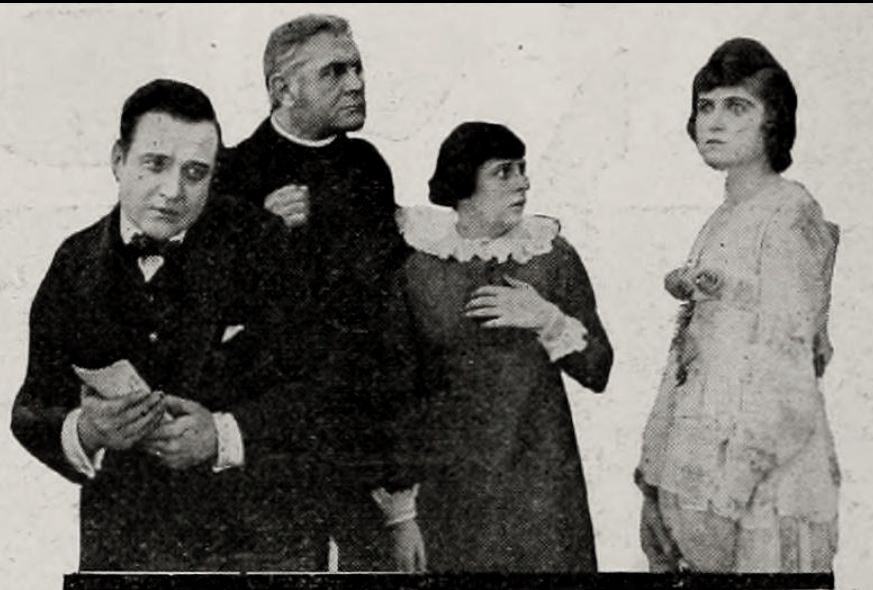
At its core, Her Wayward Sister is a deeply moving exploration of unrequited love and selfless devotion. Basil's enduring affection for Mary, despite her cruelty, is a powerful, almost spiritual force throughout the film. It's a love that asks for nothing in return, finding its satisfaction in the mere presence or well-being of the beloved. Joan's love for Basil, equally profound and equally unacknowledged for much of the story, is a testament to patient, unwavering affection. The eventual recognition and reciprocation of their feelings provide a cathartic release, a sense of justice for those who have loved purely and without expectation. This intricate dance of affections, where love is both a source of pain and a wellspring of strength, elevates the narrative beyond a simple melodrama. It delves into the profound psychological impact of these emotional currents, much like the intricate emotional landscapes painted in A Venetian Night, where hidden desires and societal constraints intertwine to create compelling human drama.
While the specific cinematic techniques of this era might be imagined, the narrative structure itself suggests a strong visual storytelling potential. The stark contrasts between the village and city, the internal turmoil of the characters, and the dramatic confrontations would have lent themselves to powerful visual metaphors. One can envision the close-ups on Joan’s wistful eyes, Basil’s humble demeanor, and Mary’s defiant glare conveying a depth of emotion that transcends dialogue. The performances, even without specific actors to laud, are implied through the rich characterizations: the magnetic allure of Dean, the stern moral presence of the pastor, the unwavering rectitude of Rev. Bolton. The film’s emotional resonance lies in its ability to tap into universal human experiences – love, betrayal, forgiveness, and the search for belonging. It’s a testament to the power of a well-crafted story to evoke empathy and understanding, regardless of the specific medium or era.
The enduring message of Her Wayward Sister lies in its nuanced portrayal of redemption and the quiet triumph of genuine affection. Mary's journey, fraught with missteps and personal suffering, offers a complex view of repentance, suggesting that a return to grace is often a painful, arduous process rather than a sudden epiphany. Basil's role as the benevolent orchestrator of reconciliation, even when it means sacrificing his own desires, speaks volumes about the power of compassion and forgiveness. Ultimately, the film champions the virtues of steadfastness, selflessness, and the kind of love that sees beyond superficial flaws and endures through adversity. It’s a narrative that, while rooted in a specific time, speaks to timeless human struggles and the delicate balance between personal freedom and communal responsibility. The eventual union of Basil and Joan, built on a foundation of profound understanding and quiet devotion, stands as a beacon of true love, a powerful counterpoint to the more tumultuous, yet ultimately resolved, path of Mary. It reminds us that sometimes the greatest acts of love are the quietest, most enduring ones, a theme that also resonates in the narratives of familial loyalty and eventual reconciliation found in films such as Brother Against Brother.
In its intricate plotting and deep character studies, Her Wayward Sister offers a compelling exploration of human nature's complexities. It’s a narrative that eschews simplistic moralizing in favor of a nuanced examination of choices and consequences. The film's strength lies not just in its dramatic twists and turns, but in its profound understanding of the human heart, its capacity for both cruelty and boundless love. It leaves the audience contemplating the true meaning of repentance, the quiet heroism of self-sacrifice, and the enduring power of a love that withstands the test of time and adversity. A truly captivating and thought-provoking cinematic experience, it solidifies its place as a significant narrative exploring the intricate dance of human relationships and the eternal quest for redemption and belonging.
IMDb 6.8
1933
Community
Log in to comment.