DbcultAccessing Vault...
Cult Review
Senior Film Conservator
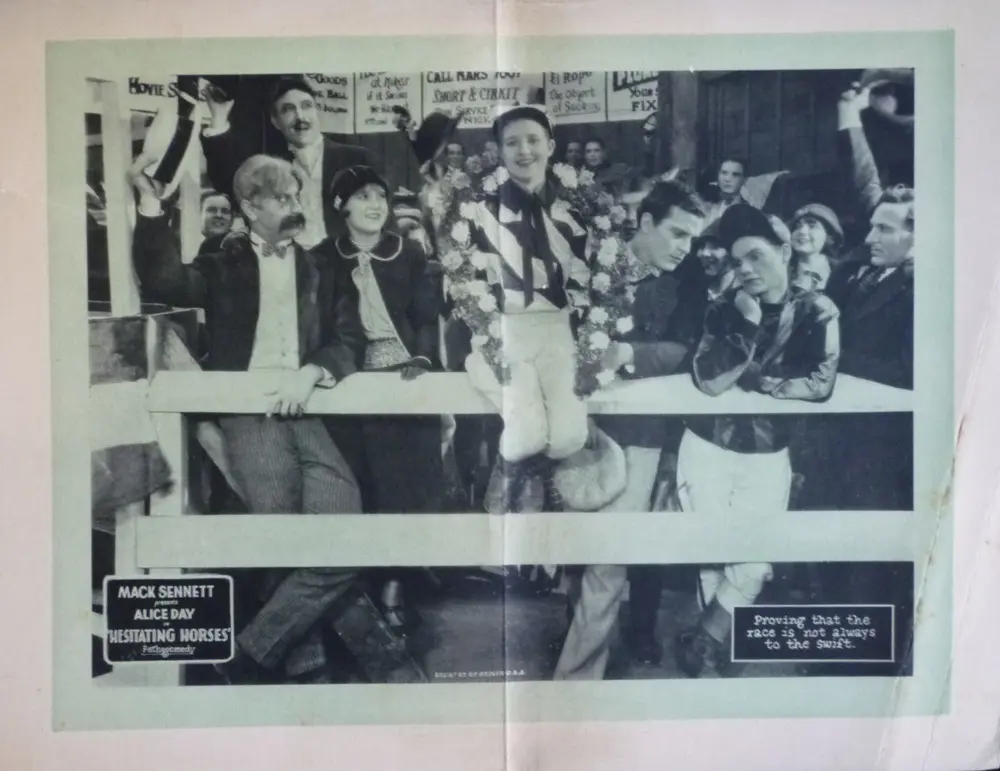
Is Hesitating Horses worth watching today? Short answer: yes, but with significant caveats that demand a specific type of viewer. This film is a fascinating, if sometimes frustrating, window into early cinematic comedy and the evolving role of women in narrative, making it ideal for cinephiles and historians.
However, those seeking modern pacing, sophisticated storytelling, or high production value will find its charms elusive. It's a jolt, a charming anachronism, but one that rewards patience.
This film works because... it captures a delightful, rebellious spirit through its lead character, Alice, and offers a unique glimpse into the humor and social dynamics of the era.
This film fails because... its narrative logic is often flimsy, and its pacing can feel jarringly disjointed to contemporary audiences, hindering deeper engagement.
You should watch it if... you have a genuine interest in silent cinema, appreciate the historical context of early filmmaking, or enjoy quirky, character-driven comedies with a touch of the absurd.
Stepping into the world of Hesitating Horses is akin to opening a dusty, forgotten photo album. Released in an era when cinema was still finding its voice, this film offers a snapshot of early American comedy, brimming with the earnestness and technical limitations characteristic of its time. It’s a period piece in the truest sense, both in its narrative and its very form.
The plot, deceptively simple, hinges on a classic trope: the spirited country girl longing for adventure beyond her father’s conservative gaze. What elevates it, however, is the introduction of Ruth, the city girl, who acts not merely as a foil but as an ideological accelerant.
Her arrival isn't just a plot device; it's a commentary on the burgeoning clash between rural tradition and urban modernity, a theme subtly woven into the film's comedic fabric. This dynamic, while not explored with great depth, provides a compelling undercurrent to the otherwise lighthearted proceedings.
The film’s humor relies heavily on physical comedy and exaggerated expressions, as was customary for silent features. Yet, there’s a surprising nuance in the performances, particularly from its lead, Alice Day, which prevents it from devolving into mere caricature.
It's a testament to the actors' craft that they could convey so much without a single spoken word, relying instead on the universal language of human emotion and slapstick timing. The film is a historical document, yes, but one that occasionally sparks with genuine entertainment.
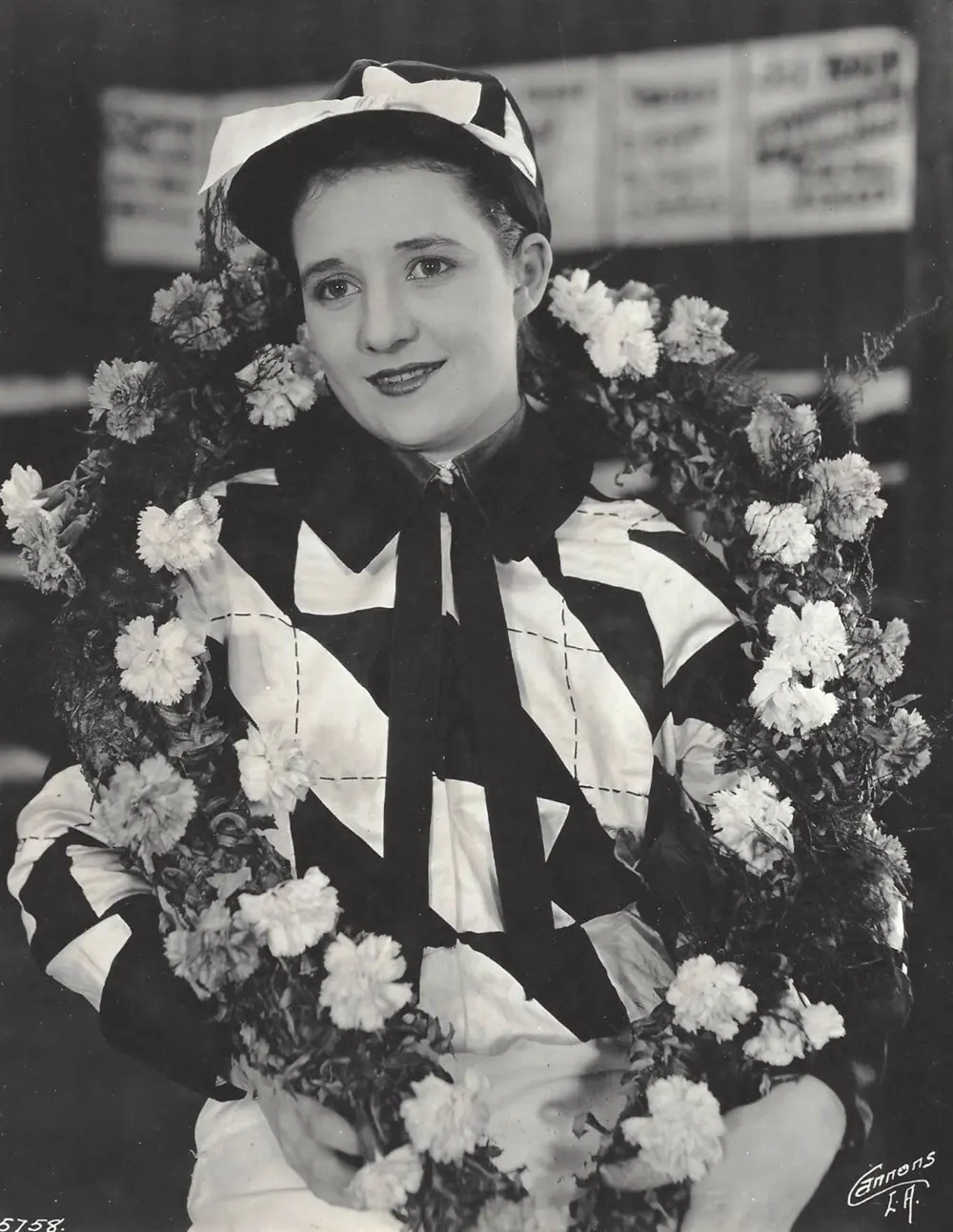
The undeniable star power of Alice Day anchors Hesitating Horses, transforming what could have been a pedestrian silent comedy into something genuinely captivating. Day, with her expressive eyes and vivacious energy, embodies Alice with a blend of naiveté and burgeoning independence that is utterly charming.
Her physical comedy is precise, yet never feels forced. Consider her initial interactions with Ruth: Day’s wide-eyed curiosity slowly morphs into an infectious enthusiasm, a clear visual representation of Ruth’s influence taking hold. It’s a subtle arc delivered entirely through gestures and facial shifts.
Day’s performance is a masterclass in silent film acting – not the overly theatrical kind often parodied, but a grounded, believable portrayal that draws you into Alice’s world. She manages to convey an entire internal monologue with a mere tilt of her head or a defiant set of her jaw.
Her determination to enter the horse race, despite her father's disapproval, is palpable, driven by a quiet strength that resonates even a century later. This isn't a damsel in distress; this is a young woman finding her voice, however silently.
Ruth Taylor, as the worldly Ruth, serves as an excellent catalyst. Her confident demeanor and knowing glances provide a stark contrast to Alice’s initial innocence, effectively pushing the narrative forward. While her character is more of a plot device than a fully fleshed-out individual, Taylor plays the role with an assuredness that makes her influence on Alice entirely believable.
The chemistry between Day and Taylor, though brief, is a highlight, demonstrating the power of female camaraderie in a period where such portrayals were still evolving. Their dynamic is the engine that drives Alice's transformation.
Malcolm Stuart Boylan’s direction in Hesitating Horses is, by modern standards, straightforward and functional. It prioritizes clarity of narrative and comedic timing over stylistic flourishes. This isn't a film trying to redefine the visual language of cinema; rather, it’s content to tell its story effectively within the established conventions of its time.
The cinematography, while lacking the grand scope of later epics like Cameo Kirby, possesses a raw charm. Shots are typically medium or wide, allowing the audience to take in the full extent of the physical comedy and the actors' expressive movements.
There's a pragmatic beauty to the outdoor sequences, particularly those involving the horses. The natural light and simple framing give these scenes an authentic, almost documentary-like quality, grounding the more farcical elements of the plot.
Intertitles are used judiciously, often to deliver punchlines or crucial plot information, never overstaying their welcome. Boylan understands the power of visual storytelling, allowing the actors’ performances to carry the emotional weight, with intertitles serving as necessary punctuation rather than crutches.
One might argue that the direction occasionally feels rudimentary, particularly in its handling of crowd scenes or the more chaotic moments of the race itself. However, this simplicity also lends the film an endearing quality, a reminder of cinema's nascent years when storytelling was often more direct and less reliant on complex visual trickery.
It’s a functional beauty, one that serves the narrative without drawing undue attention to itself. The focus remains squarely on Alice and her whimsical quest.
The pacing of Hesitating Horses is, much like its titular equines, prone to unexpected starts and stops. The film takes its time establishing Alice's rural life and Ruth's disruptive influence, building a gentle rhythm before abruptly shifting into the frenetic energy of the race.
This sudden acceleration can be jarring for contemporary viewers accustomed to more consistent narrative momentum. Yet, within this unevenness lies a certain charm, a reflection of early filmmaking’s experimental nature. It feels less like a meticulously planned narrative arc and more like a series of delightful, if slightly disconnected, vignettes.
The tone is overwhelmingly lighthearted, almost whimsical. Even the conflict with Alice's father, which could easily be played for dramatic tension, is handled with a comedic lightness that prevents it from becoming overly serious. This choice reinforces the film’s identity as a pure comedy, albeit one with subtle thematic undertones.
The ultimate race sequence is a masterclass in comedic absurdity. The delay in getting Alice's horse to the track, the frantic efforts, and then the truly bizarre moment where Alice pauses mid-race to powder her nose, are strokes of genius.
This particular gag, while undeniably charming, also highlights a certain narrative playfulness, almost a wink to the audience that logic isn't the film's primary concern. It’s about the joy of the unexpected, the triumph of quirky determination over conventional wisdom.
The film leans into its own silliness, embracing the implausibility of its climax with a confident smirk. This makes it a unique entry in the silent comedy canon, less reliant on grand gags and more on character eccentricity.
Yes, Hesitating Horses is absolutely worth watching today, but with specific expectations. It's not a film for everyone.
This silent comedy is best suited for viewers with an appreciation for film history and the evolution of comedic storytelling. It offers genuine insights into the cultural sensibilities of its era.
It is an excellent choice for film students, silent film enthusiasts, or anyone curious about the foundational elements of cinema.
However, if you're looking for a fast-paced, emotionally complex, or technically polished modern film, this is not it. It demands a willingness to engage with its historical context.
The film's pacing can feel slow, and its narrative simplicity might not satisfy those accustomed to intricate plots. It works. But it’s flawed.
Beneath the surface of its lighthearted antics, Hesitating Horses subtly explores themes that resonate beyond its silent-era setting. The most prominent is the burgeoning sense of female agency, personified by Alice. Her decision to defy her father and enter the race is more than just a plot point; it's a quiet declaration of independence.
The father-daughter conflict, while played for laughs, touches upon the universal struggle between tradition and progress. Alice's father represents the old guard, resistant to change, while Alice, influenced by Ruth, embodies a desire for self-determination.
Ruth’s character, the sophisticated city girl, introduces the dichotomy between rural simplicity and urban worldliness. She brings new ideas, new fashions, and a different way of thinking to Alice’s sheltered existence, acting as a bridge to a wider world.
This isn't a radical feminist manifesto, but it’s a charming, early cinematic example of a woman taking control of her destiny, even if that destiny involves a horse race and a powder puff. It's a precursor to the spirited heroines seen in films like The Girl and the Game, though with a decidedly more comedic bent.
The film, in its own understated way, celebrates individuality and the courage to pursue one's desires, even when faced with societal expectations or paternal disapproval. It's a surprisingly empowering message wrapped in a comedic package.
Hesitating Horses is more than just a relic; it’s a vibrant, if imperfect, piece of cinematic history that still holds a surprising amount of charm. While its pacing and narrative simplicity might challenge audiences accustomed to modern storytelling, Alice Day's spirited performance and the film's unique brand of whimsical humor make it a worthwhile watch for those willing to engage with its historical context. It offers a delightful, if sometimes bizarre, window into a bygone era of filmmaking and a testament to the enduring appeal of a plucky heroine. It’s a film that asks you to slow down, adjust your expectations, and simply enjoy the ride. And if you do, you’ll find a genuinely endearing experience that, much like its determined protagonist, ultimately wins you over.
IMDb 6.5
1929
Community
Log in to comment.