DbcultAccessing Vault...
6.6/10
Senior Film Conservator
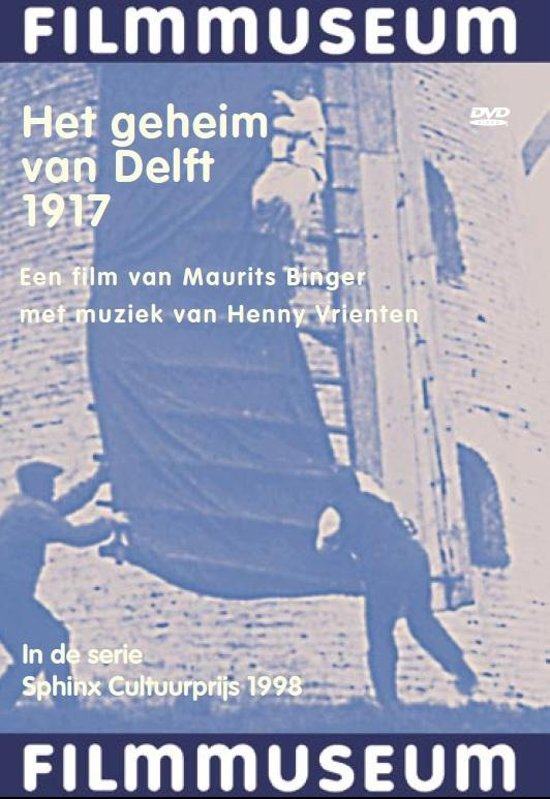
A definitive 6.6/10 rating for a film that redefined the boundaries of cult cinema. Het geheim van Delft remains a cornerstone of transgressive art.
In the annals of early Dutch cinema, a particular gem shines with the enigmatic glow of a lost art: Het geheim van Delft (The Secret of Delft). This isn't merely a film; it's a meticulously crafted melodrama, a thrilling pursuit of a forgotten legacy, and a poignant exploration of human ambition, greed, and the unyielding power of love. Released in an era when silent films were the dominant medium, it offers a fascinating window into the storytelling conventions and emotional resonance that captivated audiences over a century ago. Its narrative, rich with intrigue and dramatic irony, unfolds with a compelling earnestness that still resonates today, proving that the fundamental struggles of the human heart are timeless.
At the heart of this cinematic endeavor lies Jan Vogel, portrayed with a compelling blend of genius and desperation by Frederik Vogeding. Vogel is no ordinary craftsman; he is a visionary, a man utterly consumed by the noble pursuit of rediscovering the lost recipe for the fabled, unmatchable sheen of authentic Delft pottery. This isn't just about commercial success; it's about art, heritage, and the very soul of a national craft. His laboratory, one imagines, is a crucible of fervent experimentation, a place where science and artistry converge in a desperate bid to reclaim a forgotten glory. But the path to rediscovery is paved not just with meticulous trials but also with the harsh realities of financial constraint. Platinum, a crucial element for his alchemical endeavors, demands resources far beyond his current reach, placing his grand ambition on the precipice of ruin.
The precariousness of Vogel's situation is exacerbated by the dire straits of his patron, Van Haaften. The factory owner, whose fortunes have been capriciously decimated by reckless stock-market speculation, finds himself teetering on the brink of insolvency. This financial entanglement binds Vogel's artistic destiny to Van Haaften's fiscal imprudence, creating a palpable tension that underpins much of the early narrative. The stark contrast between Vogel's pure, artistic pursuit and Van Haaften's materialistic downfall highlights a prevalent theme of the era: the clash between noble craftsmanship and the vagaries of modern capitalism. It’s a struggle that could easily draw parallels with the economic anxieties reflected in other contemporary dramas, where financial ruin often served as a potent dramatic device.
Just as despair threatens to engulf Vogel, fate intervenes with a peculiar, almost theatrical flourish. A chance encounter in a public park leads him to a discarded farewell letter, astonishingly accompanied by a substantial sum of money. This stroke of serendipity, a narrative device often employed in melodramas to propel the plot forward, offers a glimmer of hope, a temporary reprieve for his platinum-hungry experiments. The moral ambiguity of this discovery—money found, presumably from a tragic source—adds a layer of complexity to Vogel's character, forcing the audience to ponder the ethical compromises often made in the pursuit of a grand vision. It’s a moment that, in the hands of a skilled silent film actor like Vogeding, would have been conveyed through subtle yet powerful facial expressions and gestures, silently communicating the internal conflict.
Yet, even as Vogel's professional prospects seem to brighten, the personal realm remains fraught with conflict. Van Haaften's son, Leo, finds himself hopelessly enamored with Jan's daughter, Annie (played by Annie Bos). Their burgeoning romance, however, is met with the unyielding disapproval of the elder Van Haaften, whose rigid social conventions and class prejudices forbid such an alliance. This forbidden love subplot, a staple of romantic melodramas from How Molly Malone Made Good to A Million Bid, adds a vital emotional dimension to the story, intertwining the personal dramas of the characters with the larger stakes of the pottery secret. The silent film medium, with its reliance on exaggerated gestures and dramatic close-ups, would have amplified the anguish of these star-crossed lovers.
Meanwhile, a more insidious threat lurks in the shadows: Willem Berg, Jan Vogel's own nephew. Berg, an embodiment of avarice and treachery, is relentless in his attempts to spy on his uncle and pilfer the coveted recipe. His presence introduces a tangible villain, a human antagonist whose machinations drive much of the suspense. The escalating tension caused by Berg’s constant lurking and attempts at industrial espionage forces Vogel into a desperate measure: he procures a gun for Van Haaften, ostensibly for self-defense against this shadowy villain. This act, seemingly one of protection, ironically sets the stage for the tragic events that are to follow, demonstrating a classic dramatic irony where good intentions pave the way for disaster.
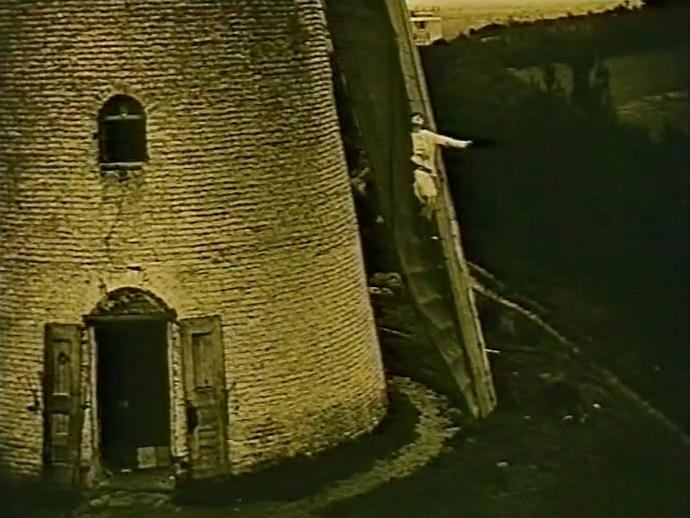
The narrative reaches its tragic crescendo on a fateful night. As Willem Berg covertly infiltrates the factory, Van Haaften, consumed by his financial ruin, retreats to his office. There, he discovers a letter from a friend, containing a sum of money that, while offered in kindness, is woefully insufficient to stem the tide of his monumental losses. The crushing weight of his predicament, the futility of his efforts, and the shame of his impending bankruptcy drive him to the ultimate act of despair. He pens a suicide note, a final testament to his broken spirit, and uses the very gun Jan Vogel provided to end his life. The scene, though silent, would have been imbued with profound pathos, relying on the actor’s ability to convey utter hopelessness through posture and expression. In a stark comparison, one might recall the dramatic intensity of similar self-inflicted tragedies in films like Gambler's Gold, where the stakes of financial ruin also lead to desperate acts.
The air of tragedy is immediately compounded by Berg’s opportunistic entry into the office. Discovering Van Haaften's lifeless body, the villain, devoid of any moral compass, seizes the suicide note and the paltry sum of money. This act of callous theft not only implicates him further but also sets in motion a chain of events that will unjustly condemn an innocent man. The silent film's reliance on visual cues would make Berg's predatory actions starkly clear, his villainy etched onto the screen through his furtive movements and avaricious gaze.
The following morning dawns with a cruel twist of fate. Jan Vogel, finally triumphant in his tireless quest, has succeeded in rediscovering the elusive recipe. Filled with an artist's joy and a scientist's pride, he rushes to share his breakthrough with Van Haaften, only to discover the factory owner's lifeless form. The circumstances, meticulously orchestrated by Berg's malevolence, conspire against Vogel, painting him as the prime suspect. The very gun he provided, the recent financial disputes, and the absence of Van Haaften’s suicide note all point an accusatory finger. He is swiftly thrown into prison, a victim of a meticulously crafted frame-up. This moment of profound injustice, where the innocent suffers while the guilty walks free, is a powerful dramatic engine, designed to evoke a strong emotional response from the audience, reminiscent of the trials and tribulations faced by protagonists in films like The Law of Compensation.
Yet, even within the confines of his cell, Vogel's ingenuity and paternal love shine through. In a stroke of desperate brilliance, he manages to slip the newly rediscovered recipe—the very secret that sparked this entire saga—to his other daughter, Lilly (played by Lily Bouwmeester). This act not only preserves his life's work but also entrusts the burden of justice and vindication to his courageous offspring. It’s a classic narrative turn, empowering a new protagonist and shifting the focus of the quest from discovery to exoneration.
As Jan languishes in prison, Willem Berg's attempts to seize the recipe escalate to increasingly violent and desperate measures. His greed knows no bounds, and he becomes a menacing force, a shadow constantly looming over the Vogel family. Against this backdrop of growing peril, Lilly emerges as the true heroine. Possessing her father's intellect and a fierce determination, she embarks on a perilous mission to gather evidence of his innocence. Her journey is one of quiet bravery, meticulous investigation, and unwavering loyalty. In an era when female characters were often relegated to passive roles, Lilly's proactive quest for justice is particularly noteworthy, echoing the spirit of strong female leads in films like Sweet Alyssum, who often took matters into their own hands.
Her detective work, undoubtedly fraught with danger and subtle clues, culminates in success. She uncovers the truth, piecing together Berg's deceit and Van Haaften's tragic suicide. With the evidence in hand, she dispatches a crucial letter to her sister Annie, who, by now, has taken on the vital role of guarding the precious recipe. The climax is then set into motion: Annie, armed with both the recipe and the knowledge of her father's innocence, embarks on a desperate journey to reunite with Lilly and expose Berg. But the villain is relentless, and Annie finds herself relentlessly pursued, her flight a thrilling race against time and the sinister machinations of her uncle. The visual spectacle of such a chase, heightened by the dramatic scoring characteristic of silent films, would have undoubtedly kept audiences on the edge of their seats, much like the thrilling escapades in The Three Musketeers (1914).
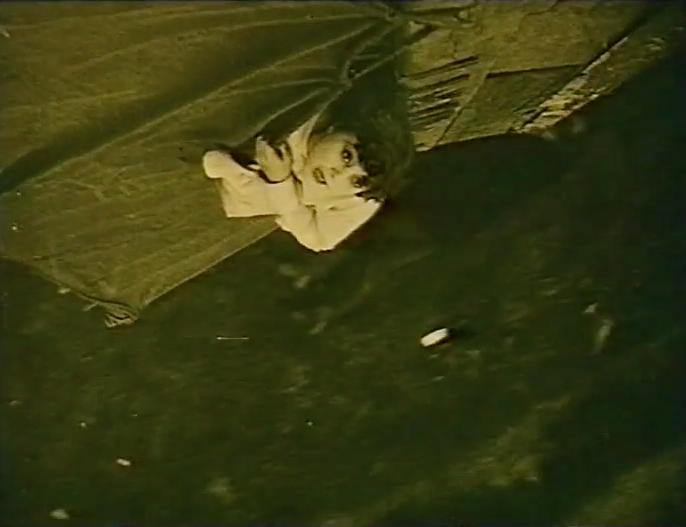
Het geheim van Delft, as a product of the silent film era, relied heavily on visual storytelling, exaggerated performances, and the strategic use of intertitles to convey plot and dialogue. The acting style, often perceived as melodramatic by modern standards, was precisely calibrated for the absence of spoken words, with actors like Frederik Vogeding and Lily Bouwmeester communicating profound emotions through grand gestures, expressive facial contortions, and deliberate body language. The tension of Berg’s spying, the despair of Van Haaften, the determination of Lilly – all would have been rendered with a vivid, almost pantomime quality that was deeply engaging for contemporary audiences. The film's pacing, too, would have been carefully controlled, building suspense through prolonged stares, rapid cuts during action sequences, and lingering shots on significant objects or expressions.
The cinematography, though perhaps rudimentary by today's standards, would have utilized techniques common to the period, such as static shots, rudimentary camera movements to follow action, and perhaps even some early special effects for dramatic impact. The settings—the factory, the park, the prison, the domestic interiors—would have been meticulously designed to reinforce the narrative's tone and social context. One can imagine the stark contrast between the cluttered, industrious environment of Vogel's workshop and the opulent, yet ultimately suffocating, office of Van Haaften. The visual contrast between light and shadow would have also been employed to emphasize moral distinctions, with Berg often lurking in darkened corners or appearing from the gloom, a technique also effectively used in atmospheric thrillers like The Woman in Black.
Beyond the thrilling plot, Het geheim van Delft delves into a rich tapestry of thematic concerns. The central quest for the lost recipe serves as a metaphor for the pursuit of excellence and the preservation of cultural heritage. It speaks to the dedication of artisans and the inherent value of craftsmanship in an increasingly industrialized world. The film also sharply critiques the perils of unchecked ambition and greed, personified by Willem Berg, whose moral decay contrasts starkly with Jan Vogel's ethical scientific pursuit. Van Haaften's downfall, driven by financial speculation, offers a commentary on the volatile nature of early 20th-century capitalism and the devastating personal cost of economic instability, a theme explored in various forms across cinematic history, including God, Man and the Devil.
The forbidden romance between Leo and Annie highlights the rigid class structures of the time, where love often had to contend with societal expectations and parental disapproval. Yet, it also underscores the enduring power of human connection amidst adversity. Most importantly, the film champions justice and the unwavering determination of family. Lilly's transformation from a background character into the primary agent of her father's exoneration is a powerful testament to filial love and the pursuit of truth. Her resourcefulness and courage provide an inspiring counterpoint to the villainy of Berg, demonstrating that even in the face of overwhelming odds, justice can prevail.
The performances by the ensemble cast, including Willem van der Veer, Jan van Dommelen, Minny Erfmann, and Paula de Waart, would have been integral to conveying these complex emotions and themes. While specific details of their individual portrayals might be lost to time, their collective effort undoubtedly contributed to the film's dramatic impact. Lily Bouwmeester, as Lilly, would have embodied the resilience and intelligence necessary for her pivotal role, while Annie Bos, as Annie, would have conveyed the romantic yearning and later, the desperate courage of a woman on the run.
Het geheim van Delft stands as a significant artifact of Dutch cinematic history. While not as globally renowned as some of its contemporaries, it offers a compelling example of early filmmaking’s ability to weave intricate narratives, explore profound human dilemmas, and create gripping suspense. Its themes of artistic pursuit, financial ruin, forbidden love, and the relentless quest for justice are universal, transcending the specific historical context of its production. It reminds us that the foundational elements of compelling storytelling—character, conflict, and resolution—were already masterfully employed in the nascent days of cinema.
For modern audiences, viewing Het geheim van Delft is an opportunity to connect with a bygone era of filmmaking, to appreciate the artistry of silent cinema, and to recognize the timeless appeal of a well-told story. It’s a film that, despite its age, continues to resonate, its narrative threads of ambition and betrayal, love and loss, justice and injustice, woven into a tapestry that remains as vibrant and intriguing as the lost luster of Delft pottery itself. It's a testament to the power of cinema to capture the human condition, secrets and all, and project it onto the silver screen for generations to ponder and enjoy. Its legacy, much like the secret it portrays, is one of enduring fascination, a quiet masterpiece that deserves its place in the spotlight of film history.
IMDb —
1921
Community
Log in to comment.