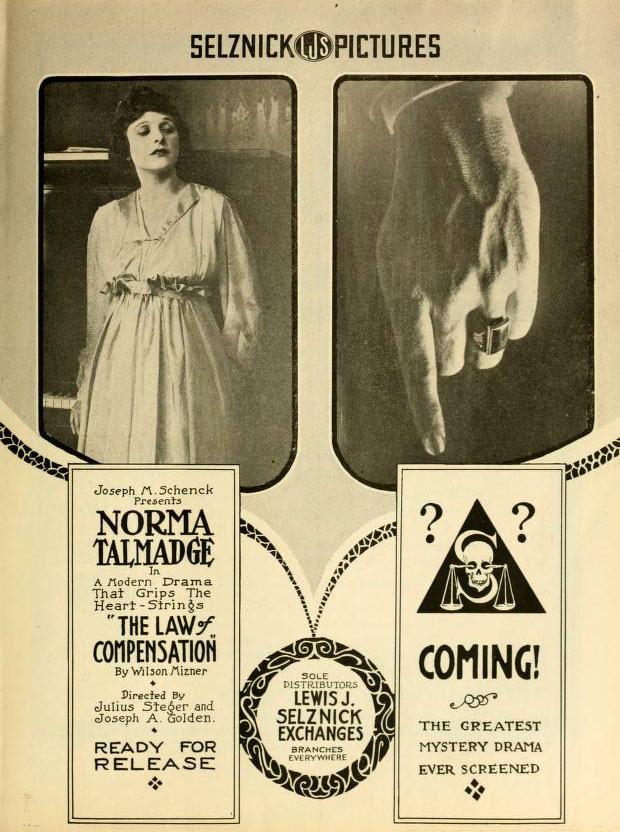
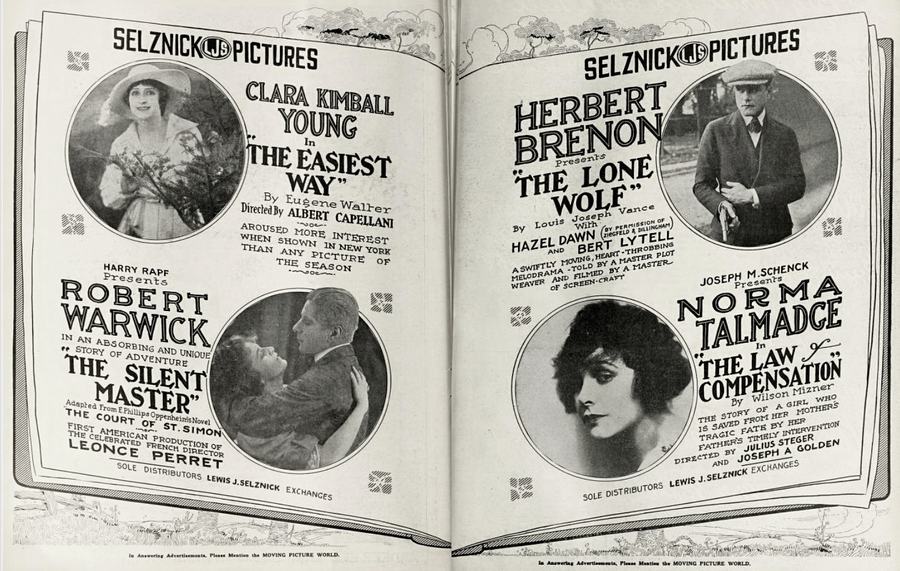
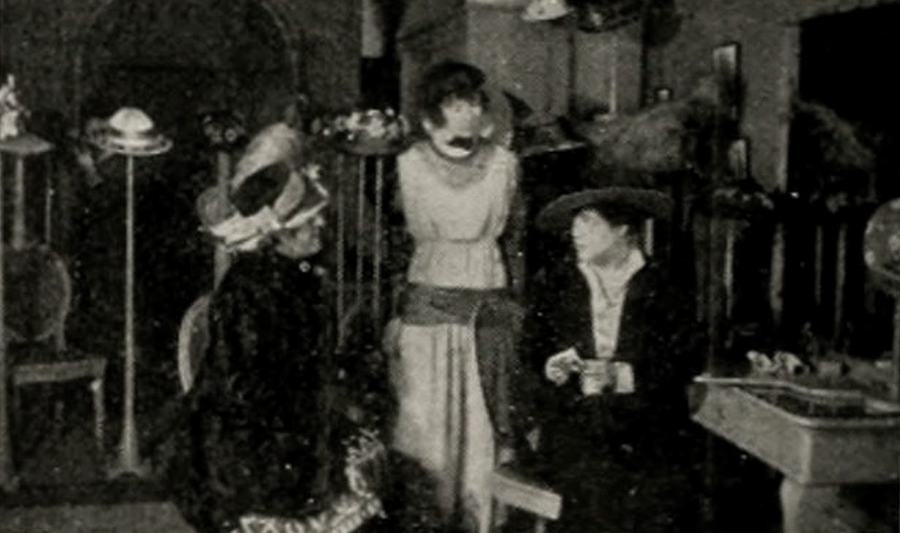
A ledger drenched in river-water and gasoline: that is the aftertaste of The Law of Compensation, a 1917 five-reeler that treats morality like a pawn ticket—transferable, time-stamped, and always redeemed at a loss. Lorna Volare, ice-veined Manhattan diva, glides through the first act as though pain were a servant w...
publicity

product
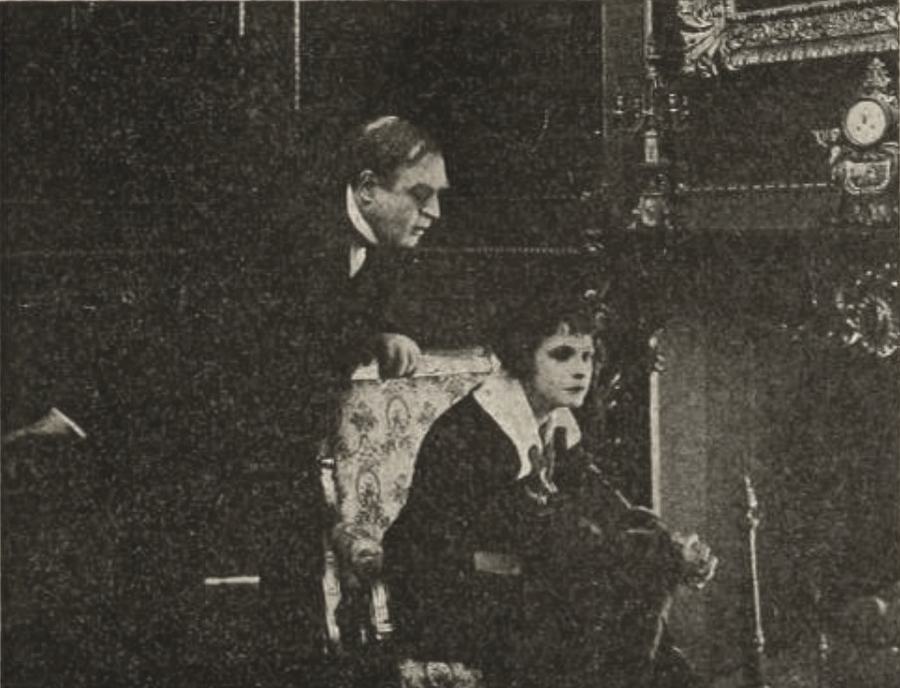
still_frame
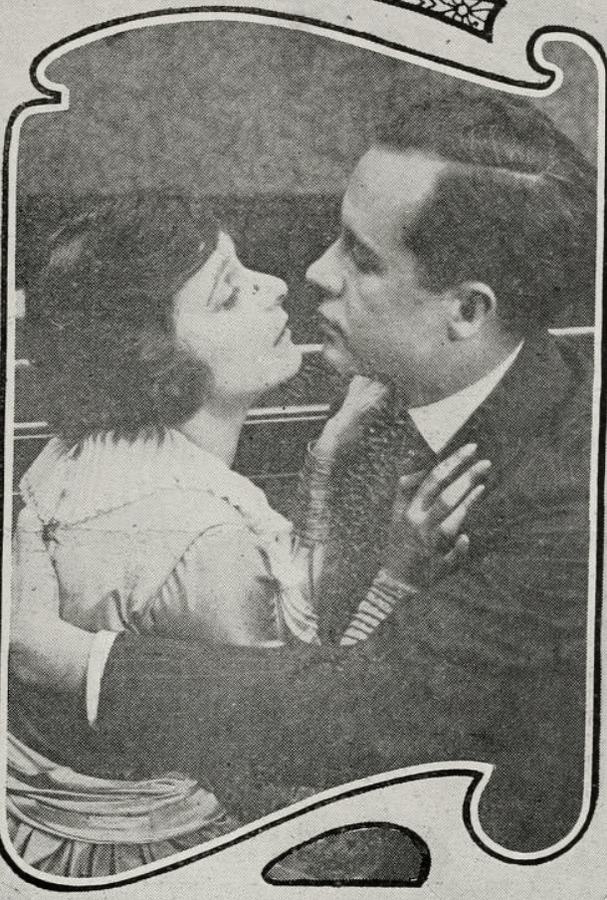
still_frame
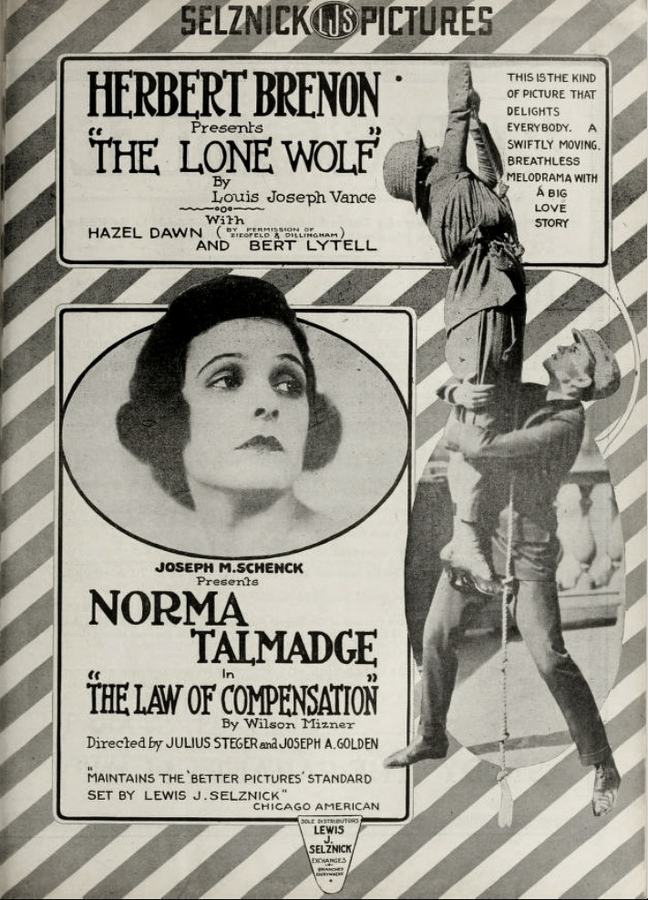
publicity
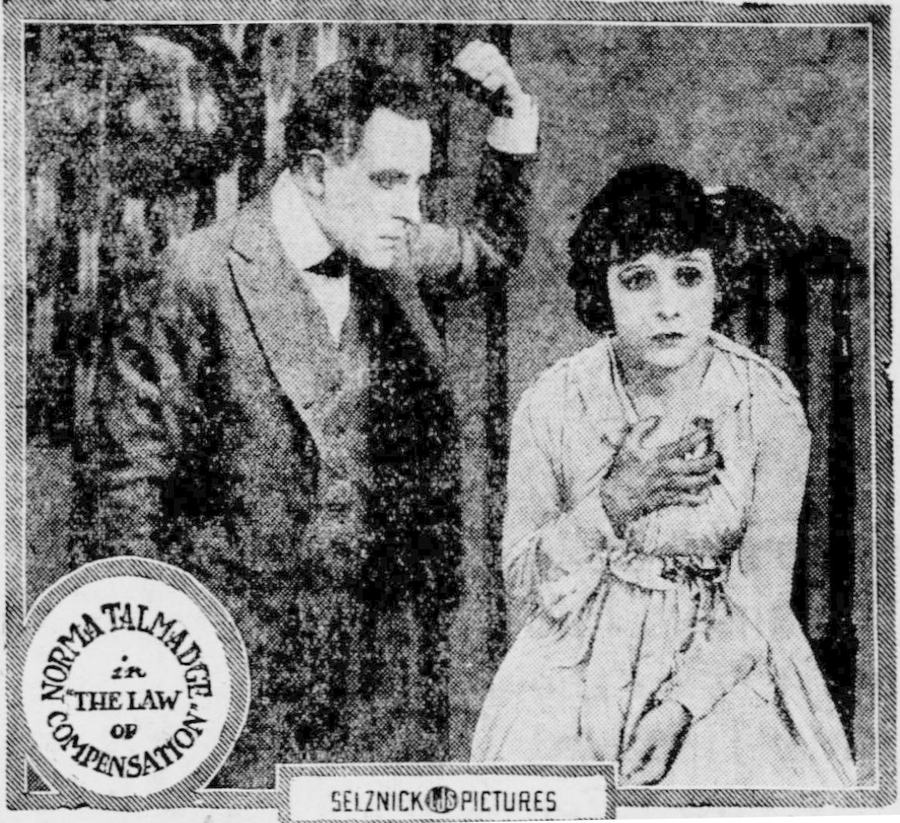
still_frame
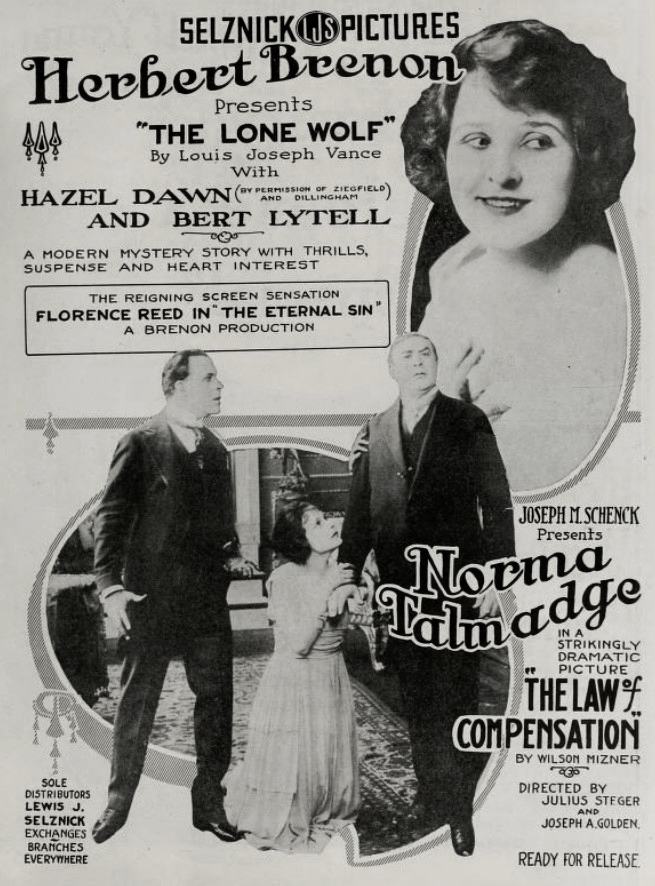
publicity
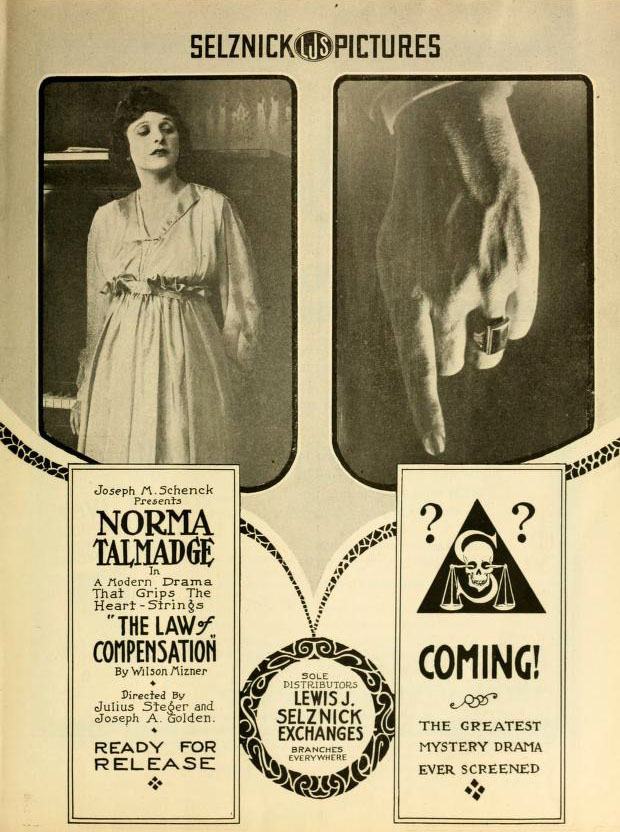
production_art
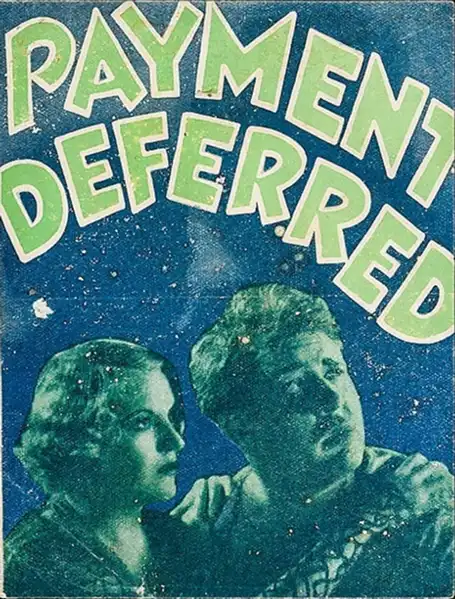
Comparing the cinematic DNA and archive impact of two defining moments in cult history.
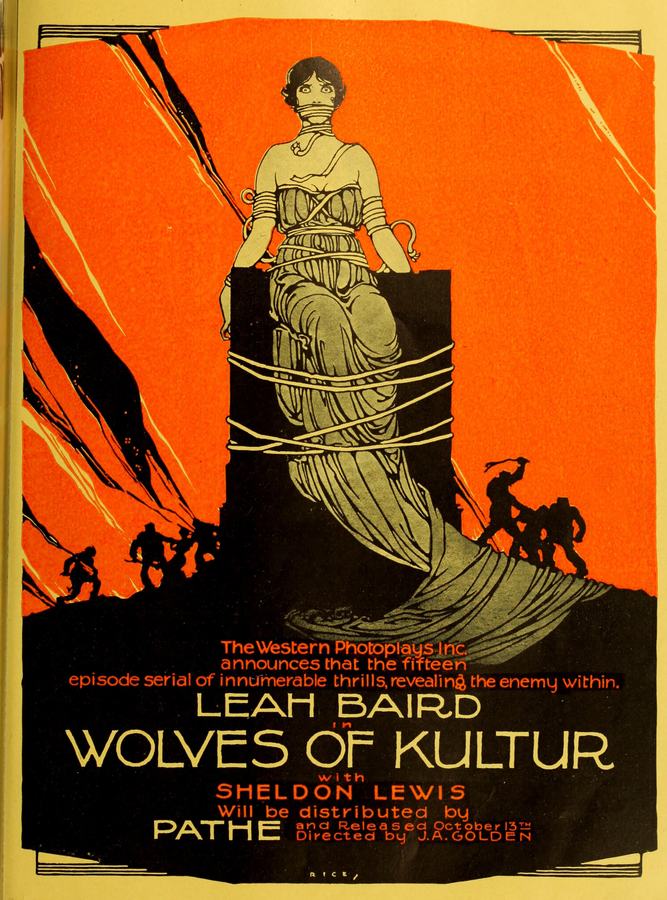
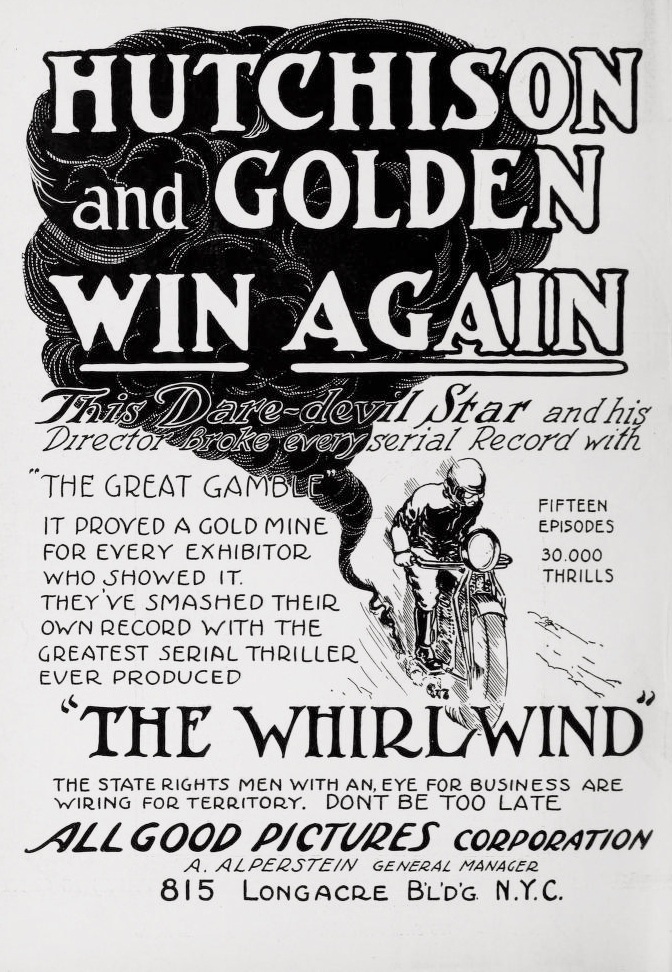
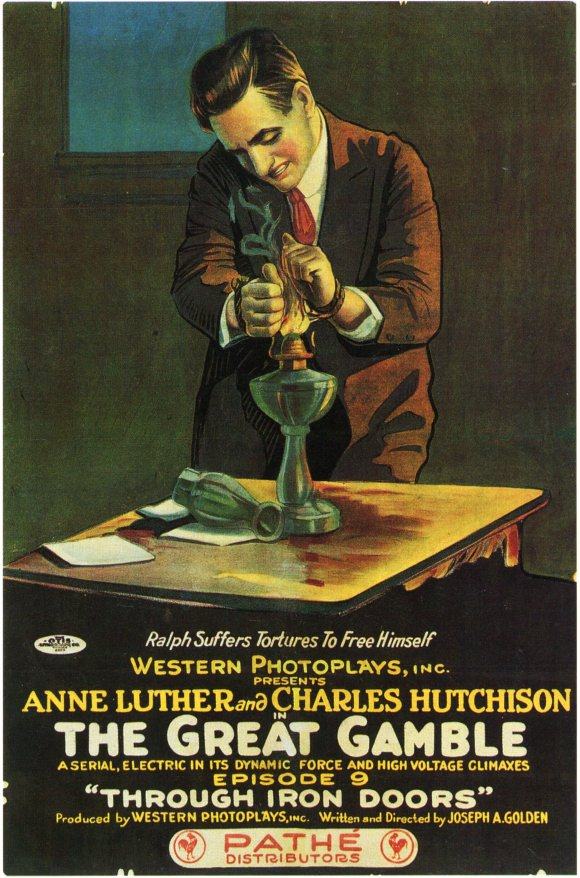
Joseph A. Golden
Joseph A. Golden
Community
Log in to comment.
" A ledger drenched in river-water and gasoline: that is the aftertaste of The Law of Compensation, a 1917 five-reeler that treats morality like a pawn ticket—transferable, time-stamped, and always redeemed at a loss. Lorna Volare, ice-veined Manhattan diva, glides through the first act as though pain were a servant who forgot to bow. Her automobile, a lacquered beast of brass and arrogance, clips a paperboy on Fifth Avenue; the camera lingers on his spilled broadsheets flapping like wounded gu..."
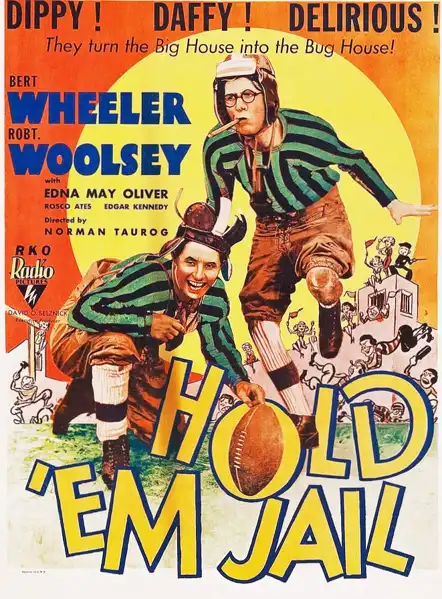

Deep dive into the cult classic
Discover similar cinematic experiences
A Directorial Spotlight on Joseph A. Golden