DbcultAccessing Vault...
6.8/10
Senior Film Conservator
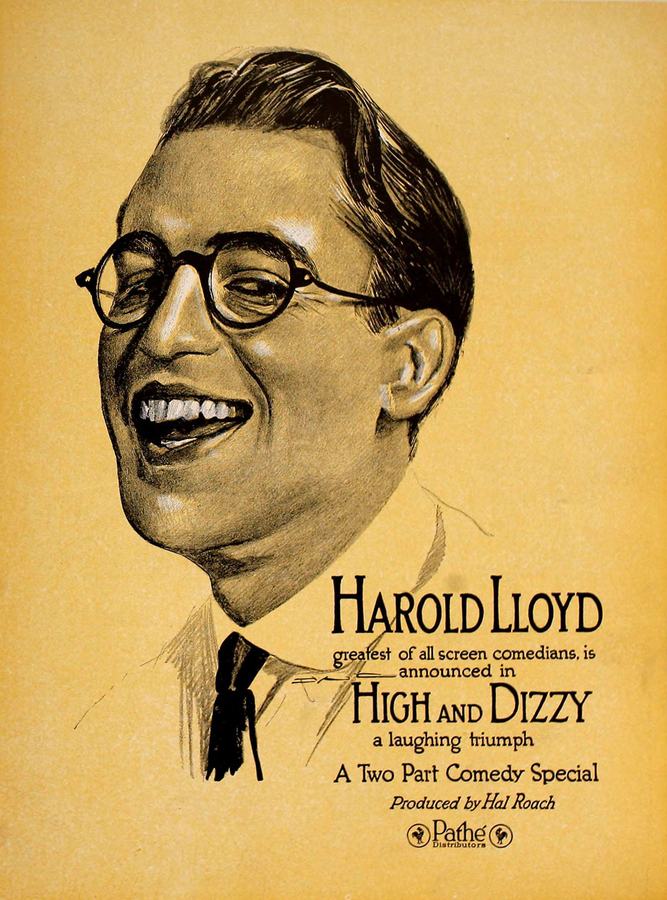
A definitive 6.8/10 rating for a film that redefined the boundaries of cult cinema. High and Dizzy remains a cornerstone of transgressive art.
Ah, the silent era! A time when the visual gag reigned supreme, when the sheer audacity of physical comedy could elicit gasps and guffaws without a single uttered word. Among the pantheon of its titans, Harold Lloyd stands as a unique architect of 'thrill comedy,' a master of placing his endearing everyman character in situations of breathtaking peril, only to have him navigate them with a blend of ingenuity, sheer luck, and often, a touch of clumsy grace. 'High and Dizzy,' a cinematic gem from 1922, is a quintessential example of this art form, an exhilarating ride that still manages to tighten the gut and tickle the funny bone a century later. It’s a film that doesn't just entertain; it exemplifies a specific strand of cinematic courage, pushing the boundaries of what audiences expected from a comedy.
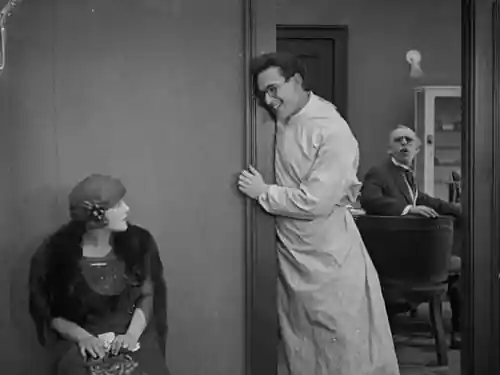
The narrative, deceptively simple yet brilliantly executed by writers Frank Terry and H.M. Walker, plunges us into the chaotic life of a young doctor, portrayed with characteristic charm by Harold Lloyd. Our protagonist is not your stoic, sober medical professional; he's a man recently returned from a night of revelry, his equilibrium delightfully askew. This initial state of tipsiness isn't merely a character quirk; it's a foundational element that amplifies the ensuing chaos, adding an extra layer of comedic vulnerability to his already precarious situation. The world, through his eyes, is already swaying, and the audience is invited to share in this disorienting perspective. This initial setup is a masterclass in establishing stakes early on, hinting at the potential for both hilarity and disaster.

The inciting incident arrives with the discovery of his patient, played by the luminous Mildred Davis, who, unbeknownst to herself, is a seasoned somnambulist. Davis, with her ethereal grace, portrays the sleepwalker with an uncanny blend of innocence and obliviousness, a stark contrast to the doctor's flustered state. Her sleepwalking isn't just a plot device; it's a character trait that propels the entire second act into the realm of the extraordinary. The true genius of the premise lies in this juxtaposition: a man battling his own internal disorientation, confronted with a woman whose external composure belies her internal unconsciousness, both unwittingly drawn into a shared, terrifying dance on the urban precipice. It's a narrative hook that immediately captivates, demanding the audience's full attention as the absurdity ratchets up.
The stage for this dizzying drama is set high above the city streets, on the narrow ledge of a towering building. This is where 'High and Dizzy' truly earns its name and cements its place in cinematic history. The visual impact of these scenes is immediate and profound. The camera, often positioned to emphasize the sheer drop below, transforms the mundane architecture of a building into a terrifying playground. The sense of vertigo is palpable, a testament to the filmmakers' understanding of visual storytelling and the psychological impact of height. It’s a primal fear, exploited to perfection, yet always with the comedic undertone that is Lloyd's signature.
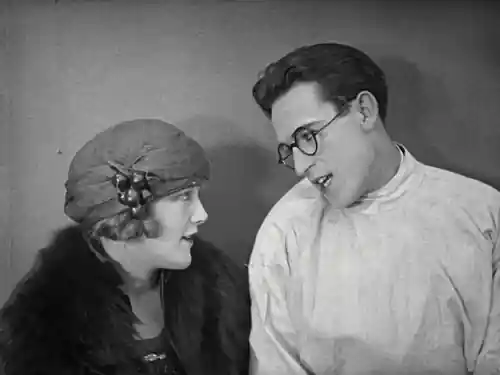
Harold Lloyd's performance is, as always, a masterclass in physical comedy and character portrayal. His 'Glasses Character' – the earnest, ambitious, yet perpetually harried everyman – is perfectly suited to this particular brand of peril. Unlike Chaplin's Tramp, who often found himself on the fringes of society, or Keaton's Great Stone Face, who navigated chaos with stoic detachment, Lloyd's character is relatable, a man who could be your neighbor, caught in an utterly unbelievable situation. His reactions are our reactions, amplified for comedic effect: the wide-eyed terror, the desperate attempts at composure, the flailing limbs, and the frantic scramble for a foothold. The audience doesn't just laugh at him; they empathize with his plight, feeling every near-miss and sighing with relief at every improbable escape.
The interplay between Lloyd and Davis is crucial. Davis’s unshakeable calm as she glides along the ledge, completely unaware of the mortal danger, provides a fantastic counterpoint to Lloyd’s increasingly frantic efforts to save her. It’s a dynamic that generates both tension and humor in equal measure. The humor often stems from the doctor's futile attempts to gently rouse her or guide her, only for her unconscious mind to lead her into further, more audacious peril. This delicate dance of awareness and oblivion is what elevates 'High and Dizzy' beyond mere slapstick; it imbues the situation with a unique dramatic irony.
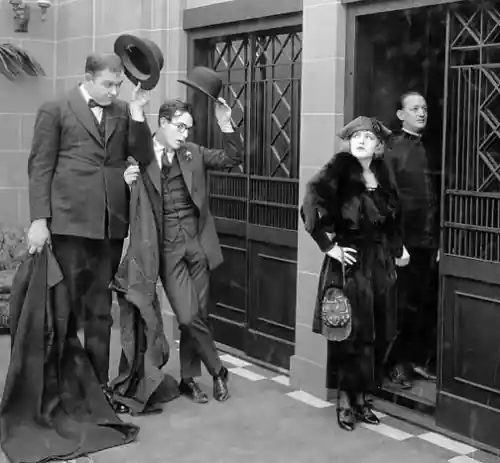
While Lloyd and Davis occupy the central stage, the film benefits from a strong supporting cast. Noah Young, a frequent collaborator with Lloyd, brings his formidable presence to the screen, often as an antagonist or a comedic foil. Charles Stevenson, William Gillespie, Mark Jones, Roy Brooks, Marie Benson, Wally Howe, and Molly Thompson all contribute to the film’s vibrant world, populating the background with characters who react to the unfolding spectacle, further grounding the absurdity in a semblance of reality. Even if their roles are often fleeting, their presence adds to the richness of the cinematic tapestry, creating a sense of a bustling world beneath the aerial drama. The collaborative spirit of these early film productions, where ensemble players were crucial for building out the comedic scenarios, is palpable here.
The writing team of Frank Terry and H.M. Walker deserves immense credit for crafting a scenario that, despite its inherently ludicrous nature, maintains a compelling sense of urgency. The pacing is relentless, moving from one near-catastrophe to the next with an almost balletic precision. Every gag, every precarious step, feels earned and contributes to the overall escalation of tension. Their ability to construct such a tight, engaging narrative within the confines of a silent short film speaks volumes about their understanding of comedic structure and visual storytelling. It’s not just a series of gags; it’s a carefully orchestrated symphony of suspense and relief.
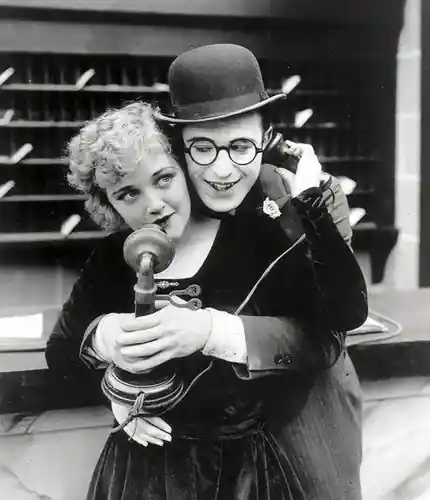
'High and Dizzy' is more than just a funny film; it's a testament to the ingenuity of early cinema and the daring spirit of its performers. Lloyd, known for performing many of his own stunts, imbued these scenes with an authenticity that modern CGI often struggles to replicate. The danger felt real because, to a significant extent, it was. This commitment to practical effects and genuine risk is a hallmark of the era, and it’s a key reason why films like this continue to resonate. The sheer physicality involved, the intricate choreography of peril, remains captivating even today, a stark reminder of the craftsmanship involved in these silent spectacles.
The film’s influence on subsequent generations of action-comedies is undeniable. One can trace a direct lineage from Lloyd’s precarious perambulations to the death-defying antics of Jackie Chan, or even the more modern, elaborate stunt sequences in blockbusters. The idea of placing an ordinary person in an extraordinary, high-stakes situation, then watching them bumble and bravado their way out, is a timeless comedic trope that Lloyd perfected. While other films of the era, such as The Money Mill or S.M il Danaro, might have explored different facets of societal commentary or dramatic tension, 'High and Dizzy' honed in on a very specific, visceral kind of entertainment: the thrill of the chase, the fear of the fall, and the joyous relief of escape.
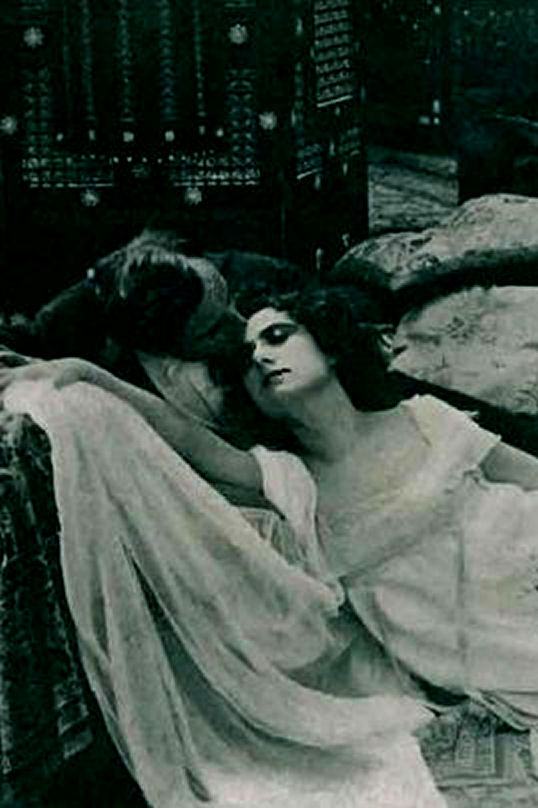
In an era that also saw the release of films exploring the darker sides of human nature, like Passion, or the social intricacies of relationships, as seen in Love Letters and Sins of the Parents, 'High and Dizzy' offered a pure, unadulterated escapism. It was a form of cinematic exhilaration that spoke directly to the anxieties of urban living, transforming the towering skyscrapers from symbols of progress into potential instruments of comedic doom. The rapid industrialization and vertical expansion of cities created new landscapes for both work and play, but also for new kinds of peril, which Lloyd expertly capitalized on.
The film stands as a vibrant example of the 'golden age' of silent comedy, a period characterized by boundless creativity and a relentless pursuit of the perfect gag. It showcases an understanding of visual rhythm and comedic timing that remains impressive. Each shot is meticulously framed to maximize either the sense of height or the comedic potential of the situation. The editing, swift and purposeful, propels the narrative forward without a moment's lag, ensuring that the audience is constantly engaged in the doctor's increasingly desperate mission. It's a masterclass in how to tell a story visually, using movement, expression, and spatial relationships to convey meaning and emotion.
The charm of 'High and Dizzy' also lies in its underlying optimism. Despite the very real dangers presented, there's an inherent belief in the protagonist's ability to overcome. Lloyd's character, even when at his most flustered, possesses a resilient spirit that refuses to capitulate to the overwhelming odds. This indomitable spirit, coupled with the sheer inventiveness of the gags, makes the film not just funny, but genuinely uplifting. It reminds us that even in the most terrifying of circumstances, a dash of wit and a refusal to give up can lead to triumph, albeit a very dizzying one.
Comparing it to other comedic shorts of the era, one can see how Lloyd carved out his niche. While films like A Virtuous Vamp might have played on social satire and character archetypes, or The Fibbers on situational misunderstandings, 'High and Dizzy' committed fully to the spectacle of physical peril. It was less about social commentary and more about pure, visceral entertainment, a rollercoaster ride of laughter and gasps. This focus allowed Lloyd to push the boundaries of cinematic stunt work, creating iconic images that would forever be associated with his name.
Moreover, the film's technical achievements, particularly in camera work and perspective, are noteworthy. The use of forced perspective and clever matte shots to enhance the illusion of height and danger were cutting-edge for the time. These techniques, while perhaps appearing rudimentary by today's standards, were revolutionary in creating a believable sense of extreme elevation, making the audience genuinely believe that Lloyd and Davis were truly teetering on the brink. This meticulous attention to visual detail is a testament to the dedication of the filmmakers, who understood that to make the comedy land, the illusion of danger had to be utterly convincing.
In conclusion, 'High and Dizzy' remains a monumental achievement in silent comedy. It’s a film that perfectly encapsulates Harold Lloyd’s unique brand of thrill-based humor, combining genuine suspense with uproarious laughter. From the tipsy doctor’s initial disorientation to the heart-stopping climax on the skyscraper ledge, every frame is packed with inventive gags and masterful physical performances. It’s a timeless piece of cinema that continues to captivate, a vibrant reminder of an era when films communicated solely through images, gestures, and the universal language of laughter and fear. It stands as a testament to the enduring power of simple, yet brilliantly executed, storytelling.
IMDb —
1930
Community
Log in to comment.