DbcultAccessing Vault...
Cult Review
Senior Film Conservator
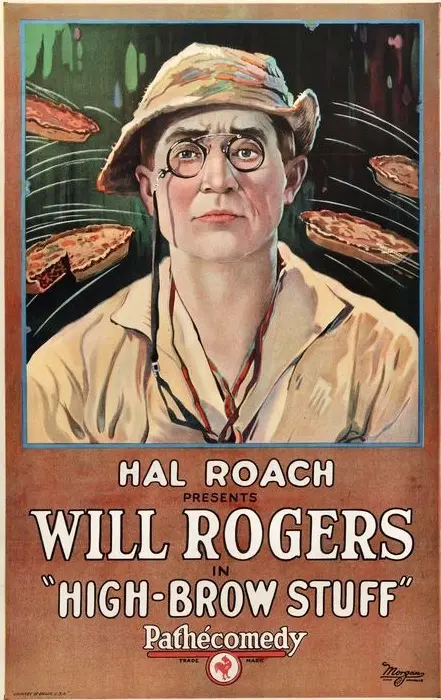
Stepping back into the flickering shadows of early 20th-century cinema, one encounters a fascinating tapestry of ambition, artistry, and often, sheer audacity. High Brow Stuff, a title that perhaps ironically hints at its own unassuming nature, emerges from this era as a curious artifact, a testament to the nascent industry's capacity for both simple storytelling and complex interpersonal drama. Directed by Hal Roach, a name synonymous with some of the era's most beloved comedies, this particular feature, however, veers into a more dramatic, almost cautionary, tale about the volatile landscape of the studio system. It’s a narrative that, despite its brevity in plot description, speaks volumes about the power dynamics at play when an outsider dares to breach the established order.
At its core, High Brow Stuff centers on Will, played by the inimitable Will Rogers. Rogers, a man whose homespun philosophy and folksy charm would later make him a national treasure, here portrays a character thrust into the very maw of Hollywood’s machine. His signing to a movie contract, a golden ticket in the eyes of many, becomes the pivot point for a simmering conflict. This isn't a tale of a meteoric rise unhindered, but rather an immediate plunge into the treacherous waters of professional jealousy and artistic possessiveness. The film's premise, though lean, is potent: a director, whose ego and sense of ownership over his productions are clearly paramount, bristles at the studio's decision to bring Will into the fold. This isn't just about creative differences; it's about a perceived threat, an affront to his authority, and a challenge to his vision. The stage is set not for a grand spectacle, but for a subtle, psychological battle waged within the confines of a film set.
Hal Roach, often celebrated for his work with Laurel and Hardy and Harold Lloyd in slapstick masterpieces like A Sailor-Made Man, demonstrates a surprising aptitude for exploring the darker undercurrents of human nature here. While not as overtly dramatic as a film like He Who Gets Slapped, which plunges into the depths of a man's humiliation and revenge, High Brow Stuff offers a more insidious form of cruelty. The director's plot to 'get rid of' Will isn't a dramatic, overt confrontation, but rather a series of calculated, manipulative actions designed to discredit and dismantle Will's burgeoning career. This silent sabotage, relying on nuanced expressions and carefully framed reactions, would have been a fascinating exercise in visual storytelling for the period. The absence of dialogue, far from being a limitation, forces a deeper engagement with the actors' craft, particularly in conveying the subtle shifts in power and emotion.
Will Rogers, known for his unique blend of dry wit and understated performance, brings a particular poignancy to his role. One can imagine his character, a man perhaps more accustomed to simpler, more straightforward dealings, navigating the serpentine machinations of a jealous director. His on-screen presence, often radiating an inherent honesty, would have made his character's vulnerability all the more impactful. Marie Mosquini, a notable presence in early cinema, likely provides a crucial counterpoint, perhaps as an ally or a witness to the unfolding drama, her reactions serving as a barometer for the audience's own understanding of the injustice. Jack Ackroyd, presumably portraying the antagonist director, would have had the challenging task of conveying malevolence without resorting to caricature, relying on subtle gestures and expressions to communicate his insidious intent. This kind of character work, particularly in an era without synchronous sound, speaks volumes about the talent involved.
The film serves as a potent reminder that the glamour of Hollywood often concealed a ruthless competitive streak. The idea of a director actively plotting against an actor, rather than fostering talent, highlights a darker side of the creative process. It’s a theme that resonates even today, albeit in different forms, where artistic integrity often collides with commercial pressures and personal vendettas. One might draw parallels to the corporate maneuvering seen in films like Other People's Money, though here the stakes are artistic reputation and personal livelihood rather than purely financial. The silent film era, often romanticized for its innocence, was in fact a cauldron of intense ambition, where careers could be made or broken on a whim, or, as in Will's case, by deliberate design.
Hal Roach, as a writer, navigates this treacherous terrain with a certain artistic candor. While the premise is straightforward, the execution would have demanded a keen understanding of visual narrative and character motivation. The story isn't just about a director's malice; it's about Will's resilience, his struggle to maintain his composure and perform under duress. This internal conflict, conveyed without spoken words, relies heavily on the actor's ability to project inner turmoil and quiet determination. It's a testament to the power of pure performance, where a subtle tilt of the head or a fleeting glance could convey an entire monologue of emotion. The film, in this sense, becomes a masterclass in non-verbal communication, demanding a heightened level of attentiveness from its audience.
The historical context of High Brow Stuff is also crucial. The early 1920s were a period of immense growth and experimentation in cinema. Studios were rapidly expanding, stars were being minted, and the creative process was still being defined. This environment, while fertile for innovation, was also ripe for power struggles. Directors, often wielding immense control over their productions, could make or break careers. The narrative of Will's struggle against his director isn't just a fictional plot point; it's a reflection of the very real anxieties and challenges faced by many entering the burgeoning film industry. It echoes the precariousness of careers explored in other films of the era, such as The Undercurrent, where societal pressures and personal failings often dictate one's fate.
What makes a film like High Brow Stuff endure, even if primarily as a historical footnote for some, is its exploration of timeless human themes. The struggle against injustice, the fight for recognition against entrenched opposition, and the resilience of the individual spirit are universal. It's a narrative that, despite its specific setting in early Hollywood, speaks to anyone who has faced professional sabotage or felt the sting of jealousy from a superior. The film's title itself could be interpreted as a commentary on the perceived 'high brow' nature of artistic pursuits, which often masks very base human emotions and power plays. The contrast between the elevated aspirations of cinema and the gritty realities of its production process is a compelling dichotomy.
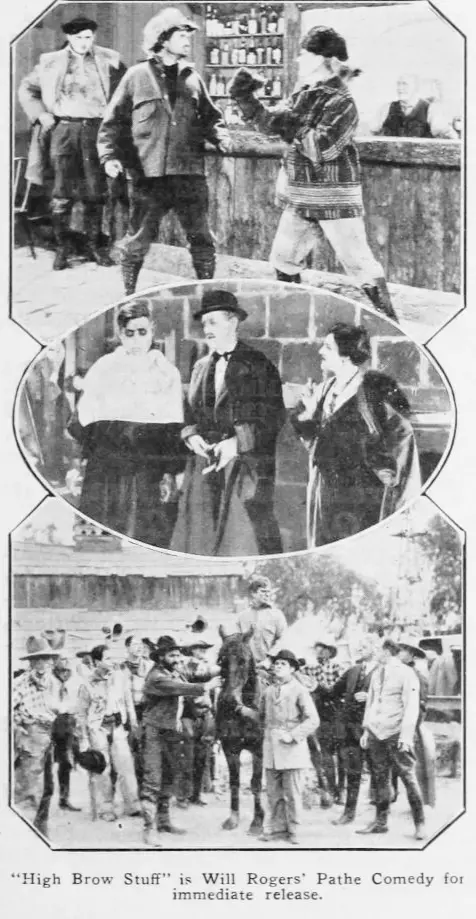
The stylistic choices of the era, particularly in a Hal Roach production, would have lent a unique flavor to this drama. Even in a more serious vein, Roach's inherent understanding of pacing and visual comedy might have subtly influenced the way the director's machinations were presented. Perhaps there's a dark humor in the absurdity of his schemes, or a heightened sense of irony in the situations Will finds himself in. This fusion of dramatic tension with a director known for lighter fare would have created a distinctive viewing experience. It's not a straightforward melodrama like Blessée au coeur, but rather a more nuanced exploration of professional conflict.
The cast itself, with Will Rogers at the forefront, promises a performance grounded in authenticity. Rogers' unique appeal lay in his ability to embody the 'everyman' while simultaneously possessing a sharp intellect. This duality would have made his portrayal of a victim of directorial malice all the more sympathetic. He wasn't a brooding tragedian, but a man of the people, making his struggle relatable and immediate. Marie Mosquini, often cast in roles that required a blend of vulnerability and strength, would have complemented Rogers' performance, potentially serving as a moral compass or a voice of reason amidst the escalating tension. Jack Ackroyd's role as the antagonist would have required a performance that balances calculated villainy with a veneer of professional decorum, making his actions all the more chilling due to their subtly.
Reflecting on the film's potential impact, High Brow Stuff likely served as both entertainment and a subtle commentary on the inner workings of Hollywood. For audiences of the time, it might have offered a glimpse behind the curtain, demystifying the glamorous facade of moviemaking by revealing the human frailties and power plays that underpinned it. Today, it stands as a valuable historical document, providing insight into the challenges faced by talent in an industry still finding its footing. It’s a reminder that even in the silent era, the narratives were often complex, dealing with themes that continue to resonate in contemporary cinema and corporate culture alike. The film avoids the simplistic hero-villain dynamic often seen in more overt action films like Smashing Barriers, opting instead for a more cerebral conflict.
The meticulous planning of the director's 'plots' would have been a fascinating element to observe. How does one subtly undermine an actor without outright dismissal? Through carefully staged scenes that highlight weaknesses, through manipulative instructions, or by fostering an environment of self-doubt. The silent film medium excels at conveying these internal struggles through expression and gesture, making the unspoken almost deafening in its impact. This nuanced approach to conflict resolution, or rather, conflict escalation, sets High Brow Stuff apart from more straightforward dramas. It delves into the psychological warfare that can occur in high-pressure creative environments, making it more akin to a character study than a simple plot-driven narrative. The film's focus on this internal struggle, rather than external spectacle, places it in a different league than grand adventures like Soldiers of Fortune.
The enduring appeal of such a narrative lies in its relatability. Who hasn't, at some point, encountered a figure in authority who feels threatened by new talent or fresh perspectives? The director's actions, while perhaps extreme, stem from a very human place of insecurity and fear of obsolescence. This psychological depth, even in a silent film, elevates the story beyond mere entertainment. It becomes a reflection on the darker aspects of ambition and the fragility of success. The film's title, High Brow Stuff, might also be a sly nod to the perceived intellectual or artistic superiority some within the industry felt, contrasting sharply with the base, manipulative actions of the director. It poses the question: at what cost does 'art' get created, and what kind of people are willing to pay that price?
In a landscape filled with broad comedies and sweeping epics, High Brow Stuff offers a more intimate, albeit tense, character study. It’s a valuable piece for understanding the socio-economic and psychological fabric of early Hollywood. The film’s strength lies not in its spectacle, but in its quiet intensity, its exploration of power dynamics, and its portrayal of an individual’s struggle against an entrenched system. It reminds us that even in the seemingly glamorous world of cinema, human nature, with all its flaws and ambitions, remains the most compelling subject. The narrative, stripped of dialogue, forces the visual medium to communicate emotion and intent with utmost clarity, relying on the subtle art of pantomime and expression to tell a universally understood tale of professional intrigue and personal resilience. It’s a stark contrast to the more overt comedic antics found in films like Doing Time or the grand theatricality of Die Benefiz-Vorstellung der vier Teufel, proving that drama can be just as compelling in its quiet moments of conflict.
The ingenuity of Hal Roach and his team in crafting such a narrative within the constraints of the silent era cannot be overstated. They relied on visual cues, intertitles, and the sheer talent of their actors to convey a story rich in psychological tension. The film, therefore, becomes not just a piece of entertainment but a historical document, offering a window into the creative and political landscape of a bygone era. It's a testament to the fact that compelling storytelling transcends technological limitations, proving that even without a single spoken word, a film can explore profound themes of ambition, betrayal, and the enduring human spirit. This nuanced approach to storytelling is what makes films like High Brow Stuff perpetually relevant, offering a glimpse into the foundational struggles that continue to shape the film industry today. It's a far cry from the lighthearted escapism of something like Flying Colors, instead offering a more grounded, if fictionalized, look at the realities of the movie business.
Ultimately, High Brow Stuff stands as a fascinating, if perhaps understated, entry in the annals of silent cinema. It's a film that, despite its seemingly simple premise, delves into complex human emotions and power dynamics, offering a timeless commentary on the challenges of navigating a competitive professional environment. Its legacy lies not just in its individual narrative, but in its contribution to the broader understanding of early Hollywood's intricate ecosystem. It is a reminder that even in the infancy of cinema, storytellers were grappling with themes that remain pertinent, demonstrating the enduring power of film to reflect and critique the human condition. The film serves as a compelling argument for the depth and sophistication achievable in silent storytelling, distinguishing itself from more straightforward narratives such as Count Your Change or The Chauffeur. Its exploration of internal conflict and subtle sabotage makes it a standout piece, deserving of renewed appreciation for its quiet yet profound impact on silent film drama.
IMDb 6.1
1934
Community
Log in to comment.