DbcultAccessing Vault...
Cult Review
Senior Film Conservator
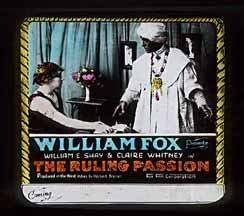
Stepping back into the cinematic landscape of 1916, Herbert Brenon's 'The Ruling Passion' emerges not merely as a relic of a bygone era but as a pulsating narrative, a testament to the enduring power of silent storytelling. This film, a potent brew of romance, psychological manipulation, and colonial drama, plunges its audience into the heart of British India, a setting ripe with both exotic allure and underlying tension. It's a journey that commences with the arrival of Claire Sherlock, portrayed with compelling vulnerability by Claire Whitney, a young woman adrift after personal tragedy, seeking solace and a new beginning in the care of her aunt. Her initial steps into this unfamiliar world are marked by the conventional path of matrimony to a British officer, a seemingly secure anchor against the vastness of the subcontinent's mysteries. Yet, this stability is fleeting, a mere prelude to a far more profound and unsettling entanglement.
The true conflict ignites with the introduction of Ram Singh, the Rajah of Mawar, a character embodying both regal authority and a disturbing, almost mystical, malevolence. His initial attraction to Claire quickly curdles into an obsessive desire upon her rejection, leading him to wield a terrifying power: hypnosis. This isn't just a plot device; it's the very engine of the film's psychological horror, a chilling exploration of agency stripped away. The rajah's ability to bend Claire's will, to implant an artificial affection, is a narrative stroke of genius for the period, delving into themes that resonate even today regarding control, identity, and the violation of personal autonomy. The performances here, particularly from Claire Whitney as Claire Sherlock, must have been a tour de force, relying heavily on expressive physicality and facial nuance to convey the internal struggle of a woman battling an unseen force.
The film's depiction of this hypnotic subjugation is where its true artistry, and perhaps its daring, lies. It tackles a subject often relegated to sensationalism with a surprising degree of psychological depth, forcing the audience to confront the terrifying prospect of losing oneself to another's will. This thematic bravery sets 'The Ruling Passion' apart from many of its contemporaries, pushing beyond simple melodramatic tropes into something more unsettling. The unraveling of Claire's marriage, a direct consequence of her inexplicable obsession with Ram Singh, is portrayed with a tragic inevitability. Her husband, bewildered and betrayed by what he perceives as a profound shift in her affections, retreats, leaving Claire vulnerable to the rajah's relentless pursuit.
Claire's subsequent descent into the rajah's harem marks a dramatic shift in her circumstances, a visual representation of her complete loss of freedom. This segment of the film, while perhaps leaning into orientalist tropes common to the era, serves to underscore the profound oppression she faces. It's not merely a physical captivity but a spiritual one, her mind still tethered by the rajah's sinister influence. The visual language of silent film would have been crucial here, using opulent sets and costumes to contrast with Claire's internal anguish. One can imagine the filmmakers, under Herbert Brenon's direction, utilizing chiaroscuro lighting and stark compositions to emphasize her isolation within the crowded, yet ultimately lonely, confines of the harem.
The shift from a seemingly contented wife to a member of a harem, even under duress, would have been a shocking narrative turn for audiences of the time, highlighting the fragility of a woman's position in a patriarchal colonial society. This aspect of the plot could draw parallels with other films exploring the vulnerability of women in challenging environments, though perhaps none quite with the unique twist of hypnotic control. The film's strength lies in its ability to maintain a sense of dread and urgency even within this period of Claire's subjugation. The audience is constantly aware of the invisible chains binding her, waiting for the moment of her awakening or escape.
Yet, even within this gilded cage, the human spirit, particularly Claire's, refuses to be entirely extinguished. The rajah's escalating brutality, a predictable but necessary catalyst, sparks a flicker of defiance within her. This is a critical turning point, demonstrating that even a mind under duress retains a core of self-preservation and moral rejection. Her decision to escape, a perilous undertaking in a foreign land, is a testament to her innate strength and a powerful moment of agency reclaiming. The assistance of her compassionate sister-in-law introduces an element of solidarity and female support, a subtle but important counterpoint to the male-dominated power structures at play.
The escape sequence itself, though not explicitly detailed in the plot summary, would have been a prime opportunity for silent film's visual dynamism: chases, narrow escapes, and heightened suspense. As Claire hides, battling the lingering power of the rajah's spell, the film delves into a fascinating internal struggle. This isn't just a physical flight; it's a mental war, a fight for her very identity. The audience is invited to witness the invisible struggle, a testament to the actors' prowess in conveying complex psychological states without dialogue. The silent era, often underestimated, excelled at this kind of expressive performance, making the internal external through gesture and gaze.
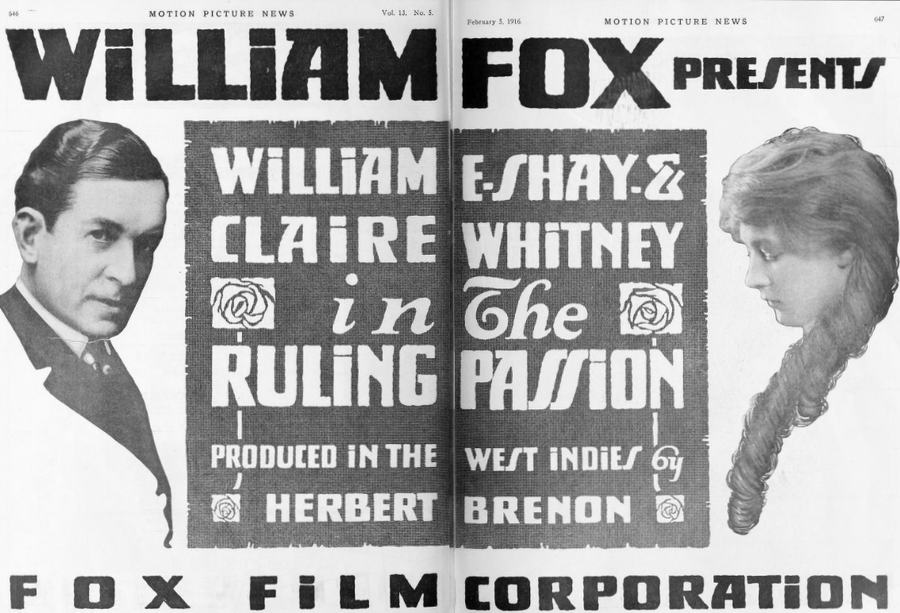
The narrative's climax is intertwined with political upheaval, a common device in adventure and drama films of the period. Ram Singh's ill-fated coup against the royal governor provides the external conflict that mirrors Claire's internal battle. His death, a consequence of his own ambition and ruthlessness, is the literal and metaphorical breaking of the spell. This resolution, while perhaps convenient, is deeply satisfying from a dramatic perspective. The moment the hypnotic power dissipates, Claire's true self re-emerges, free from the insidious influence that had clouded her judgment and stolen her will. Her swift reconciliation with her husband, then, is not merely a happy ending but a poignant restoration of what was lost, a return to normalcy after a terrifying odyssey.
The film's exploration of colonial India, while presented through the lens of early 20th-century Western filmmaking, offers a glimpse into the exoticism and perceived dangers that captivated audiences. While one might compare the dramatic intensity to films like The Commanding Officer or the adventurous spirit of The Adventures of Lieutenant Petrosino, 'The Ruling Passion' carves its own niche through its unique blend of psychological thriller elements with the colonial setting. The themes of power, control, and the resilience of the human spirit are universal, transcending the specific historical context.
The cast, featuring names like Augustus Balfour, Edward Boring, Millie Liston, Violet Rockwell, Harry Burkhardt, Florence Deshon, Claire Whitney, Thelma Parker, Katherine Gilbert, William E. Shay, and Stephen Grattan, would have been instrumental in conveying the film's intricate emotional landscape. Claire Whitney, in particular, would have had the formidable task of portraying a character oscillating between love, fear, obsession, and eventual liberation, all without the aid of spoken dialogue. Her nuanced performance would have been the linchpin of the film's success, making Claire's torment and triumph palpable. The expressive style of silent acting, often exaggerated by modern standards, was a sophisticated art form, capable of conveying profound psychological states through gesture, gaze, and body language.
Herbert Brenon, the sole credited writer, demonstrates a keen understanding of dramatic tension and character development. His narrative choices, from the initial displacement of Claire to her eventual liberation, are masterfully paced, building suspense and emotional investment. Brenon's work, often characterized by its dramatic flair and imaginative storytelling, finds a compelling outlet in 'The Ruling Passion.' One might even consider the psychological depth here to be a precursor to later, more overt thrillers. While not a detective story like The Hound of the Baskervilles, 'The Ruling Passion' certainly builds a similar sense of pervasive dread and mystery around its central predicament.
'The Ruling Passion' stands as a compelling example of early cinema's capacity for complex narrative and emotional resonance. It's a film that bravely tackles themes of subjugation and liberation, both personal and political, within a visually rich and culturally distinct setting. The idea of a 'ruling passion' here is twofold: the rajah's obsessive desire and the internal struggle within Claire to reclaim her own will. This duality gives the film a rich thematic texture, elevating it beyond a simple melodrama. It's a testament to the ingenuity of silent filmmakers who, without the benefit of synchronized sound, crafted stories that could deeply affect and engage their audiences.
In an era where films like The Idler and Officer 666 entertained with different forms of dramatic tension, 'The Ruling Passion' offered a unique blend of exoticism and psychological horror. It's a film that, if viewed today, demands an appreciation for the specific artistic conventions of its time – the reliance on intertitles, the exaggerated gestures, the dramatic musical accompaniment (often live). Yet, beneath these surface elements lies a story of universal human struggle against oppression and the enduring quest for self-determination. The colonial backdrop, while integral to the plot, also serves as a potent metaphor for any situation where one individual seeks to exert absolute control over another. The film's lasting power lies in its unflinching portrayal of this struggle, culminating in a resolution that reaffirms the strength of the human spirit.
For enthusiasts of silent cinema, 'The Ruling Passion' offers a fascinating glimpse into the nascent stages of psychological thrillers and melodramas. Its narrative audacity, particularly concerning the hypnotic control, positions it as a significant work in understanding the evolution of cinematic storytelling. The film's ability to evoke such profound emotions and explore complex themes without spoken dialogue is a powerful reminder of the artistry inherent in this often-overlooked period of film history. It reinforces the idea that true cinematic passion lies not in the tools available, but in the compelling stories told and the indelible marks they leave on the viewer's imagination. It’s a film that, despite its age, still possesses a potent, almost hypnotic, grip on the viewer's attention, much like the Rajah’s spell itself.

IMDb 6.5
1928
Community
Log in to comment.