DbcultAccessing Vault...
6.1/10
Senior Film Conservator
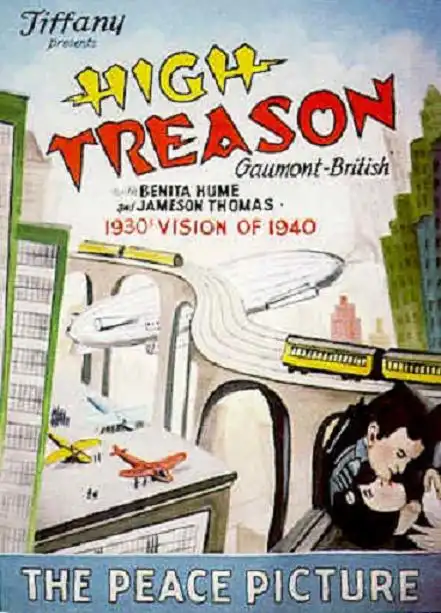
A definitive 6.1/10 rating for a film that redefined the boundaries of cult cinema. High Treason remains a cornerstone of transgressive art.
If you're looking for a brisk, action-packed night at the movies, High Treason from 1929 is probably not it. But for anyone keen on film history, especially early sound films wrestling with big ideas, this one's a fascinating peek. It's a slow burn, for sure, and definitely not for casual viewing, but it's got some surprisingly bold messages tucked away.
Right off the bat, you’re hit with this *future* setting of 1940. It’s 1929, remember, so 1940 feels like something out of sci-fi. The whole thing is dripping with that specific anxiety of a world still reeling from one big war and dreading the next.
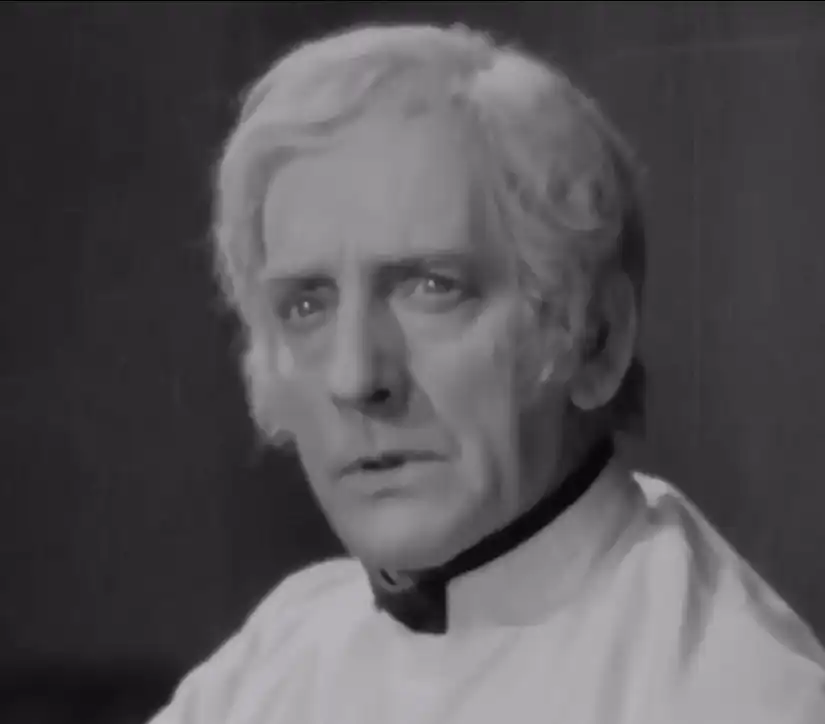
The sound, oh boy. This is an early talkie, and you can tell. The dialogue feels so… deliberate. Like everyone’s enunciating for a microphone that might be a bit deaf. Sometimes it’s a little hard to make out what they’re saying, which adds to its charm in a weird way.
The core of the story is this incredibly earnest Women’s Peace League. They’re really trying to stop another war. It's quite striking, this vision of women leading the charge for peace, especially for a film from that era.
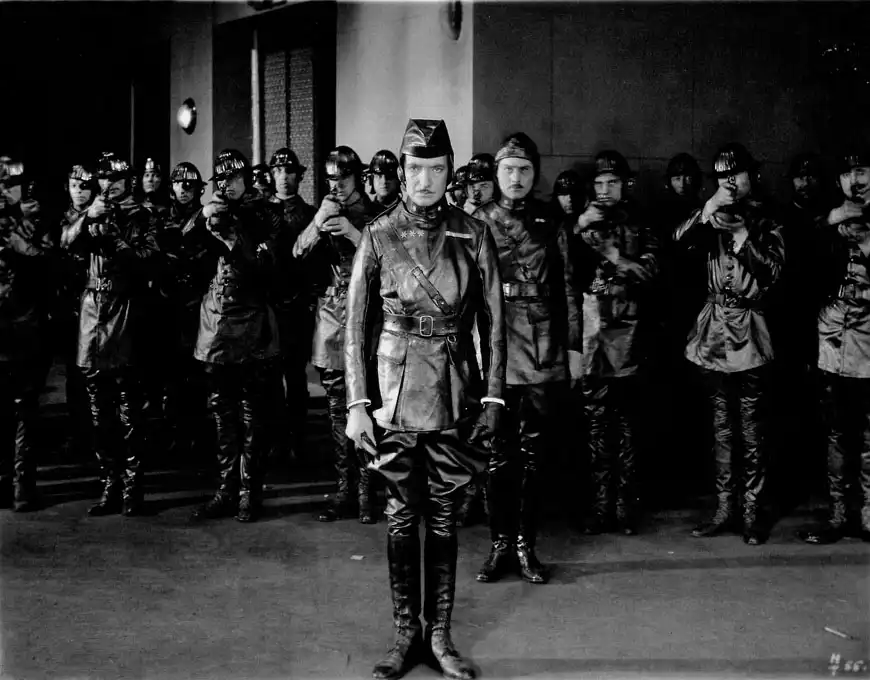
On the flip side, you’ve got these shadowy financiers, basically rubbing their hands together at the thought of war profits. They're almost cartoonishly evil, but it totally works for the melodrama of the time.
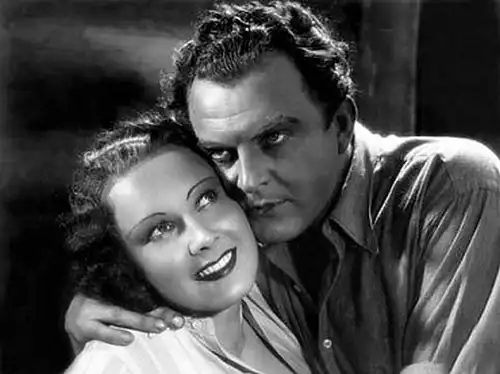
Rene Ray plays Evelyn, the head of the Peace League. She’s really the heart of it, pulling off a performance that manages to be both stoic and passionate. Her fiancé is a general, and that creates some obvious tension. He’s all about duty, she’s all about preventing bloodshed. You can feel the conflict brewing there.
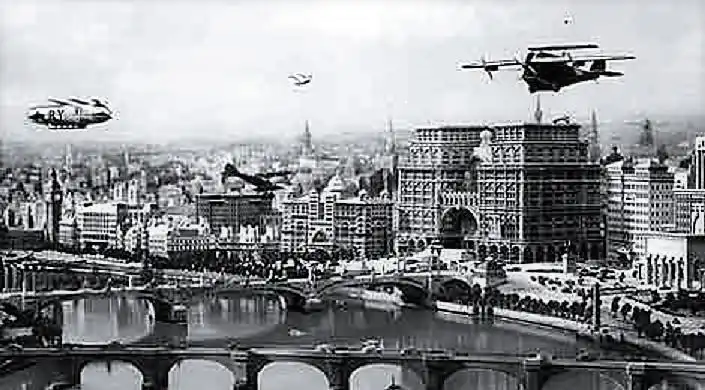
There’s a bit with an *air train* that just makes you smile. The future tech is so endearingly off. We’re talking uniforms that look a bit like flight attendant outfits and these very formal, almost rigid ways of interacting. It’s less 'Blade Runner' and more 'quaintly optimistic about flying machines.'
The whole build-up to the war is surprisingly tense, even though the pacing is quite different from what we're used to. You can almost feel the film trying to convince you this moment matters.

One scene that stuck with me involves a big peace conference. Everyone's dressed so formally, and the speeches are these grand, almost theatrical pronouncements. Then, of course, things start to go sideways, because that’s how these movies work.
The climax involves a literal button. A big red button, of course. Someone has to push it to start the war, or *not* push it to prevent it. It boils down the whole global conflict into this incredibly personal, immediate decision. It's a simple device, but *boy* does it hit hard.
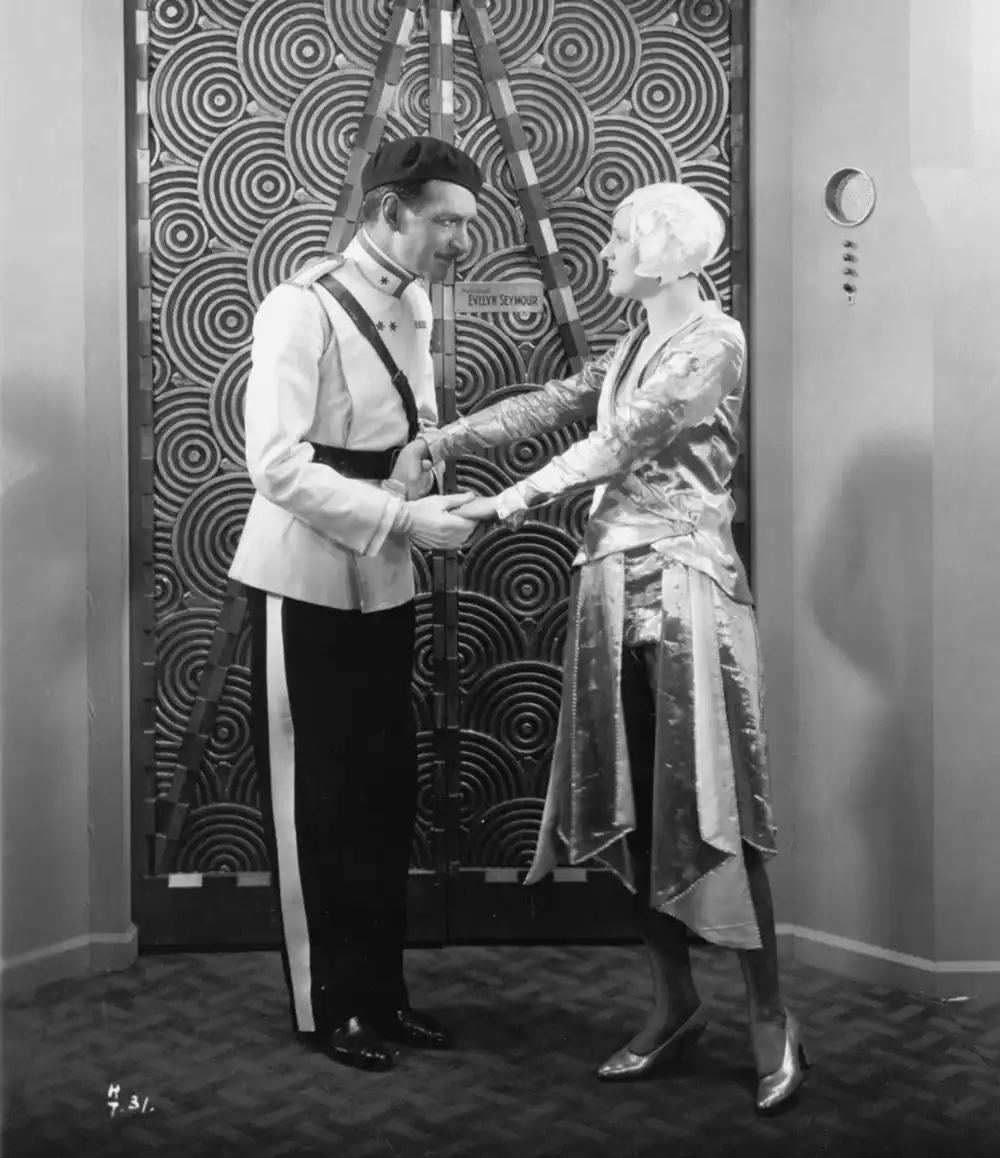
The way Evelyn has to confront her own choices, and what she's willing to sacrifice for peace, is quite compelling. It's not a subtle film, but it doesn't need to be. Its message is loud and clear: war is bad, and people should try to stop it.
Some of the cuts feel a little… sudden. Like they just snipped a bit off. You get these quick shifts in scenes that suggest maybe they were figuring out the whole sound editing thing as they went along. It adds to the raw, almost documentary feel of an early talkie.
While the acting can sometimes lean into melodrama, it’s rarely boring. Jameson Thomas as the General gives a pretty solid, conflicted performance. He’s trying to do his job, but you see the hesitation in his eyes. It's a subtle thing, for a silent-era actor transitioning to sound.
You’ll notice that the film doesn't shy away from showing the grim potential of war, even with its limited budget. The threat feels real, even if the special effects are a bit... rudimentary.
Ultimately, High Treason is a product of its time, full of fascinating quirks and technical limitations. But it’s also remarkably prescient in its themes. The idea of money-hungry elites pushing for conflict, and the struggle of ordinary people to resist it, feels oddly modern.
It’s not a film you’d put on for background noise. It asks you to pay attention, to lean into its historical context. If you do, you'll find a earnest, if a bit creaky, piece of cinema history with a message that still resonates. Just be prepared for some very deliberate pacing and some early-sound-era charm.

IMDb —
1931
Community
Log in to comment.