DbcultAccessing Vault...
5.4/10
Senior Film Conservator
A definitive 5.4/10 rating for a film that redefined the boundaries of cult cinema. Fireman, Save My Gal! remains a cornerstone of transgressive art.
Stepping back into the flickering, sepia-toned world of early cinema, one often encounters narratives that, by contemporary standards, might seem utterly bewildering. Yet, within this peculiar realm lies a raw, untamed creativity, a willingness to experiment with absurdity that modern filmmaking often shies away from. Such is the case with Fireman, Save My Gal!, a title that, even before the reels begin to spin, promises a delightful concoction of melodrama, heroism, and perhaps, a dash of the preposterous. This isn't just a film; it's a window into a bygone era's comedic sensibilities, a testament to the nascent art form's capacity for invention, even when that invention leans heavily into the surreal.
The narrative thrust of Fireman, Save My Gal! centers on George Ovey's character, George, a quintessential everyman protagonist whose romantic aspirations form the bedrock of the plot. His quest to win the hand of the fire chief's daughter, a charming Dorothy Vernon, is presented with the earnest intensity characteristic of the period's romantic comedies. Ovey, known for his affable screen presence, likely imbues George with a blend of vulnerability and determined pluck, making his eventual triumph over a rival suitor feel both earned and dramatically satisfying. This initial conflict, a classic love triangle, serves as the conventional entry point, grounding the audience in familiar emotional territory before the story takes its decidedly unconventional turns.
The vanquished rival, portrayed by Jack Henderson, is not one to accept defeat gracefully. His character, a study in simmering malevolence, embodies the archetypal cinematic villain whose bruised ego metastasizes into a vengeful obsession. The escalation from romantic competition to attempted arson is a dramatic leap, characteristic of silent films' penchant for heightened stakes and overt villainy. Henderson's portrayal would have relied heavily on exaggerated facial expressions and grandiose gestures, conveying a sense of seething malice that transcends dialogue. The idea of burning down the beloved's home isn't merely a desperate act; it's a symbolic obliteration of George's victory and a cruel assertion of power, a fiery declaration of his enduring spite. This dramatic pivot injects a genuine sense of peril into the unfolding events, transforming a lighthearted romantic romp into a tense race against time and a malevolent force.
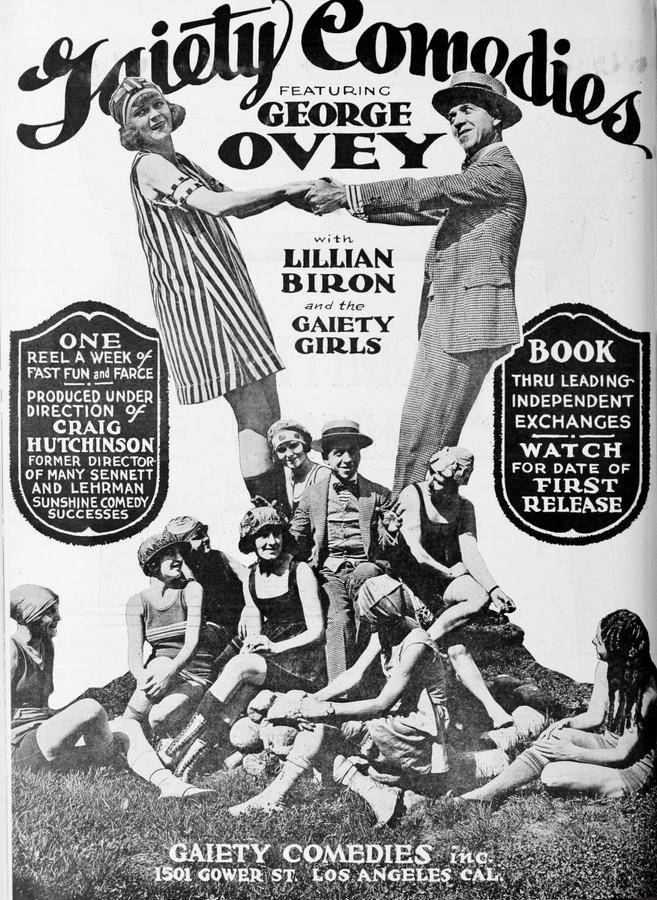
Yet, it is precisely at this juncture of escalating danger that Fireman, Save My Gal! veers sharply into the realm of the truly extraordinary, distinguishing itself from countless other melodramas of the era. Concurrently with the rival's dastardly plot, the local fire department—the very institution meant to combat such destructive forces—undergoes a bewildering, almost Dadaist transformation. It is taken over, not by a new, more efficient chief, nor by a cadre of grizzled veterans, but by a 'gang of bathing beauty chorines.' This narrative development is nothing short of audacious, a stroke of genius that catapults the film from conventional silent comedy into a delightful, almost surrealist farce. The visual implications alone are staggering: imagine the solemnity of firefighting, traditionally a bastion of rugged masculinity, suddenly infused with the synchronized grace and playful allure of chorus girls in period swimwear.
This particular plot point offers a rich tapestry for analysis. Is it a commentary, however lighthearted, on the shifting roles of women in society, or merely a vehicle for comedic spectacle? Given the era, it's likely the latter, designed to elicit laughter and perhaps a touch of titillation from audiences unaccustomed to such overt displays of female empowerment (even if purely for comedic effect). The chorines, presumably led by Lillian Biron, would have brought a vibrant, energetic dynamic to the screen, contrasting sharply with the traditional stoicism of firefighters. Their presence inherently subverts expectations, creating a fertile ground for slapstick and situational comedy. How do these glamorous, presumably untrained, women handle the rigors of a blazing inferno? The humor would arise from their earnest yet perhaps comically inept attempts at firefighting, their synchronized movements translating poorly to the chaotic reality of an emergency, or perhaps, conversely, their surprising effectiveness born of sheer unconventionality.
The juxtaposition of the dire threat of arson with the flamboyant inefficiency (or unexpected efficacy) of a chorine-led fire brigade creates a potent comedic tension. The audience is invited to revel in the absurdity while simultaneously rooting for George and the safety of his beloved. This thematic duality – serious peril undercut by whimsical antics – is a hallmark of many successful silent comedies, allowing for both genuine suspense and uproarious laughter. It's a testament to the film's writers (though uncredited, their ingenuity shines through) that they conceived such an outlandish scenario, pushing the boundaries of what was considered acceptable or even conceivable within a mainstream narrative.
In silent cinema, the burden of conveying emotion, character, and plot falls squarely on the shoulders of the performers. George Ovey, as George, would have employed a range of physical comedy and expressive mime to depict his character's earnestness, fear, and eventual triumph. His interactions with Dorothy Vernon, the fire chief's daughter, would have been characterized by a charming innocence, a visual shorthand for blossoming romance. Vernon, in her role, would likely have personified the damsel in distress, albeit one with an underlying strength that prevents her from becoming a mere plot device. Jack Henderson's rival, on the other hand, would have been a masterclass in theatrical villainy, his every gesture dripping with malice and frustration. The supporting cast, including Harry L. Rattenberry and Al Haynes, would have contributed to the film's bustling atmosphere, filling out the world of the fire department and the community threatened by the rival's scheme.
The pacing of Fireman, Save My Gal! would have been crucial, particularly during the climactic fire sequence. Silent films often alternated between slower, character-driven scenes and rapid-fire action sequences, utilizing quick cuts and intertitles to build suspense. The arrival of the chorine fire brigade would undoubtedly have been a moment of visual spectacle, perhaps accompanied by a sudden shift in musical tempo from the live orchestra or pianist. The effectiveness of the gags, the timing of the rescues, and the eventual comeuppance of the villain would all hinge on the director's ability to orchestrate these various elements into a cohesive, entertaining whole. It’s a delicate balance, ensuring the comedic elements enhance rather than detract from the underlying dramatic tension.
Beyond its surface-level entertainment, Fireman, Save My Gal! offers intriguing thematic undercurrents. It explores the timeless battle between good and evil, the triumph of earnestness over malice, and the often-unpredictable nature of love. The film also, perhaps inadvertently, touches upon gender roles and societal expectations. While the chorines' takeover of the fire department is played for laughs, it nonetheless presents women in a position of authority and action, a stark contrast to many contemporary depictions of female characters as purely domestic or romantic interests. This playful subversion, even if not intended as a serious social commentary, reflects a broader cultural fascination with the evolving place of women in the early 20th century.
In comparing Fireman, Save My Gal! to other films of its era, one finds both commonalities and stark distinctions. Its romantic core, featuring a determined suitor and a coveted maiden, echoes narratives found in films like The Way of a Man with a Maid, yet Fireman, Save My Gal! injects a significantly higher dose of the bizarre. Where other films might explore the emotional complexities of courtship, this film layers on an almost fantastical element of civic disruption. The comedic portrayal of female characters, while less nuanced than perhaps in The Girl Angle, nonetheless positions women in an active, central role, albeit one framed by spectacle. The very idea of a malevolent rival seeking to destroy a home, though a common melodramatic trope, takes on a fresh, almost farcical tone when the emergency responders are a troupe of dancers.
The film's chaotic energy and focus on physical gags might also draw parallels to the early works of figures like Charlie Chaplin or Buster Keaton, though with its unique blend of romantic melodrama and outright absurdity. It eschews the deeper social commentary sometimes found in films like The Toll of Mammon, instead opting for a more direct, unpretentious form of entertainment. The film’s audacity in its premise suggests a creative freedom, a nascent art form still discovering its boundaries and often choosing to ignore them entirely. This willingness to embrace the outlandish is what gives many silent films their enduring charm, allowing them to transcend their technological limitations and speak directly to universal human experiences, albeit through a highly stylized lens.
Ultimately, Fireman, Save My Gal! stands as a fascinating artifact of early cinematic production. It is a film that, despite its seemingly simple premise, manages to weave together elements of romance, suspense, and outright farce into a memorable tapestry. Its enduring appeal lies not just in its historical significance, but in its sheer, unadulterated entertainment value. The boldness of its central conceit—a fire department staffed by bathing beauties—is a testament to the imaginative spirit of the era, proving that sometimes, the most outlandish ideas yield the most delightful results. It challenges the viewer to suspend disbelief and simply revel in the joyous chaos unfolding on screen.
This film reminds us that cinema, from its very inception, has been a medium for escapism, for exploring the limits of the imagination, and for conjuring worlds both familiar and utterly alien. While it might not possess the dramatic weight of an Im Zeichen der Schuld or the profound emotional depth of a Maternità, its contribution to the comedic landscape is undeniable. It’s a film that, even a century later, can spark a smile and a sense of wonder at the boundless creativity of early filmmakers. It’s a vibrant, boisterous spectacle, a genuine gem for those willing to embrace the unique charm of silent-era eccentricities, proving that sometimes, the most ridiculous premises can lead to the most memorable cinematic experiences. The film's title, far from being a simple declaration, becomes a poignant plea, delivered amidst a flurry of romantic antics, vengeful arson, and the most unexpected of emergency responders.
The enduring legacy of films like Fireman, Save My Gal! lies in their ability to transport us to a time when storytelling was raw, experimental, and delightfully uninhibited. It’s a reminder that true originality often blossoms in the most unexpected narratives, offering a rich, if sometimes perplexing, glimpse into the comedic soul of a bygone era. For anyone interested in the evolution of film, the sheer audacity of this particular plot point alone makes it worthy of rediscovery, a testament to the boundless imagination that characterized the earliest days of the silver screen.
IMDb 6.3
1925
Community
Log in to comment.