DbcultAccessing Vault...
Cult Review
Senior Film Conservator
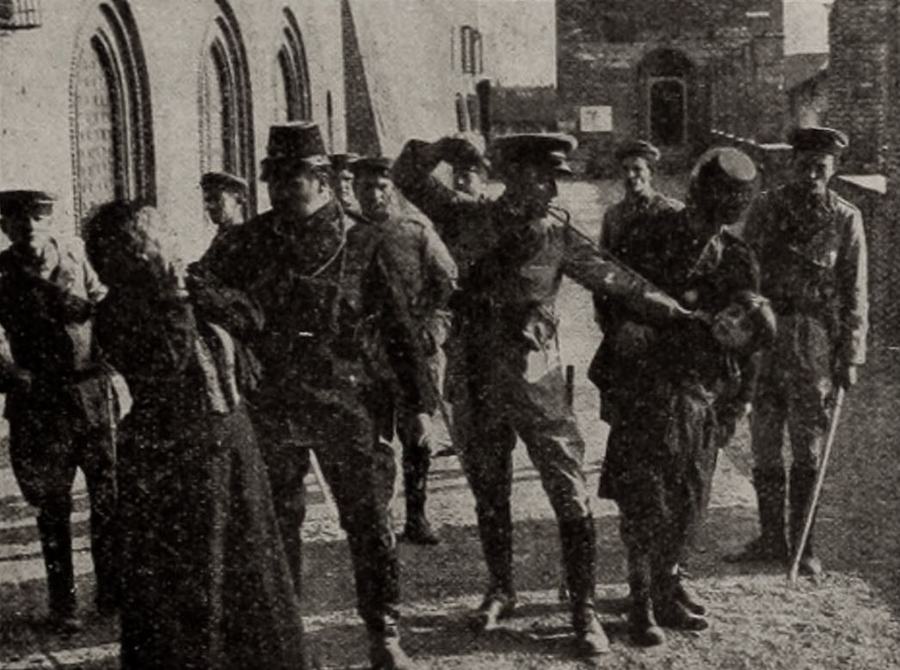
Ah, the silent era! A time when emotions were writ large on faces, when every gesture carried the weight of a thousand words, and when narratives, often stripped bare of dialogue, had to resonate purely through visual storytelling. And then there are those rare gems, like Giannino Antona-Traversi's 'His Daughter's Second Husband' (slug: his-daughters-second-husband), that transcend their temporal confines to offer something profoundly, enduringly human. This isn't just a film; it's a visceral journey into the heart of a family grappling with trust, suspicion, and the ever-elusive nature of true love.
The narrative, penned with a keen understanding of human psychology by Antona-Traversi, centers on the venerable Signore Rossi, portrayed with a dignified gravitas by Camillo Pilotto. Pilotto, a titan of early Italian cinema, imbues Signore Rossi with a quiet strength, a patriarch whose world is centered around his beloved daughter, Isabella. Isabella, brought to life by the exquisite Teresa Boetti Valvassura, is a woman of delicate sensibilities, recently widowed and navigating the treacherous waters of grief and societal expectation. Valvassura’s performance is a masterclass in subtlety, conveying Isabella's vulnerability and burgeoning hope with a nuanced grace that belies the lack of spoken words.
The catalyst for the film's unfolding drama arrives in the form of Marco, Isabella's second husband, played by Ugo Gracci. Gracci crafts a character who is initially disarmingly charming, a man whose polished exterior and captivating demeanor easily win over Isabella and, for a time, even the cautious Signore Rossi. Yet, beneath this veneer of sophistication lies a simmering ambition, a calculated opportunism that slowly but surely begins to cast a long, ominous shadow over the Rossi household. Gracci’s portrayal is fascinating; he doesn't play Marco as a mustache-twirling villain, but rather as a man whose motives are deeply self-serving, making his manipulations all the more insidious and believable.
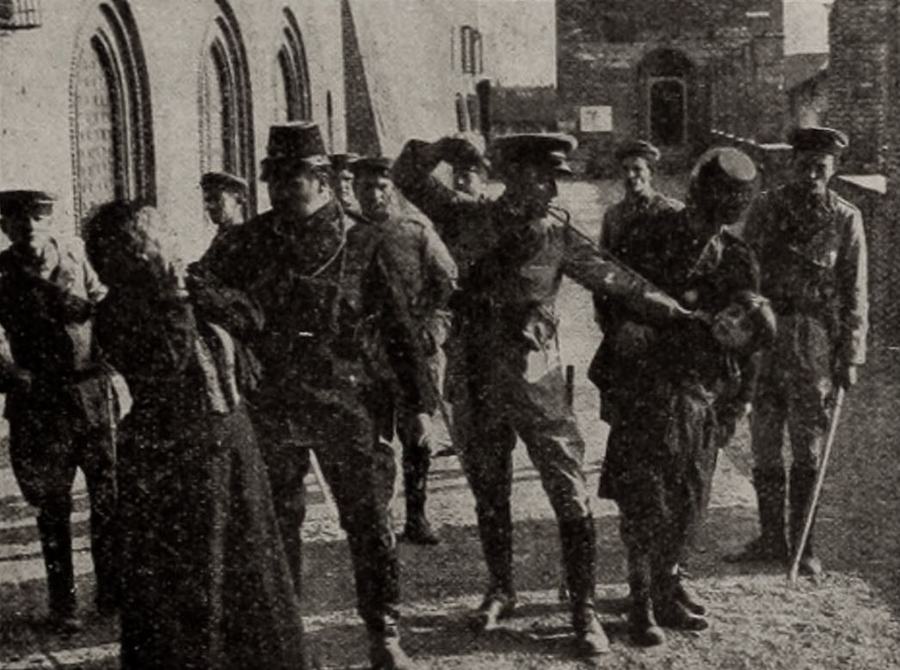
The film's genius lies in its unhurried pace, allowing the audience to witness the gradual erosion of trust. Signore Rossi's initial reservations about Marco are merely a father's natural protectiveness, perhaps even a touch of possessiveness over his daughter's affections. But as Marco insinuates himself deeper into Isabella's life, subtly influencing her decisions, particularly concerning her inheritance and the family's considerable assets, Rossi's unease transforms into a gnawing suspicion. This isn't a sudden revelation but a slow, painstaking accumulation of doubts, each glance, each gesture, each whispered conversation contributing to the mounting tension.
Antona-Traversi, the writer, demonstrates a profound understanding of familial dynamics and the societal pressures prevalent in early 20th-century Italy. The film isn't just about a man protecting his daughter; it's about the preservation of family honor, the legacy of a respected name, and the delicate balance between personal happiness and ancestral duty. One could draw parallels to the thematic weight found in films like The House of Temperley, where the integrity of a family name is paramount, or perhaps even the subtle class distinctions explored in The Conquest of Canaan, albeit through a different lens of societal ambition.
The supporting cast further enriches this intricate tapestry. Fernanda Negri Pouget, perhaps as a discerning family friend or a more worldly relative, provides an external perspective, her subtle reactions mirroring the audience's own growing apprehension about Marco. Her presence adds another layer of realism, suggesting that Signore Rossi's concerns are not merely the ramblings of an overprotective father but grounded in observable realities. Lea Giunchi, in a role that could be anything from a loyal servant to a minor family member, contributes to the film's rich atmosphere, her quiet observations potentially serving as silent commentary on the unfolding drama.
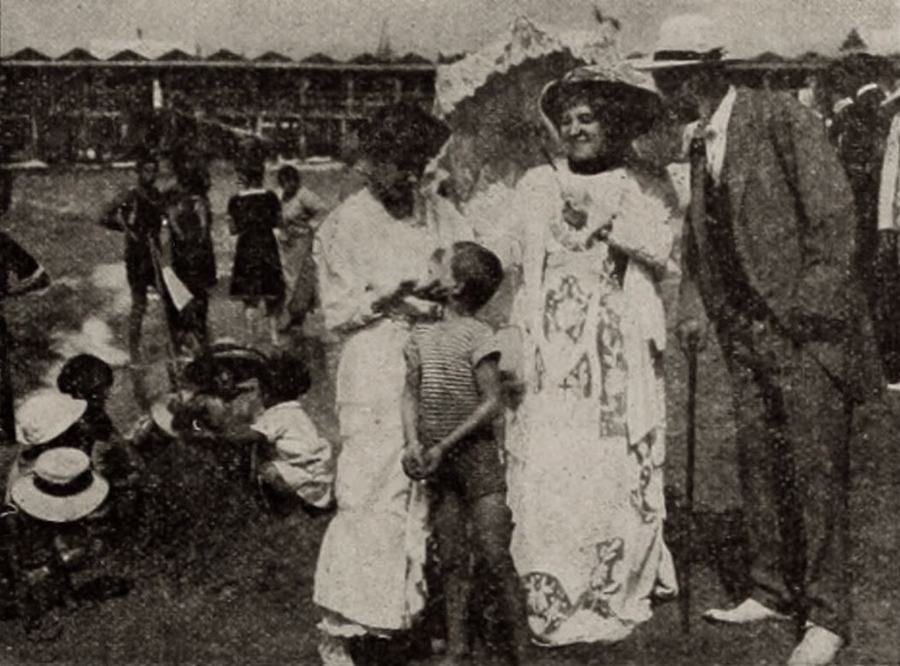
The direction, though uncredited in the prompt, would have been instrumental in translating Antona-Traversi's vision to the screen. One can imagine scenes bathed in dramatic chiaroscuro, emphasizing the moral ambiguities at play. Close-ups on Pilotto's furrowed brow or Valvassura's tear-filled eyes would have amplified the emotional stakes, drawing the audience deeper into their internal struggles. The staging would likely be meticulously planned, with characters often framed in ways that visually represent their emotional states – Isabella perhaps frequently positioned between her father and Marco, symbolizing her divided loyalties and the tug-of-war for her affection and future.
What makes 'His Daughter's Second Husband' so compelling is its refusal to offer easy answers. Isabella's love for Marco, however misguided, feels genuine. Her blindness to his true nature isn't portrayed as naiveté but as a profound desire for happiness and companionship after loss, making her eventual disillusionment all the more poignant. This emotional complexity elevates the film beyond a simple morality play, transforming it into a nuanced exploration of human frailty and the deceptive power of charm.
The climax, one can surmise, would be a masterclass in silent film tension. Perhaps a confrontation where Signore Rossi finally lays bare Marco's deceit, forcing Isabella to confront the harsh reality of her situation. The fallout would be devastating, not just for Isabella, but for the entire family. The film would likely leave a lasting impression, much like the lingering dread evoked by The Pursuing Shadow, where past misdeeds inevitably catch up, or the profound impact of a life-altering decision as seen in The Dividend, where financial motives drive much of the drama.
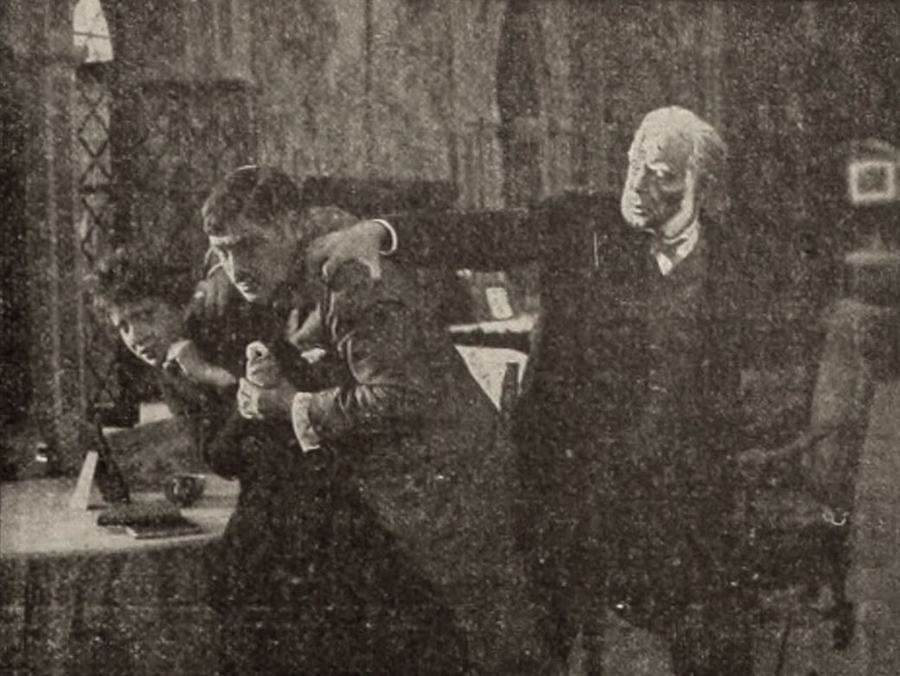
Antona-Traversi's writing ensures that the motivations, even for Marco's duplicity, are understandable within the context of ambition, albeit morally reprehensible. He’s not a monster born of pure evil, but a product of societal pressures and personal failings. This makes the narrative feel grounded, relatable, and tragically believable. The film's examination of how love can be exploited, how trust can be betrayed, and how a family's legacy can be jeopardized by external forces resonates with an unsettling universality. It serves as a potent reminder that appearances can be deceiving, and that true character is often revealed not in moments of triumph, but in times of adversity.
The film's emotional impact is further amplified by the absence of dialogue. The actors' expressions, their body language, and the careful staging of each scene become the primary conduits for meaning. Pilotto's eyes, for instance, might convey a world of unspoken worry, while Valvassura's slight tremor of the hand could speak volumes about her internal conflict. Gracci, on the other hand, would likely use a confident posture and a seemingly open gaze to mask Marco's true intentions, making his eventual unmasking all the more impactful. This reliance on visual storytelling is a hallmark of superior silent cinema, challenging both the performers and the audience to engage on a deeper, more empathetic level.
Consider the subtle ways the film might have built its atmosphere. Perhaps through the use of recurring motifs – a specific piece of jewelry Isabella wears, a particular room in the Rossi villa, or even a piece of music (if accompanied by an orchestra) that shifts in tone as the narrative darkens. These elements, though seemingly minor, would contribute to a cohesive and immersive experience, drawing the viewer into the very heart of the family's struggle. The aesthetic choices, even in a silent film, are crucial for conveying the underlying mood and foreshadowing future events. A shift from bright, open scenes to more confined, shadowed spaces could visually represent the growing oppression and suspicion.
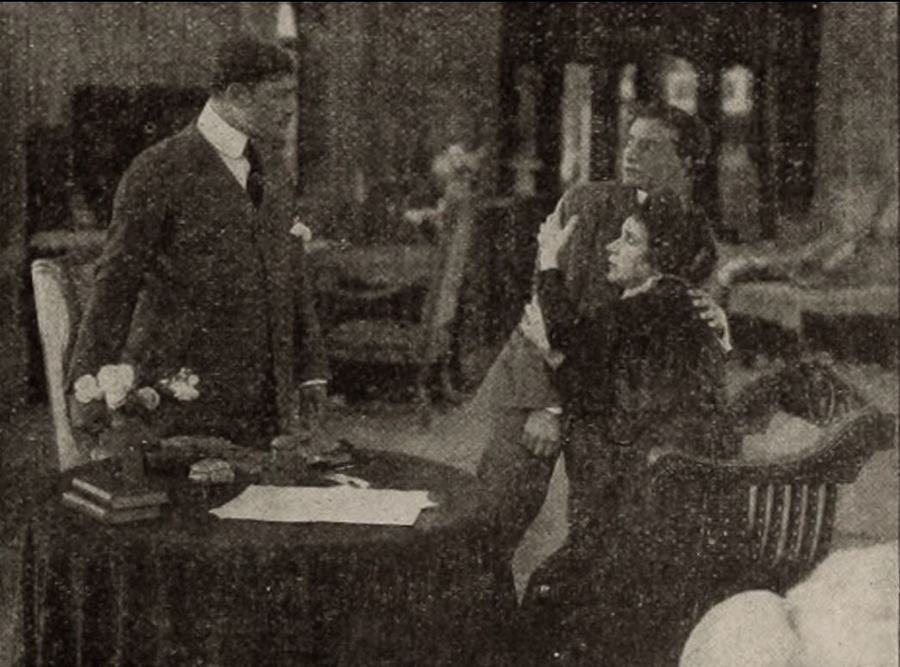
In an era that saw a proliferation of melodramas, 'His Daughter's Second Husband' distinguishes itself by its psychological depth. It avoids overt sensationalism in favor of a more introspective exploration of character and motive. It doesn't just show us what happens; it invites us to ponder *why* it happens, and the profound ripple effects of such events on human lives. This intellectual engagement, combined with the raw emotional power of the performances, solidifies its place as a significant work of early cinema. It's a testament to the enduring power of a well-crafted story, brought to life by dedicated artists.
The legacy of such a film lies not only in its immediate impact but also in its ability to provoke thought and discussion long after the credits roll. It challenges audiences to consider the complexities of relationships, the dangers of unchecked ambition, and the unwavering strength of familial bonds. Much like the destructive force of nature depicted in The Avalanche, Marco's influence on the Rossi family is a slow-building, inevitable catastrophe, yet one that could perhaps be averted through vigilance and courage. The film ultimately serves as a cautionary tale, but one delivered with such artistry and emotional resonance that it transcends mere moralizing.
In conclusion, 'His Daughter's Second Husband' is far more than a historical artifact; it is a timeless drama that speaks to universal truths about family, loyalty, and the often-perilous pursuit of happiness. The combined talents of Giannino Antona-Traversi, Camillo Pilotto, Teresa Boetti Valvassura, Ugo Gracci, Fernanda Negri Pouget, and Lea Giunchi create a cinematic experience that is both heart-wrenching and thought-provoking. It stands as a powerful reminder of the artistry and narrative sophistication that defined the golden age of silent cinema, proving that even without a single spoken word, a story can resonate with profound and lasting impact. It's a film that demands to be rediscovered, appreciated for its intricate storytelling and its powerful exploration of the human condition.
IMDb —
1928
Community
Log in to comment.