DbcultAccessing Vault...
Cult Review
Senior Film Conservator
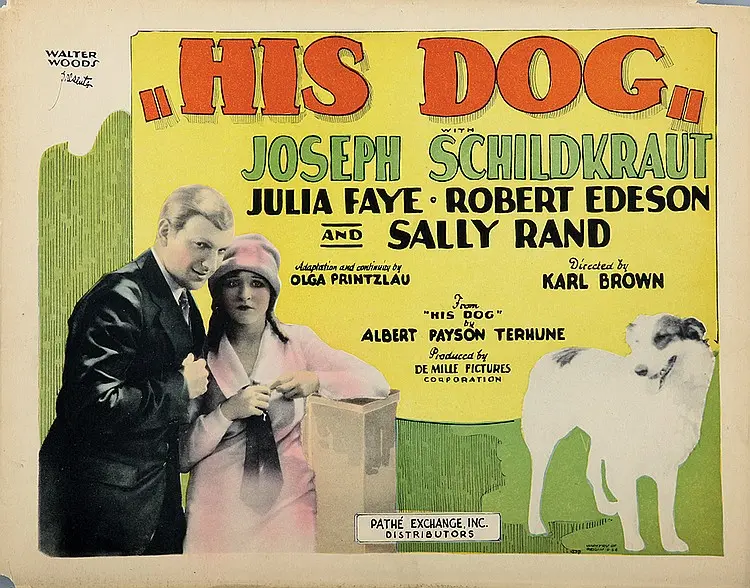
Is "His Dog" a silent film worth unearthing from the annals of cinematic history today? Short answer: yes, but with significant caveats that depend entirely on your viewing disposition. This isn't a film for casual audiences accustomed to modern narrative rhythms or those seeking fast-paced action; rather, it's a profound, if sometimes plodding, character study ideal for cinephiles, historians, and anyone with a deep appreciation for early 20th-century storytelling and the raw power of silent film acting.
It’s unequivocally not for viewers seeking constant stimulation, intricate plot twists, or cutting-edge visual effects. Instead, "His Dog" offers a quiet, introspective journey into the human spirit, anchored by a compelling central performance and a surprisingly potent emotional core that still manages to resonate a century later. It demands patience, but rewards it with genuine sentiment.
Let's get straight to the heart of the matter. This film, directed with a clear understanding of its emotional beats, works on several levels that transcend its era. Its exploration of human-animal bonding, redemption from self-destruction, and the transformative power of love feels timeless. However, it also stumbles in areas that are perhaps inherent to its time or simply missed opportunities.
This film works because: It delivers a surprisingly nuanced character arc for Peter Olsen, elevating a simple premise into a poignant study of self-worth and connection, all without a single spoken word. The central performances, particularly Joseph Schildkraut’s, carry the emotional weight with remarkable clarity.
This film fails because: Its pacing can be undeniably slow, especially in the first act, and some narrative conveniences, while common for the era, stretch credulity. The resolution, while heartwarming, feels a touch too neat and rapid after the deliberate build-up, almost undermining the journey.
You should watch it if: You are a silent film enthusiast, appreciate character-driven dramas, or are fascinated by the cultural artifacts of the 1920s. It offers a unique window into the period's storytelling sensibilities and the craft of actors who communicated solely through expression and gesture.
At its core, "His Dog" is a testament to the transformative power of unconditional affection. Peter Olsen, portrayed by Joseph Schildkraut, begins the film as a truly pathetic figure. A social outcast, perpetually hunched, his eyes downcast, he embodies the kind of despair that only deep-seated loneliness and alcohol can brew. His existence on a rundown farm, eking out a living from vegetables, is a stark visual metaphor for his internal barrenness. Dorcas Chatham (Julia Faye), the general store owner's daughter, serves as his only human connection, a beacon of concern that he largely ignores, too consumed by his own self-pity and the fleeting comfort of liquor.
The arrival of the injured dog, discovered by the roadside, is not just a plot device; it's a catalyst for Peter's entire reawakening. This isn't a story about a man finding a pet; it's about a lost soul finding a mirror for his own inherent goodness, reflected back through the unwavering loyalty of an animal. The dog doesn't judge Peter's drinking or his isolation; it simply offers companionship. This is a profound distinction from Dorcas's well-meaning, but ultimately conditional, concern.
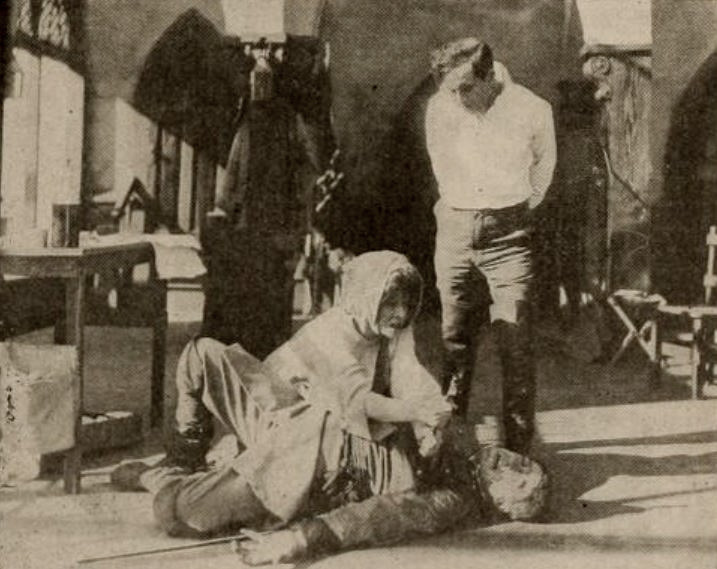
The pivotal moment, where the dog bravely defends Peter from robbers during a drunken spree, is where the film earns its emotional stripes. It’s a moment of pure, unselfish devotion that shatters Peter’s self-imposed prison of despair. This isn't a sentimental contrivance; it's a primal bond forging itself in the crucible of danger. From this point, Peter’s journey towards self-respect isn't just an internal shift; it's an observable, physical transformation. His shoulders straighten, his gaze lifts, and a nascent confidence begins to replace the slouching resignation. It's a surprisingly sophisticated portrayal of rehabilitation for a film of its era.
Dorcas's evolving feelings for Peter are a natural consequence of this change. Her initial fear of the dog, an intriguing counterpoint to Peter's bond, gives way as she witnesses his redemption. The film subtly suggests that her love for Peter is contingent on his sobriety and newfound self-worth, making their eventual union feel earned, rather than simply granted. The dog show subplot, while feeling a touch melodramatic and convenient for a dramatic twist, serves to solidify Peter’s commitment and tests the depth of his transformation. His reunion with "his" dog isn't just about reclaiming a pet; it's about reclaiming a symbol of his own hard-won identity.
Silent film acting is an art form often misunderstood today, frequently dismissed as overly theatrical or exaggerated. "His Dog" serves as a potent reminder of its expressive power, largely thanks to Joseph Schildkraut’s compelling portrayal of Peter Olsen. Schildkraut doesn't just act; he embodies Peter's despair and eventual resurgence with a remarkable physical and facial clarity that transcends the need for dialogue. In the early scenes, his slumped posture, the way his eyes avoid contact, and the restless fidgeting of his hands paint a vivid picture of a man utterly consumed by his inner demons. It’s a performance that truly grounds the film.
One particular scene stands out: Peter’s gradual realization after the dog saves him. Schildkraut doesn't suddenly become a new man; instead, we see a flicker of understanding, a slow dawning of gratitude and self-awareness in his eyes. His movements become less frantic, more deliberate. This subtle, incremental change, conveyed purely through gesture and expression, is a masterclass in silent screen acting. It’s a performance that draws you in, making you feel Peter’s struggle and his eventual triumph.
Julia Faye, as Dorcas Chatham, provides a gentle counterpoint. Her performance is less showy than Schildkraut's, but no less effective. She conveys concern, apprehension, and eventually, affection, through a series of subtle glances and restrained gestures. Her initial fear of the dog is palpable, communicated through a slight recoil or a wary expression, which makes her eventual acceptance of the animal, and of Peter, all the more impactful. Her presence adds a necessary human warmth and aspiration to Peter's otherwise bleak world.
Even Annabelle Magnus, credited as a cast member, though likely referring to the animal actor playing the dog, delivers a performance crucial to the film's success. The dog's loyalty, its protective instincts, and its capacity for affection are depicted with surprising realism, thanks to careful training and direction. The bond between Peter and his canine companion feels authentic, forming the undisputed emotional anchor of the entire narrative. The dog is the catalyst. Without it, Peter is lost.
The direction, though uncredited to a specific individual in the provided context, demonstrates a clear understanding of silent film storytelling techniques. The filmmakers wisely rely on visual cues and expressive close-ups to convey the interior lives of the characters. We see Peter’s isolation through wide shots of his desolate farm, emphasizing his smallness in a vast, empty landscape. Conversely, the intimacy of Peter's bond with his dog is often captured in tight frames, allowing the audience to witness every nuance of their interaction.
The cinematography, while not groundbreaking for its era, is functional and effective. It uses light and shadow to great effect, particularly in the scenes depicting Peter’s drunken stupors or the nighttime attack by robbers. The stark contrasts heighten the drama and reflect Peter’s internal turmoil. There's a particular shot of Peter, slumped in his chair, with the dog resting faithfully at his feet, bathed in a single, melancholic shaft of light. It's a simple image, yet profoundly moving, speaking volumes about his solitude and the nascent hope offered by his companion.
Pacing is where the film presents its most significant challenge to modern audiences. The first act, in particular, is a slow burn, deliberately establishing Peter's bleak existence and the repetitive cycle of his alcoholism. This measured pace, while authentic to the character's stagnation, can test the patience of viewers accustomed to more rapid narrative development. However, this deliberate build-up makes Peter's eventual transformation all the more impactful. The shift from languid despair to purposeful action is palpable, a testament to the film's careful emotional calibration.
The tone is predominantly melancholic, especially in the opening, but it gradually shifts towards hope and warmth. The filmmakers successfully navigate the delicate balance between depicting the harsh realities of Peter's life and infusing the narrative with genuine sentimentality without veering into mawkishness. It’s a hard line to walk, but "His Dog" manages it, offering a story that feels earned rather than forced. Compared to some of its contemporaries, like the often more dramatic and sprawling narratives found in films such as The Mystery Road, "His Dog" keeps its focus tight, prioritizing character over complex plot machinations.
Absolutely, for the right audience. If you're looking for a quiet, character-driven drama that explores themes of redemption and companionship with surprising depth, then "His Dog" is a rewarding experience. It's a window into the emotional storytelling capabilities of the silent era, showcasing how powerful narratives could be crafted without dialogue.
However, be prepared for a slower pace than you might be used to. This film asks for your patience, especially in its initial setup. It’s a journey, not a sprint. For those with an interest in silent cinema or the evolution of film as an art form, it offers significant historical and artistic value. Its emotional core remains surprisingly potent.
"His Dog" is a film that, like many from its era, comes with a distinct set of strengths and weaknesses. Understanding these can significantly enhance your viewing experience and manage expectations. The film's primary strength lies in its emotional sincerity and the compelling performance at its center.
The arc of Peter Olsen, from a downtrodden alcoholic to a man of self-respect, is beautifully rendered by Joseph Schildkraut. His non-verbal communication is exceptional, allowing the audience to intimately connect with his internal struggles and triumphs. This character transformation is the beating heart of the film and feels genuinely earned.
Furthermore, the film's exploration of the human-animal bond is handled with a delicate touch, avoiding overt sentimentality for much of its runtime. The dog isn't merely a prop; it's a character whose loyalty and presence drive Peter's redemption. This focus on companionship as a catalyst for personal growth is a timeless theme that resonates strongly.
On the flip side, the film's pacing can be a significant hurdle. The deliberate slowness, particularly in establishing Peter's initial despair, might feel tedious to those unfamiliar with the conventions of silent film. While it serves a narrative purpose, it demands a certain level of commitment from the viewer. It works. But it’s flawed.
Another minor flaw lies in some of the narrative conveniences, particularly the swift resolution of Peter's reunion with his dog and Dorcas's sudden overcoming of her fear. While these elements provide a satisfying conclusion, they feel a tad rushed compared to the carefully established emotional journey. It’s a classic silent film trope, but it does slightly diminish the impact of the preceding struggles.
"His Dog" is more than just a relic of the silent era; it’s a surprisingly potent and emotionally resonant film that, despite its age and some pacing issues, still speaks to universal themes of loneliness, redemption, and the extraordinary power of companionship. Joseph Schildkraut's performance is a standout, carrying the film's emotional weight with remarkable clarity and nuance. While it won't appeal to every modern sensibility, for those willing to engage with its particular rhythm and visual storytelling, it offers a deeply satisfying and often moving experience.
It's a testament to the enduring craft of early cinema, proving that a simple story, well-told and genuinely felt, can transcend the limitations of its medium and era. "His Dog" might require a shift in viewing habits, but the emotional payoff is substantial, making it a valuable watch for anyone with a genuine appreciation for film history and heartfelt storytelling. This is a film that truly earns its quiet triumph, leaving an impression long after the final frame.
IMDb —
1919
Community
Log in to comment.