DbcultAccessing Vault...
7.1/10
Senior Film Conservator
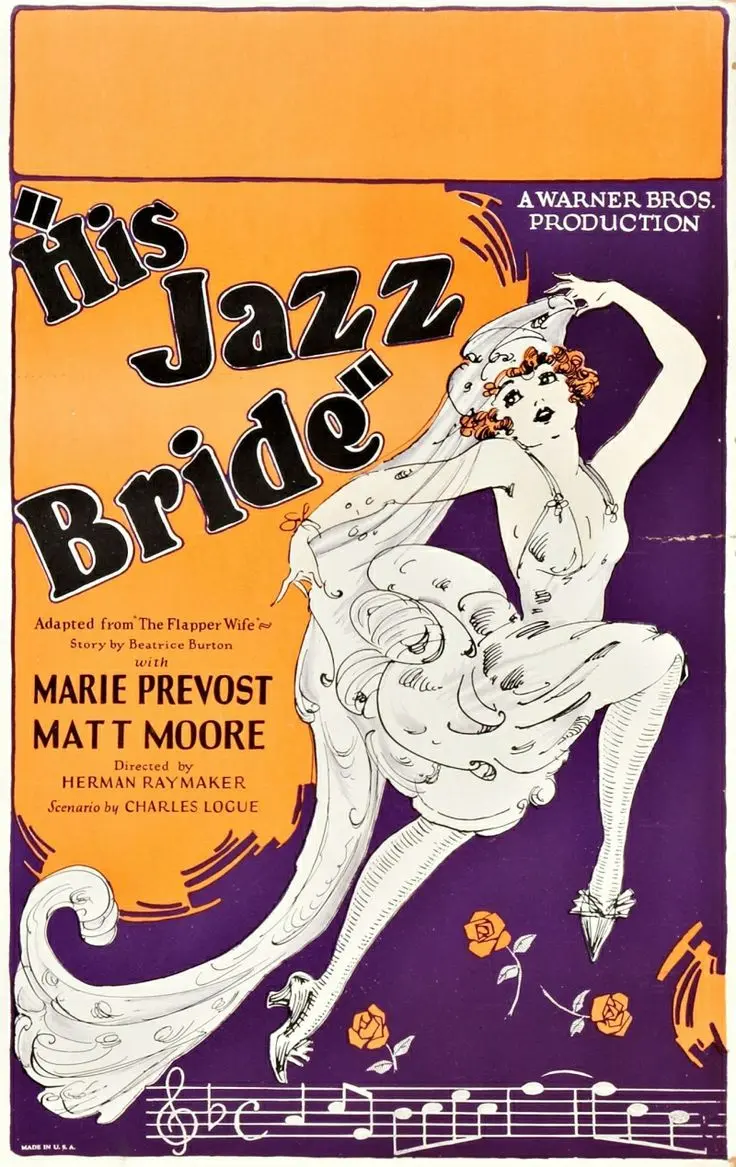
A definitive 7.1/10 rating for a film that redefined the boundaries of cult cinema. His Jazz Bride remains a cornerstone of transgressive art.
Is His Jazz Bride worth watching today? Short answer: Yes, but only if you view it as a fascinating sociological time capsule rather than a modern thriller.
This film is for silent cinema historians and those fascinated by the 'Flapper' era's moral panics, but it is definitely not for viewers who require nuanced gender politics or fast-paced dialogue. It is a product of its time—loud, moralistic, and visually expressive in a way that only the 1920s could manage.
To understand if this film fits your evening, you need to know exactly what it delivers. It is a cautionary tale that uses a literal sinking ship to represent a metaphorical sinking marriage.
The narrative engine of His Jazz Bride is the friction between Dick Gregory’s (Gayne Whitman) stoicism and Gloria’s (Marie Prevost) hedonism. Unlike many silent films that paint their protagonists in broad strokes of good and evil, this film dares to make its 'heroine' somewhat unlikable for the first two acts. When Dick refuses the bribe from Edward Martindel, the audience is conditioned to cheer for his integrity. However, the film takes a sharp turn when Gloria reacts with genuine anger. To her, Dick's morality is a luxury they cannot afford. This is a surprisingly modern conflict; it mirrors the financial pressures seen in films like Cheap Kisses, where the cost of living in high society becomes a character in its own right.
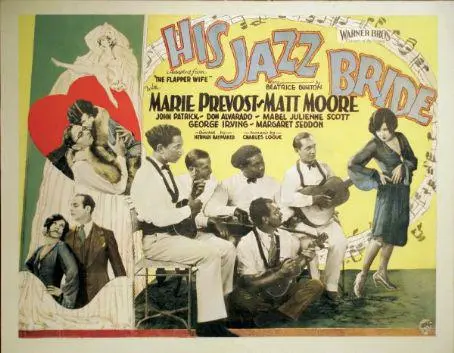
Marie Prevost is the standout here. She doesn't just play Gloria as a villain; she plays her as a woman who is genuinely terrified of being 'ordinary.' In the scene where she confronts Dick about the bribe, her body language is frantic and jagged. She isn't just arguing about money; she’s arguing for her survival in a social circle that only values her for her clothes and her presence at parties. This performance elevates the film above standard melodrama.
The final act shifts from a domestic drama to a survival thriller. While it doesn't have the technical scale of The Sea Master, the sinking of the cruise ship is handled with a visceral intensity that was quite advanced for 1926. The use of shadow and water creates a sense of claustrophobia. When Alec Seymour tells Dick that the boat hasn't met safety standards, it’s a heavy-handed metaphor for Gloria’s lifestyle—sparkling on the surface but structurally unsound underneath.
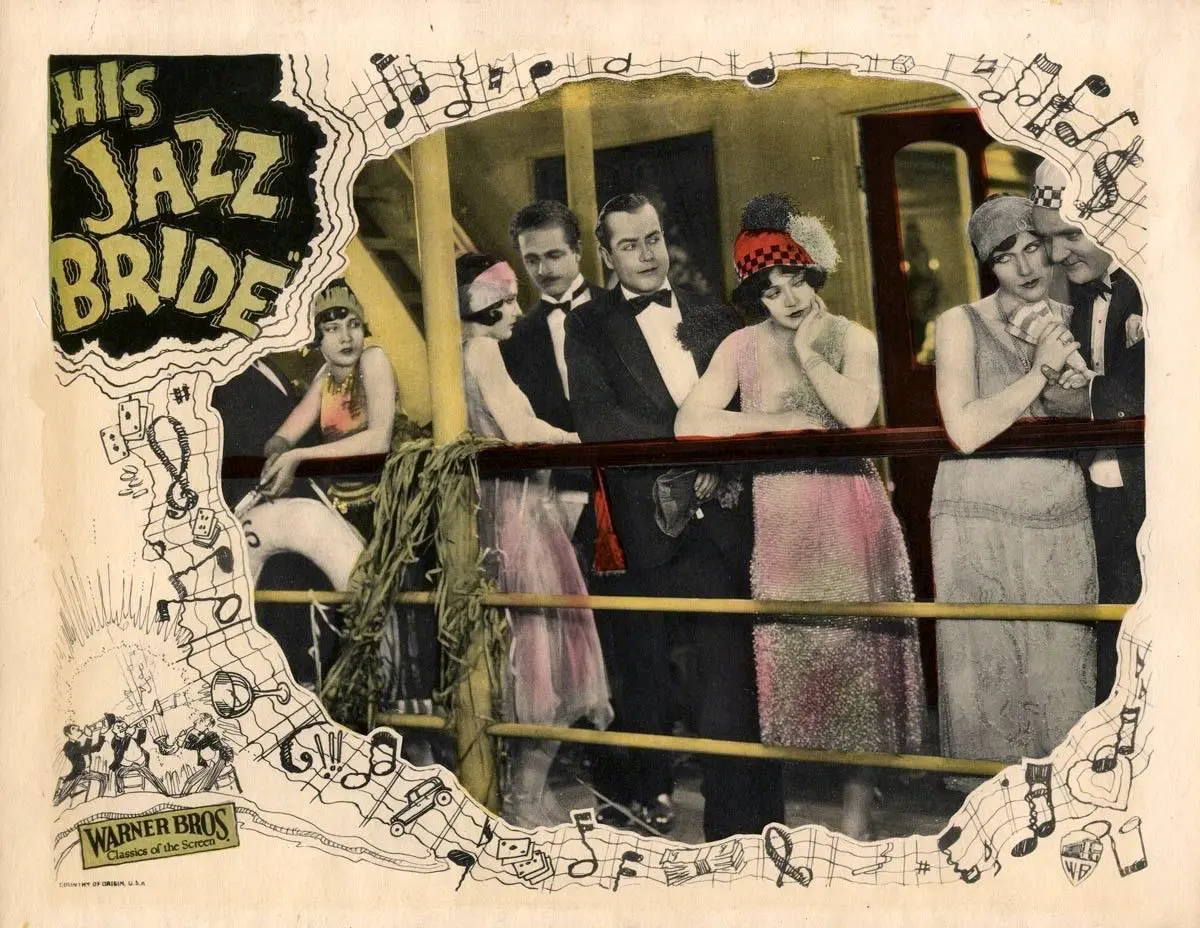
The rescue scene is the film's most technically impressive moment. The pacing quickens, and the editing becomes more aggressive. Dick’s pursuit of the boat isn't just a rescue mission; it’s a reclamation of his role as the 'protector,' which the narrative demands he fulfill. It’s a sequence that rivals the tension found in Trapped in the Air, though it trades the heights of the sky for the depths of the ocean.
His Jazz Bride is worth watching if you are interested in the evolution of the American social drama. It provides a clear window into the fears of the 1920s—fear of debt, fear of changing social roles, and fear of the 'jazz' influence on the youth. If you are looking for a casual Friday night movie, this probably isn't it. But if you want to see how cinema once attempted to 'fix' the modern woman, it is essential viewing.
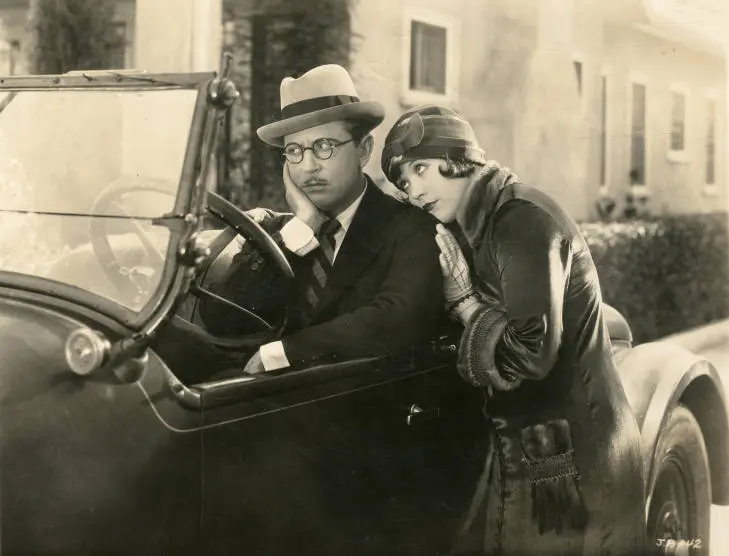
"The film serves as a brutal reminder that in the 1920s, a woman's independence was often framed as a mechanical failure that needed a man's repair."
When compared to other films of the era, such as Sold at Auction, His Jazz Bride feels more grounded in urban reality. While many silent films leaned into the pastoral or the purely romantic, this film deals with the grit of legal bribes and the reality of unpaid bills. It shares a thematic DNA with Mystic Faces in its exploration of the masks people wear in high society, though it trades mysticism for the cold reality of a sinking ship.
The direction by the collective team (including Walter Morosco's influence) ensures that the film never feels static. Even during the long dialogue-heavy segments (relied upon through intertitles), the camera placement keeps the viewer engaged. It lacks the whimsical nature of Felix Goes West or the slapstick energy of His Own Medicine, choosing instead a somber, almost oppressive tone that breaks only during the final rescue.
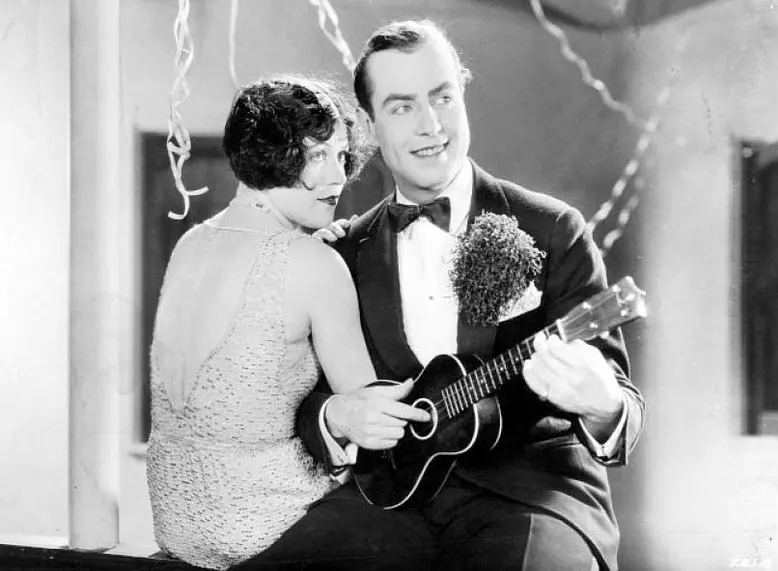
The acting by Marie Prevost is exceptional. She manages to convey a complex range of emotions—from boredom to greed to sheer terror—without the benefit of sound. The film also features a very strong supporting cast, including Don Alvarado and Matt Moore, who provide a solid foundation for the central conflict. The production design of the 'Jazz' parties is also noteworthy, capturing the glitz and hollowness of the era perfectly.
The pacing in the middle act drags significantly as Dick and Gloria have the same argument multiple times. Additionally, Gayne Whitman’s performance can feel a bit wooden compared to Prevost’s kinetic energy. He plays the 'suffering husband' with such a lack of charisma that it’s almost understandable why Gloria wants to go out dancing with someone else. The moralizing tone is also very thick; the film doesn't just tell you that the Jazz Age is dangerous, it screams it at you with every frame.
His Jazz Bride is a fascinating relic. It works. But it’s flawed. The film is a masterclass in how silent cinema used external disasters to solve internal character problems. If the marriage is broken, just sink a ship and have the husband save the wife; problem solved. While that logic doesn't hold up in modern storytelling, the visual execution remains impressive. It’s a film that deserves to be remembered for Marie Prevost’s performance alone, even if the script eventually fails her by turning her into a submissive housewife in the final minutes. It is a loud, brash, and ultimately conservative film that perfectly captures the internal war of the 1920s American soul.
IMDb —
1923
Community
Log in to comment.