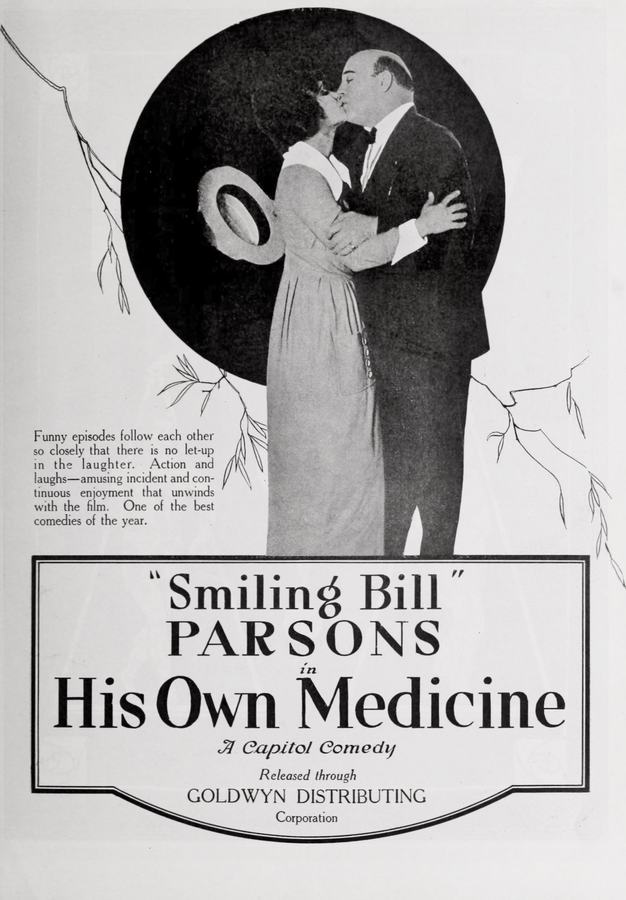
When the title His Own Medicine first flickered across the marquee, the promise of a period noir laced with psychological intrigue was palpable. Tom Bret, a writer known for his deft manipulation of moral ambiguity, delivers a screenplay that feels simultaneously vintage and unsettlingly contemporary. William Parson...
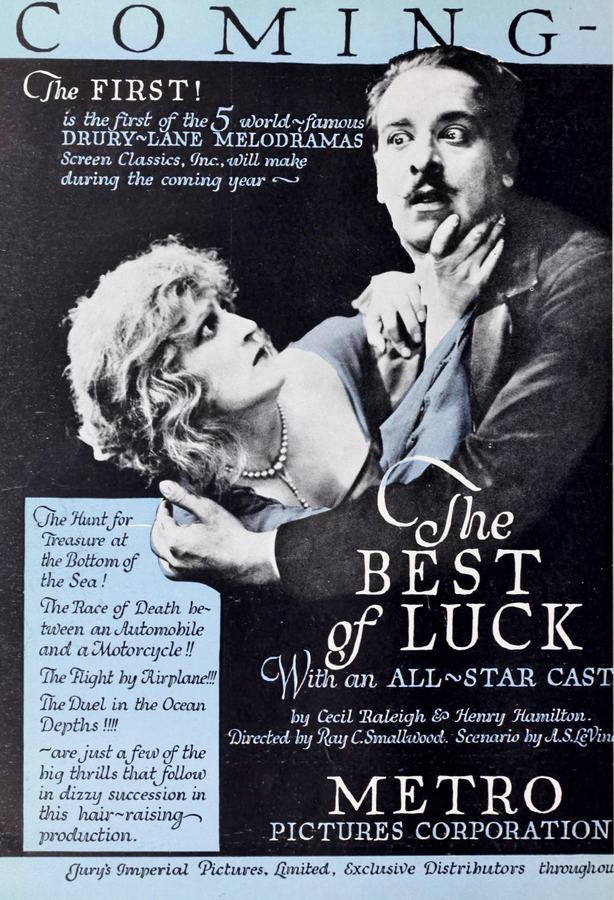
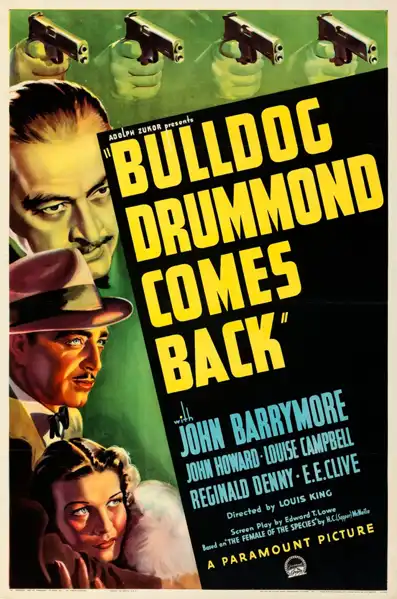
Comparing the cinematic DNA and archive impact of two defining moments in cult history.
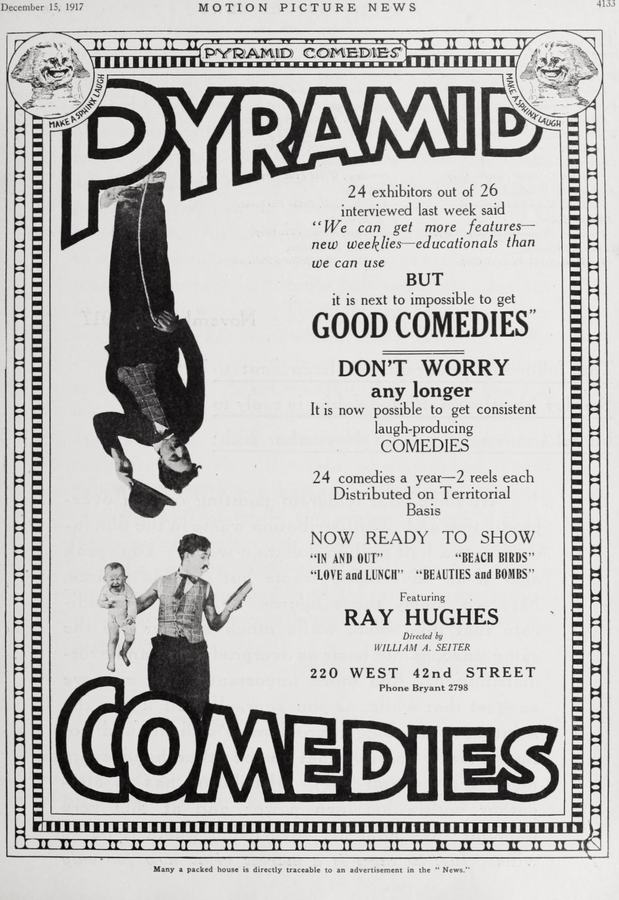
William A. Seiter
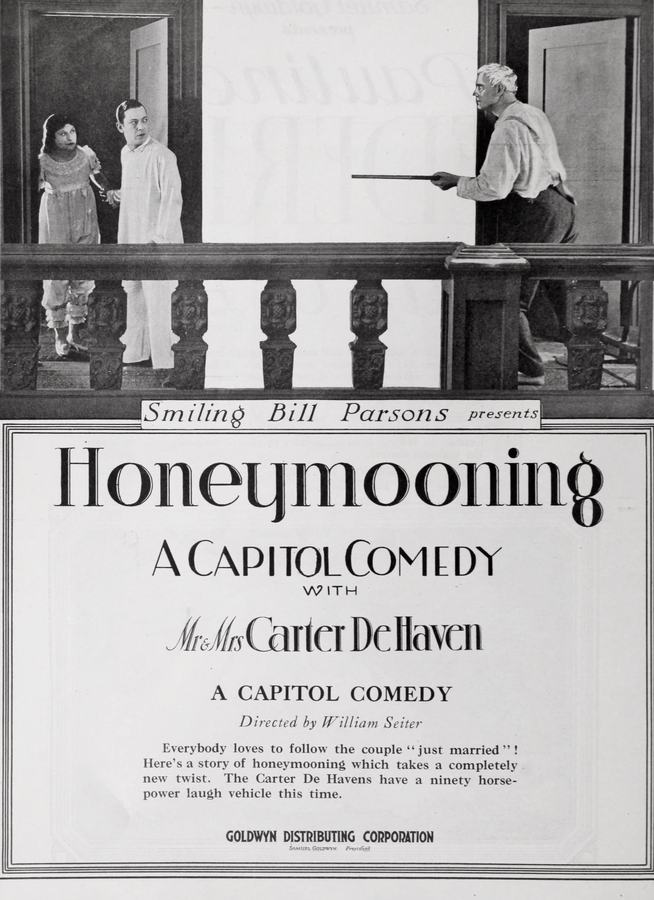
William A. Seiter
Community
Log in to comment.
" When the title His Own Medicine first flickered across the marquee, the promise of a period noir laced with psychological intrigue was palpable. Tom Bret, a writer known for his deft manipulation of moral ambiguity, delivers a screenplay that feels simultaneously vintage and unsettlingly contemporary. William Parsons, as the eponymous Dr. Elias Thorn, navigates a treacherous landscape where the line between healer and manipulator blurs into a single, trembling thread. The opening tableau..."
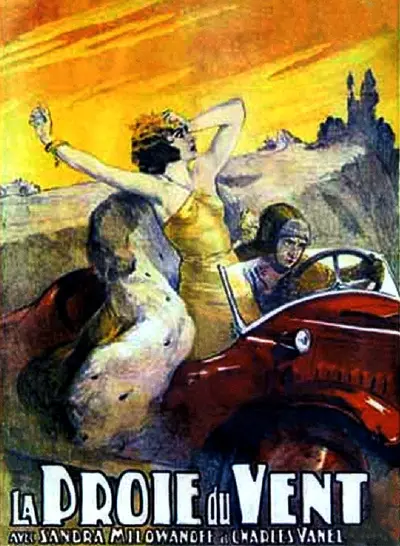
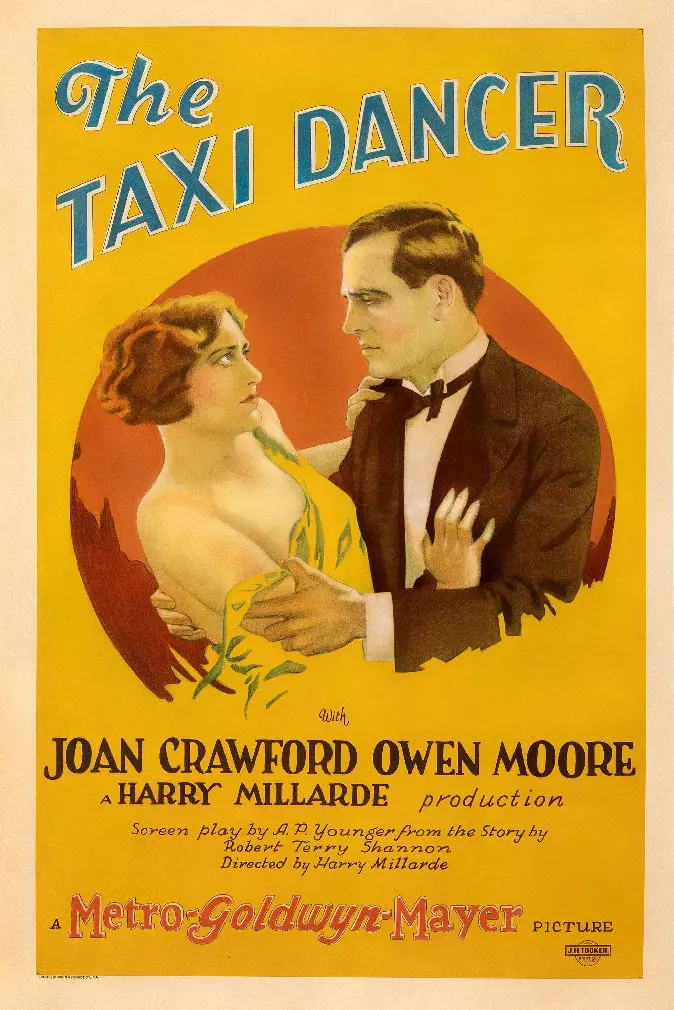
Deep dive into the cult classic
Discover similar cinematic experiences
A Directorial Spotlight on William A. Seiter