DbcultAccessing Vault...
Cult Review
Senior Film Conservator
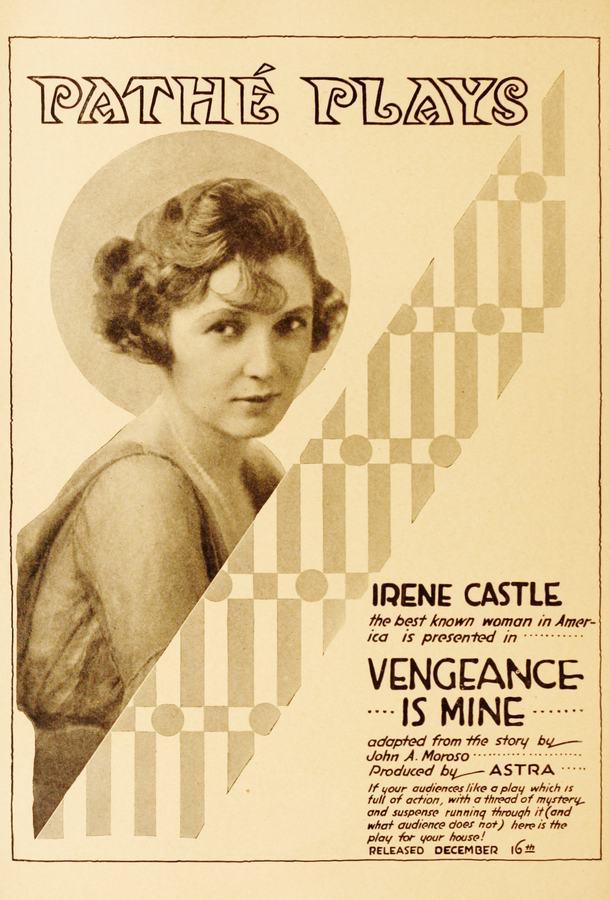
There is a peculiar, haunting resonance in the cinema of 1917, a year that stood on the precipice of modern visual storytelling while still clutching the melodramatic traditions of the Victorian stage. Vengeance Is Mine, directed by Frank Crane, serves as a quintessential artifact of this era, capturing the anxieties of a world increasingly dominated by faceless financial rings and the cold machinery of capital. To watch it today is to witness the architectural bones of the American thriller being assembled in real-time.
The film opens with a sequence that feels startlingly contemporary: the systematic destruction of a man’s life not by a villain with a cape, but by a board of directors. Farrington, portrayed with a weary dignity by the cast, is the first casualty of the "ring." In the silent era, suicide was often depicted with a stark, almost ritualistic gravity, and here it serves as the catalyst for a daughter’s descent into the underworld of justice. Paula Farrington, played with a simmering intensity by Ethel Grey Terry, does not merely mourn; she weaponizes her grief.
Unlike the protagonists in Life's Whirlpool (1917), who often seem at the mercy of their environments, Paula takes an active, almost proto-noir role. She navigates the high-society parties of the elite with the same precision that a spy might infiltrate an enemy camp. It is during one such gathering that she meets Dr. Smith (Elliott Dexter). Their romance is not the sugary, uncomplicated love common in lesser films like Jack and Jill, but a fraught, doomed attraction shadowed by Paula’s hidden agenda.
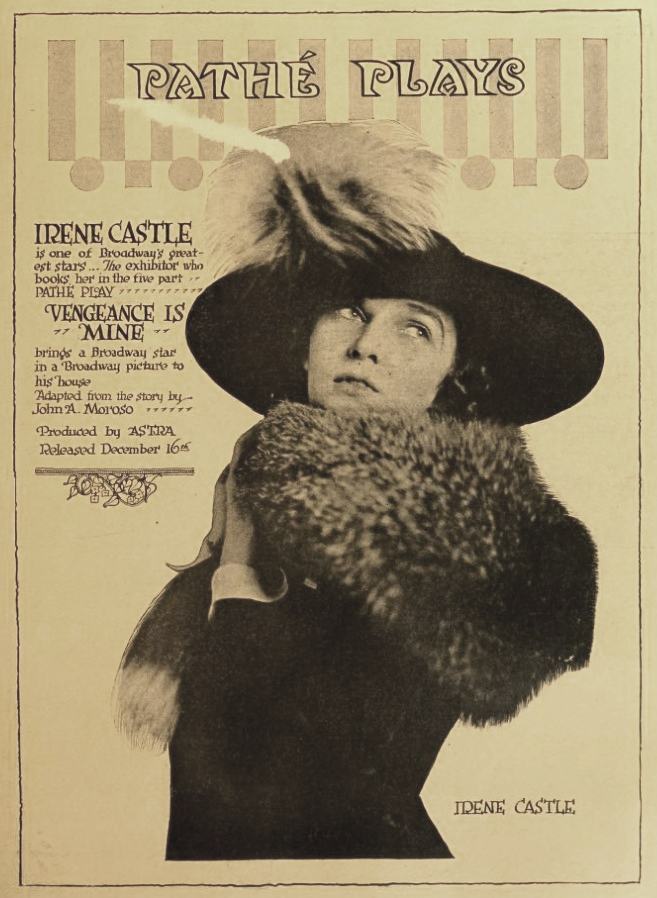
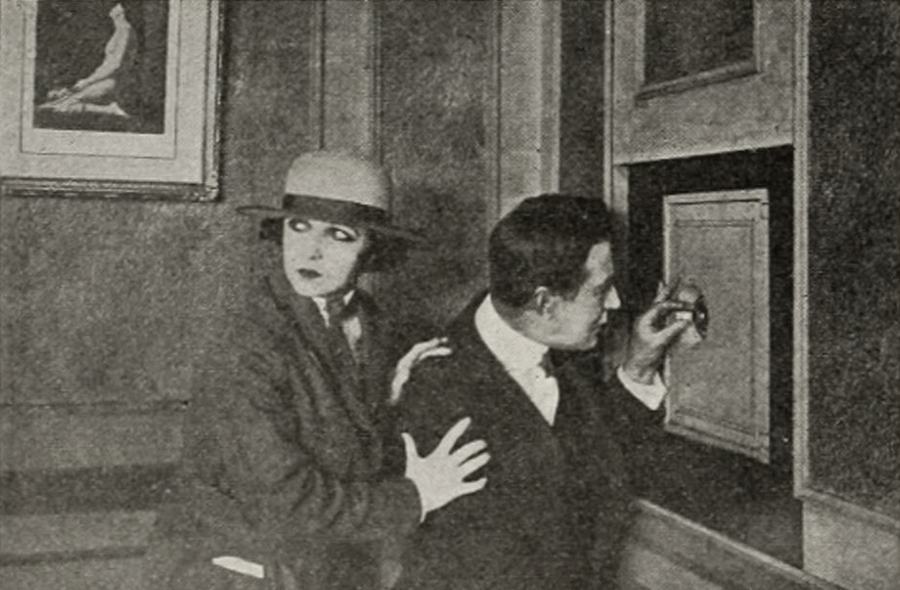
One of the most compelling elements of Vengeance Is Mine is the introduction of Old Bill Fitch, the reformed burglar. This character archetype—the criminal with a heart of gold—was a staple of the time, yet here he serves a vital narrative function. He is the bridge between Paula’s desperate morality and the tangible world of evidence. The heist at the Van Brunt estate is a masterclass in early suspense. The flickering shadows and the tactile nature of the "papers" remind us of a time when secrets were physical objects, not digital ghosts.
When we compare this to the more kinetic energy of The Car of Chance, we see that Crane prefers a slow-burn psychological tension. The revelation that the ringleader is Dr. Smith’s father is the kind of Shakespearean irony that silent cinema thrived upon. It elevates the film from a simple revenge flick to a complex meditation on the sins of the father and the burden of the next generation. It echoes the moral entrapment found in Souls in Bondage, where the characters are shackled by the pasts they did not choose.
Technically, the film utilizes the limited palette of the 1910s to great effect. The use of iris shots to focus the viewer's attention on Paula's expressive face allows Ethel Grey Terry to convey a spectrum of emotion—from the cold steel of a huntress to the shattered vulnerability of a lover betrayed. While it lacks the avant-garde experimentation seen in some European imports of the era, such as Obozhzhenniye krylya, its grounded realism provides a sturdy foundation for the melodrama.
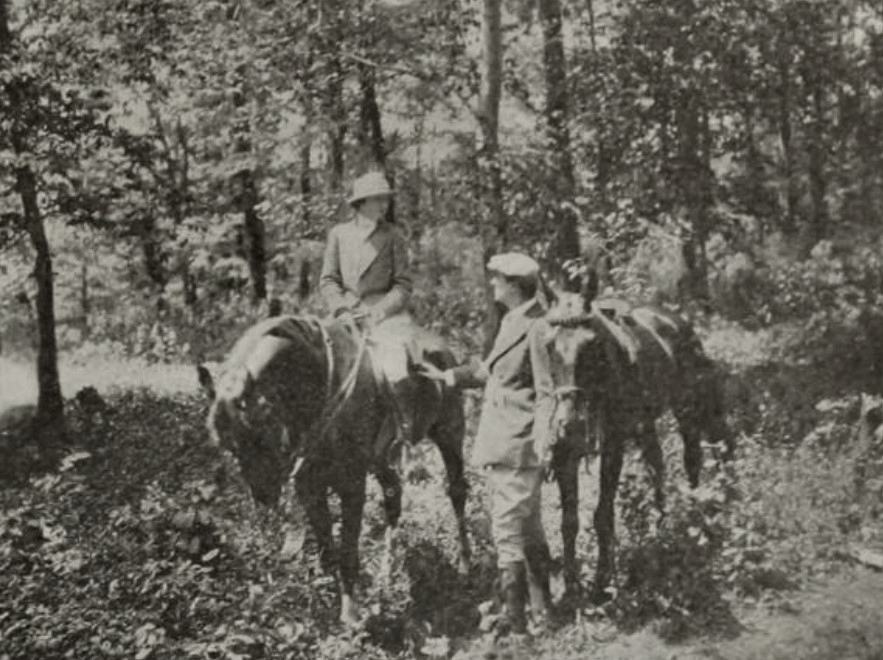
The interior design of the Van Brunt house reflects the Gilded Age's lingering opulence, a stark contrast to the utilitarian spaces where the "reformed" characters dwell. This visual dichotomy reinforces the theme that wealth is often a mask for moral decay. In a year that gave us the whimsical The Babes in the Woods, Vengeance Is Mine stands out for its somber commitment to social critique.
Ethel Grey Terry was an actress of remarkable poise. In Vengeance Is Mine, she avoids the frantic gesticulation that sometimes plagues silent performances. Instead, she employs a stillness that is far more terrifying. When she discovers the identity of the man she has been hunting, her reaction is a masterclass in internalized conflict. It’s a performance that holds up surprisingly well, lacking the campiness of contemporary works like Clown Charly or the broad strokes of A Black Sheep.
Her chemistry with Elliott Dexter is palpable, which makes the central conflict—love versus justice—feel earned. Dexter, for his part, plays the "good doctor" with a sincerity that prevents him from becoming a mere plot device. Their relationship is the emotional anchor that prevents the film from drifting into the nihilism of a pure revenge story, unlike the more cynical tones found in Sins of Ambition.
The climax of the film—the confrontation with the elder Smith—is where the movie truly finds its soul. In a modern thriller, this might end in a hail of bullets or a dramatic arrest. In 1917, however, the focus was on the "reparation." The realization of the elder Smith that his greed has nearly destroyed his son’s happiness is a moment of profound moral clarity. It suggests a world where the social order can be restored through individual atonement, a theme that resonates through other 1917 dramas like Evidence.
This resolution might feel slightly convenient to modern audiences accustomed to the grit of the New Hollywood era, but within the context of its time, it was a radical assertion of human agency over systemic corruption. While Sequel to the Diamond from the Sky focused on the spectacle of adventure, Vengeance Is Mine focuses on the architecture of the human conscience.
When placing this film alongside its peers, one notices a distinct lack of the frantic pacing found in Keep Moving or the historical rigidity of Iwami Jûtarô. Instead, there is a fluidity to the storytelling that anticipates the psychological dramas of the 1920s. It shares a certain DNA with La soñadora in its exploration of a woman's internal world, yet it remains firmly rooted in the American mercantile reality.
In the end, Vengeance Is Mine is more than just a story about a daughter avenging her father. It is a film about the moment when the cycle of violence is broken by the realization of shared humanity. Paula’s decision to relinquish her vengeance for love is not a sign of weakness, but an act of immense moral courage. It’s a message that was as relevant during the heights of World War I as it is today.
For those interested in the evolution of the thriller, or for those who simply appreciate a well-told tale of moral complexity, this film remains a vital watch. It lacks the polish of modern CGI, but it possesses a raw, emotional honesty that few contemporary films can match. It reminds us that even in a world of "financial rings" and systemic ruin, the individual still has the power to choose grace over hate. While some might find it an Indiscretion of the past, I find it to be a timeless beacon of early cinema's potential.
IMDb —
1928
Community
Log in to comment.