DbcultAccessing Vault...
7.2/10
Senior Film Conservator
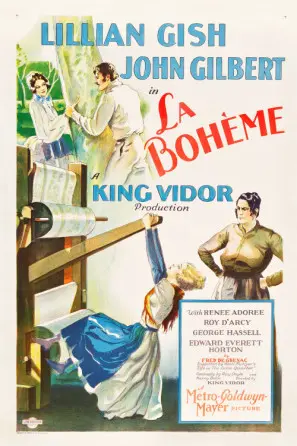
A definitive 7.2/10 rating for a film that redefined the boundaries of cult cinema. La Bohème remains a cornerstone of transgressive art.
Short answer: yes, but it's a challenging watch for modern audiences. If you're a fan of early silent cinema or interested in the bohemian lifestyle of 1830s Paris, this film is essential. However, if you prefer a fast-paced, contemporary narrative, you might find it slow and somewhat outdated.
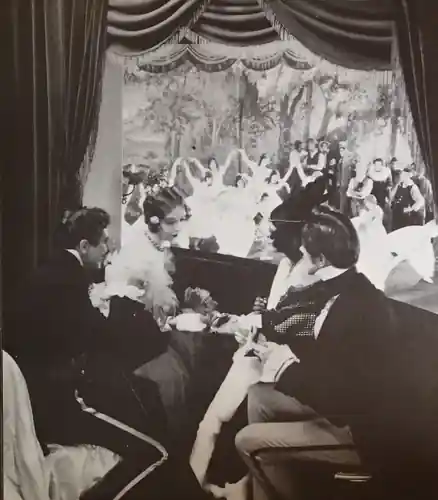
La Bohème is a silent film that delves into the lives of a group of struggling artists in 1830s Paris, focusing on a seamstress and the aspiring playwright she loves. The film is a rich tapestry of the bohemian spirit, capturing the essence of this era's artistic and social milieu. While the performances are commendable, the storytelling is somewhat conventional, and the pacing can be slow, making the film a niche experience for classic cinephiles and those interested in early silent cinema.
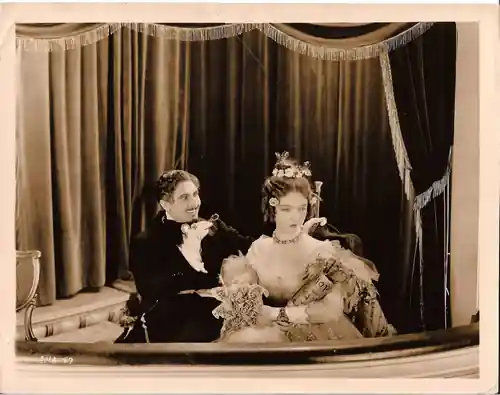
Is La Bohème a must-watch? It works, but it's flawed. The film's strengths lie in its period authenticity and genuine performances, but its conventional storytelling and slow pacing can be off-putting for modern audiences.
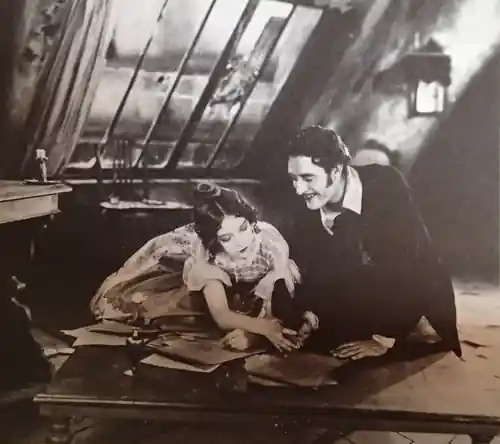
Harry Crocker and Mathilde Comont deliver standout performances as the seamstress and the playwright. Their chemistry is palpable, and they bring a sense of authenticity to their roles. The supporting cast, including John Gilbert and Gino Corrado, also contribute to the film's overall charm, but their roles are somewhat underdeveloped.
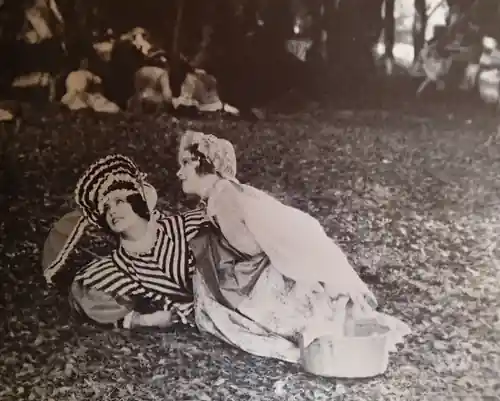
William M. Conselman and Ruth Cummings direct the film with a keen eye for period detail. The use of natural lighting and the intricate settings transport the audience to 1830s Paris. However, the pacing can be slow, and the narrative structure is somewhat predictable, which can make the film feel tedious at times.
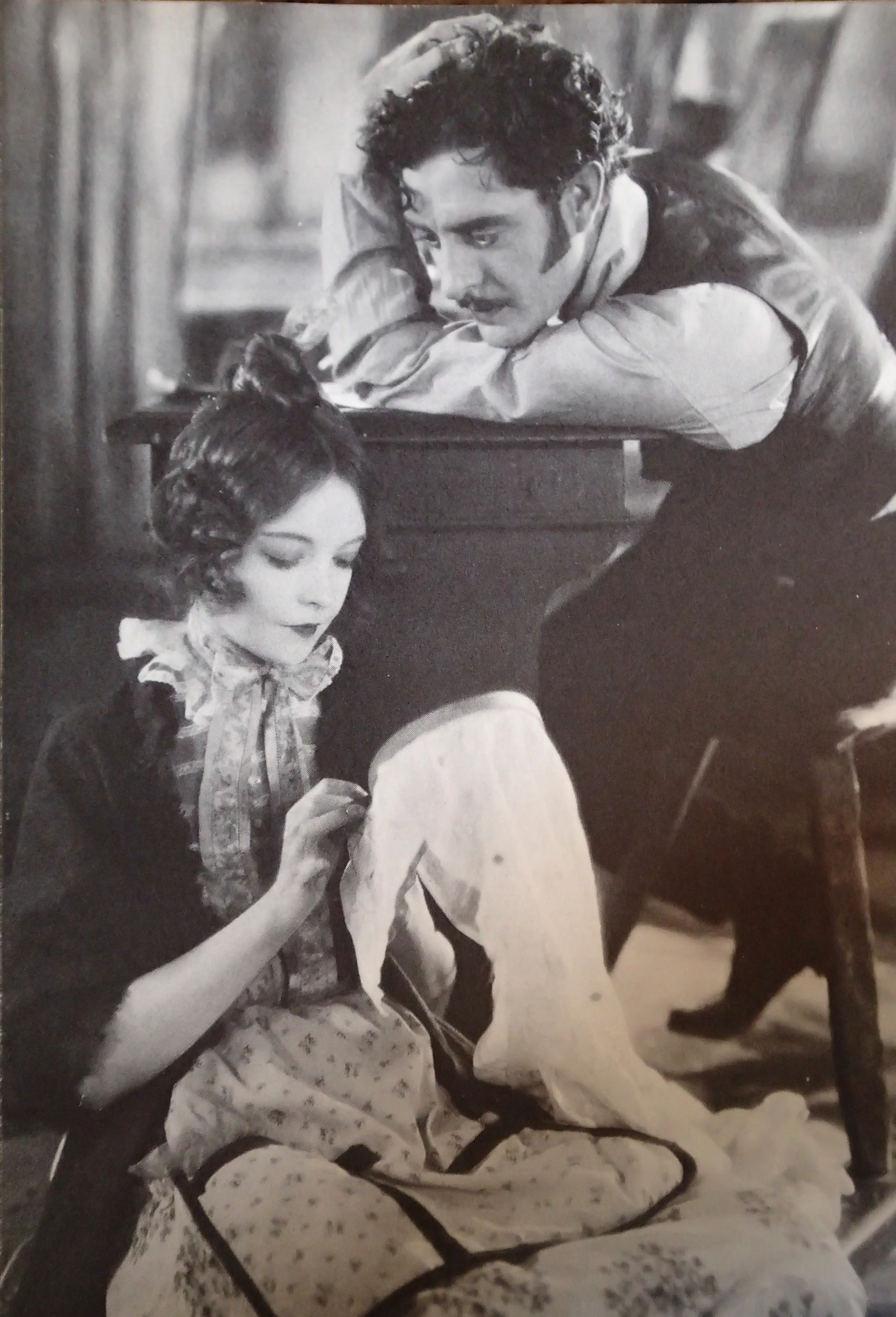
The pacing of La Bohème is a double-edged sword. On one hand, it allows for a more immersive experience, immersing the audience in the lives of the characters. On the other hand, the slow pace can be a barrier for modern audiences who prefer faster-paced narratives. The tone is mostly consistent, focusing on the challenges and joys of artistic pursuits, but it can feel repetitive at times.
La Bohème can be compared to contemporary films like The Marriage Lie (2019) and West of Chicago (1920), both of which explore the lives of struggling artists. However, La Bohème is more authentic and visually rich, making it a more immersive experience for those interested in early silent cinema.
La Bohème is a must-watch for classic cinephiles and those interested in the bohemian lifestyle of 1830s Paris. While the film's strengths lie in its period authenticity and genuine performances, its conventional storytelling and slow pacing can be off-putting for modern audiences. It's a challenging but rewarding experience, and if you're willing to invest the time and patience, it's a film that will stay with you long after the credits roll.
IMDb 4.7
1928
Community
Log in to comment.