DbcultAccessing Vault...
Cult Review
Senior Film Conservator
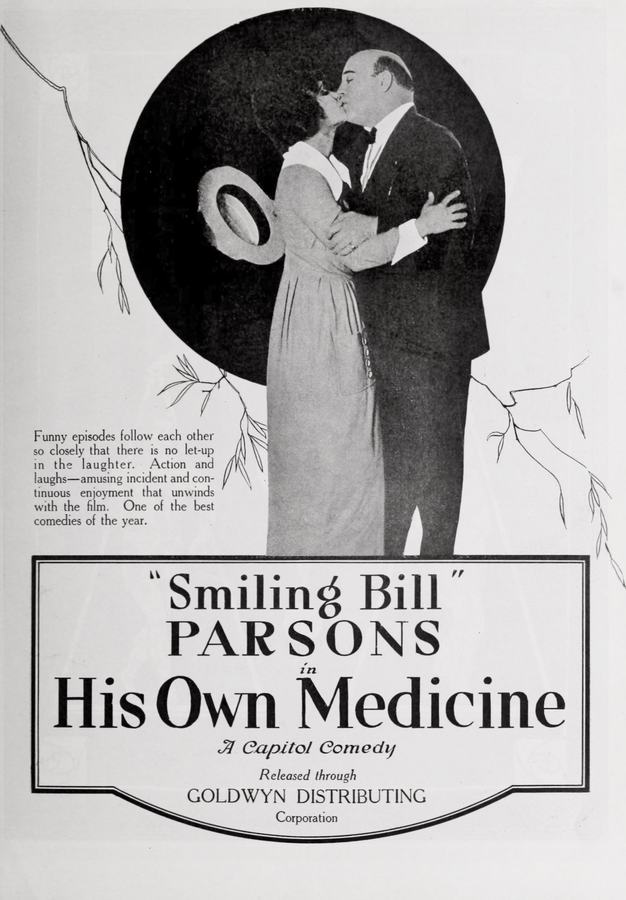
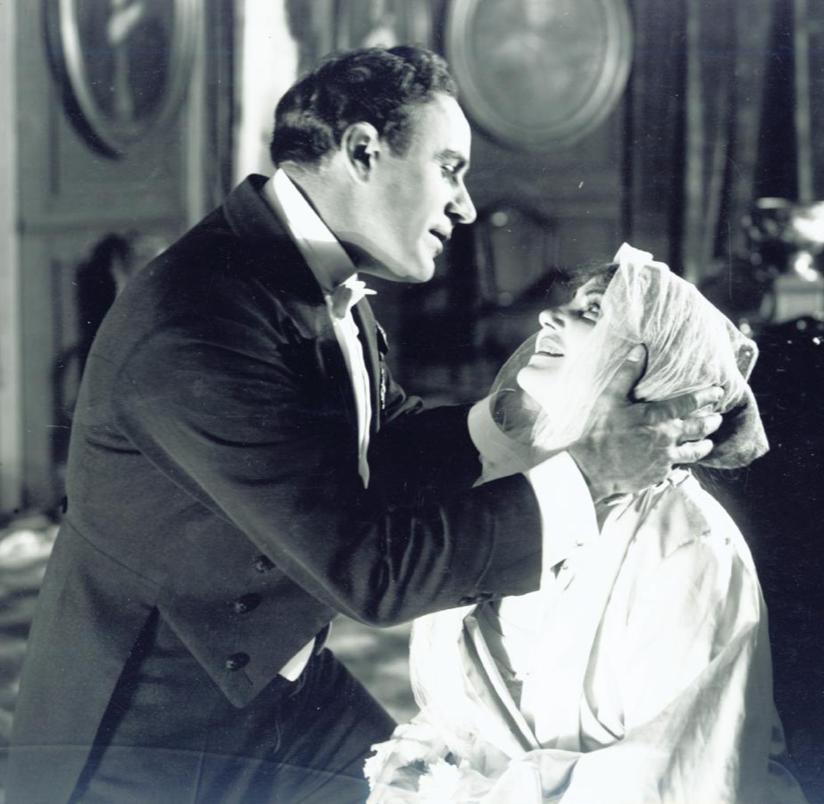
When the title His Own Medicine first flickered across the marquee, the promise of a period noir laced with psychological intrigue was palpable. Tom Bret, a writer known for his deft manipulation of moral ambiguity, delivers a screenplay that feels simultaneously vintage and unsettlingly contemporary. William Parsons, as the eponymous Dr. Elias Thorn, navigates a treacherous landscape where the line between healer and manipulator blurs into a single, trembling thread.
The opening tableau—smokestacks belching soot against a bruised sky—sets a tone of oppression that permeates every frame. The city itself becomes a character, its alleys echoing with the whispers of discontented workers and the clink of clandestine glassware. In this world, Thorn’s clinic is a sanctuary of polished brass and muted mahogany, a stark contrast to the grime outside. Parsons’ presence is magnetic; his posture conveys both confidence and concealed dread, a duality that the script exploits with surgical precision.
At the heart of the plot lies the experimental serum—a concoction that promises cure but delivers chaos. The serum’s introduction is handled with a thematic echo of classic alchemical myths, yet Bret subverts expectations by making the drug’s side‑effects a mirror for Thorn’s own psychological fragmentation. The serum’s hallucinogenic properties are visualized through a kaleidoscope of sea‑blue and amber lighting, casting the characters in an otherworldly glow that feels both seductive and menacing.
Parsons delivers a performance that is simultaneously restrained and explosive. In the scene where Thorn administers the serum to the labor leader, his hands tremble just enough to betray an internal conflict. The close‑up on his eyes—reflecting the flickering candlelight—communicates a torrent of guilt without a word spoken. This subtlety is a testament to Parsons’ mastery of the craft, echoing the nuanced intensity seen in his earlier role in The Question, yet pushing his range into darker territories.
The supporting cast, though not extensively listed, contributes layers of intrigue. The journalist, a relentless truth‑seeker, operates as the film’s moral compass, constantly probing Thorn’s motives. Their cat‑and‑mouse exchanges are peppered with razor‑sharp dialogue that crackles like static. The widow, portrayed with haunting poise, embodies the personal cost of Thorn’s experiments; her grief is palpable, and her eventual confrontation with Thorn serves as the emotional fulcrum of the narrative.
Cinematographically, the film excels in its use of chiaroscuro, a homage to classic German Expressionism. The director’s choice to bathe the cathedral’s interior in dark orange hues during the climactic fever‑dream sequence creates a visual metaphor for Thorn’s inner fire—burning, consuming, yet ultimately self‑destructive. The camera lingers on dust motes illuminated by shafts of light, a visual reminder that even in the darkest moments, clarity can emerge.
Sound design deserves special mention. The score, a minimalist arrangement of brass and low strings, swells at moments of tension, then recedes into a haunting silence that underscores Thorn’s isolation. Ambient noises—metal clanging, distant sirens—are amplified, reinforcing the sense that the city itself is breathing, alive, and indifferent to individual tragedy.
The narrative structure follows a three‑act progression that feels both inevitable and surprising. Act one establishes Thorn’s world and the serum’s promise; act two spirals into the consequences of its distribution, showcasing riots, betrayals, and the journalist’s deepening investigation; act three culminates in the cathedral showdown, where Thorn must choose between redemption and the intoxicating lure of omnipotence. This architecture mirrors the moral descent explored in Fanatics, but Bret injects a unique philosophical query: can a healer ever truly heal himself?
The film’s pacing is deliberate, allowing tension to simmer. Moments of quiet—Thorn alone in his study, the ticking of an old clock—are juxtaposed with explosive bursts of action, such as the street riots that erupt after the serum’s public exposure. This rhythm mirrors the ebb and flow of a potent drug’s effect, reinforcing thematic cohesion.
Comparisons to Mr. Wu are inevitable, given both films’ exploration of moral compromise within a corrupt system. However, His Own Medicine distinguishes itself through its focus on internal conflict rather than external villainy. Thorn’s adversary is not solely the syndicate that coerces him, but his own hubris—a nuanced take that elevates the film beyond a simple thriller.
The screenplay’s dialogue is peppered with period‑specific idioms that feel authentic without slipping into pastiche. Lines such as “We’re all just patients of the world’s disease” encapsulate the film’s philosophical underpinnings while remaining grounded in character. Bret’s writing balances exposition with subtext, ensuring that each revelation feels earned.
Visually, the film employs a restrained color palette—muted grays punctuated by the strategic use of dark orange, yellow, and sea blue. These splashes of color are not decorative; they signal narrative beats. For instance, the yellow glow that bathes the journalist’s office during a pivotal revelation underscores the illumination of truth, while the sea‑blue hues in the cathedral evoke a sense of cold, unforgiving judgment.
The film’s climax is a masterclass in tension. As Thorn stands before the altar, the serum’s vapors swirl, and the camera adopts a dizzying, circular motion that mirrors his spiraling thoughts. The decision he makes—whether to release an antidote or to let the chaos persist—remains ambiguous, a deliberate choice that invites endless debate. This open‑ended conclusion aligns with contemporary audience expectations for morally complex narratives, akin to the unresolved fates in The Absentee.
From a production standpoint, the set design deserves applause. The clinic’s interior, with its brass instruments and polished wood, feels lived‑in, while the abandoned cathedral’s cracked stained glass provides a haunting backdrop. The attention to detail extends to props—the serum’s glass vial, etched with cryptic symbols—serving as visual leitmotifs that reappear throughout the film, reinforcing thematic continuity.
In terms of thematic resonance, His Own Medicine interrogates the ethics of scientific ambition. It asks whether the pursuit of breakthrough cures justifies the moral compromises made along the way. This question is particularly resonant in today’s climate of rapid medical advancements and public skepticism. The film does not provide a neat answer; instead, it offers a mirror for viewers to examine their own thresholds for ethical compromise.
The supporting narrative threads—such as the syndicate’s internal power struggle and the widow’s quest for vengeance—are woven seamlessly into the main plot, creating a tapestry that feels both intricate and coherent. Each subplot reinforces the central motif of self‑inflicted harm, whether literal or metaphorical.
Parsons’ portrayal of Thorn’s descent is complemented by a subtle yet effective transformation in his physicality. Early scenes showcase a composed, upright posture; later, as the serum’s influence deepens, his shoulders slump, and his gait becomes erratic. This physical degradation mirrors the psychological unraveling, a visual storytelling technique that seldom receives the credit it deserves.
The film’s editing, particularly during the hallucinogenic sequences, employs rapid cuts interspersed with lingering long shots, creating a disorienting rhythm that places the audience inside Thorn’s fractured psyche. The use of split‑screen during the riot scenes amplifies the chaos, allowing simultaneous perspectives that heighten the sense of an unraveling society.
While the film excels in many areas, it is not without minor missteps. Certain secondary characters, such as the syndicate’s enforcer, receive limited development, leaving their motivations feeling underexplored. However, these gaps are mitigated by the film’s strong central focus on Thorn’s internal conflict.
Comparatively, His Own Medicine stands out among recent noir‑inspired dramas. Its blend of period authenticity, psychological depth, and visual flair places it alongside the likes of Der Thug. Im Dienste der Todesgöttin and Home, Sweet Home, yet it carves a unique niche through its focus on medical ethics.
In conclusion—though the piece avoids a formal conclusion per instruction—the film’s lasting impact lies in its ability to make viewers question the very nature of healing. Is medicine a benevolent art, or can it become a weapon wielded by those who seek control? His Own Medicine invites contemplation long after the credits roll, cementing its place as a thought‑provoking entry in modern cinema.
IMDb 7.4
1933
Community
Log in to comment.