DbcultAccessing Vault...
Cult Review
Senior Film Conservator
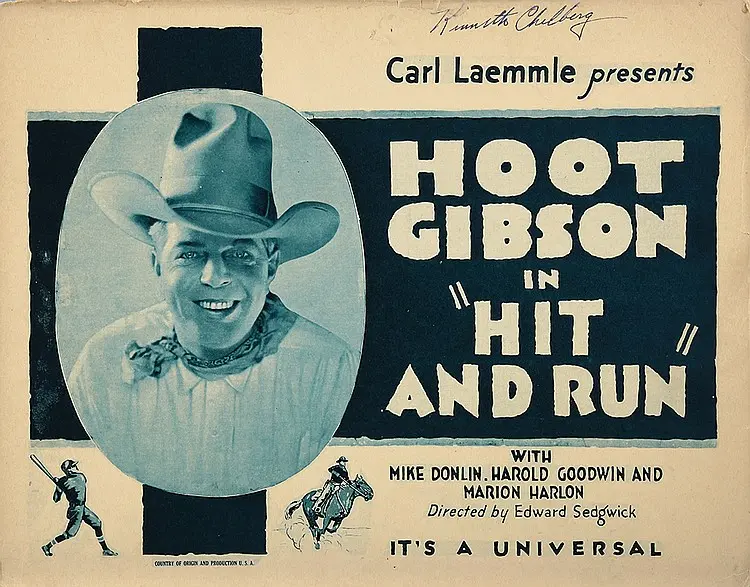
Step back into the roaring twenties, a decade of unprecedented change and burgeoning cultural phenomena, where the silver screen was still finding its voice, yet speaking volumes through pantomime and poignant intertitles. It was within this vibrant, experimental era that Raymond L. Schrock and Edward Sedgwick penned a narrative that would blend the rugged individualism of the American West with the burgeoning national pastime: baseball. Their creation, the 1924 silent film Hit and Run, starring the inimitable Hoot Gibson, is far more than a simple sports flick; it’s a fascinating cultural artifact, a comedic melodrama that explores themes of raw talent, the corrupting influence of commercialism, and the enduring allure of the underdog.
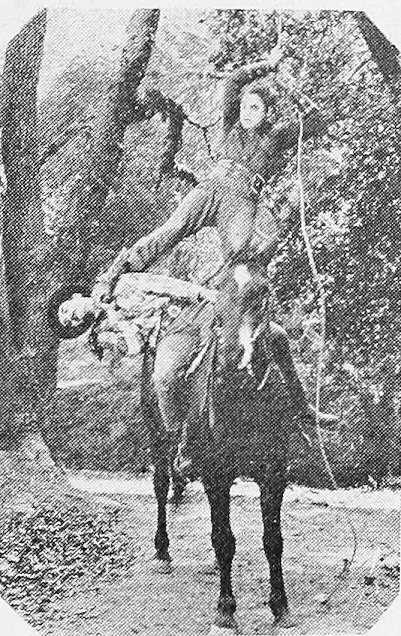
At the heart of this cinematic endeavor is "Swat" Anderson, portrayed with charismatic earnestness by Hoot Gibson. Anderson is introduced not as a polished athlete, but as a force of nature from a sleepy, dusty town. His natural habitat is the wide-open range, yet his extraordinary gift manifests on the local baseball diamond. The very premise of his talent is wonderfully hyperbolic: a ball struck by Swat's bat travels such impossible distances that a man on horseback is dispatched for its retrieval. This image alone perfectly encapsulates the film's charm – a delightful blend of Western exaggeration and burgeoning sports mythology. Gibson, with his authentic cowboy swagger, makes this premise entirely believable, grounding the fantastical within his established persona. He’s not just hitting a ball; he’s launching it into legend, a rustic Hercules wielding a Louisville Slugger.
This unparalleled hitting prowess, naturally, cannot remain confined to the provincial leagues. The narrative quickly propels Swat into the orbit of professional baseball, where a major league scout, ever on the hunt for the next big sensation, spots his raw, untamed talent. The transition from small-town hero to big-city prospect is a classic fish-out-of-water trope, but one that Hit and Run executes with a refreshing innocence. Swat's journey mirrors that of countless young men lured by the promise and glamor of professional sports, a dream factory that was, even in the 1920s, a powerful cultural engine. However, the film wisely introduces a crucial, humanizing flaw: while Swat can hit like a demigod and run the bases with blinding speed, his defensive skills are, to put it mildly, nonexistent. He can’t catch a ball to save his life, transforming him from an infallible titan at the plate into a precarious liability in the field. This singular imperfection serves as a clever narrative device, providing both comedic relief and a critical vulnerability that the film’s antagonists will ruthlessly exploit.
The arrival of Swat Anderson in the big leagues, with his undeniable talent and glaring weakness, creates a perfect storm for the film’s central conflict. Enter the insidious world of professional gamblers, a cabal of unscrupulous figures who view sport not as a contest of skill and spirit, but as a vehicle for illicit profit. Their machinations represent the darker underbelly of burgeoning commercial entertainment, a theme that resonates even today. These antagonists, driven by avarice, identify Swat’s unique blend of extraordinary offensive power and defensive ineptitude as a strategic vulnerability to be manipulated. Their plan is simple, yet audacious: kidnap Swat Anderson to ensure his team loses the championship series, thereby guaranteeing their bets pay off handsomely. This plot, while seemingly straightforward, carries significant thematic weight, touching upon the fragility of integrity in the face of overwhelming greed. It highlights how external forces can conspire to corrupt the purest forms of competition, turning heroes into pawns.
The tension builds as the championship series approaches, with Swat's absence becoming a critical factor. The narrative cleverly uses this abduction to explore the resilience of the human spirit and the importance of loyalty, even among a team of disparate individuals. The film, despite its silent nature, manages to convey the palpable stakes involved, both for Swat personally and for the integrity of the game itself. The depiction of the gamblers, while perhaps broad by modern standards, effectively portrays the corrupting influence they represent, a stark contrast to the wholesome, albeit flawed, heroism of Anderson. For a contemporary comparison in themes of deception and manipulation, one might consider the intricate schemes at play in films like Trompe-la-Mort, where characters navigate a labyrinth of moral ambiguity for personal gain, albeit in a vastly different European context. Here, the stakes are the simple, honest thrill of the game.
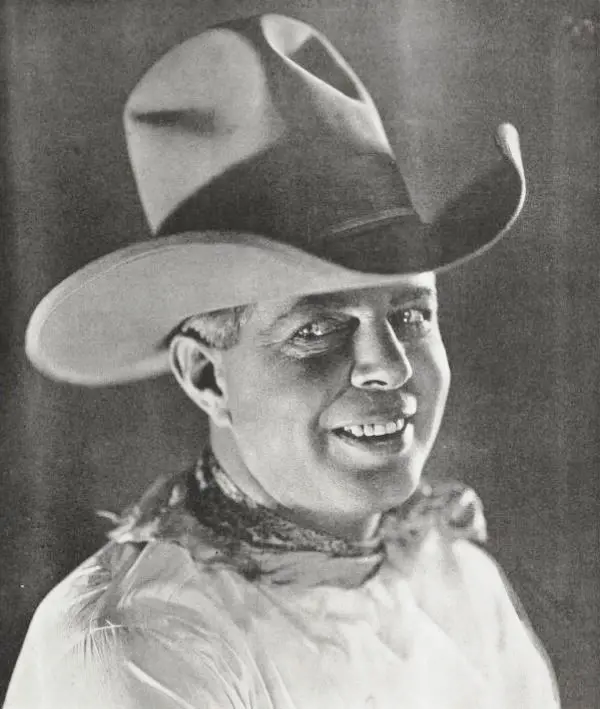
Hoot Gibson, a true icon of the silent era Western, brings an unparalleled authenticity to the role of Swat Anderson. Known for his genuine cowboy skills – he was a rodeo champion before becoming a movie star – Gibson seamlessly translates his rugged charm and physical dexterity to the baseball diamond. His performance is a masterclass in silent film acting: expressive facial gestures, broad physical comedy, and an underlying sincerity that makes Swat incredibly endearing. Gibson doesn't just play a cowboy who plays baseball; he embodies the spirit of the Western hero transplanted into a new arena. His Swat Anderson is an archetype: the honest, strong, slightly naive man from the frontier grappling with the complexities and moral ambiguities of urban life and professional sport. This persona was a significant draw for audiences, who saw in Gibson a reflection of enduring American values.
The film cleverly leverages Gibson’s established image, using his familiarity with horses and open spaces to underscore Swat’s rural roots. Even the comedic element of retrieving a ball on horseback ties directly into Gibson’s star persona. This blending of genres – the Western and the sports drama – was a shrewd move, offering audiences a novel experience while capitalizing on the popularity of both. Gibson’s physicality is crucial throughout, whether he's swinging the bat with Herculean force or comically fumbling a fly ball. His presence elevates what could have been a simple genre piece into a memorable character study, showcasing his range beyond just riding and shooting. For those familiar with early cinematic portrayals of heroes from humble beginnings, Gibson's Swat Anderson might evoke comparisons to characters in films like An Overall Hero, where an ordinary person rises to extraordinary circumstances, often through sheer force of character and a touch of serendipity.
Hit and Run serves as an excellent example of silent film storytelling at its most effective. Without dialogue, the filmmakers relied heavily on visual cues, character expressions, body language, and carefully crafted intertitles to convey plot and emotion. The pacing of the film is deliberate, allowing the audience to absorb the nuances of each scene. The baseball sequences, in particular, are dynamically shot, utilizing clever camera angles and editing to build excitement and convey the thrill of the game. The sheer spectacle of Swat's powerful hits, coupled with the frantic chase to retrieve the ball, is a testament to the ingenuity of silent cinema. The film’s ability to generate tension during the kidnapping plot, and then relief upon Swat’s eventual escape, speaks volumes about its narrative construction.
The use of intertitles is sparse but impactful, providing necessary dialogue and exposition without bogging down the visual flow. This economy of language forces the audience to engage more deeply with the visuals, interpreting emotions and intentions from the actors' performances. The film also employs common silent film tropes, such as exaggerated reactions and clear-cut good-versus-evil characterizations, which were highly effective for the audiences of the era. The portrayal of the gamblers, for instance, is unmistakable in its villainy, leaving no doubt about their nefarious intentions. This directness, far from being a weakness, is a strength, allowing the narrative to move swiftly and clearly toward its climactic resolution. The film's structural integrity and its commitment to clear, concise visual storytelling make it a compelling watch even for modern viewers accustomed to dialogue-heavy productions.
Beyond the thrilling action and comedic elements, Hit and Run delves into several profound themes that remain relevant today. The most prominent is the clash between purity and corruption. Swat Anderson represents the untainted, natural talent, a symbol of the American ideal of meritocracy and hard work. His humble origins and straightforward demeanor stand in stark contrast to the conniving, sophisticated world of the gamblers, who embody the corrupting influence of money and illicit schemes. This dichotomy is a timeless narrative, exploring how the innocent can be exploited by the cynical. The film implicitly champions the underdog and the integrity of fair play, presenting a moral fable wrapped in a sports drama.
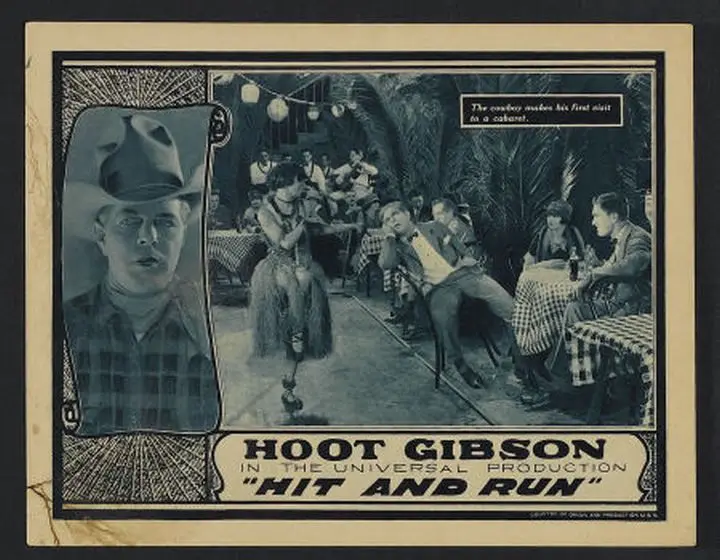
Another significant theme is the rural versus urban divide. Swat's transition from his pastoral home to the bustling, competitive city highlights the cultural shock and ethical challenges faced by many in an era of rapid urbanization. His cowboy sensibilities, while endearing, also make him vulnerable to the more sophisticated treachery of the city. This theme was particularly resonant in the 1920s, as America grappled with its shifting identity from an agrarian nation to an industrial powerhouse. The film's portrayal of the local community, perhaps reminiscent of the idyllic setting in The Little Church Around the Corner, contrasts sharply with the cutthroat world of professional sports and gambling, emphasizing the innocence that can be lost in the pursuit of success.
Furthermore, the film subtly touches upon the concept of vulnerability as a humanizing trait. Swat’s inability to catch, while a comedic plot device, prevents him from being an invincible, one-dimensional hero. It makes him relatable and adds stakes to his journey. His flaw makes him susceptible to the gamblers' plot, forcing him to rely on his wits and the kindness of others, rather than just his physical prowess. This complexity elevates the character beyond a simple caricature of strength. The film also examines the allure and dangers of gambling, a pervasive societal issue that found its way into many narratives of the era. The moral implications of betting on sports, and the lengths to which some will go to fix outcomes, are central to the plot. In this regard, it shares a thematic thread with films like Youthful Cheaters, which likely explored the pitfalls and moral quagmires associated with dishonest practices and the pursuit of quick, ill-gotten gains.
While silent films often highlighted their stars, the foundational work of the writers, Raymond L. Schrock and Edward Sedgwick, cannot be overstated. Their screenplay for Hit and Run demonstrates a keen understanding of popular appeal, blending elements of comedy, drama, and action into a cohesive and entertaining whole. They crafted a narrative that was both accessible and engaging, tapping into the public's growing fascination with both Westerns and professional sports. The plot is tightly constructed, with each development logically following the last, building suspense towards the inevitable climax of the championship game and Swat's dramatic return. Their ability to weave a compelling story without the aid of spoken dialogue speaks volumes about their skill in visual storytelling and character development.
The writers understood the power of archetypes and how to adapt them for a mass audience. Swat Anderson is not just a character; he’s a symbol of American resilience and ingenuity. The gamblers, too, are archetypal villains, clear-cut in their motivations, which served the narrative well in the silent era. The pacing of the story, with its rising action, moments of peril, and eventual triumph, is a testament to their mastery of dramatic structure. Even without knowing the intricacies of the directorial choices, it’s clear that the script provided a robust framework for a director to bring to life. The clarity of the plot, the distinctiveness of the characters, and the universal appeal of its themes are all hallmarks of solid screenwriting, proving that even in the absence of sound, a well-told story is paramount.
Today, Hit and Run might not be as widely recognized as some other silent classics, yet it deserves significant reappraisal. It offers a unique window into the cultural landscape of the 1920s, showcasing the nascent stages of professional sports, the enduring appeal of the cowboy hero, and the innovative storytelling techniques of the silent film era. For film historians and enthusiasts, it provides a valuable example of how genres were blended and how stars like Hoot Gibson transcended their established personas to tackle diverse roles.
The film’s blend of lighthearted comedy, dramatic tension, and moralistic undertones makes it a surprisingly engaging watch. It reminds us that fundamental human stories—of talent discovered, integrity challenged, and justice ultimately prevailing—are timeless, transcending technological limitations. While the cinematic language has evolved dramatically since 1924, the core appeal of a hero overcoming adversity, especially when his greatest strength is juxtaposed with a glaring weakness, remains potent. Hit and Run is more than just a historical curiosity; it's a vibrant, entertaining piece of cinematic Americana that speaks to the enduring power of a good story, told with wit, charm, and a whole lot of heart. It’s a testament to the fact that even without a single spoken word, a film can hit you right where it counts, leaving a lasting impression long after the final reel.
IMDb 5.7
1933
Community
Log in to comment.