DbcultAccessing Vault...
5.8/10
Senior Film Conservator
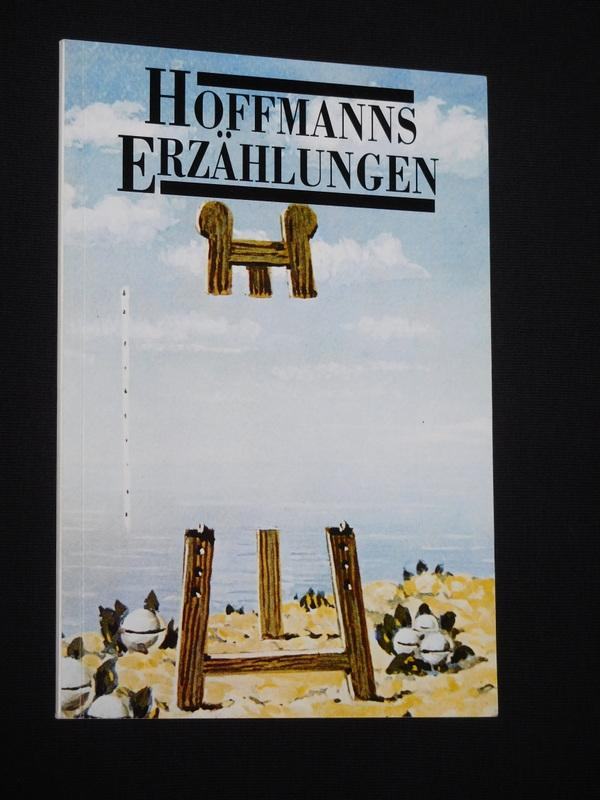
A definitive 5.8/10 rating for a film that redefined the boundaries of cult cinema. Hoffmanns Erzählungen remains a cornerstone of transgressive art.
Stepping into the spectral embrace of Josef B. Malina’s 1923 silent film, Hoffmanns Erzählungen (Hoffmann’s Tales), is akin to traversing a dreamscape woven from the very fabric of E.T.A. Hoffmann’s darkest romanticism. This cinematic endeavor, a remarkably ambitious undertaking for its era, doesn't merely adapt the source material; it endeavors to translate the very essence of Hoffmann's literary genius onto the silver screen, capturing the poet's penchant for the uncanny, the melancholic, and the profoundly psychological. As a discerning eye might observe, this film is not just a narrative retelling but a visual poem, a haunting ballet of light and shadow that predates and perhaps even influences later expressions of German Expressionism. The film's enduring power lies in its ability to evoke a world where the boundaries between reality and illusion are perpetually blurred, a theme that resonates with a timeless, unsettling clarity.
The film, like its operatic and literary predecessors, unfolds as a triptych, each segment delving into a distinct, tragic love affair of the poet Hoffmann, portrayed with a compelling blend of vulnerability and artistic fervor by Friedrich Feher. His performance is a masterclass in silent film acting, conveying volumes through subtle gestures and intensely expressive eyes. The narrative commences with the tale of Olympia, a mesmerizing automaton whose mechanical perfection captivates Hoffmann’s heart. This segment is a profound meditation on the allure of the artificial, the danger of idealizing an inanimate object, and the manipulative prowess of the sinister Coppelius, a recurring antagonist played with chilling effectiveness by Paul Askonas. Askonas, in his various guises throughout the film, embodies the malevolent forces that prey upon Hoffmann's artistic sensibilities and romantic vulnerabilities. The visual design here is striking; Olympia’s almost unsettling grace, her flawless movements, and her vacant stare are rendered with an eerie beauty that underscores the tragedy of Hoffmann’s deluded affection. One cannot help but draw parallels to the tragic figures in other silent melodramas, though few delve into the psychological depths of artificial love with such conviction. The mechanical doll motif, while perhaps not unique, is executed with a disturbing elegance that makes Olympia a truly unforgettable, albeit inanimate, character.
The second act transports us to the opulent yet treacherous canals of Venice, where Hoffmann encounters Giulietta, a courtesan of bewitching charm and dangerous intentions. This chapter, perhaps the most visually sumptuous, is a gothic romance draped in shadows and intrigue. Under the spell of the insidious Dr. Dapertutto, another manifestation of Askonas’s villainy, Hoffmann is lured into a Faustian bargain, surrendering his very reflection. This loss of his mirror image is a potent symbol of his descent into moral and existential compromise, a relinquishing of selfhood to a vampiric seduction that leaves him hollowed out. The Venetian setting, with its atmospheric grandeur and hidden dangers, serves as a magnificent backdrop for this tale of illusion and loss. The cinematography here is particularly noteworthy, utilizing deep shadows and dramatic angles to heighten the sense of impending doom and moral decay. The psychological toll of such a loss, the literal and metaphorical stripping away of one's identity, is conveyed with a poignant intensity that transcends the limitations of silent storytelling. It reminds one of the profound character transformations seen in films like The Vow, but with a distinctly darker, more gothic edge.
Finally, the narrative culminates in the heart-wrenching tale of Antonia, a gifted singer whose delicate health prevents her from pursuing her passion. Here, Hoffmann strives to liberate his beloved from the clutches of the sinister Dr. Miracle, yet another guise for Askonas, whose 'cure' is a harbinger of doom, threatening to silence her celestial voice forever. Dagny Servaes, as Antonia, embodies a fragile beauty and tragic grace, her performance radiating both vulnerability and an ethereal strength. This segment delves into the themes of artistic sacrifice, the destructive nature of obsession, and the malevolent interference that seeks to extinguish pure talent. The visual metaphor of a voice being literally stolen, or a life force being drained, is rendered with a powerful, almost operatic intensity. The emotional stakes are at their highest here, as Hoffmann confronts the ultimate loss, not of an illusion, but of a genuine, albeit fated, love. The tragic romance of Antonia and Hoffmann resonates with the doomed passions found in works like Les Misérables, Part 2: Fantine, though Hoffmanns Erzählungen infuses it with a supernatural dread.
What truly elevates Hoffmanns Erzählungen beyond a mere curiosity of early cinema is its extraordinary visual grammar. The film’s aesthetic leans heavily into the nascent German Expressionist movement, employing dramatic contrasts of light and shadow, distorted sets, and stylized gestures to create a world that is both visually stunning and psychologically oppressive. The set designs, though perhaps not as overtly angular as those in The Cabinet of Dr. Caligari, nonetheless contribute to an atmosphere of unreality and impending dread. The use of chiaroscuro is masterful, sculpting faces and environments with stark intensity, drawing the viewer into Hoffmann’s subjective reality. Every frame feels meticulously composed, each shadow strategically placed to heighten the dramatic tension or underscore a character's internal conflict. This meticulous attention to visual detail is a testament to the filmmakers' understanding of silent cinema's unique expressive potential.
The performances across the board are commendable, showcasing the distinct style of acting prevalent in the silent era. Friedrich Feher’s Hoffmann is the emotional anchor, his nuanced portrayal of a poet consumed by his own romantic ideals and tormented by external forces is genuinely moving. He manages to convey a complex emotional landscape without uttering a single word, relying on his physicality and profound facial expressions. Paul Askonas, in his chameleon-like roles as Coppelius, Dapertutto, and Miracle, is a standout. His ability to embody multiple facets of malevolent manipulation, each with its own subtle variations yet unified by an underlying sinister quality, is truly remarkable. He transforms not just his appearance but his entire demeanor, making each villain feel distinct yet intrinsically linked to Hoffmann's recurring misfortunes. The supporting cast, including Hans Moser, Eugen Neufeld, and Dagny Servaes, all contribute to the rich tapestry of characters, each delivering performances that are both period-appropriate and emotionally resonant. Servaes, in particular, imbues Antonia with a poignant fragility that makes her fate all the more tragic. The ensemble's commitment to the heightened reality of the film ensures that the fantastical elements land with genuine emotional weight.
Hoffmanns Erzählungen stands as a significant, though perhaps lesser-known, achievement in early German cinema. Its thematic depth, exploring the nature of love, illusion, loss, and the artist's struggle, transcends its historical context. The film delves into the very human desire for an ideal, often at the expense of reality, and the recurring confrontations with forces that seek to exploit or destroy that pursuit. The adaptation of E.T.A. Hoffmann’s intricate, often surreal narratives, originally conceived by Hoffmann himself and later adapted by Jules Barbier for the operatic stage, is handled with a remarkable fidelity to their spirit. Josef B. Malina, as one of the writers, clearly understood the profound psychological undercurrents of the source material, ensuring that the film’s narrative retained its allegorical power. This is a film that rewards careful viewing, revealing new layers of meaning with each revisit.
Comparing it to other works of the era, Hoffmanns Erzählungen holds its own as a unique blend of gothic romance and proto-Expressionist art. While not as overtly political or socially conscious as some contemporary films, its exploration of internal states and fantastical elements places it firmly within a tradition of cinematic escapism and psychological drama. The film's influence, while subtle, can be traced in later productions that explore similar themes of identity and manipulation, though few capture the same dreamlike quality with such consistent artistic vision. It offers a fascinating glimpse into the creative ferment of the Weimar Republic's film industry, demonstrating a willingness to tackle complex literary works with innovative visual techniques.
In conclusion, Hoffmanns Erzählungen is a compelling, visually rich experience that deserves wider recognition. It is a testament to the power of silent cinema to convey profound emotional and philosophical ideas without the aid of spoken dialogue. The film’s commitment to its source material, combined with its striking aesthetic and powerful performances, creates a truly immersive and unforgettable journey into the heart of poetic despair and the allure of the fantastic. For enthusiasts of silent film, gothic literature, or simply those who appreciate cinematic artistry that transcends temporal boundaries, this 1923 masterpiece is an essential viewing. It’s a haunting echo from a bygone era, yet its themes and visual splendor resonate with an enduring potency, proving that some tales, like some dreams, are truly timeless. The meticulous restoration of such films allows us to appreciate the artistry and innovation of these early cinematic pioneers, ensuring that their contributions to the art form are not lost to the ravages of time. It’s a film that lingers in the mind long after the final frame, much like a half-remembered dream or a haunting melody, a true gem in the crown of silent cinema history. Its place within the canon of early fantastic cinema is undeniable, offering a profound journey into the human psyche's most whimsical and melancholic corners.
IMDb —
1929
Community
Log in to comment.