DbcultAccessing Vault...
Cult Review
Senior Film Conservator
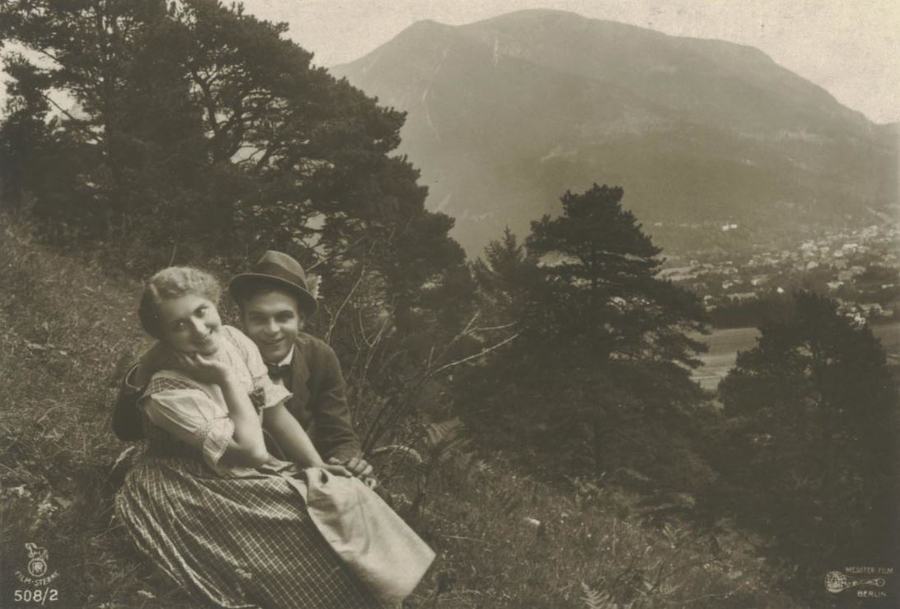
Step back into the nascent days of cinematic artistry, to a period when narratives unfolded not through spoken dialogue but through the eloquent language of gesture, expression, and the potent symbolism of the visual frame. Siegfried Philippi’s 1917 German silent film, Höhenluft, or 'High Altitude Air', emerges from this era as a compelling testament to the power of escapism and personal transformation. Far from a mere period piece, this film, even a century after its premiere, resonates with an enduring thematic relevance, exploring the perennial human yearning for liberation from societal strictures and the rejuvenating embrace of nature.
At its heart is the luminous Henny Porten, a titan of early German cinema, whose portrayal of Elsa von Brandis anchors the film with a profound emotional depth. Porten, known for her captivating presence and nuanced performances, imbues Elsa with a delicate fragility that belies an inner fortitude. We meet Elsa in the suffocating milieu of Berlin’s upper echelons, a world of intricate social rituals and unspoken expectations that serve as an invisible, yet impenetrable, cage. Her proposed union with Baron von Rheinfeld, deftly played by Reinhold Schünzel with a veneer of urbane charm that thinly disguises a calculating self-interest, epitomizes the societal pressures that threaten to extinguish Elsa’s spirit. Schünzel, even in this early role, hints at the sophisticated villainy he would perfect in later years, making the Baron a formidable, if subtly menacing, antagonist.
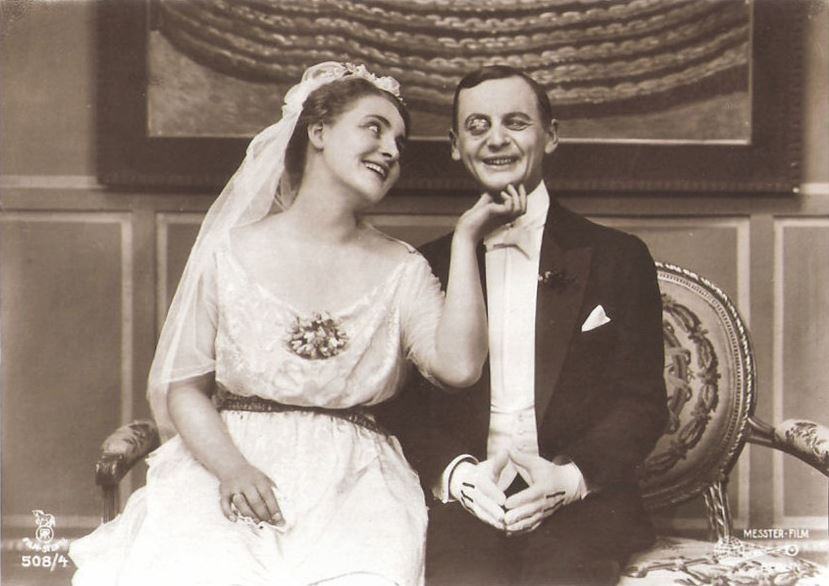
The film’s opening sequences masterfully establish Elsa’s languid despair. Her posture, the subtle downturn of her lips, the distant quality in her eyes – all convey a woman slowly fading under the weight of an unarticulated sorrow. It is a brilliant example of how silent cinema, when wielded by skilled performers and directors, could communicate complex psychological states without a single word. Dr. Werner, portrayed by Rudolf Biebrach with a kindly gravitas, serves as the narrative’s catalyst, prescribing not merely a change of scenery but a radical shift in environment – the invigorating 'Höhenluft' of the Bavarian Alps. This prescription is more than medical; it is a symbolic directive for spiritual renewal, a call to shed the stifling layers of urban artifice for the raw authenticity of the natural world.
The journey to the sanatorium, accompanied by Emmy Wyda’s wonderfully flustered Lieschen, provides a charming contrast. Lieschen’s initial bewilderment at the rustic mountain life serves as a humorous counterpoint to Elsa’s quiet introspection, highlighting the chasm between their respective worlds and the quaint charm of the mountain setting. Upon arrival, the stark beauty of the Alps, captured through early cinematic techniques that, while rudimentary by today’s standards, effectively convey majesty, begins its transformative work. The sanatorium itself, presided over by Lupu Pick’s stern yet observant Herr Gruber, is a microcosm of a simpler, more grounded existence. Pick, a formidable character actor and later an influential director of Kammerspielfilm, brings a quiet intensity to Gruber, hinting at a deep understanding of human nature beneath a reserved exterior.
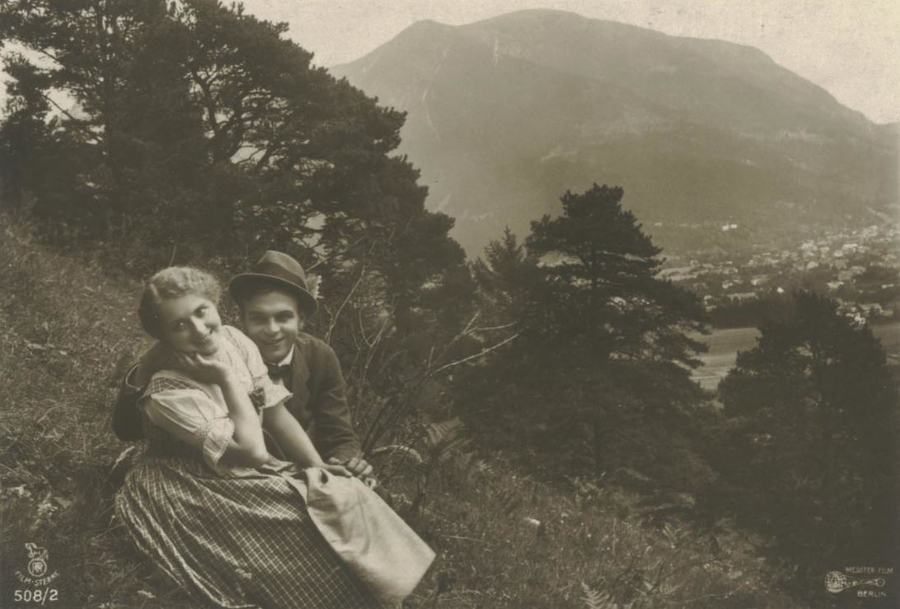
It is in this pristine environment that Elsa encounters Klaus Richter, the enigmatic artist played by Paul Hartmann. Hartmann’s portrayal of Klaus is one of rugged independence and artistic sensitivity, a stark contrast to the polished duplicity of the Baron. Their initial interactions are marked by a cautious curiosity, a silent dialogue between two souls from disparate worlds finding common ground in the shared solitude of the mountains. The blossoming of their connection is depicted with a delicate tenderness, relying on lingering gazes, shared moments of quiet contemplation amidst nature, and the unspoken language of nascent affection. This romance feels organic, born not of societal convenience but of genuine spiritual resonance, a love untainted by the calculating machinations of the city.
The tranquility, however, is destined to be short-lived. The intrusion of Baron von Rheinfeld shatters the idyllic peace, bringing with him the suffocating atmosphere Elsa had sought to escape. His relentless pursuit, driven by a desire to reclaim both Elsa and her considerable inheritance, introduces a palpable tension. The Baron’s attempts to discredit Klaus and manipulate Elsa back into her pre-ordained life are insidious, reflecting the societal power dynamics of the era. This conflict highlights the film's broader commentary on the restrictive nature of class and wealth, a theme subtly explored in other films of the period, such as The House of Lies, where societal facades often conceal deeper truths and manipulations. The Baron represents the old order, clinging to its prerogatives, while Elsa and Klaus embody a nascent desire for individual freedom and authentic connection.
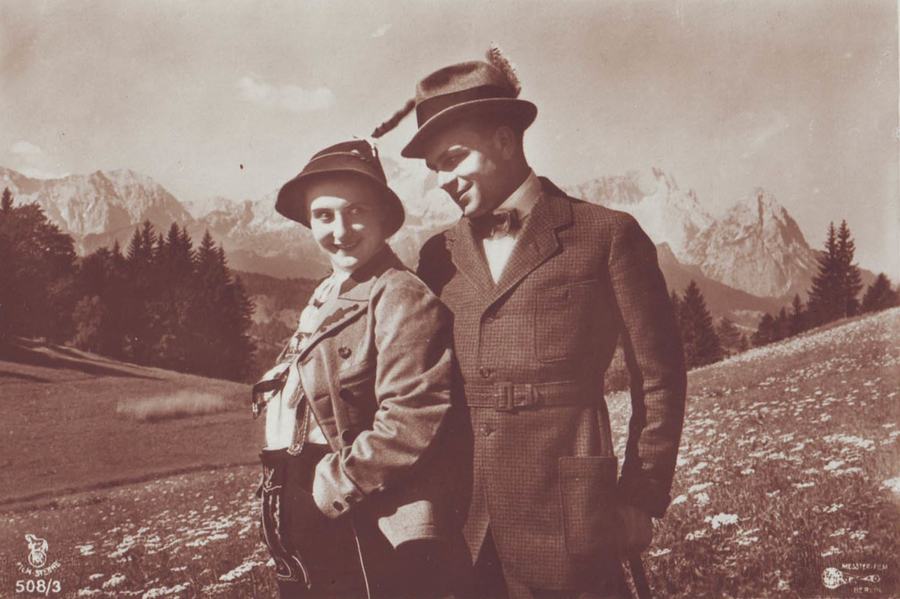
The climax of Höhenluft is a masterful convergence of personal drama and environmental grandeur. As Elsa is forced to confront the Baron’s machinations and choose between her past and her burgeoning future with Klaus, the alpine setting becomes more than just a backdrop; it transforms into an active participant in her journey. One can imagine a dramatic sequence – perhaps a perilous mountain ascent, a treacherous storm, or a public confrontation – where Elsa’s resolve is tested to its limits. The raw, untamed power of the mountains mirrors the burgeoning strength within Elsa, providing a visual metaphor for her internal struggle and ultimate triumph. The film’s ability to weave the natural world into the fabric of its character’s emotional arc is particularly noteworthy, predating by decades the sophisticated landscape cinematography seen in later works.
The performances across the board are commendable for their era. Henny Porten, of course, is the anchor, her expressive eyes conveying volumes of unspoken emotion. She navigates Elsa’s transformation from a wilting flower to a woman of resolute strength with remarkable conviction. Reinhold Schünzel’s Baron is a study in subtle menace, a character whose villainy is more psychological than overtly physical, making him all the more unsettling. Paul Hartmann’s Klaus is a compelling romantic lead, embodying the untamed spirit of the mountains and offering a genuine alternative to Elsa’s constrained existence. Even the smaller roles, like Max Laurence’s Herr Schmidt, contribute to the tapestry of the mountain community, adding layers of authenticity to the setting.
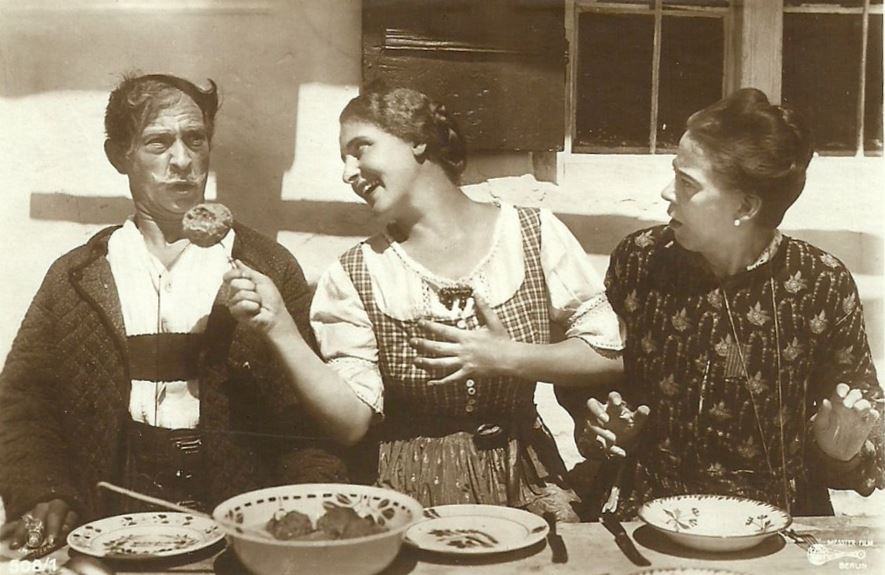
Siegfried Philippi’s direction, while adhering to the conventions of silent film, demonstrates a keen understanding of visual storytelling. The framing, the use of intertitles, and the pacing all contribute to a cohesive and emotionally resonant narrative. One can appreciate the nascent cinematic language being forged, where close-ups on Porten’s face amplify her internal turmoil, and wide shots of the alpine landscape emphasize the scale of Elsa’s escape and the promise of her new life. The film’s technical achievements, considering the limitations of 1917, are impressive, particularly in capturing the majesty of the mountain environment.
Thematically, Höhenluft is rich with layers. It is, at its core, a story of self-discovery, of a woman shedding the expectations of her class and embracing a more authentic existence. It explores the perennial tension between urban artifice and natural purity, a theme that has captivated artists and filmmakers for centuries. The 'Höhenluft' itself becomes a metaphor for clarity, renewal, and the freedom to breathe, both literally and figuratively. This notion of finding solace and a new identity away from the trappings of civilization echoes in various cinematic narratives, from the adventurous spirit of A Knight of the Range to the more introspective journeys of self-exile seen in films like The Love Hermit, albeit with vastly different settings and cultural contexts.
Moreover, the film offers a fascinating glimpse into the social mores of Imperial Germany. The rigid class structure, the importance of inherited wealth, and the limited agency of women within aristocratic circles are all subtly woven into the narrative fabric. Elsa’s rebellion, though perhaps not overtly political, is a powerful statement against these constraints, making her a proto-feminist figure in her own right. Her journey is a testament to the power of individual will against the crushing weight of institutionalized expectations, a narrative arc that continues to resonate with audiences today.
In an era when cinema was still finding its voice, Höhenluft stands out as a sophisticated and emotionally resonant work. It leverages the strengths of silent film – powerful performances, symbolic imagery, and evocative settings – to tell a story that is both deeply personal and universally appealing. For enthusiasts of early cinema, particularly German silent cinema, this film offers a valuable insight into the artistry and thematic preoccupations of the time. It reminds us that even without spoken words, the screen could convey profound human dramas, allowing audiences to project their own emotions and interpretations onto the compelling visuals.
The legacy of Höhenluft, like many films of its vintage, lies in its capacity to transport us to a different time and place, while simultaneously speaking to timeless human experiences. It is a story of finding oneself, of daring to break free from the chains of expectation, and of the transformative power of love and nature. Henny Porten's performance alone makes it a worthwhile cinematic endeavor, but the film's broader narrative ambition and its evocative portrayal of a woman's journey to self-liberation elevate it beyond mere historical curiosity. It remains a poignant reminder of the enduring allure of the silent screen and the universal quest for one's own 'high altitude air' – a place of clarity, freedom, and authentic selfhood.
IMDb —
1928
Community
Log in to comment.