DbcultAccessing Vault...
5.8/10
Senior Film Conservator
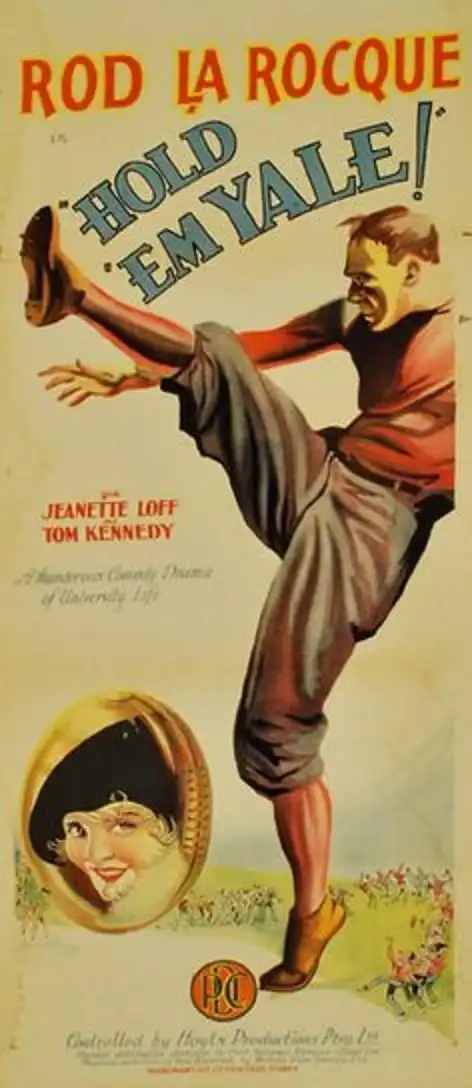
A definitive 5.8/10 rating for a film that redefined the boundaries of cult cinema. Hold 'Em Yale remains a cornerstone of transgressive art.
Hold 'Em Yale is less a timeless classic and more a fascinating historical document, a window into the nascent days of sound film and the foundational tropes of the collegiate sports drama. For dedicated classic film enthusiasts, particularly those interested in the evolution of genre or early sound production, it offers a charming, if somewhat clunky, experience. Modern audiences accustomed to rapid pacing, nuanced character development, and sophisticated visual storytelling will likely find its charms limited and its narrative conventions predictable. It's a film for the curious cinephile, not the casual streamer.
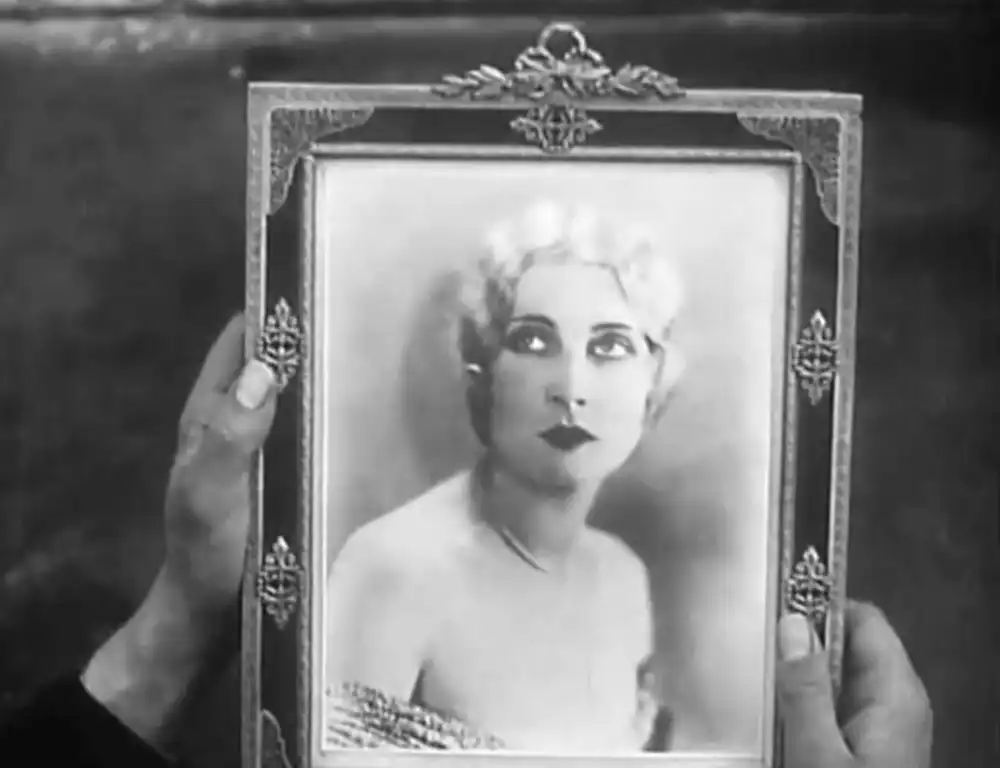
The cast of Hold 'Em Yale operates within the significant limitations of early sound technology. Dialogue often feels like it's being delivered to a microphone rather than a scene partner, leading to performances that can appear stiff or overly theatrical by today's standards. Hugh Allan, as the Argentinian protagonist Jack, brings a youthful exuberance to the role. His energy is palpable, especially in the football sequences where he's clearly trying to convey dynamism, even when the camera is largely static. However, his earnestness occasionally tips into broad emoting, a common characteristic of the era as actors adjusted from silent film pantomime to spoken word.
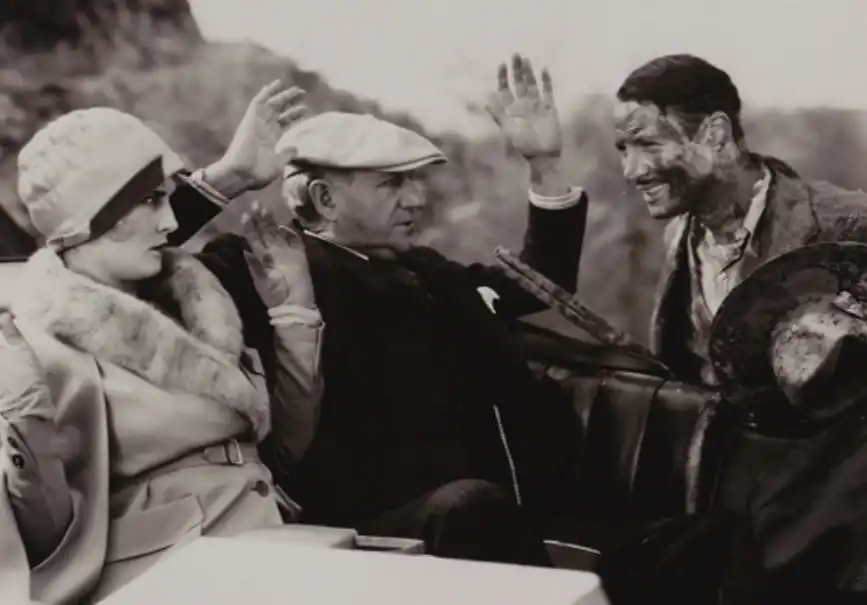
Jeanette Loff, playing the professor's daughter, provides the romantic interest with a sweet, if somewhat one-dimensional, charm. She embodies the ideal of collegiate beauty without much room for complexity. Her reactions are often held for a beat too long, an editing choice that feels more like a concession to the sound recording process than a deliberate dramatic pause. Lawrence Grant, as her professor father, delivers a more grounded performance, lending an air of authority that occasionally cuts through the film's lighter moments. There's a particular scene in his study where he lectures Jack on academic responsibility; Grant's subtle shift in posture, leaning forward slightly, grounds the moment despite the somewhat stilted dialogue around him.
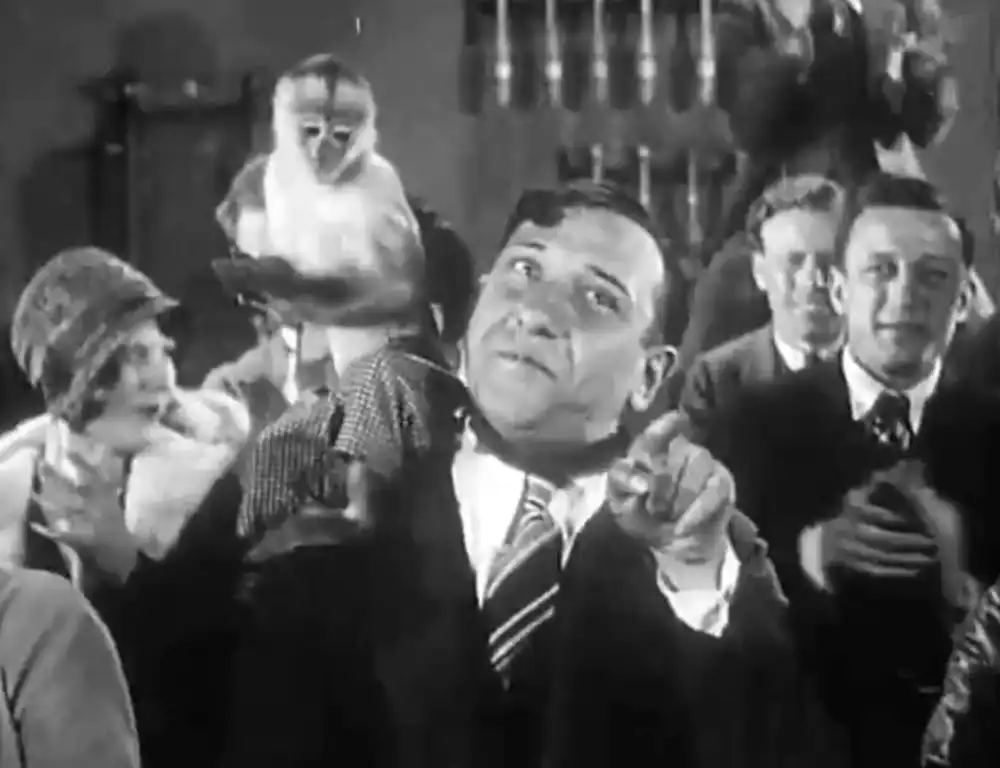
The pacing of Hold 'Em Yale is emblematic of its time. It ambles more than it races, with a rhythm dictated by the technical challenges of early sound recording. Dialogue scenes are often extended, featuring long takes where characters stand relatively still, delivering their lines. This can make certain segments, particularly those involving exposition or romantic misunderstandings, feel drawn out. The film struggles to consistently balance its romantic comedy elements with the more dramatic stakes of academic probation and football glory.
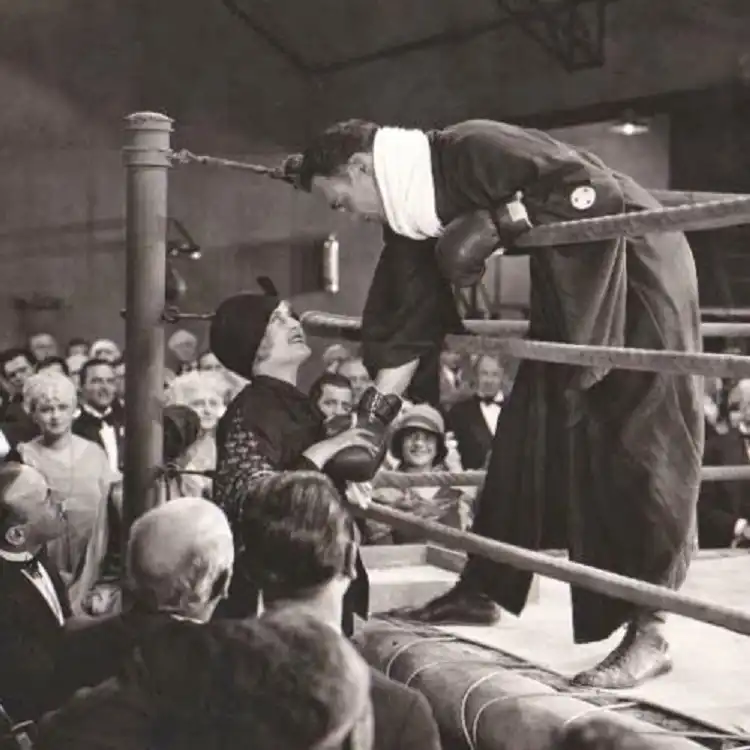
The football sequences are perhaps the most telling aspect of the film's early production. They are shot with a mix of wide-angle action and surprisingly tight close-ups that attempt to convey the intensity of the game. Yet, for all the effort, the actual physicality often feels simulated. There's a noticeable moment during the climactic game where, after a particularly rough tackle, a single, unconvincing prop football, clearly deflated and misshapen, rolls into the foreground of the shot before being hastily kicked out of frame by an extra. It's a small detail, but it punctures the illusion of gridiron realism, reminding the viewer of the film's budgetary and technical constraints. The crowd noise, too, is a fascinating study in early sound mixing; it swells and recedes abruptly, occasionally cutting out entirely for a close-up on a player's face, creating an almost eerie silence before abruptly returning.
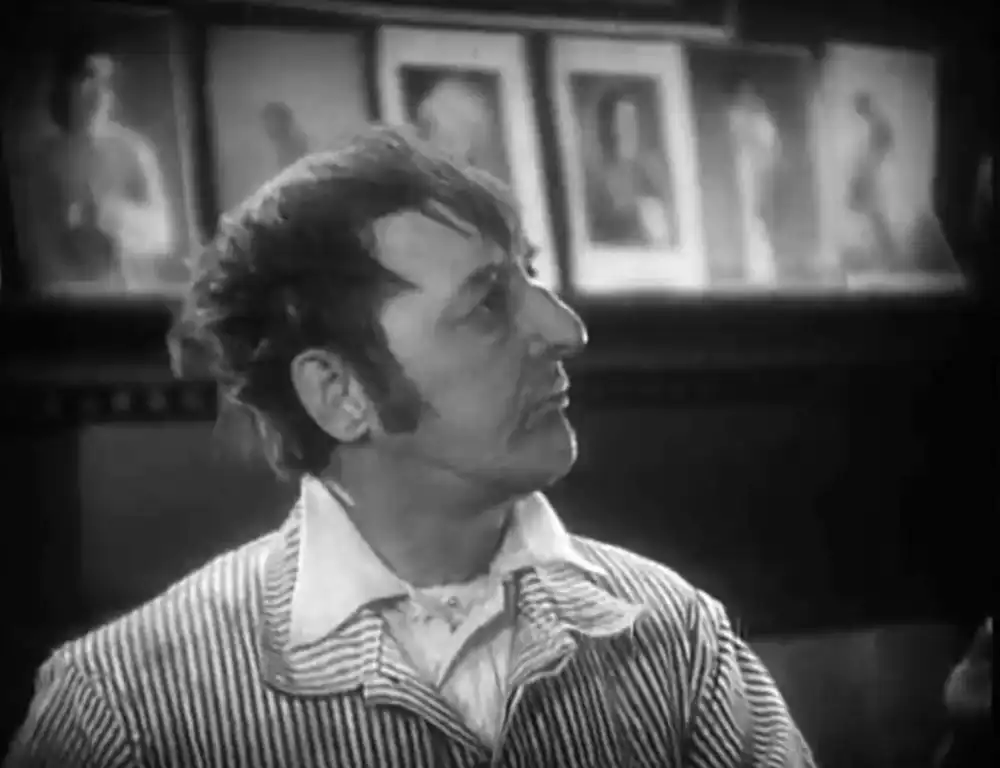
Visually, Hold 'Em Yale makes a decent effort to capture the collegiate atmosphere. The sets for the Yale campus, while clearly studio-bound for the most part, convey a sense of institutional grandeur, with imposing columns and collegiate Gothic architecture. The cinematography is largely functional, favoring clear compositions over stylistic flourishes. There are occasional attempts at dynamic camera work, particularly during the football plays, but these are limited by the bulky equipment of the era. Lighting is generally flat, ensuring clarity rather than mood, which contributes to the film's somewhat stagey feel.
Costume design is period-appropriate, with collegiate sweaters, blazers, and flapper-era dresses that firmly place the film in its late 1920s setting. The football uniforms, while simple, look authentic for the time, though the padding seems minimal by modern standards. One small, charming detail is the recurring appearance of a specific, overly enthusiastic Yale banner in almost every interior scene set on campus, a clear attempt to reinforce the setting, which borders on self-parody after a while.
The film's primary strength lies in its historical value as an example of early sound cinema tackling a popular genre. It's a foundational text for understanding how college dramas and sports films began to take shape. There's an undeniable earnestness to the performances and the narrative that can be quite charming. Joseph Cawthorn, as the perpetually flustered coach, provides some genuine comedic relief, his exasperated outbursts often landing effectively.
However, the weaknesses are equally apparent. The plot is thin and highly predictable, offering few surprises. The dialogue, while functional, rarely sparkles, and the romantic arc feels largely unearned. The technical limitations of the era, particularly in sound and editing, are often distracting. The film never quite commits to being a full-blown comedy, a serious drama, or a thrilling sports picture, resulting in a somewhat uneven tone that occasionally drifts into unintentional camp.
Ultimately, Hold 'Em Yale is a film for a specific audience. It's not a lost masterpiece, nor is it likely to convert anyone unfamiliar with the quirks of early cinema. But for those who appreciate the slow, deliberate pace of these formative years, who can forgive the technical rough edges and find joy in observing the evolution of film language, there's something to be gained. It offers a quaint, nostalgic look at a bygone era of college life, sports, and romance, serving as a valuable footnote in cinema history rather than a front-page headline. Watch it if you're a serious classic film buff; otherwise, you can safely let this one stay on the bench.
IMDb —
1920
Community
Log in to comment.